Why SMS Access Matters During International Travel (2026)

8
JUL
531 visninger
Why SMS Access Matters During International Travel (2026)
Many travelers assume that instant messaging apps have completely replaced SMS.
After all, most people communicate daily using WhatsApp, iMessage, Telegram, Signal, Messenger, or other internet-based apps.
While these applications are excellent for staying in touch with friends and family, SMS continues to play a unique and important role during international travel.
In fact, many of the services travelers depend on every day still rely on SMS for important notifications, identity verification, and security.
Whether you're traveling for business, leisure, education, or remote work, maintaining access to SMS can help you receive time-sensitive updates, complete account verification, and stay informed throughout your journey.
From airline alerts and hotel confirmations to ride-hailing verification and banking authentication, SMS remains one of the most reliable communication channels available to travelers worldwide.
This guide explains why SMS still matters during international travel and how you can ensure uninterrupted access wherever your journey takes you.
SMS vs Internet Messaging – What's the Difference?
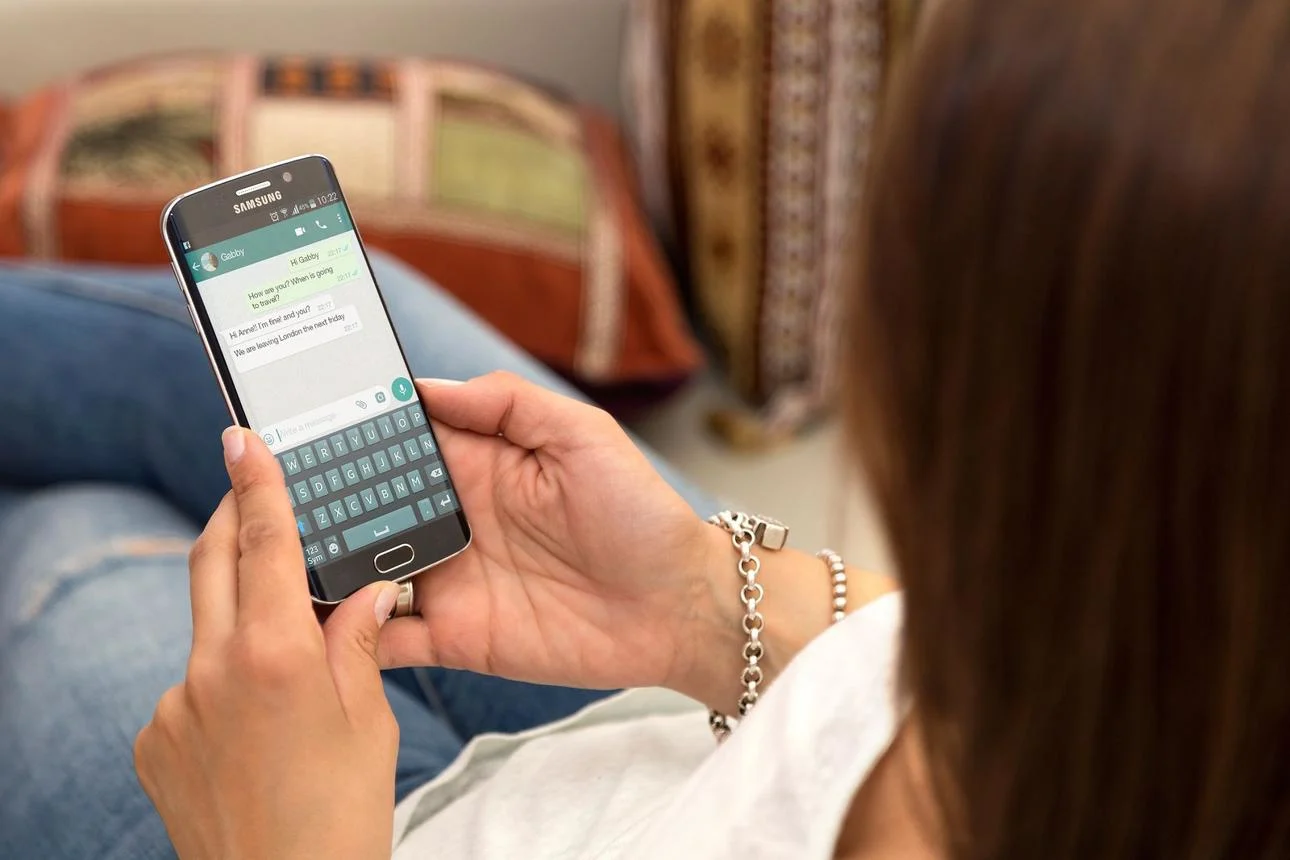
Internet messaging apps require:
· Mobile data
· Wi-Fi
· Both users to have the same application installed
SMS works differently.
A standard SMS is delivered through the mobile network to the phone number registered with a service.
Because SMS does not depend on the recipient using a particular messaging app, it remains one of the most widely supported methods of communication globally.
This universal compatibility is why businesses, airlines, financial institutions, governments, and service providers continue to use SMS for important notifications.
Why Travelers Still Receive Important SMS Messages
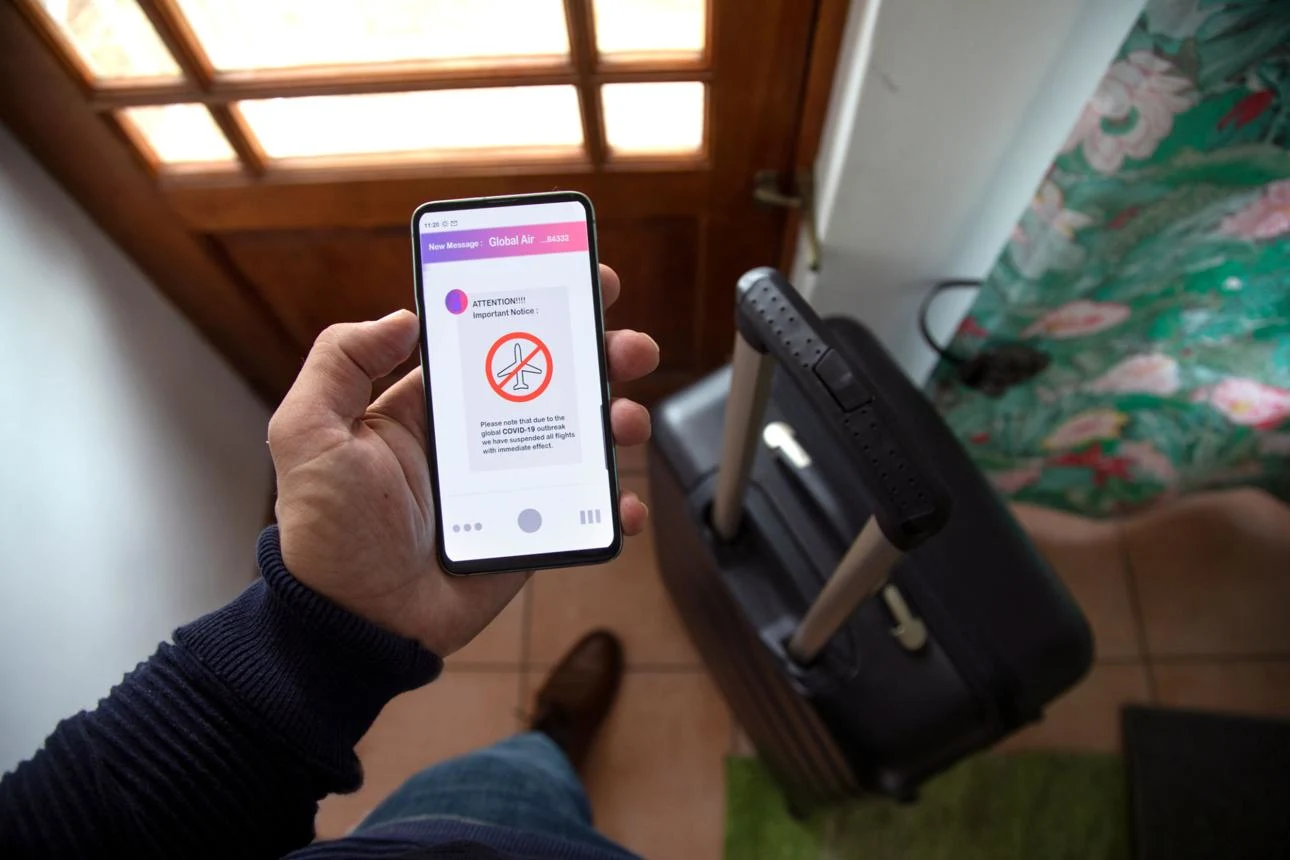
Many travel-related services continue to rely on SMS because it provides a direct way to reach travelers regardless of which smartphone or messaging platform they use.
Common examples include:
· Airline notifications
· Booking confirmations
· Security verification
· Ride-hailing authentication
· Hotel updates
· Package delivery alerts
· Emergency notifications
For international travelers, these messages often contain information that requires immediate attention.
OTPs and Account Verification
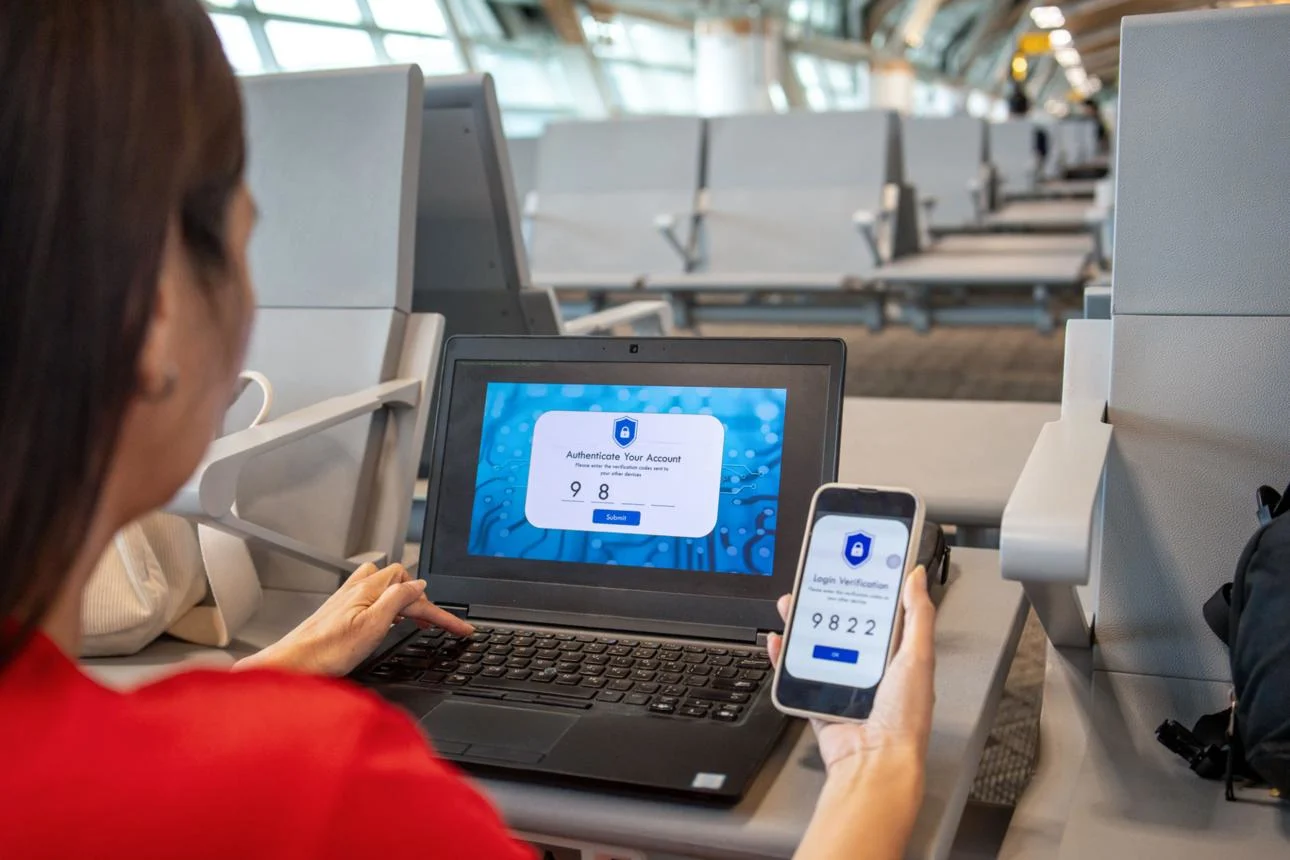
One of the most familiar uses of SMS is One-Time Password (OTP) verification.
Many organizations use OTPs to verify identity before allowing access to:
· Banking accounts
· Online payments
· Email services
· Government portals
· Corporate systems
· Shopping platforms
It is important to remember that these OTPs are generally sent to the mobile number registered with the service.
Installing a travel eSIM does not automatically redirect existing OTPs to the new number.
For most travelers, keeping their home SIM active for important authentication messages while using a travel eSIM for internet connectivity provides the most practical setup.
Airline Flight Notifications
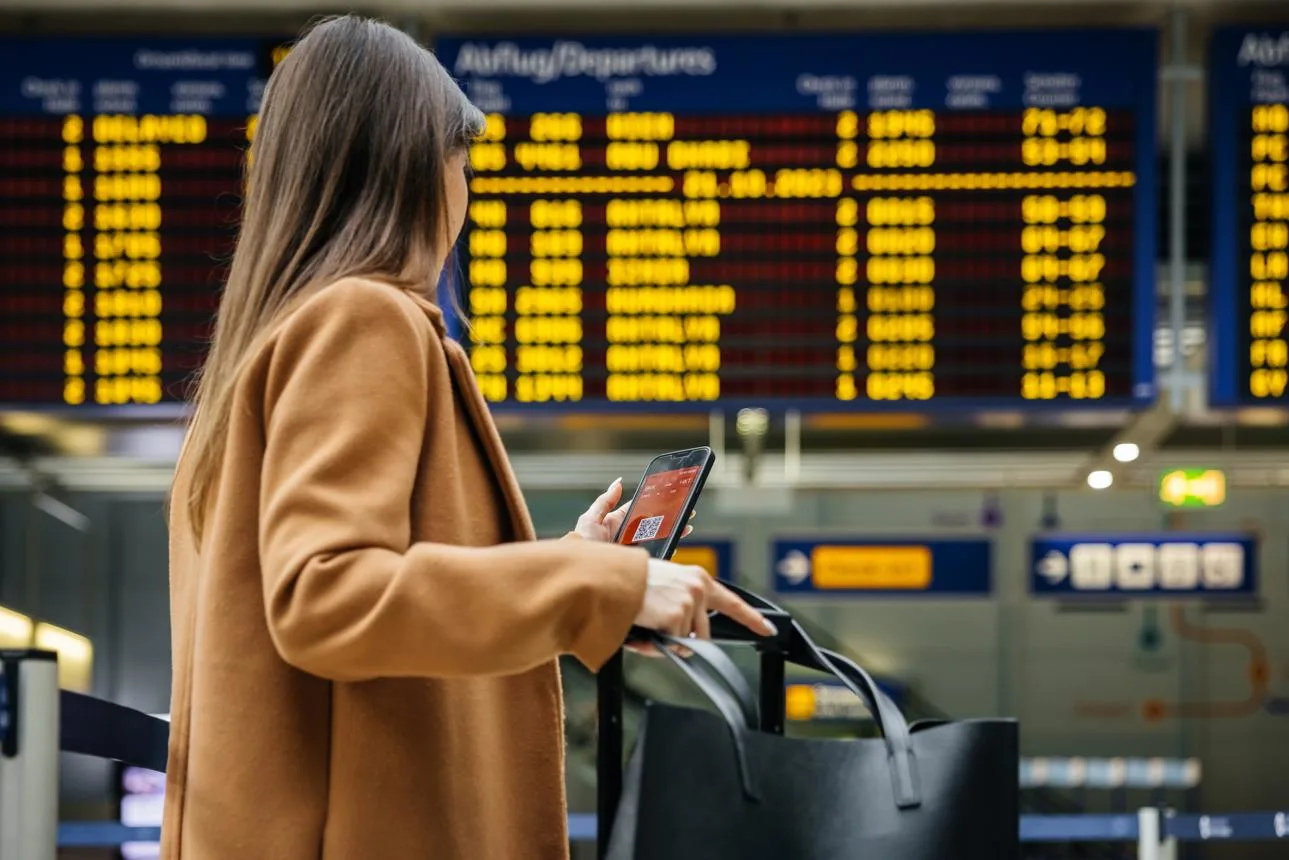
Modern airlines use SMS for a variety of travel updates.
These may include:
· Flight delays
· Gate changes
· Boarding reminders
· Schedule changes
· Flight cancellations
· Check-in reminders
Receiving these messages promptly can help travelers adjust their plans without unnecessary stress.
Although many airlines also send notifications through their mobile apps, SMS often serves as an additional communication channel when immediate attention is required.
Hotel Confirmations and Reservation Updates

Hotels continue to use SMS for operational communication before and during a guest's stay.
Examples include:
· Reservation confirmations
· Check-in instructions
· Room readiness updates
· Booking modifications
· Security verification
· Concierge communication
These messages help travelers manage their accommodation more efficiently, particularly when arriving after long international flights.
Ride-Hailing Verification
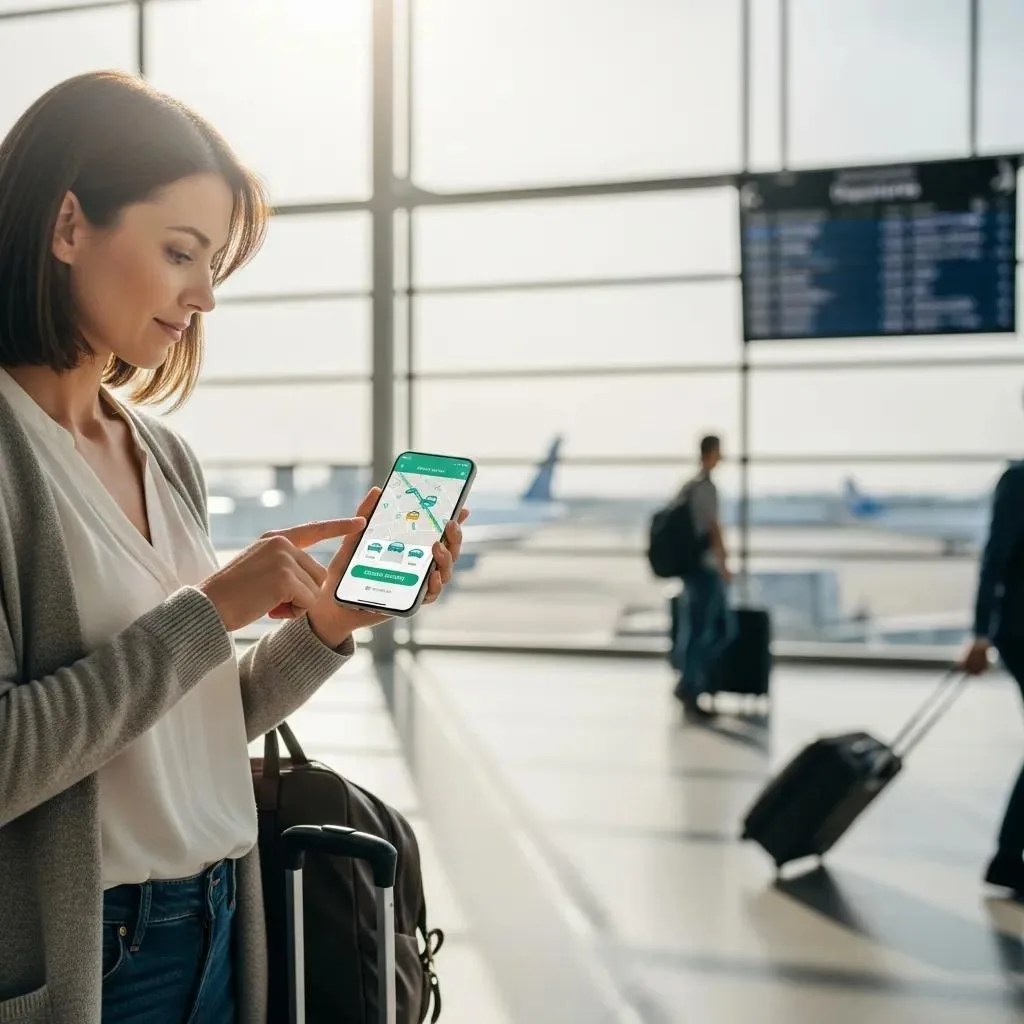
Transportation services frequently verify customer accounts using SMS.
Travelers may receive verification messages when using services such as:
· Uber
· Lyft
· Grab
· Bolt
· Careem
· Local taxi applications
SMS verification helps protect accounts while ensuring only authorized users can access ride-hailing services.
Delivery and Shopping Notifications
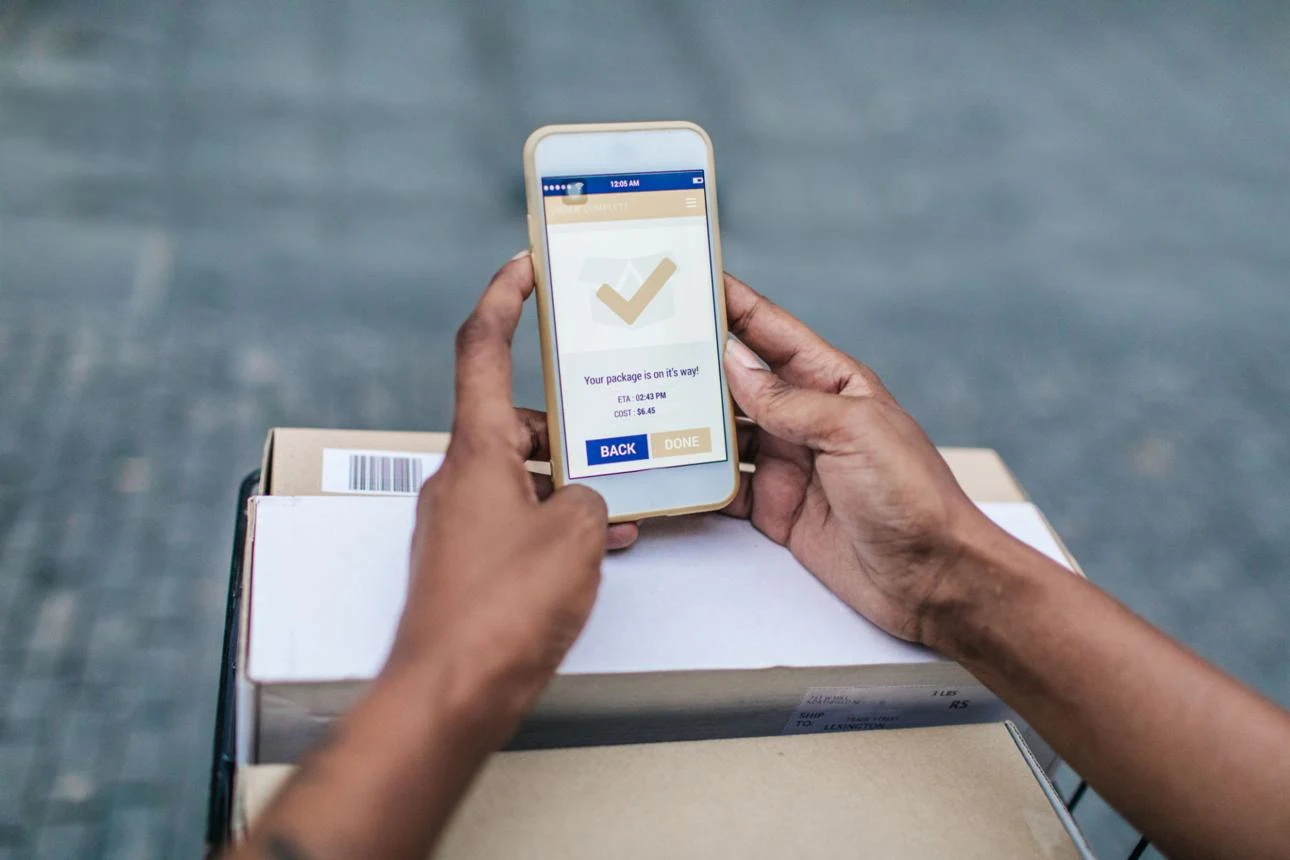
International travelers increasingly shop online while abroad.
Many retailers and delivery companies send SMS updates regarding:
· Delivery status
· Collection codes
· Pickup notifications
· Order confirmations
Receiving these messages can be especially useful during longer stays.
Emergency Alerts and Public Safety Messages
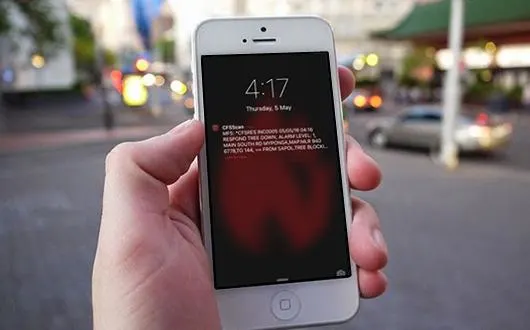
Governments and emergency management agencies in many countries use SMS to communicate urgent public safety information.
Depending on your destination, you may receive alerts relating to:
· Severe weather
· Natural disasters
· Public health notices
· Transportation disruptions
· Safety advisories
Because SMS works across virtually all mobile devices, it remains one of the fastest ways for authorities to distribute emergency information.
Business Communication Beyond Email

Business travelers often think of SMS only in terms of OTPs.
However, many organizations also use SMS for:
· Meeting reminders
· Visitor access codes
· Temporary passwords
· Office security notifications
· Appointment confirmations
Maintaining SMS access helps professionals remain productive throughout international business trips.
Why SMS Still Supports Better Security
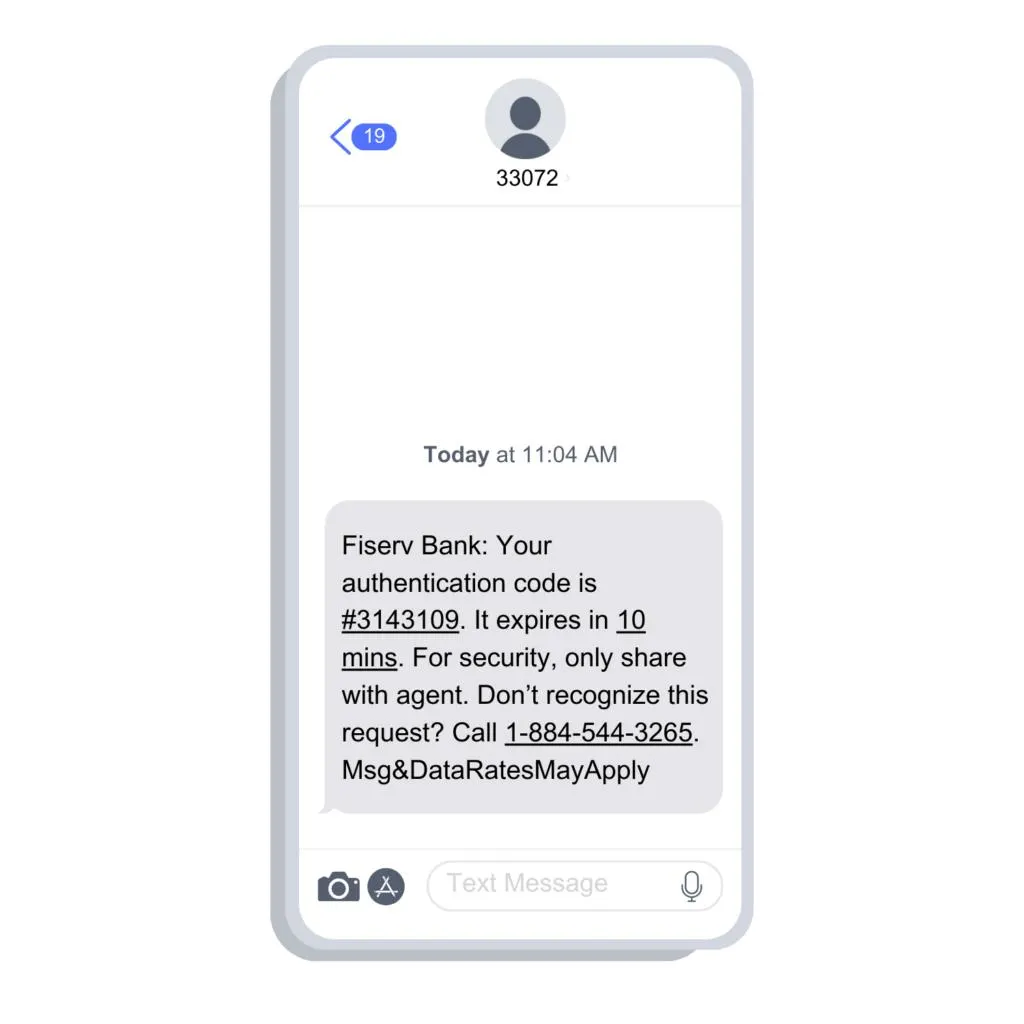
Many organizations continue using SMS because it adds an extra layer of security beyond usernames and passwords.
Although authentication technologies continue to evolve, SMS remains one of the most widely supported verification methods globally.
Travelers frequently receive SMS for:
· Login verification
· Password resets
· Device registration
· Account recovery
· Security alerts
Maintaining access to these messages helps reduce the risk of account lockouts while abroad.
Travel eSIM and SMS – Understanding the Difference
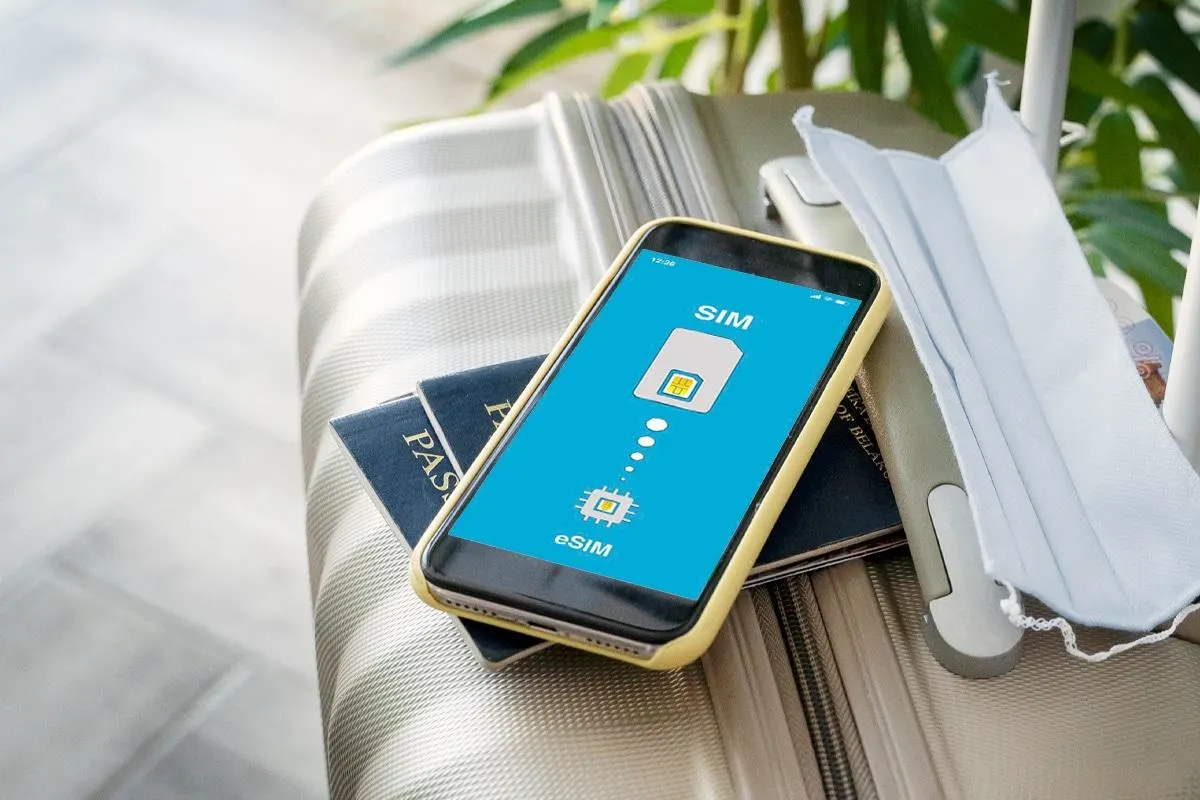
Modern travel eSIMs are designed primarily to simplify international connectivity.
Depending on the plan, they may include:
· High-speed mobile data
· Voice calling
· SMS support
However, it is important to understand that SMS sent to your existing home number—such as banking OTPs or long-established account verification—will continue to go to that registered number unless you formally change it with the service provider.
A travel eSIM complements your existing mobile number by providing reliable internet connectivity and, on supported plans, voice and SMS on the travel eSIM number.
Best Practice for Staying Connected
For most international travelers, the recommended setup is:
Home SIM
Keep active for:
· Banking OTPs
· Existing account verification
· Security notifications
· Long-term registered services
Travel eSIM
Use for:
· Mobile data
· Voice calling (where supported)
· SMS on the travel eSIM number (where supported)
· Maps
· Messaging apps
· Travel bookings
· Everyday connectivity
This combination provides flexibility without disrupting access to important services.
The Future of SMS During International Travel
As digital communication evolves, authentication methods such as passkeys, biometrics, and authentication apps are becoming more common.
Nevertheless, SMS continues to play an essential role because it is:
· Universally supported
· Easy to use
· Compatible with virtually every mobile device
· Widely adopted by businesses and governments
For the foreseeable future, SMS will remain an important part of the international travel experience.
SMS may not be the most visible communication channel anymore, but it remains one of the most important.
From airline updates and hotel confirmations to ride-hailing verification, security notifications, emergency alerts, and account authentication, SMS continues to support many of the services travelers rely on every day.
The smartest travel strategy is to:
· Keep your home SIM available for important messages sent to your registered number.
· Use a travel eSIM for reliable mobile data, voice calling, and SMS capabilities where supported.
· Prepare your connectivity before departure to avoid unnecessary disruptions.
With the right setup, you can enjoy a smoother, safer, and more connected travel experience wherever you go.




Siste innlegg

18 Jul 2025

09 Jul 2026

08 Jul 2026