How to Receive OTPs While Traveling Internationally in 2026 – The Complete Guide

7
JUL
632 visninger
How to Receive OTPs While Traveling Internationally in 2026 – The Complete Guide
International travel has become more connected than ever before. Whether you're traveling for business, leisure, education, remote work, or visiting family overseas, your smartphone has become your most important travel companion.
Today, travelers use their phones for nearly everything:
· Online banking
· Flight check-ins
· Hotel bookings
· Ride-hailing services
· Digital payments
· Maps and navigation
· Work communication
· Social media
· Shopping
· Government services
· Identity verification
Behind almost all these services is one small but incredibly important security feature—the One-Time Password (OTP).
An OTP is a temporary security code sent to your registered mobile number to verify your identity before granting access to an account or approving a transaction.
Most travelers don't think about OTPs until they stop arriving.
Unfortunately, this happens more often than people expect.
Imagine landing in another country only to discover that you can't:
· Access your banking app
· Approve an online payment
· Verify your credit card
· Log into your work email
· Authenticate Microsoft Teams
· Access your company VPN
· Reset an important password
· Complete an airline check-in
All because your verification SMS never arrived.
For international travelers, missing OTPs can quickly turn into a stressful situation that affects both personal and professional activities.
Fortunately, this problem is preventable.
With the right preparation—and the right combination of voice, SMS, and mobile data—you can continue receiving OTPs securely while traveling anywhere in the world.
This guide explains everything you need to know about receiving OTPs internationally and how modern travel eSIM technology can help you stay connected wherever your journey takes you.
Why OTPs Have Become Essential for Modern Travel
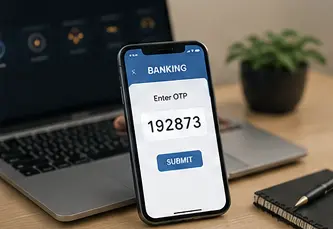
Ten years ago, travelers mainly used their phones for calls and text messages.
Today, smartphones have become digital wallets, boarding passes, navigation systems, business tools, and identity verification devices.
Every major online service now prioritizes security through Multi-Factor Authentication (MFA), where an OTP acts as a second layer of protection beyond your password.
As a result, travelers now rely on OTPs dozens of times during a typical international trip.
Some of the most common situations where OTPs are required include:
Banking and Financial Services
Banks send OTPs before allowing customers to:
· Transfer money
· Add beneficiaries
· Reset passwords
· Authorize credit card payments
· Access investment platforms
· Approve international transactions
Without access to these verification codes, managing finances abroad can become difficult.
Airline and Travel Services
Many airlines now send SMS verification codes for:
· Flight check-ins
· Boarding pass validation
· Flight changes
· Booking confirmations
Hotels, car rental companies, and tour operators also use SMS verification to protect customer accounts.
Work and Corporate Systems
Business travelers regularly receive OTPs for:
· Microsoft 365
· Google Workspace
· Corporate VPNs
· Enterprise applications
· HR systems
· Expense platforms
· Cloud storage
A missing OTP can delay meetings, interrupt workflows, or prevent access to essential business systems.
Digital Wallets and Payment Apps
Many travelers rely on:
· Apple Pay
· Google Wallet
· Mobile banking apps
· International payment platforms
These services frequently require OTP verification for security.
Personal Accounts
Travelers also receive OTPs for:
· Email accounts
· Social media platforms
· Messaging apps
· Shopping websites
· Streaming services
These accounts often contain sensitive personal information that requires secure authentication.
Why OTP Problems Usually Begin After Landing Abroad
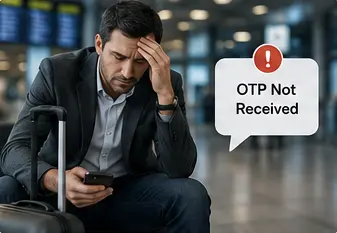
One of the most frustrating aspects of OTP issues is that they rarely appear before travel.
Everything works perfectly while you're at home.
Then, shortly after landing in another country, verification messages suddenly stop arriving.
This happens because international mobile connectivity is far more complex than domestic mobile service.
Your phone may now depend on:
· International roaming agreements
· Foreign mobile networks
· SIM configuration
· Roaming permissions
· SMS routing
· Banking security policies
· Local carrier compatibility
If any part of this communication chain fails, OTP delivery may be delayed—or stop completely.
For many travelers, this becomes an unexpected problem during critical moments, such as:
· Paying hotel deposits
· Booking transportation
· Logging into corporate accounts
· Approving urgent banking transactions
Understanding why OTPs fail is the first step toward preventing these issues.
Who Is Most Affected by OTP Issues While Traveling?
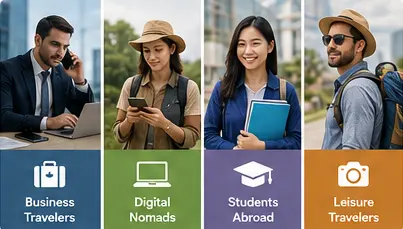
Although anyone traveling internationally can experience OTP problems, certain groups depend on verification codes much more frequently.
Business Travelers
Professionals often receive multiple authentication requests every day.
These include secure access to:
· Corporate email
· Microsoft Teams
· Cloud applications
· Banking systems
· Company VPNs
For them, uninterrupted OTP access is critical for maintaining productivity during international business trips.
Digital Nomads
Remote workers frequently manage businesses, freelance projects, or client accounts while traveling.
They regularly verify:
· Financial platforms
· Project management tools
· Cloud storage
· Client communication systems
Reliable SMS delivery helps them continue working from anywhere in the world.
Students Studying Abroad
International students often require OTPs for:
· University portals
· Banking
· Immigration services
· Accommodation
· Payment gateways
Maintaining access to their registered mobile number becomes essential throughout their stay.
Leisure Travelers
Even tourists increasingly rely on OTPs for:
· Booking attractions
· Ride-hailing apps
· Hotel reservations
· Online payments
· Airline updates
What appears to be a simple vacation can quickly become stressful if verification messages fail to arrive.
Why OTPs Sometimes Stop Working When You Travel Abroad
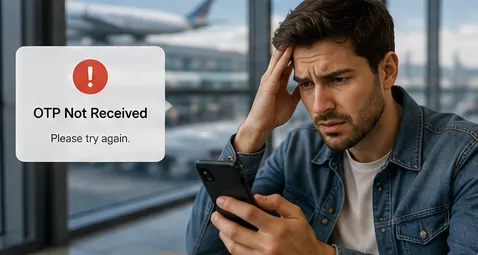
Many travelers assume that because their mobile phone works overseas, SMS verification messages will also continue arriving without any issues.
Unfortunately, that's not always the case.
Receiving an OTP depends on several independent systems working together:
· Your home mobile operator
· International roaming agreements
· The mobile network in the country you're visiting
· The organization sending the OTP (such as your bank or online service)
· Your phone's SIM and network settings
If any part of this chain is interrupted, OTP delivery may be delayed or fail completely.
The good news is that most of these issues can be avoided with the right travel setup.
Understanding Where Your OTP Is Sent
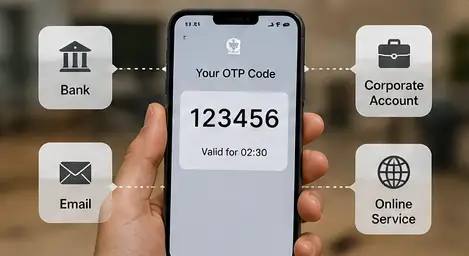
One of the biggest misconceptions about travel eSIMs is that they automatically receive all OTPs.
In reality, an OTP is always sent to the phone number registered with the service.
For example:
· Your bank sends OTPs to the mobile number registered on your banking profile.
· Your email provider sends verification codes to the recovery number you configured.
· Your corporate IT system sends authentication codes to the number registered with your employer.
Changing your SIM while travelling does not automatically update these records.
If your bank has your home mobile number on file, it will continue sending OTPs to that number—not to your travel eSIM.
This distinction is extremely important when planning your international connectivity.
Why Your Home SIM Still Matters
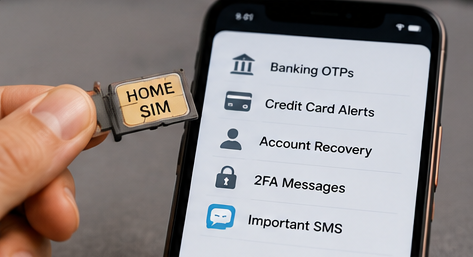
For most international travelers, the home SIM remains the primary identity linked to:
· Banks
· Credit card providers
· Investment platforms
· Government services
· Corporate authentication systems
· Insurance providers
· Healthcare portals
· Two-factor authentication services
Even if you use a travel eSIM for internet access, your home SIM often remains the number that receives the most important verification messages.
Rather than replacing your home SIM completely, many experienced travelers keep it active throughout their trip.
The Best Practice for Banking OTPs
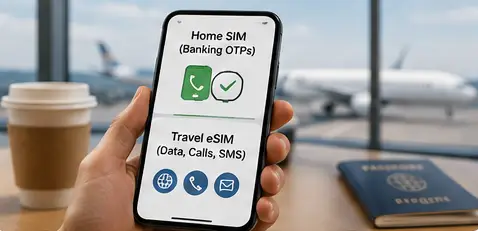
A practical and reliable setup used by frequent international travelers is:
Home SIM
Used for:
· Banking OTPs
· Credit card verification
· Account recovery
· Existing two-factor authentication
· Important incoming SMS
Travel eSIM
Used for:
· Mobile data
· Voice calling (where supported)
· Everyday internet access
· Navigation
· Ride-hailing apps
· Messaging applications
· New services registered with the travel eSIM number
This approach keeps your financial identity connected to your trusted home number while allowing you to enjoy affordable international connectivity.
Consider an SMS-Only Roaming Option
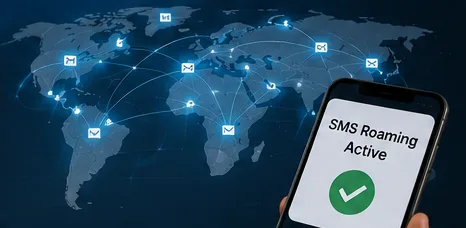
Many mobile operators around the world offer inexpensive roaming options that allow customers to continue receiving SMS messages while abroad.
Depending on your carrier, this may include:
· Incoming SMS while roaming
· SMS-only roaming packages
· Low-cost international roaming plans
· Pay-as-you-go roaming for incoming messages
For many travelers, enabling a basic roaming option on their home SIM is sufficient to continue receiving banking OTPs and important verification messages during the trip.
Before departure, check with your home mobile operator to understand:
· Whether incoming SMS is available while roaming
· Which countries are covered
· Whether roaming must be enabled before travel
· Any associated charges
Since roaming policies vary between operators and countries, confirming these details in advance can prevent unnecessary surprises.
Why a Travel eSIM Is Still Essential
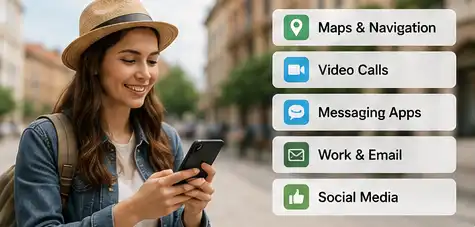
If your home SIM is mainly reserved for banking and authentication, what role does a travel eSIM play?
Quite a significant one.
A travel eSIM provides the connectivity you use throughout the day without relying on expensive roaming data.
Typical uses include:
· Maps and navigation
· Video calls
· Team collaboration
· Ride-hailing
· Hotel bookings
· Restaurant reservations
· Social media
· Cloud applications
· Mobile payments that use internet connectivity
Instead of paying premium roaming rates for mobile data, travelers can use the travel eSIM while leaving the home SIM available for important SMS verification.
This combination offers convenience without sacrificing security.
What About OTPs Sent to the Travel eSIM?
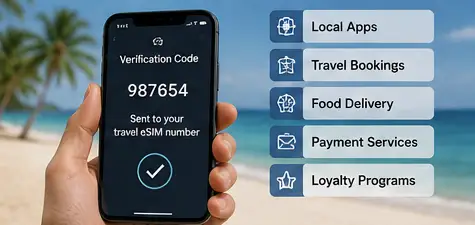
A travel eSIM with voice and SMS capability can absolutely receive OTPs—but only for services that are registered with that travel eSIM number.
For example, if you sign up for:
· A local delivery app
· A local loyalty program
· A travel booking platform
· A regional payment service
· A temporary communication app
using the travel eSIM number, then verification codes for those services will be delivered to that number.
However, existing banking OTPs tied to your long-term home number will continue to go to your home SIM unless you formally update your bank's records.
Why Simply Swapping SIM Cards Can Cause Problems
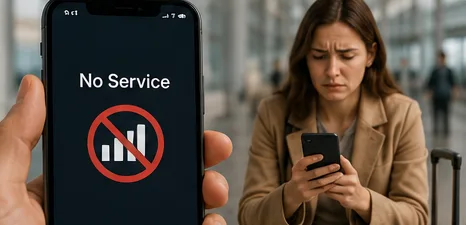
A common mistake is removing the home SIM entirely after landing.
Although this may seem convenient, it can create unexpected issues.
Without the home SIM active, travelers may miss:
· Banking OTPs
· Fraud alerts
· Credit card security messages
· Corporate authentication codes
· Account recovery messages
· Important notifications from trusted services
If an urgent verification is required while the home SIM is offline, access to important accounts may be delayed.
Keeping the home SIM available—either physically or through dual SIM functionality—helps reduce this risk.
Dual SIM Makes International Travel Easier
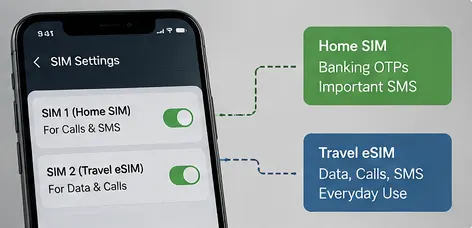
Most modern smartphones support either:
· One physical SIM and one eSIM, or
· Multiple eSIM profiles
This allows travelers to separate responsibilities between the two numbers.
A recommended setup looks like this:
Connection Primary Purpose
Home SIM Banking OTPs, existing accounts, important incoming SMS
Travel eSIM Mobile data, voice calls, navigation, messaging, internet connectivity
With this approach, travelers don't have to choose between affordable connectivity and secure access to their existing accounts.
They can enjoy both.
Should You Change Your Bank's Registered Number Before Travel?
For most short-term trips, the answer is generally no.
Changing the registered mobile number for banking services shortly before international travel can introduce unnecessary complexity and may trigger additional security checks.
Unless you are permanently relocating to another country, it is usually more practical to keep your existing banking number active and ensure that it can continue receiving SMS while abroad.
The goal is not to move your banking identity to a temporary travel SIM, but to keep your trusted home number available while using a travel eSIM for everyday connectivity.
Connectivity Strategies for Different Types of Travelers
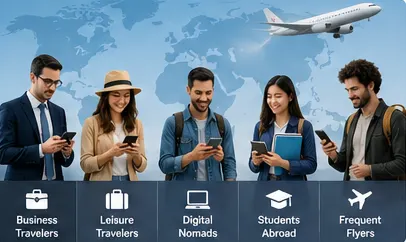
There is no single connectivity solution that works for everyone.
A business executive attending meetings across Europe has different communication needs from a student studying abroad or a tourist on a two-week vacation.
Choosing the right combination of home SIM, roaming, and travel eSIM depends on your travel style.
Business Travelers
Business travelers often rely on secure authentication several times a day.
Typical services include:
· Corporate email
· Microsoft 365
· Google Workspace
· VPN access
· Expense management platforms
· CRM systems
· Banking applications
· Cloud storage
Losing access to OTPs during an overseas business trip can delay approvals, interrupt meetings, or prevent access to company systems.
Recommended Setup
Home SIM
· Keep active for banking OTPs
· Corporate authentication
· Existing business accounts
· Important SMS notifications
Travel eSIM
· High-speed mobile data
· Voice calling (where available)
· Teams, Zoom and Google Meet
· Maps and navigation
· Hotel and airline apps
This setup allows professionals to remain productive while maintaining secure access to critical business systems.
Digital Nomads and Remote Workers
Digital nomads often manage businesses across multiple countries while continuously moving between destinations.
They frequently use:
· Online banking
· Payment platforms
· Project management software
· Cloud applications
· Client portals
· Video conferencing
Many remote workers also manage freelance marketplaces and international payment services that require periodic verification.
Because of this, maintaining access to the original registered phone number remains extremely important.
A travel eSIM provides the internet connectivity needed for work, while the home SIM continues receiving authentication messages.
International Students
Students studying overseas depend on mobile connectivity for much more than social communication.
They regularly access:
· University portals
· Student banking
· Immigration services
· Healthcare systems
· Accommodation platforms
· Public transport apps
Many universities also use two-factor authentication to secure student accounts.
Keeping access to the registered mobile number helps ensure uninterrupted access to these services throughout the academic year.
Leisure Travelers
Even holiday travelers now depend heavily on secure verification.
During a typical vacation, travelers may receive SMS verification for:
· Flight updates
· Hotel bookings
· Attraction tickets
· Online payments
· Credit card approvals
· Airline account logins
While leisure travelers may require fewer OTPs than business travelers, losing access at the wrong moment can still create unnecessary stress.
Frequent Flyers
Frequent international travelers often develop a standardized connectivity strategy.
Rather than purchasing different SIM cards in every destination, they typically:
· Keep their primary number active
· Use a travel eSIM for data
· Enable SMS reception on the home SIM
· Install their travel eSIM before departure
This approach reduces setup time on every trip and provides a consistent communication experience across multiple countries.
Understanding Different Types of Verification Codes
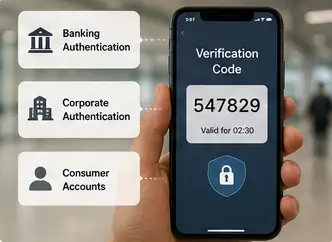
Not every verification code serves the same purpose.
Understanding the different categories helps travelers identify which number should remain active.
Banking Authentication
Usually required for:
· Account login
· Fund transfers
· Card verification
· Payment approvals
· Password resets
These codes generally continue going to the mobile number registered with your financial institution.
Corporate Authentication
Businesses commonly use authentication for:
· VPN access
· Microsoft Authenticator
· Google authentication
· Enterprise login
· Secure document access
Depending on your employer's policies, authentication may be delivered through SMS, authentication apps, hardware security keys, or push notifications.
Consumer Accounts
Many online services use SMS verification for:
· Email recovery
· Shopping accounts
· Streaming services
· Social media
· Messaging applications
These services also send verification to the number already registered on your account.
SMS Authentication vs Authenticator Apps
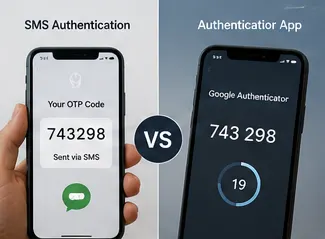
Although SMS remains one of the most common authentication methods worldwide, many organizations now support authentication apps.
Examples include:
· Microsoft Authenticator
· Google Authenticator
· Authy
· Duo Mobile
These applications generate verification codes directly on your device instead of sending them through SMS.
For travelers, authentication apps offer several advantages:
· No dependence on mobile coverage for code generation
· Faster verification
· Reduced risk of SMS delivery delays
Where available, enabling an authenticator app before travelling can provide an additional layer of convenience.
However, many banks and service providers still rely exclusively on SMS verification, making continued access to your registered mobile number important.
Preparing Your Phone Before Departure
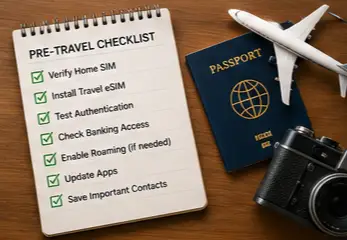
Many OTP-related issues can be prevented before you leave home.
Consider the following preparation checklist:
Verify Your Home SIM
Confirm that:
· Your SIM is active.
· International roaming settings are configured correctly (if required by your operator).
· You understand your carrier's policy for receiving SMS while abroad.
Install Your Travel eSIM Before Flying
Installing your travel eSIM before departure allows you to:
· Complete activation while you have a reliable internet connection.
· Resolve any setup questions before arriving overseas.
· Connect immediately after landing.
Test Your Authentication Methods
Before your trip:
· Log into your banking app.
· Verify access to work systems.
· Confirm recovery options for important accounts.
· Ensure authentication apps are functioning correctly.
Resolving problems before departure is much easier than troubleshooting them from another country.
Common Mistakes Travelers Should Avoid
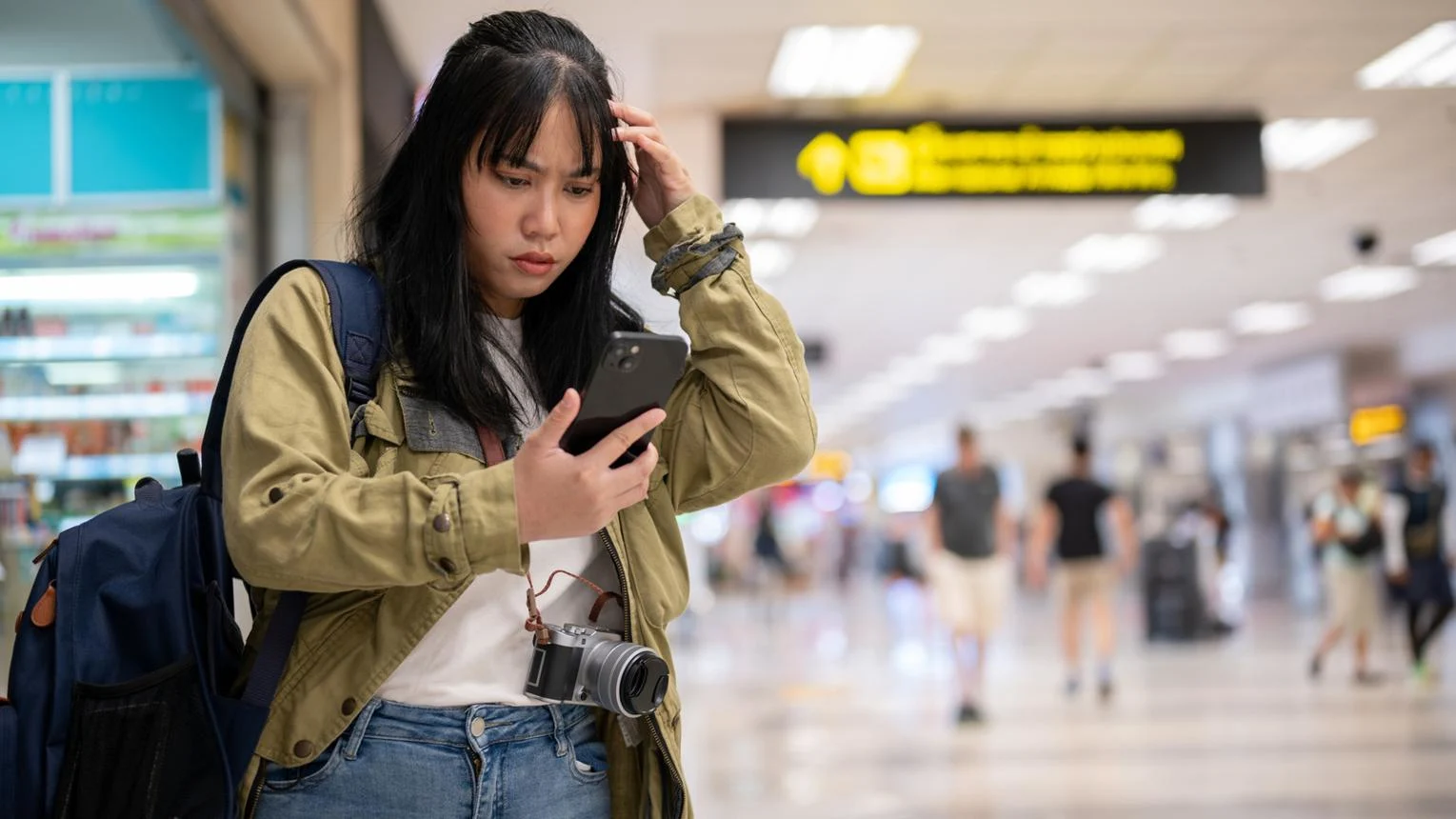
Many OTP issues arise because of small oversights rather than technical failures.
Some of the most common mistakes include:
Removing the Home SIM
Without the registered SIM available, important verification messages may not be received.
Assuming Every eSIM Supports SMS
Not all travel eSIMs provide voice and SMS capabilities.
Some are designed exclusively for mobile data.
If receiving SMS on the travel eSIM number is important, verify that your chosen plan supports voice and messaging before purchasing.
Waiting Until Arrival to Configure Connectivity
Installing and testing your travel eSIM before departure reduces the likelihood of activation issues after landing.
Ignoring Security Settings
International travel is a good opportunity to review:
· Recovery numbers
· Backup email addresses
· Authentication methods
· Device security
These small checks can save significant time if account recovery becomes necessary.
Travel eSIM vs Local SIM Card
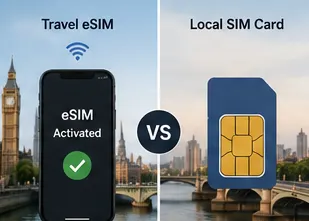
Many travelers wonder whether purchasing a local SIM card after arrival is still worthwhile.
While local SIM cards remain useful for some long-term stays, travel eSIMs offer several advantages for short and medium-length international trips.
Feature Travel eSIM Local Physical SIM
Activation Digital, before departure After arrival
Physical SIM swap Not required Required
Internet access Immediate After purchase
Multi-country travel Often supported Usually country-specific
Setup time Minutes May require store visit
For travelers visiting multiple destinations or travelling for business, the convenience of digital activation makes travel eSIMs an increasingly popular choice.
Building a Reliable International Connectivity Strategy
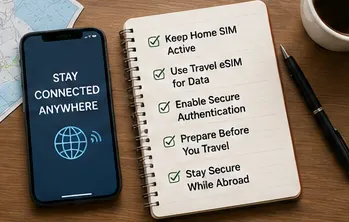
Rather than depending on a single communication method, experienced travelers use a layered approach.
A practical strategy includes:
· Keep your primary mobile number available for important authentication.
· Use a travel eSIM for high-speed mobile data and day-to-day connectivity.
· Enable secure authentication methods wherever possible.
· Prepare devices before departure.
· Verify account recovery information before travelling.
This combination offers flexibility, convenience, and greater peace of mind throughout your journey.
Travel eSIM vs International Roaming vs Local SIM Card
One of the most common questions travelers ask before an overseas trip is:
"Should I use international roaming, buy a local SIM card, or install a travel eSIM?"
The answer depends on your travel style, but for most short and medium-duration international trips, travel eSIMs offer the best balance of convenience, affordability, and flexibility.
The comparison below highlights the key differences.
Feature Travel eSIM International Roaming Local Physical SIM
Purchase Before Travel ✅ Yes Usually Not Required ❌ No
Instant Activation ✅ Yes ✅ Yes ❌ Usually after purchase
High-Speed Mobile Data ✅ Yes Depends on Plan ✅ Yes
Voice Calling Available on supported plans Usually Yes Yes
SMS Support Available on supported plans Usually Yes Yes
Banking OTP on Home Number Keep home SIM active Yes (if roaming enabled) Only if home SIM remains active
Physical SIM Swap Required ❌ No ❌ No ✅ Yes
Multi-Country Coverage Often Available Depends on Operator Usually Country Specific
Airport Queue Required ❌ No ❌ No Often Yes
Easy to Manage Excellent Moderate Moderate
For many international travelers, the most practical setup is to:
· Keep the home SIM active for banking OTPs and important verification messages.
· Use a travel eSIM for affordable mobile data, voice calling (where supported), and day-to-day connectivity.
This approach combines security with convenience.
Which Connectivity Setup Is Right for You?
Every traveler has different communication needs.
The following guide can help you choose the most suitable setup.
Leisure Travelers
Recommended:
· Home SIM active for OTPs
· International roaming settings are configured correctly (if required by your operator).
· Messaging apps for communication
Business Travelers
Recommended:
· Home SIM for banking and corporate authentication
· Travel eSIM with Voice + SMS + Data
· Dual SIM enabled
Digital Nomads
Recommended:
· Home SIM for long-term identity verification
· Travel eSIM for everyday connectivity
· Authenticator apps where supported
Students Studying Abroad
Recommended:
· Home SIM for existing financial and university accounts
· Local or travel eSIM depending on length of stay
· Backup authentication methods enabled
Frequent International Travelers
Recommended:
· Keep one consistent home number
· Use travel eSIMs across destinations
· Avoid changing primary banking numbers
Travel Preparation Checklist
Preparing before departure is one of the easiest ways to avoid connectivity problems overseas.
Before You Travel
✔ Verify that your home SIM is active.
✔ Check whether your mobile operator supports incoming SMS while roaming.
✔ Understand any roaming charges that may apply.
✔ Install your travel eSIM before departure.
✔ Test internet connectivity using the travel eSIM profile if activation allows.
✔ Confirm access to online banking.
✔ Verify two-factor authentication for important accounts.
✔ Review recovery email addresses and backup phone numbers.
✔ Install authenticator apps for services that support them.
✔ Save emergency contact numbers offline.
✔ Download offline maps for your destination.
✔ Update important travel apps.
✔ Carry an alternative payment method.
✔ Keep your phone software updated.
Completing these simple steps can significantly reduce the likelihood of authentication or connectivity issues while abroad.
Security Best Practices While Traveling
International travel often involves connecting through airports, hotels, cafés, and public transport hubs.
To protect your accounts:
· Avoid logging into sensitive accounts over unsecured public Wi-Fi.
· Enable biometric authentication where available.
· Use strong, unique passwords.
· Enable multi-factor authentication on important accounts.
· Keep device software updated.
· Lock your phone with Face ID, fingerprint recognition, or a strong PIN.
· Report a lost device immediately to your mobile operator.
Good digital security complements reliable mobile connectivity.
The Future of OTP Authentication
While SMS remains one of the world's most widely used verification methods, authentication technology continues to evolve.
Increasingly, organizations are adopting:
· Authentication apps
· Push notifications
· Hardware security keys
· Passkeys
· Biometric authentication
However, SMS-based OTPs continue to play an important role because they remain universally supported across mobile devices and financial institutions.
For the foreseeable future, international travelers should expect SMS verification to remain a key part of secure account access.
Why Voice + SMS + Data Is Becoming the Preferred Travel Solution
Many early travel eSIM products focused exclusively on mobile data.
As traveler expectations have evolved, demand has shifted toward more complete communication solutions.
Modern international travelers increasingly want:
· Reliable mobile internet
· Voice calling
· SMS functionality
· Flexible plans
· Easy activation
· Multi-country coverage
Business travelers, digital nomads, students, and even leisure travelers benefit from having all three communication channels available throughout their journey.
Instead of depending on separate providers for data, calling, and messaging, integrated travel eSIM solutions simplify international connectivity.
Why Prune Travel eSIM Helps Travelers Stay Connected
Prune Travel eSIM is designed to simplify international connectivity while supporting the communication needs of modern travelers.
Depending on the selected plan, travelers can enjoy:
High-Speed Mobile Data
Stay connected for navigation, work, entertainment, and communication.
Voice Calling
Contact hotels, transportation providers, colleagues, clients, friends, and family while abroad.
SMS Support
Receive SMS on your travel eSIM number for supported services and registrations, while keeping your home SIM available for banking OTPs and other messages sent to your registered home number.
Flexible Global Coverage
Choose destination-specific, regional, or multi-country plans depending on your itinerary.
Instant Digital Activation
Purchase online, scan the QR code, and activate before or after arrival—without searching for a local SIM store.
International travel today depends on secure digital communication.
From banking and airline check-ins to business systems and online payments, OTP verification has become an essential part of modern travel.
The most important thing to remember is that OTPs are sent to the mobile number registered with each service—not automatically to a newly installed travel eSIM.
For most travelers, the smartest approach is to:
· Keep the home SIM active for banking OTPs and important verification messages.
· Use a travel eSIM for affordable mobile data, voice calling, and SMS services available on the travel eSIM number.
· Prepare devices before departure.
· Review authentication settings before traveling.
With the right preparation, travelers can enjoy reliable connectivity, secure account access, and a smoother international travel experience.
Whether you're traveling for business, leisure, education, or remote work, combining a trusted home number with a modern travel eSIM provides one of the most practical and flexible ways to stay connected anywhere in the world.




Siste innlegg

18 Jul 2025

09 Jul 2026

08 Jul 2026