Trusted by Millions of Travelers
Instant Activation
Save up to 90% on roaming
Leading Network Partners

Guatemala eSIM

Tigo 4G
+1 others
If you're running low, you can always Top up
The package starts when you connect to a supported network

Data
Choose your package
7 Days
1 GB
₹ 493.00 INR
15 Days
2 GB
₹ 1480.00 INR
30 Days
3 GB
₹ 1974.00 INR
5 GB
₹ 3060.00 INR
Essential Facts for Visiting guatemala
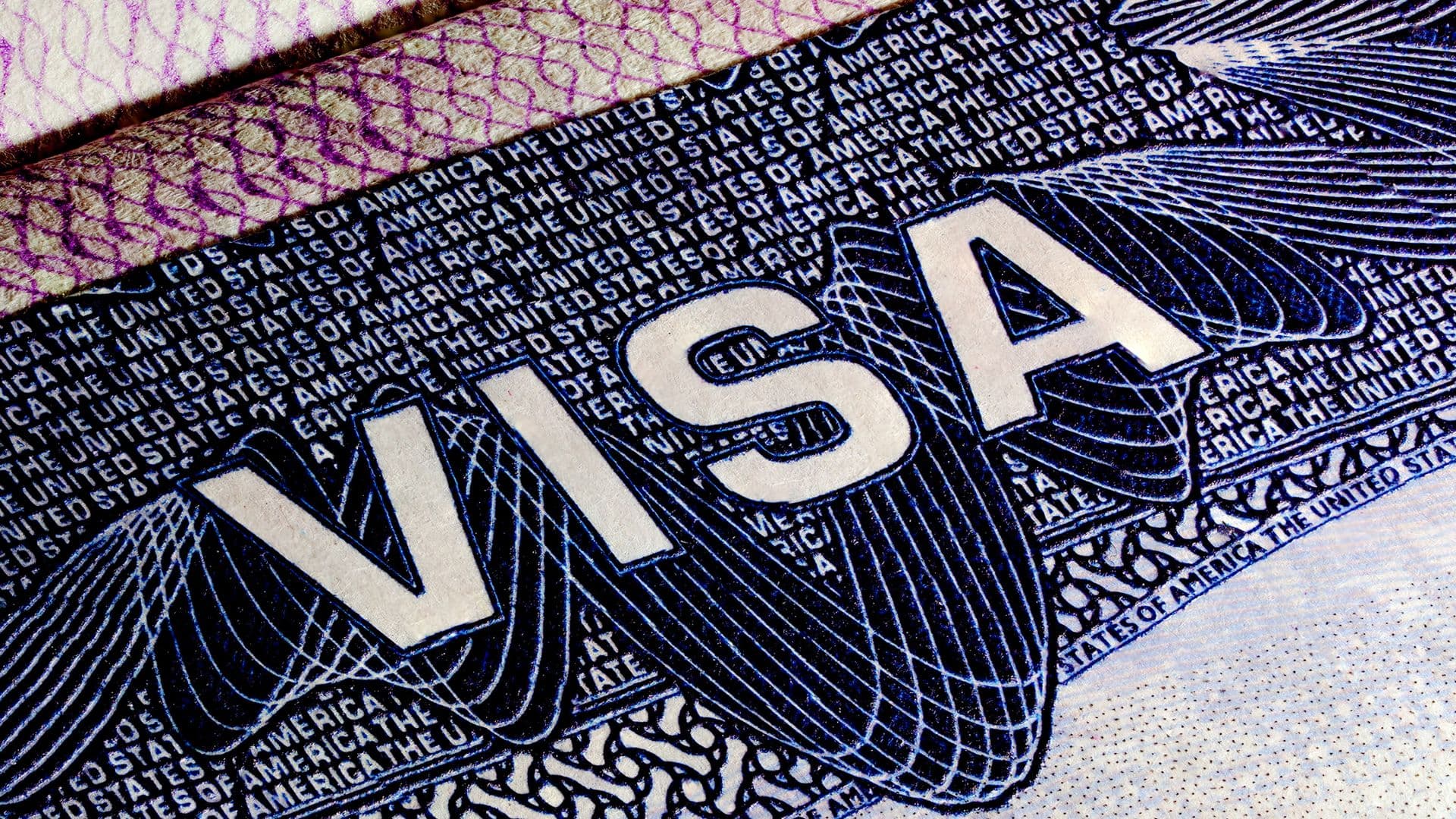
Yaar, for all Indian passport holders, it's pakka: you definitely need a visa to enter Guatemala. There's no provision for visa-free entry or visa-on-arrival for us, so plan accordingly. This isn't one of those 'chalta hai' situations where you can just land up.
The application typically needs to be made at a Guatemalan embassy or consulate. Since there isn't a Guatemalan embassy in India, you'll likely have to do some jugad and apply through their missions in neighbouring countries, or in places like Thailand, the US, or the UK, which means a bit more planning and paperwork, boss.
Source: fly2globe
Confidence: 0.98
Update cycle: Annually or as policies change
Make sure your passport is absolutely valid for at least six (6) months beyond your intended date of departure from Guatemala. This is a pretty standard international travel rule, so no tension nahin, just ensure your passport isn't expiring anytime soon after your trip.
It's always a good idea to double-check this well before your travel dates, as airlines might deny boarding if your passport doesn't meet this requirement. Don't want any last-minute drama at the airport, right?
Source: amazon
Confidence: 0.95
Update cycle: Annually (standard international practice)
If you're just transiting through Guatemala and staying within the international transit area of the airport, without passing through immigration, you might not require a full visa. However, if your transit involves changing airports, an overnight stay, or any scenario where you need to officially enter Guatemala, a full visa is absolutely necessary.
Given the general visa requirement for Indians, it's always best to be on the safer side. Confirm the specific transit rules with your airline and the nearest Guatemalan embassy well in advance, yaar, to avoid any unexpected hiccups on your journey.
Source: tpt
Confidence: 0.92
Update cycle: Annually or as policies change
Good news, there's no separate electronic travel authorization (ETA) system for Guatemala, similar to what some countries like the US or Canada have. So, no need for any extra online applications or pre-arrival registrations besides your main visa application, boss.
Your focus should solely be on securing the necessary traditional visa through their embassy or consulate. No extra online jugad is required for this part of your travel planning.
Source: istock
Confidence: 0.96
Update cycle: Annually

Forget about searching for an eVisa link, yaar. Guatemala does not currently offer an eVisa facility for Indian citizens. All visa applications must be submitted through the traditional consular process.
This means you'll have to go the old-school route, applying either in person or by mail to a Guatemalan embassy or consulate that handles applications from India. There's no online portal for us to apply for a visa to Guatemala, so no digital jugad here.
Source: trading-view
Confidence: 0.97
Update cycle: Annually or as policies change
Health & Safety Tips for guatemala
For immediate assistance in Guatemala, crucial emergency numbers include the National Civil Police (PNC) at 110, the Volunteer Firefighters (Bomberos Voluntarios) at 122, and the Municipal Firefighters (Bomberos Municipales) at 123. For medical emergencies and ambulance services, the Red Cross (Cruz Roja) can be reached at 128, though fire services (122/123) often also provide ambulance support.
A particularly valuable resource for international tourists is ASISTUR (Tourist Assistance), reachable by dialing 1500. This dedicated service provides support, information, and assistance to travelers facing various issues, including emergencies, theft, or needing general guidance, and is staffed by bilingual personnel.
It is highly recommended to save these numbers in your mobile phone and have them written down in a safe place. When calling, try to provide your exact location and a clear description of the situation. Be aware that Spanish is the primary language for emergency services, so having a few key phrases or a translation app ready can be beneficial.
Source: U.S. Embassy in Guatemala, ASISTUR, various travel guides
Confidence: 0.95
Update cycle: As needed
Traveler's diarrhea is a common ailment in Guatemala, primarily caused by contaminated food and water. To minimize risks, drink only bottled, boiled, or chemically treated water, and avoid ice unless you are certain it's made from purified water. Be cautious with street food, opting for establishments with high turnover and visible hygiene practices, and ensure all food is thoroughly cooked. Always peel raw fruits and vegetables yourself.
Mosquito-borne illnesses like Dengue, Chikungunya, and Zika are prevalent, especially in lower altitude and coastal regions. Protect yourself by using insect repellent containing DEET, picaridin, or oil of lemon eucalyptus, wearing long-sleeved shirts and long pants, particularly during dawn and dusk, and sleeping under mosquito nets if your accommodation does not have screened windows or air conditioning.
Visitors to highland areas such as Lake Atitlán and parts of the Western Highlands (e.g., Quetzaltenango) may experience mild altitude sickness. Acclimatize gradually by taking it easy for the first few days, staying well-hydrated, and avoiding alcohol or strenuous activity upon arrival. Additionally, the sun can be very strong, especially at higher altitudes, so use high-SPF sunscreen, wear a wide-brimmed hat, and sunglasses.

Source: CDC, WHO, U.S. State Department Travel Advisories
Confidence: 0.9
Update cycle: Regularly reviewed
Before traveling to Guatemala, ensure all your routine vaccinations are up-to-date. This includes Measles, Mumps, Rubella (MMR), Diphtheria, Tetanus, Pertussis (DTaP), Polio, and your annual flu shot. These foundational immunizations are crucial for protecting against common diseases you might encounter anywhere, including during international travel.
For most travelers, recommended vaccinations include Hepatitis A and Typhoid, which are primarily spread through contaminated food and water. Depending on your travel plans, length of stay, and activities, Hepatitis B and Rabies vaccinations might also be advised, especially for those planning prolonged stays, frequent travel to rural areas, or engaging in activities that might involve close contact with animals.
A Yellow Fever vaccination is generally only required if you are arriving from a country with a risk of Yellow Fever transmission. It's imperative to consult with a healthcare provider or a specialized travel clinic at least 4-6 weeks before your trip. They can provide personalized recommendations based on your itinerary, medical history, and current global health advisories.

Source: CDC, WHO, National Health Services (NHS) UK
Confidence: 0.9
Update cycle: Regularly reviewed
Connectivity & Mobility in guatemala
Seamless Coverage with Top Carriers
Guatemala's mobile network coverage is primarily provided by major carriers like Tigo and Claro, offering extensive 4G LTE service across urban centers, popular tourist destinations, and main transportation routes. While physical SIM cards are readily available for purchase from these local providers upon arrival, travelers seeking convenience might explore eSIM options; for instance, prune offers eSIM plans that leverage the robust networks of these local carriers, providing a digital alternative for staying connected throughout the country. However, coverage can become sporadic in remote, mountainous, or less populated rural areas, so it's advisable to check specific coverage maps for your intended travel regions.
Source: https://www.tigo.com.gt/cobertura
Confidence: 0.9
Update Cycle: 6 months

Prepaid SIM Avg Price
For tourists in Guatemala, acquiring a local prepaid SIM card from major carriers like Tigo or Claro is straightforward and generally affordable. An initial SIM card purchase typically costs around Q10-Q20 (approximately $1.30-$2.60 USD), with various prepaid data and call packages available. A common tourist-oriented bundle, offering sufficient data for a week or two (e.g., 2GB-5GB), can range from Q30-Q75 (approximately $3.90-$9.75 USD), depending on the carrier and specific inclusions. These packages provide good value for staying connected, and travelers can easily top up credit as needed from numerous vendors. For those preferring the flexibility of digital connectivity, https://prune.co.in/ often has competitive pricing for eSIM plans.
Source: https://www.tigo.com.gt/paquetes-prepago/
Confidence: 0.85
Update Cycle: 3-6 months

Metro & Transit Coverage
Mobile network coverage in Guatemala's major metropolitan areas and along key transit routes is generally robust, with widespread 4G LTE services ensuring reliable internet access and communication. Both Tigo and Claro have significantly invested in their networks, providing high-quality connectivity in cities like Guatemala City and Antigua Guatemala, which also benefit from expanding 5G network availability. Beyond these major hubs, departmental capitals such as Quetzaltenango (Xela) and Flores (near Tikal) also boast strong 4G LTE coverage, catering well to the needs of travelers and residents alike. While 5G is still primarily concentrated in the largest urban centers, 4G LTE remains the dominant and reliable standard across most well-trafficked areas.
Source: https://www.tigo.com.gt/noticias/tigo-lanza-su-red-5g-en-guatemala/
Confidence: 0.9
Update Cycle: 6 months

Money & Daily Life in guatemala
Currency
The official currency of Guatemala is the Quetzal (GTQ), named after the country's national bird. It is subdivided into 100 centavos and symbolized by 'Q'. While US dollars may be accepted in some major tourist areas and larger establishments, especially for higher-value transactions, it is highly recommended to primarily use Quetzales for daily expenses. Exchange rates are generally more favorable when dealing in Quetzales, and using local currency facilitates transactions at smaller shops, markets, and for public transport. ATMs are widely available in cities and larger towns for convenient cash withdrawals.
Source: Banco de Guatemala, Lonely Planet
Confidence: 0.95
Update Cycle: As needed

Tipping culture
Tipping is customary in Guatemala, particularly within the tourism and service sectors. In restaurants, a 10% service charge is often already included in the bill; if not, a tip of 10-15% is appropriate for good service. For tour guides, a tip ranging from Q30-Q100 per person per day is a general guideline, depending on the duration and quality of the tour. Hotel porters appreciate Q10-Q20 per bag, and housekeepers can be tipped Q10-Q20 per day. While taxi drivers typically do not expect a tip for standard fares, rounding up the fare or offering a small amount (Q5-Q10) is a kind gesture for exceptional service or assistance with luggage.
Source: Travel blogs, Fodor's Travel
Confidence: 0.9
Update Cycle: As needed

Credit cards
Major credit cards, primarily Visa and MasterCard, are accepted in larger hotels, upscale restaurants, supermarkets, and established businesses within cities and prominent tourist destinations across Guatemala. However, for transactions at smaller shops, local markets, street vendors, and businesses in rural or less developed regions, cash (Quetzales) is almost exclusively required. ATMs are readily available in urban centers and larger towns for cash withdrawals, but it's advisable to inform your bank of your travel plans to prevent card suspension due to unusual activity. Be aware of potential foreign transaction fees from your bank and local ATM withdrawal charges.
Source: U.S. State Department, World Nomads
Confidence: 0.9
Update Cycle: As needed

Plug/Voltage
In Guatemala, the standard voltage is 120V, and the frequency is 60Hz. The electrical outlets primarily use Type A (two flat parallel pins) and Type B (two flat parallel pins and a round grounding pin) plugs. This is identical to the electrical standards used in the United States and Canada, meaning travelers from these regions typically will not need a voltage converter or an adapter. Visitors from other parts of the world will likely need a travel adapter for their devices and potentially a voltage converter if their appliances are not dual-voltage compatible.
Source: WorldStandards.eu, Travel Adapter Guides
Confidence: 0.95
Update Cycle: Regularly reviewed

Local language(s)
The official language of Guatemala is Spanish, spoken by the vast majority of the population and used in government, education, and commerce. However, Guatemala is a linguistically rich country, recognizing over 20 indigenous languages, predominantly from the Mayan family, such as K'iche', Kaqchikel, Mam, and Q'eqchi', which are actively spoken in various regions. While Spanish is sufficient for travel in most tourist areas, learning a few basic Spanish phrases will greatly enhance your experience and is often appreciated by locals. English is spoken by staff in many major hotels, tour operators, and some businesses catering to international tourists, particularly in popular destinations.
Source: Ethnologue, Guatemalan Ministry of Culture and Sports
Confidence: 0.95
Update Cycle: As needed

Weather and Seasonal Guide for Guatemala
Best time to visit
November to May
The dry season, from November to May, offers the most pleasant weather conditions for visiting Guatemala, with clear skies, minimal rain, and comfortable temperatures. While December to March is popular, the shoulder months of November and May often provide excellent weather with fewer tourist crowds, making it ideal for exploring all regions.
Avg temp(april)
22°C
This month sees warmer temperatures as the dry season peaks, with the possibility of early afternoon showers towards the end. Still great for travel, especially before the main rainy season. Semana Santa is a major event.
Source: Instituto Guatemalteco de Turismo (INGUAT)
Confidence: 0.95
Update Cycle: Every 12 months
Destination Summary
guatemala
Guatemala captivates with its ancient Mayan ruins, including Tikal, majestic volcanoes, and vibrant indigenous culture. Explore colorful colonial towns like Antigua and stunning natural landscapes around Lake Atitlán.
CATEGORY
Central America
LANGUAGES
Spanish
SPECIAL RULES
Most nationalities (including US, EU, UK, Canada, Australia) can enter visa-free for up to 90 days as part of the CA-4 agreement. Right-hand traffic applies. Always exercise caution regarding personal safety and respect local customs.
>
Average Flight Times from india to guatemala
Delhi (DEL)
Indira Gandhi International Airport
Guatemala City (GUA)
La Aurora International Airport
Duration
28 hr 30 min
Flight Type
2 Stops
Airlines
SWISS,
American Airlines
Mumbai (BOM)
Chhatrapati Shivaji Maharaj International Airport
Guatemala City (GUA)
La Aurora International Airport
Duration
30 hr 15 min
Flight Type
2 Stops
Airlines
Qatar Airways,
United
Bengaluru (BLR)
Kempegowda International Airport
Guatemala City (GUA)
La Aurora International Airport
Duration
32 hr 40 min
Flight Type
2 Stops
Airlines
Emirates,
United
Chennai (MAA)
Chennai International Airport
Guatemala City (GUA)
La Aurora International Airport
Duration
33 hr 55 min
Flight Type
2 Stops
Airlines
British Airways,
American Airlines
Why Customers Love Prune?
Instant internet on landing
Get connected the moment your plane touches down. No waiting, no hassle.
Save 80% vs roaming
Keep your travel budget intact with rates that crush traditional roaming fees.
Keep WhatsApp & OTP access
Stay reachable for messages, verifications, and two-factor codes wherever you are.
Works across regions
One eSIM covers multiple countries so you travel without swapping cards.
Setup in 2 minutes
Scan, activate, and go. It's that simple — no store visits needed.
24/7 support
Real humans ready to help you anytime, anywhere in the world.