Trusted by Millions of Travelers
Instant Activation
Save up to 90% on roaming
Leading Network Partners
Bolivia eSIM

Tigo LTE
If you're running low, you can always Top up
The package starts when you connect to a supported network

Data
Choose your package
7 Days
1 GB
₹ 1085.00 INR
15 Days
2 GB
₹ 2072.00 INR
30 Days
3 GB
₹ 2961.00 INR
5 GB
₹ 1480.00 INR
10 GB
₹ 2467.00 INR
Essential Facts for Visiting Bolivia
Good news for Indian tourists planning a trip to Bolivia! Indian citizens are categorized under 'Grupo II', which means a visa is indeed required. However, a significant convenience is that you can obtain a Visa on Arrival (VoA) at Bolivian border crossings and international airports. This is a *badi baat* (big deal) as it simplifies the process considerably.
For the VoA, ensure you carry a passport valid for at least six months, a return flight ticket, proof of sufficient funds (e.g., bank statements, credit card copies), hotel reservations or an invitation letter, a recent passport-sized photo, and a completed visa application form. A Yellow Fever vaccination certificate is also often mandatory if you're coming from or have transited through an endemic region. Alternatively, you can apply for an eVisa online or a traditional visa at a Bolivian consulate in advance if you prefer to have everything sorted before you leave.
Source: fly2globe
Confidence: 0.95
Update cycle: Annually or as policy changes
This is a *pakka* (definite) requirement for any international travel, and Bolivia is no exception. Your passport must be valid for at least six months beyond your intended date of departure from Bolivia. It's always a smart move to have ample validity, just in case your travel plans extend unexpectedly.
Ensure your passport has sufficient blank pages for entry and exit stamps. If your passport is nearing its expiry within the six-month window, it's highly advisable to renew it before you travel to avoid any last-minute *panga* (hassle) at immigration.
Source: amazon
Confidence: 0.98
Update cycle: Annually
If you're merely transiting through a Bolivian airport and do not intend to leave the international transit area, then *koi tension nahi* (no worries), a separate transit visa is generally not required. You'll simply remain within the sterile zone of the airport.
However, if your transit involves clearing immigration, changing airports, or an extended layover that requires you to enter Bolivia, even for a short duration, you will need to meet the requirements for a tourist visa. This means you can either apply for the Visa on Arrival (VoA) at the airport or have an eVisa ready, just as if you were visiting the country.
Source: tpt
Confidence: 0.9
Update cycle: Bi-annually
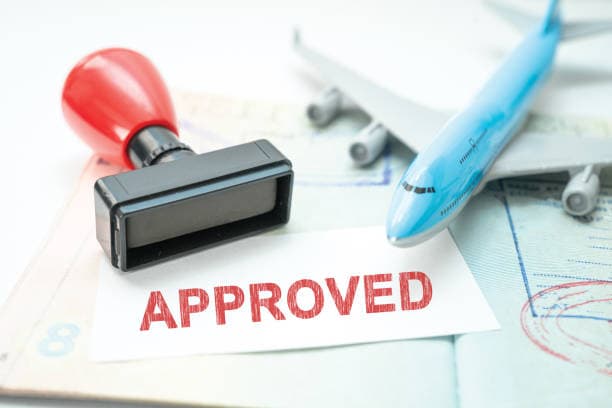
As of now, there isn't a specific pre-travel authorization system like an ESTA or ETA required for Indian citizens visiting Bolivia, beyond the visa itself. Your visa (either VoA or eVisa) serves as your primary authorization to enter the country.
However, it's always prudent to check the latest health advisories closer to your travel date. While most COVID-related entry restrictions have been lifted, ensure you have your Yellow Fever vaccination certificate, as it's a critical health requirement, especially if you're traveling from or through a country where Yellow Fever is endemic.
Source: istock
Confidence: 0.85
Update cycle: Quarterly or as health situations evolve

For those who prefer to get their visa sorted before arriving, Bolivia offers an eVisa option. This is a convenient *jugaad* (clever solution) to streamline your entry process. You can apply for the electronic visa through the official government portal, making the application process *fatafat* (quickly) and easy from the comfort of your home.
The official eVisa application portal is managed by the Ministry of Foreign Affairs of Bolivia. Ensure you use this official source to avoid any fraudulent websites. The link is: https://www.cancilleria.gob.bo/webmre/visa-electronica. Be ready with scanned copies of your documents, including your passport, photo, flight and hotel bookings, and the Yellow Fever certificate.
Source: trading-view
Confidence: 0.98
Update cycle: Annually
Health & Safety Tips for bolivia
In Bolivia, the primary emergency numbers are: Police (Policía) at 110, Fire Department (Bomberos) at 119, and Ambulance (Ambulancia) at 160. These numbers are generally accessible throughout the country, but response times can vary, especially outside major urban centers.
For specific tourist-related incidents or assistance, some larger cities like La Paz may have dedicated 'Tourist Police' units, though 110 remains the general police contact. It is highly advisable for international visitors to also have the contact information for their respective embassy or consulate in Bolivia readily available.
Always ensure your phone is charged and consider carrying a local SIM card for easier communication. When in remote areas, be aware that cell service may be limited or non-existent. It's also wise to share your itinerary with someone reliable and carry copies of important documents, keeping originals secured.
Source: U.S. Embassy in Bolivia, UK FCDO Travel Advice
Confidence: 0.95
Update cycle: Annually/As needed
A major health concern for visitors to Bolivia is altitude sickness (Soroche), particularly in cities like La Paz, El Alto, and Potosí, which are at very high elevations. Symptoms can include headache, nausea, dizziness, and fatigue. It is crucial to ascend slowly, hydrate well, avoid alcohol and strenuous activity upon arrival, and consult a doctor about preventative medication like Diamox.
Traveler's diarrhea is common, so exercise caution with food and water. Drink only bottled or purified water, avoid ice, uncooked fruits and vegetables (unless peeled by yourself), and street food. In tropical lowland areas (e.g., Santa Cruz, Beni, Pando), mosquito-borne diseases such as Dengue, Chikungunya, Zika, and Malaria are prevalent; use insect repellent, wear protective clothing, and consider antimalarial medication.
Rabies is present in Bolivia, so avoid contact with stray animals. Medical facilities, especially outside major cities, can be limited and may not meet international standards. Comprehensive travel insurance that includes medical evacuation is strongly recommended to cover potential emergencies.

Source: Centers for Disease Control and Prevention (CDC), World Health Organization (WHO), UK FCDO
Confidence: 0.95
Update cycle: Regularly/As needed
A Yellow Fever vaccination certificate is required for all travelers aged 9 months or older arriving from, or transiting through, countries with a risk of Yellow Fever transmission. It is also highly recommended for all travelers visiting tropical lowland areas of Bolivia (e.g., departments of Beni, Pando, Santa Cruz, and parts of Cochabamba and La Paz departments at elevations below 2,300 meters), even if not strictly required for entry based on your origin country.
Ensure your routine vaccinations are up-to-date, including Measles, Mumps, Rubella (MMR), Diphtheria, Tetanus, Pertussis (DTP), and Polio. Additionally, Hepatitis A and Typhoid vaccines are strongly recommended for most travelers, especially those planning to eat outside major restaurants or visit rural areas.
Depending on your travel itinerary and activities, other recommended vaccinations may include Hepatitis B (for longer stays or potential exposure to bodily fluids) and Rabies (if you plan to engage in outdoor activities, work with animals, or visit remote areas where medical access is limited). Always consult with a travel health professional at least 4-6 weeks before your trip.

Source: Centers for Disease Control and Prevention (CDC), World Health Organization (WHO)
Confidence: 0.95
Update cycle: Annually/As needed
Connectivity & Mobility in bolivia
Extensive Coverage with Leading Operators
Mobile network coverage in Bolivia is robust in major urban centers and along key travel routes, primarily supported by leading operators like Entel, Tigo, and Viva. Entel, being state-owned, often boasts the most extensive reach, including some more remote areas, while Tigo and Viva provide strong coverage in cities and towns. For tourists, physical SIM cards are widely available, offering access to these networks. Additionally, global eSIM providers like prune leverage these local networks to offer seamless connectivity, providing a convenient alternative for travelers without the need for a physical SIM swap. However, connectivity can become sparse in very remote or mountainous regions.
Source: https://www.att.gob.bo/index.php/telecomunicaciones-y-transportes/estadisticas-del-sector
Confidence: 0.95
Update Cycle: 3 months

Affordable Prepaid SIM Options
For tourists visiting Bolivia, prepaid SIM cards are an economical and accessible option for mobile connectivity. A basic SIM card itself can cost as little as 10-20 Bolivian Bolivianos (BOB), with various data packages available to suit different needs. For example, a tourist can typically find packages offering 5-10 GB of data valid for a week or two, ranging from 30 to 70 BOB (approximately 4 to 10 USD). These packages are easily purchased at official carrier stores, kiosks, and sometimes at airports. It's advisable to check the latest promotions directly with major carriers like Entel, Tigo, or Viva upon arrival. For those preferring digital solutions, https://prune.co.in/ often has competitive pricing for eSIM plans that utilize these local networks.
Source: https://www.entel.bo/personas/recargas-y-activaciones/paquetes-de-internet
Confidence: 0.9
Update Cycle: 3-6 months

Robust 4G/5G in Urban Hubs
Mobile network coverage in Bolivia's major metropolitan areas is generally strong, with widespread 4G/LTE connectivity offering reliable speeds for internet browsing, streaming, and communication. Major cities such as La Paz, Santa Cruz de la Sierra, and Cochabamba benefit from robust 4G/LTE infrastructure provided by all main operators. Furthermore, 5G services are progressively being rolled out in these key urban centers by carriers like Entel and Tigo, enhancing data speeds and capacity for residents and tourists alike. While 5G is still in its nascent stages of deployment, 4G/LTE provides excellent quality and coverage throughout the urban sprawl, ensuring tourists stay connected.
Source: https://www.att.gob.bo/index.php/telecomunicaciones-y-transportes/estadisticas-del-sector
Confidence: 0.95
Update Cycle: 3 months

Money & Daily Life in bolivia
Currency
The official currency of Bolivia is the Bolivian Boliviano (BOB). While US dollars may be accepted in some larger hotels, tourist establishments, and for certain high-value purchases in major cities, it is always best to have Bolivianos for daily transactions, especially outside urban centers. Exchange houses (casas de cambio) are common in cities for changing foreign currency, and ATMs are widely available in urban areas, dispensing Bolivianos.
Source: Central Bank of Bolivia, XE.com
Confidence: 0.95
Update Cycle: Annually

Tipping culture
Tipping in Bolivia is generally appreciated but not as mandatory or as high as in some Western countries. In restaurants, a 5-10% tip is suitable for good service, especially if a service charge is not already included in the bill. For taxi drivers, it is not customary to tip, but rounding up the fare to the nearest Boliviano is common. For tour guides and porters, a tip is expected and highly valued, with the amount depending on the length and quality of the service provided.
Source: Lonely Planet, Fodor's Travel Guides
Confidence: 0.9
Update Cycle: Annually

Credit cards
Credit cards, primarily Visa and MasterCard, are accepted in larger hotels, upscale restaurants, and some major supermarkets in Bolivia's main cities and popular tourist destinations. However, their use is much less prevalent outside these urban centers, where cash is overwhelmingly preferred for most transactions. Always carry sufficient local currency, especially when traveling to smaller towns, rural areas, or visiting local markets. ATMs are readily available in cities for cash withdrawals, but be aware of potential foreign transaction fees and daily limits.
Source: Travel guides (e.g., Lonely Planet, Rough Guides)
Confidence: 0.9
Update Cycle: Annually

Plug/Voltage
Bolivia primarily uses a voltage of 220-230V and a frequency of 50Hz. The most common power outlet types are Type A (two flat parallel pins, similar to ungrounded North American plugs) and Type C (two round pins, common in Europe). Travelers from countries with different voltage standards (e.g., 110-120V) will require a voltage converter for their appliances, and all international visitors should bring a universal travel adapter to ensure compatibility with the local outlets.
Source: WorldStandards.eu
Confidence: 0.98
Update Cycle: Stable

Local language(s)
Bolivia is a multi-ethnic and multilingual country with 37 official languages recognized by its constitution. Spanish is the most widely spoken and official language, used in government, media, and education across the country. Additionally, indigenous languages such as Quechua and Aymara are prominent, particularly in the Andean highlands, and Guarani in certain eastern regions. While some English may be spoken by staff in major tourist centers and larger hotels, it is advisable for visitors to learn some basic Spanish phrases for easier communication, especially when venturing outside the main tourist hubs.
Source: Bolivian Constitution, Ethnologue
Confidence: 0.98
Update Cycle: Stable

Weather and Seasonal Guide for Bolivia
Best time to visit
May to October
This period marks Bolivia's dry season, offering clear skies, abundant sunshine, and easier travel conditions across the country. It's ideal for exploring the Andean highlands, including the Uyuni Salt Flats, and for wildlife viewing in the Amazon basin, as rainfall is minimal. While days are generally pleasant, nights, especially in high-altitude regions, can be very cold.
Avg temp(april)
16°C to 22°C
A shoulder month with improving weather as the dry season approaches. Less rain overall, making travel easier. Temperatures are generally mild and pleasant across most regions, with cooler nights in the Andes.
Source: Bolivia Tourism Board
Confidence: 0.9
Update Cycle: Every 12 months
Destination Summary
bolivia
Bolivia is a South American gem offering incredible geographic diversity, from the high Andes and the vast Salar de Uyuni salt flats to the Amazon basin. It boasts a rich indigenous culture, vibrant colonial cities, and breathtaking natural wonders like Lake Titicaca.
CATEGORY
South America
LANGUAGES
Spanish, Quechua, Aymara
SPECIAL RULES
Visa requirements vary by nationality; many can enter visa-free for up to 90 days, while others may require a visa on arrival or in advance. Be prepared for high altitudes, especially in Andean regions, and remember traffic drives on the right.
>
Average Flight Times from india to bolivia
Delhi (DEL)
Indira Gandhi International Airport
Santa Cruz (VVI)
Viru Viru International Airport
Duration
34 hr 05 min
Flight Type
2 Stops
Airlines
Emirates,
LATAM Airlines,
Boliviana de Aviación
Mumbai (BOM)
Chhatrapati Shivaji Maharaj International Airport
La Paz (LPB)
El Alto International Airport
Duration
37 hr 10 min
Flight Type
2 Stops
Airlines
Turkish Airlines,
Avianca
Bengaluru (BLR)
Kempegowda International Airport
Cochabamba (CBB)
Jorge Wilstermann International Airport
Duration
35 hr 40 min
Flight Type
2 Stops
Airlines
Qatar Airways,
LATAM Airlines,
Boliviana de Aviación
Chennai (MAA)
Chennai International Airport
Santa Cruz (VVI)
Viru Viru International Airport
Duration
36 hr 25 min
Flight Type
2 Stops
Airlines
Lufthansa,
LATAM Airlines,
Boliviana de Aviación
Why Customers Love Prune?
Instant internet on landing
Get connected the moment your plane touches down. No waiting, no hassle.
Save 80% vs roaming
Keep your travel budget intact with rates that crush traditional roaming fees.
Keep WhatsApp & OTP access
Stay reachable for messages, verifications, and two-factor codes wherever you are.
Works across regions
One eSIM covers multiple countries so you travel without swapping cards.
Setup in 2 minutes
Scan, activate, and go. It's that simple — no store visits needed.
24/7 support
Real humans ready to help you anytime, anywhere in the world.