Traveling Abroad?
Traveling from hungary? Find the Best eSIM for Your Next Destination
Choose from 200+ countries and save up to 90% on roaming
Trusted by Millions of Travelers
Instant Activation
Save up to 90% on roaming
Leading Network Partners

Hungary eSIM

Yettel (Telenor) LTE
+1 others
If you're running low, you can always Top up
The package starts when you connect to a supported network

Data
Choose your package
7 Days
1 GB
₹ 217.00 INR
15 Days
2 GB
₹ 325.00 INR
30 Days
3 GB
₹ 394.00 INR
5 GB
₹ 493.00 INR
10 GB
₹ 690.00 INR
20 GB
₹ 1085.00 INR
Essential Facts for Visiting hungary
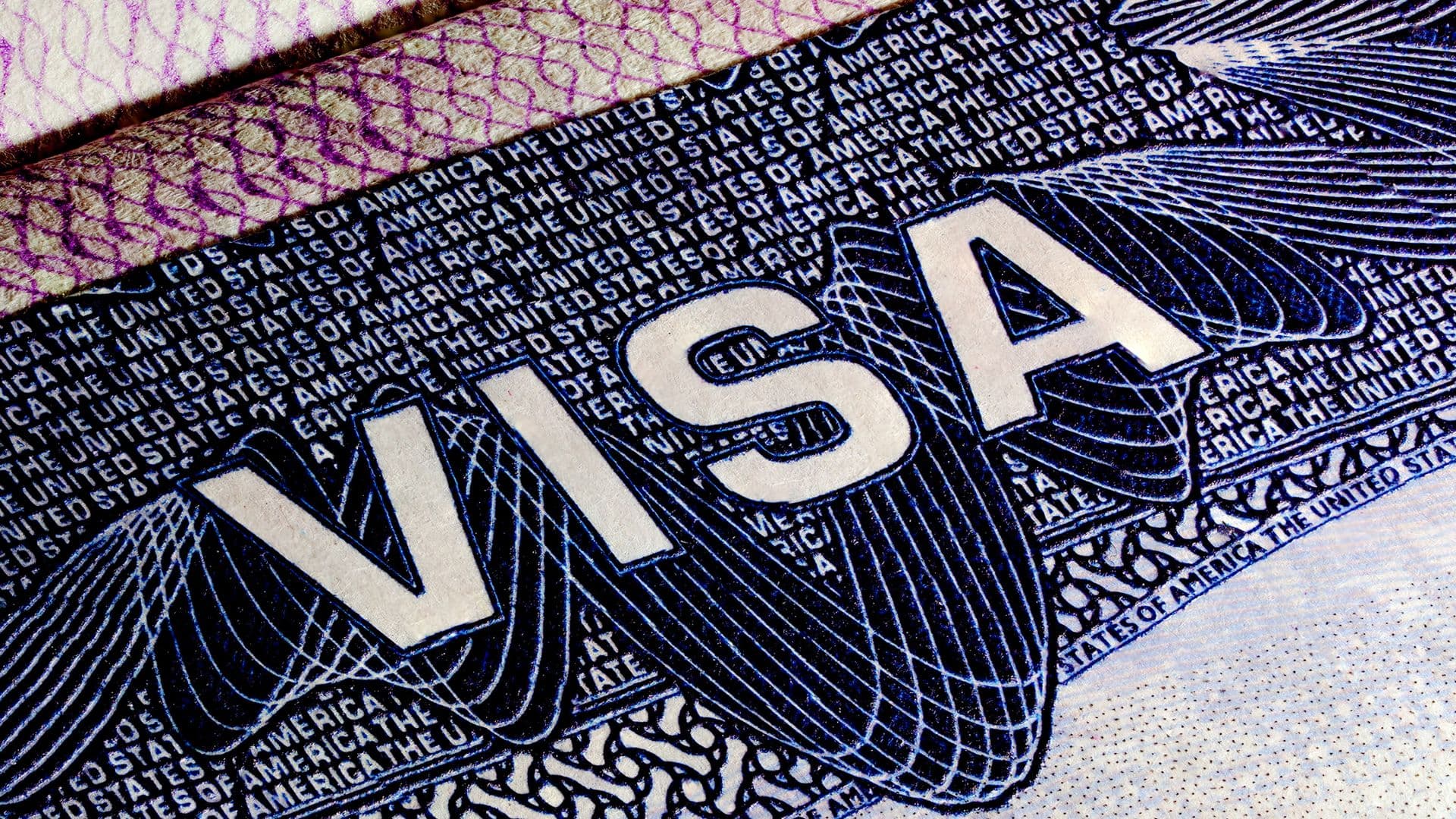
For all you folks from India dreaming of a Hungarian escapade, listen up! A Schengen visa is pakka required to enter Hungary. This isn't one of those 'chalta hai' situations; it's a must-have for your travel plans. Hungary is part of the Schengen Area, so a single Schengen visa allows you to travel across all 27 member states for short stays, typically up to 90 days within any 180-day period.
The application process usually involves applying through VFS Global, which handles visa applications on behalf of the Hungarian Embassy or Consulate in India. You'll need to submit documents like your passport, visa application form, flight itinerary, accommodation proof, travel insurance, and financial stability proof. Make sure all your documents are in order, otherwise, it can be a real panga at the application centre.
Source: fly2globe
Confidence: 1
Update cycle: Regularly (as per Schengen regulations)
Your Indian passport needs to be in tip-top shape, my friend! It must be valid for at least three months beyond your intended date of departure from the Schengen area. So, if you're planning to leave Hungary on, say, December 1st, your passport should be valid until at least March 1st of the following year. Don't try any jugaad with an expiring passport, it won't fly!
Additionally, your passport should have been issued within the last 10 years and contain at least two blank pages for the visa sticker and entry/exit stamps. It's always a good idea to have a bit of extra validity, just for that extra tension nahi travel experience, in case your plans extend a bit.
Source: amazon
Confidence: 1
Update cycle: Stable

Transiting through Hungary can be a bit tricky, but generally, if you're an Indian citizen and your layover is just a short hop where you stay within the international transit area of the airport and don't plan to cross immigration, you likely won't need a separate Airport Transit Visa (ATV). This is usually the case if your connecting flight is also to a non-Schengen destination. So, no panga if you're just changing planes airside.
However, if your transit involves changing terminals that require you to exit the international zone, or if your onward flight is to another Schengen country, then you will absolutely need a full Schengen visa. It's always best to double-check with your airline and the Hungarian Embassy/Consulate well in advance to avoid any last-minute surprises or 'chalta hai' moments at the airport!
Source: tpt
Confidence: 0.95
Update cycle: Stable (part of Schengen Visa Code)
Good news, folks – the ETIAS (European Travel Information and Authorisation System) is abhi tak not active for Indian citizens planning a trip to Hungary or the wider Schengen area. This new system, which will be similar to the ESTA for the USA, is currently slated to become operational sometime in mid-2025. So, for now, your existing Schengen visa requirements remain the same.
Once ETIAS is implemented, Indian travellers who are visa-exempt for short stays (which currently is not the case for Indians) would need to apply for this travel authorization online. But since Indians currently need a full Schengen visa, the ETIAS won't be a direct replacement; it's for nationalities who are visa-free. So, for now, just focus on getting your Schengen visa sorted, and you'll be mast!
Source: istock
Confidence: 1
Update cycle: As announced by EU authorities

Hold up, if you're looking for an 'online jugaad' for a Hungarian eVisa as an Indian citizen, you might be out of luck for short-stay Schengen visas. Currently, Hungary, like other Schengen countries, does not offer an eVisa option for Indian passport holders. You'll need to go through the traditional application process to get a sticker visa placed in your passport.
The official process involves applying through VFS Global, which manages visa applications on behalf of the Hungarian Embassy/Consulate in India. You can find detailed information and book an appointment on the VFS Global Hungary website: https://visa.vfsglobal.com/ind/en/hun/. Remember, it's a seedha application process with document submission and an interview, so plan accordingly!
Source: trading-view
Confidence: 1
Update cycle: Stable
Health & Safety Tips for hungary
For general emergencies in Hungary, the universal European emergency number 112 is active and connects you to all essential services, including police, ambulance, and fire departments. This number is free to call from any phone, including mobile phones, and operators often speak English.
In addition to 112, specific emergency numbers are also available for direct contact: dial 104 for an ambulance, 107 for the police, and 105 for the fire brigade. It's advisable to have these numbers saved or easily accessible, especially if you anticipate needing a specific service quickly.
When making an emergency call, try to remain calm and clearly state your location, the nature of the emergency, and any specific details that might be helpful. Be prepared to provide your name and contact number. Ensure your mobile phone is charged, and consider carrying a portable charger for emergencies.
Source: Official Government Sources (e.g., U.S. Embassy in Hungary, Hungarian Government)
Confidence: 0.98
Update cycle: Infrequent
Tap water in Budapest and other major Hungarian cities is generally considered safe to drink; however, if you have a sensitive stomach or prefer, bottled water is widely available. Food safety standards are good, but as with any travel, it's wise to exercise caution with street food or less reputable establishments, and always ensure food is cooked thoroughly.
During the warmer months, particularly from spring to autumn, travelers venturing into rural or forested areas should be aware of the risk of tick-borne diseases, including Tick-borne encephalitis (TBE) and Lyme disease. Taking precautions such as wearing long sleeves and trousers, using insect repellent, and checking for ticks after outdoor activities is recommended.
It is highly advisable to have comprehensive travel insurance that covers medical emergencies and evacuation. Pharmacies (gyógyszertár) are common in urban areas, and major hospitals are well-equipped, especially in Budapest. Carry any necessary prescription medications in their original packaging with a doctor's note.

Source: International Health Organizations (e.g., CDC, WHO), Reputable Travel Guides
Confidence: 0.92
Update cycle: Frequent
For most international tourists, no specific vaccinations are *required* for entry into Hungary. However, it is strongly recommended to ensure that all routine vaccinations, such as those for measles, mumps, rubella (MMR), diphtheria, tetanus, pertussis (DTaP), varicella (chickenpox), polio, and your annual flu shot, are up-to-date.
Depending on your travel itinerary, planned activities, and personal health, certain additional vaccinations may be recommended. These often include Hepatitis A and Hepatitis B. For travelers planning extensive outdoor activities or prolonged stays in rural, forested areas, especially during spring and summer, vaccinations for Tick-borne encephalitis (TBE) and rabies might be advised.
Always consult with a healthcare professional or a specialized travel clinic at least 4-6 weeks before your trip to discuss your individual health needs and receive personalized vaccination recommendations based on your specific travel plans and medical history. Additionally, always check the latest official government travel advisories for any updated health or entry requirements, particularly concerning global health events like COVID-19.

Source: International Health Organizations (e.g., CDC, WHO), National Travel Health Network and Centre (NaTHNaC)
Confidence: 0.93
Update cycle: Frequent
Connectivity & Mobility in hungary
Seamless Coverage with Top Carriers
Hungary offers extensive mobile network coverage, with 4G/LTE services widely available across the country, ensuring reliable connectivity for tourists. Major operators like Telekom, Vodafone, and Yettel provide robust networks, particularly in urban areas and along main transportation routes. 5G coverage is also rapidly expanding in larger cities. Both physical SIM cards and eSIMs are supported by these carriers, offering flexible options for visitors. Prune offers convenient eSIM plans, leveraging these strong local networks to provide seamless connectivity without the need for a physical SIM.
Source: https://www.nmhh.hu/english/network-quality-reports
Confidence: 0.95
Update Cycle: 6-12 months

Prepaid SIM Avg Price
For tourists visiting Hungary, a prepaid SIM card typically costs between 2,000 and 5,000 HUF (approximately 5-13 EUR) for the SIM itself, with various data packages available for an additional cost. A popular tourist-oriented plan offering a decent amount of data (e.g., 10-20 GB) for 30 days can range from 3,000 to 7,000 HUF (approximately 8-18 EUR), depending on the operator and specific offer. These plans provide excellent value for staying connected while exploring the country. https://prune.co.in/ often has competitive pricing for eSIM plans, offering a convenient alternative to physical SIMs.
Source: https://www.telekom.hu/lakossagi/tarifak/domino
Confidence: 0.9
Update Cycle: 3-6 months

Metro & Transit Coverage
Mobile network coverage within Hungary's major metropolitan areas, including public transit systems, is generally excellent. 4G/LTE connectivity is robust and reliable in cities like Budapest and Debrecen, ensuring tourists can navigate, communicate, and access information seamlessly. 5G rollout is actively progressing, with strong signals available in city centers, main squares, and key transport hubs in these urban environments. Even underground metro lines in Budapest typically offer good connectivity, allowing for uninterrupted service during commutes. The major operators continually invest in upgrading their infrastructure to maintain high-quality service in densely populated areas.
Source: https://www.nmhh.hu/english/network-quality-reports
Confidence: 0.95
Update Cycle: 3-6 months

Money & Daily Life in hungary
Currency
The official currency of Hungary is the Hungarian Forint (HUF), commonly denoted by the symbol 'Ft'. While some major tourist establishments, hotels, and larger shops in Budapest might accept Euros, it is generally recommended to use Forints for all transactions to ensure the best exchange rates and avoid inflated prices, especially outside the capital. Exchange offices are prevalent in cities, and ATMs are widely available for cash withdrawals. Be mindful of dynamic currency conversion (DCC) when paying by card; always choose to pay in HUF.
Source: Hungarian National Bank, Reputable Travel Guides
Confidence: 0.98
Update Cycle: Infrequent

Tipping culture
Tipping is customary in Hungary and is an expected part of service industries. In restaurants and cafes, a tip of 10-15% is standard if a service charge (often listed as 'szervízdíj' or 'service charge') has not already been included in your bill. Always check your bill carefully. For taxi drivers, it's common to round up the fare to the nearest convenient amount or add about 10%. For other services, such as hotel staff or tour guides, a small gratuity for good service is appreciated. It is generally preferred to tip in cash directly to the service provider.
Source: Reputable Travel Guides, Cultural Etiquette Resources
Confidence: 0.91
Update Cycle: Moderate

Credit cards
Major credit and debit cards, particularly Visa and Mastercard, are widely accepted throughout Hungary, especially in urban areas like Budapest and larger towns. You can use them in most hotels, restaurants, supermarkets, and larger retail stores. However, it is advisable to carry some cash (Forints) for smaller purchases, local markets, public transport tickets, or when venturing into smaller towns and rural areas where card acceptance may be less common. Always inform your bank of your travel plans to prevent any temporary card suspensions due to unusual activity.
Source: Reputable Travel Guides, Financial Institutions
Confidence: 0.94
Update Cycle: Moderate

Plug/Voltage
The standard electrical voltage in Hungary is 230V, and the frequency is 50Hz. Travelers from countries with different voltage standards (e.g., North America, which uses 120V) will require a voltage converter for any appliances not rated for 230V. The power outlets typically use Type C (two round pins) and Type F (two round pins with two earth clips on the side) plugs, which are standard across continental Europe. Therefore, travelers will need an appropriate travel adapter if their device plugs are not compatible with these types.
Source: WorldStandards.eu, Travel Adapter Manufacturers
Confidence: 0.99
Update Cycle: Infrequent

Local language(s)
The official and predominant language of Hungary is Hungarian, also known as Magyar. It is a unique Finno-Ugric language, structurally different from most other European languages, making it quite challenging for English speakers. While English is widely spoken in tourist-heavy areas, hotels, and by younger generations in Budapest and other major cities, learning a few basic Hungarian phrases like 'hello' (szia), 'thank you' (köszönöm), and 'please' (kérem) will be greatly appreciated by locals and can significantly enhance your travel experience. German is also spoken by some, particularly in the western regions of the country.
Source: Official Hungarian Tourism Boards, Linguistic Resources
Confidence: 0.96
Update Cycle: Infrequent

Weather and Seasonal Guide for hungary

Best time to visit
April to May and September to October
These periods offer pleasant, mild temperatures ideal for sightseeing and outdoor activities, with blooming landscapes in spring and vibrant foliage in autumn. Crowds are generally smaller than during the peak summer months, making for a more relaxed experience.
Avg temp(april)
12°C
April brings mild and pleasant spring weather, with blooming flowers and comfortable temperatures for sightseeing. It's an excellent month for exploring Budapest and its surroundings.
Source: Hungarian Tourism Agency and Hungarian Meteorological Service
Confidence: 0.9
Update Cycle: Every 12 months
Destination Summary
hungary
Hungary is a Central European gem known for its captivating capital Budapest, rich thermal bath culture, historical sites, and vibrant festivals. It offers a unique blend of grand architecture, delicious cuisine, and a lively arts scene.
CATEGORY
Schengen Europe (Central Europe)
>
LANGUAGES
Hungarian
SPECIAL RULES
Schengen rules apply, ETIAS will be required for visa-exempt travelers from mid-2025. Traffic drives on the right. Tipping is customary in restaurants and for services.
>
Average Flight Times from india to hungary
Delhi (DEL)
Indira Gandhi International Airport
Budapest (BUD)
Ferenc Liszt International Airport
Duration
11 hr 45 min
Flight Type
1 Stop
Airlines
Turkish Airlines
Mumbai (BOM)
Chhatrapati Shivaji Maharaj International Airport
Budapest (BUD)
Ferenc Liszt International Airport
Duration
12 hr 15 min
Flight Type
1 Stop
Airlines
Qatar Airways
Bengaluru (BLR)
Kempegowda International Airport
Budapest (BUD)
Ferenc Liszt International Airport
Duration
13 hr 45 min
Flight Type
1 Stop
Airlines
Lufthansa
Hyderabad (HYD)
Rajiv Gandhi International Airport
Budapest (BUD)
Ferenc Liszt International Airport
Duration
13 hr 00 min
Flight Type
1 Stop
Airlines
Emirates
Why Customers Love Prune?
Instant internet on landing
Get connected the moment your plane touches down. No waiting, no hassle.
Save 80% vs roaming
Keep your travel budget intact with rates that crush traditional roaming fees.
Keep WhatsApp & OTP access
Stay reachable for messages, verifications, and two-factor codes wherever you are.
Works across regions
One eSIM covers multiple countries so you travel without swapping cards.
Setup in 2 minutes
Scan, activate, and go. It's that simple — no store visits needed.
24/7 support
Real humans ready to help you anytime, anywhere in the world.