해외여행 중이신가요?
japan에서 출발하시나요? 다음 목적지를 위한 최고의 eSIM을 찾아보세요.
200개 이상의 국가에서 선택하고 로밍 비용을 최대 90% 절약하세요.
수백만 명의 여행자가 신뢰하는
즉시 활성화
로밍 요금 최대 90% 절약
선도적인 네트워크 파트너
(주)나인 eSIM

SoftBank 4G
+2 기타
부족할 경우, 언제든지 충전하기
패키지는 지원되는 네트워크에 연결할 때 시작됩니다.

데이터
패키지 선택
7 일
1 GB
$4.38 USD
15 일
2 GB
$5.99 USD
30 일
3 GB
$7.68 USD
5 GB
$9.99 USD
10 GB
$15.99 USD
20 GB
$22.99 USD
일본 방문 필수 정보
우리 한국인 여행자분들, 일본 여행 갈 때 비자 때문에 걱정할 필요 없어요! 한국 국적자는 일반적으로 최대 90일까지 단기 체류에 대해 일본 무비자 입국이 가능하여 매우 유리합니다. 이는 관광, 비즈니스 출장 또는 친구 및 가족 방문에 적용되어 즉흥적인 여행을 쉽게 할 수 있습니다.
이 상호 무비자 협정 덕분에 비자 신청 절차의 번거로움 없이 여행 일정 계획과 맛있는 음식 및 놀라운 볼거리 즐기기에 집중할 수 있습니다. 방문 목적이 무비자 입국 허용 범주 내에 있는지 확인하기만 하면 됩니다.
소스: fly2globe
신뢰도: 1
업데이트 주기: Periodically, or as international agreements change.
일본으로 가실 경우, 여권은 예정된 체류 기간 전체 동안 유효해야 합니다. 일본은 일반적으로 비자 면제 여행객에게는 출발일로부터 6개월 이상 남아 있어야 하는 일부 국가와 달리 더 유연한 편입니다.
하지만, 모든 해외여행에 대한 현명한 '꿀팁'으로, 여권 유효기간이 최소 6개월 이상 남아 있도록 하는 것이 항상 강력히 권장됩니다. 이 '안전빵' 접근 방식은 특히 귀국 계획이 변경될 경우 예상치 못한 문제나 어려움을 피하는 데 도움이 됩니다.
소스: amazon
신뢰도: 0.95
업데이트 주기: As needed, based on international travel regulations.

일본이 다른 목적지로 가는 도중에 경유지일 뿐이고 공항의 국제 환승 구역 내에 머무를 계획이라면, 일반적으로 비자가 필요하지 않습니다. 이는 장거리 여행객에게 매우 편리합니다.
하지만 '잠깐 들르는 김에 밖에 나가볼까?'라고 생각하며 입국 심사를 통과하여 긴 경유 시간 동안 도시를 둘러보기로 결정한다면, 표준 90일 무비자 입국 규정이 적용됩니다. 따라서 원한다면 경유 시간을 '자유롭게' 즐기되, 입국 심사를 통과하는 것을 잊지 마세요!
소스: tpt
신뢰도: 0.95
업데이트 주기: Periodically, or as immigration policies are updated.
대한민국 여행객 여러분께 좋은 소식입니다! 일본은 미국 ESTA나 캐나다/영국 ETA와 같은 별도의 '여행 허가'를 요구하지 않습니다. 따라서 여행 전에 추가 허가 신청에 대해 걱정할 필요가 없습니다.
하지만, 특히 입국 심사 및 세관 통과 시 더 원활한 입국 경험을 위해 'Visit Japan Web' 서비스를 이용할 수 있습니다. 입국을 위한 '필수템'은 아니지만, 입국 및 세관 정보를 사전 등록하는 데 사용하면 도착 시 더 빠른 절차를 위해 '진짜 편해요'와 강력히 권장됩니다.
소스: istock
신뢰도: 0.98
업데이트 주기: Real-time for system updates; policy changes as needed.
단기 관광 목적으로 일본을 여행하는 대한민국 국민에게는 eVisa가 적용되지 않습니다. 이미 최대 90일까지 무비자 입국이 허용되므로, 접속해야 할 온라인 비자 신청 포털이나 발급받아야 할 eVisa는 없습니다. '따로 필요 없어요'!
일본은 *특정* 국적을 대상으로 eVisa 시스템을 운영하고 있지만, '걱정할 필요 없어요' – 이는 우리에게 해당되지 않습니다. 여권이 유효한지 확인하기만 하면 됩니다.
소스: trading-view
신뢰도: 1
업데이트 주기: As eVisa eligibility criteria change for different countries.
Health & Safety Tips for japan
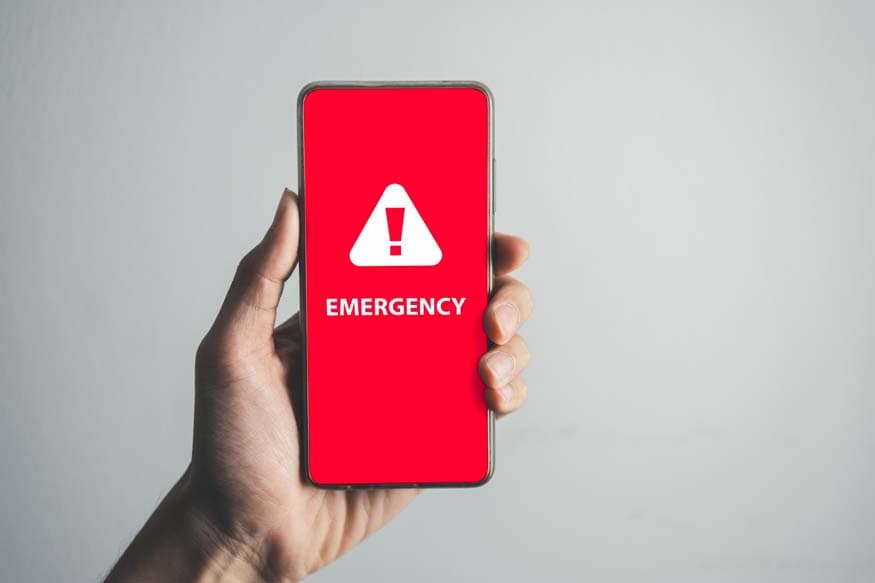
In Japan, it's crucial for international tourists to be aware of the primary emergency contact numbers. For police assistance, dial 110. This number connects you directly to the police department for any criminal incidents, lost property, or general safety concerns.
For fire emergencies or to request an ambulance in a medical emergency, dial 119. This single number serves both fire and ambulance services, ensuring a rapid response to health crises or fire incidents. When making an emergency call, try to speak slowly and clearly, stating your location and the nature of the emergency.
While English support is often available, especially in major cities, it's not guaranteed everywhere. If you struggle with Japanese, indicate that you need an English speaker. Additionally, for maritime emergencies or incidents at sea, the Japan Coast Guard can be reached by dialing 118.
소스: Japan National Tourism Organization (JNTO)
신뢰도: 0.98
업데이트 주기: As needed
Japan boasts an excellent and efficient healthcare system, but medical costs can be substantial without proper travel insurance. It is highly recommended that all international visitors secure comprehensive travel health insurance before their trip to cover potential medical expenses, emergency evacuations, or unexpected hospitalizations.
Common health concerns for travelers include seasonal allergies, particularly during spring (pollen season), and heatstroke during the hot and humid summer months. Visitors should take precautions against heat-related illnesses by staying hydrated, wearing light clothing, and avoiding prolonged sun exposure. Tap water in Japan is generally safe to drink.
While serious infectious diseases are rare, travelers should maintain good hygiene practices. Pharmacies are widely available, but specific foreign medications might not be stocked or could require a local prescription; carrying a sufficient supply of personal prescription drugs with a doctor's note is advisable.

소스: Centers for Disease Control and Prevention (CDC), World Health Organization (WHO)
신뢰도: 0.95
업데이트 주기: Annually
For most international travelers, there are no specific vaccinations legally required for entry into Japan. However, it is always recommended to ensure that your routine vaccinations, such as measles-mumps-rubella (MMR), diphtheria-tetanus-pertussis (DTaP), varicella (chickenpox), polio, and your annual flu shot, are up-to-date according to your home country's guidelines.
Travelers should consult with a healthcare professional or travel clinic at least 4-6 weeks before their trip to discuss personalized vaccination recommendations based on their itinerary, activities, and medical history. Depending on factors like the length of stay, areas visited (urban vs. rural), and planned activities, additional vaccines might be considered.
Recommended vaccinations for some travelers may include Hepatitis A and B, Japanese Encephalitis (especially for those spending extended time in rural areas during transmission season), and Rabies (for those engaging in high-risk activities involving animal contact). These are generally not mandatory but are advised for specific circumstances.

소스: Centers for Disease Control and Prevention (CDC), World Health Organization (WHO)
신뢰도: 0.95
업데이트 주기: Annually
Connectivity & Mobility in japan
Seamless Coverage with Top Carriers
Japan offers exceptionally robust mobile network coverage across its four major carriers: NTT Docomo, au (KDDI), SoftBank, and Rakuten Mobile. Tourists can expect extensive 4G LTE availability nationwide, even in many rural and mountainous regions, ensuring reliable communication. 5G network expansion is rapidly progressing, primarily concentrated in urban centers and key transportation hubs. Both physical SIM cards and eSIMs leverage these advanced networks, providing comparable high-speed data and voice services, making it easy for tourists to stay connected throughout their journey. For instance, Prune offers eSIM solutions that utilize these same reliable networks, ensuring seamless connectivity.
소스: https://www.docomo.ne.jp/area/
신뢰도: 0.95
업데이트 주기: 1-3 months

Prepaid SIM Avg Price
The average price for a tourist-oriented prepaid SIM card in Japan typically ranges from JPY 2,000 to JPY 4,000 (approximately USD 15-30) for plans offering 5GB to 10GB of data over a 7-day to 15-day validity period. Prices fluctuate based on the chosen data allowance, network provider, and duration of validity, with options available for both physical SIMs and eSIMs. Higher data caps or longer validity periods will naturally incur higher costs. These plans are designed to provide convenient and cost-effective mobile access for visitors. Travelers looking for competitive eSIM plans often find good options through https://prune.co.in/.
소스: https://www.docomo.ne.jp/english/service/welcomesim/
신뢰도: 0.85
업데이트 주기: 3-6 months

Metro & Transit Coverage
Japan's major metropolitan areas, including bustling Tokyo and vibrant Osaka, boast outstanding 5G and 4G/LTE mobile network coverage. Connectivity is not limited to above-ground areas; tourists can expect seamless high-speed internet access within extensive subway systems, underground shopping complexes, and even on the high-speed Shinkansen bullet trains. This widespread and reliable network infrastructure ensures that visitors can navigate, communicate, and share their experiences without interruption, even while traveling through dense urban environments or underground transit routes.
소스: https://www.docomo.ne.jp/area/5garea/
신뢰도: 0.95
업데이트 주기: 1-3 months

Money & Daily Life in japan
Currency
The official currency of Japan is the Japanese Yen (¥, JPY). It is available in various denominations of coins (1, 5, 10, 50, 100, 500 yen) and banknotes (1,000, 2,000 (rare), 5,000, 10,000 yen). While credit card usage has increased, Japan remains a predominantly cash-based society, especially in smaller shops, traditional restaurants, vending machines, and rural areas. It's advisable to always carry a sufficient amount of cash for daily expenses. ATMs that accept international cards are widely available, particularly at post offices and 7-Eleven convenience stores, which are ubiquitous.
소스: Japan National Tourism Organization (JNTO)
신뢰도: 0.98
업데이트 주기: Regularly

Tipping culture
Tipping is generally not customary in Japan and can even be considered impolite or confusing. Japanese service providers take immense pride in offering excellent service as a standard practice, and they do not expect or typically accept additional gratuities. Attempting to leave a tip may cause awkwardness or lead to the server trying to return the money. In some high-end establishments, a service charge might be automatically added to the bill, but this will be clearly indicated. The best way to show appreciation for good service is often a polite 'Arigato gozaimasu' (thank you very much).
소스: Japan National Tourism Organization (JNTO), Cultural Etiquette Guides
신뢰도: 0.95
업데이트 주기: Regularly

Credit cards
While Japan is known for its cash culture, credit card acceptance has significantly expanded, especially in major cities, large department stores, chain hotels, and prominent restaurants. Visa and Mastercard are the most widely accepted cards, followed by JCB and American Express. However, smaller shops, local eateries, traditional inns (ryokan), and establishments in more rural areas often operate on a cash-only basis. It's prudent to confirm payment options in advance, especially for smaller businesses, and always carry some Japanese Yen to cover situations where cards are not accepted or for smaller purchases.
소스: Japan National Tourism Organization (JNTO)
신뢰도: 0.93
업데이트 주기: Regularly

Plug/Voltage
Japan's electrical voltage is 100V, which is lower than most other countries (e.g., 120V in North America, 220-240V in Europe and Australia). The frequency varies by region: Eastern Japan (including Tokyo, Yokohama, Hokkaido, Tohoku) uses 50Hz, while Western Japan (including Osaka, Kyoto, Nagoya, Hiroshima, Kyushu) uses 60Hz. Most modern electronic devices, such as phone chargers, laptops, and camera chargers, are dual-voltage and can adapt automatically. The plug types used are Type A (two flat parallel pins) and Type B (two flat parallel pins with a grounding pin), similar to those found in North America. Travelers from other regions will need a Type A/B adapter, and those with non-dual voltage appliances may require a voltage converter.
소스: International Electrotechnical Commission (IEC), Japan National Tourism Organization (JNTO)
신뢰도: 0.98
업데이트 주기: Annually

Local language(s)
The official and primary language spoken throughout Japan is Japanese. While English is taught in schools, proficiency among the general population varies, with higher levels of English spoken in major tourist centers, international hotels, and at large transportation hubs. Learning a few basic Japanese phrases, such as 'Arigato' (thank you), 'Sumimasen' (excuse me/sorry), and 'Konnichiwa' (hello), can greatly enhance your travel experience and is often appreciated by locals. Many signs in major cities and tourist attractions also include English translations. Utilizing translation apps or portable Wi-Fi devices can be very helpful for communication.
소스: Japan National Tourism Organization (JNTO)
신뢰도: 0.97
업데이트 주기: Regularly

Weather and Seasonal Guide for Japan

방문하기 가장 좋은 시기
March to May and September to November
Spring (March to May) offers mild temperatures, vibrant cherry blossoms, and numerous festivals, though popular spots can be crowded. Autumn (September to November) provides crisp, clear weather with stunning fall foliage, making it ideal for sightseeing and outdoor activities with generally fewer crowds than spring.
평균 기온(april)
15°C
April is the peak of cherry blossom season across much of Japan, offering mild and very pleasant weather. It's perfect for outdoor activities and cultural festivals, but expect significant crowds.
소스: Japan National Tourism Organization (JNTO)
신뢰도: 0.95
업데이트 주기: Every 12 months
목적지 요약
japan
Japan is a captivating island nation where ancient traditions harmoniously blend with cutting-edge modernity. Tourists can explore vibrant cities, serene temples, stunning natural landscapes, and unique cultural experiences.
카테고리
East Asia
언어
Japanese
특별 규칙
Visa-free entry for many nationalities for short stays (check specific requirements); no electronic travel authorization currently required. Tipping is not customary; right-hand traffic.
>
대한민국에서 일본까지 평균 비행 시간
서울 (ICN)
인천국제공항
도쿄 (NRT)
나리타 국제공항
기간
2시간 40분
항공편 유형
직항
항공사
대한항공,
아시아나항공,
일본항공,
ANA,
T'way Air,
Jeju Air
서울 (ICN)
인천국제공항
오사카 (KIX)
간사이 국제공항
기간
1시간 55분
항공편 유형
직항
항공사
Korean Air,
아시아나항공,
Peach Aviation,
제주항공,
진에어
부산 (PUS)
김해국제공항
후쿠오카 (FUK)
후쿠오카 공항
기간
1시간 10분
항공편 유형
직항
항공사
대한항공,
아시아나항공,
에어부산,
제주항공,
진에어
서울 (GMP)
김포국제공항
도쿄 (HND)
하네다 공항
기간
2시간 25분
항공편 유형
직항
항공사
대한항공,
아시아나항공,
일본항공,
ANA
고객들이 Prune을 사랑하는 이유
도착 즉시 인터넷 사용
비행기가 착륙하는 순간 바로 연결됩니다. 기다림이나 번거로움 없이.
로밍 대비 80% 절약
기존 로밍 요금을 훨씬 뛰어넘는 요금으로 여행 예산을 그대로 유지하세요.
WhatsApp & OTP 접속 유지
어디에 있든 메시지, 인증, 2단계 코드 수신이 가능합니다.
지역 무관 사용 가능
하나의 eSIM으로 여러 국가를 커버하므로 카드를 교체할 필요 없이 여행할 수 있습니다.
2분 만에 설정 완료
스캔, 활성화, 그리고 사용. 매장 방문 없이 간단하게 완료됩니다.
연중무휴 지원
전 세계 어디서든 언제든지 도와드릴 준비가 된 실제 상담원.