Traveling Abroad?
Traveling from italy? Find the Best eSIM for Your Next Destination
Choose from 200+ countries and save up to 90% on roaming

Italy eSIM

TIM 5G
+3 others
If you're running low, you can always Top up
The package starts when you connect to a supported network

Data
Choose your package
7 Days
1 GB
$2.19 USD
15 Days
2 GB
$3.29 USD
30 Days
3 GB
$4.38 USD
5 GB
$6.58 USD
10 GB
$9.88 USD
20 GB
$16.47 USD
Essential Facts for Visiting italy
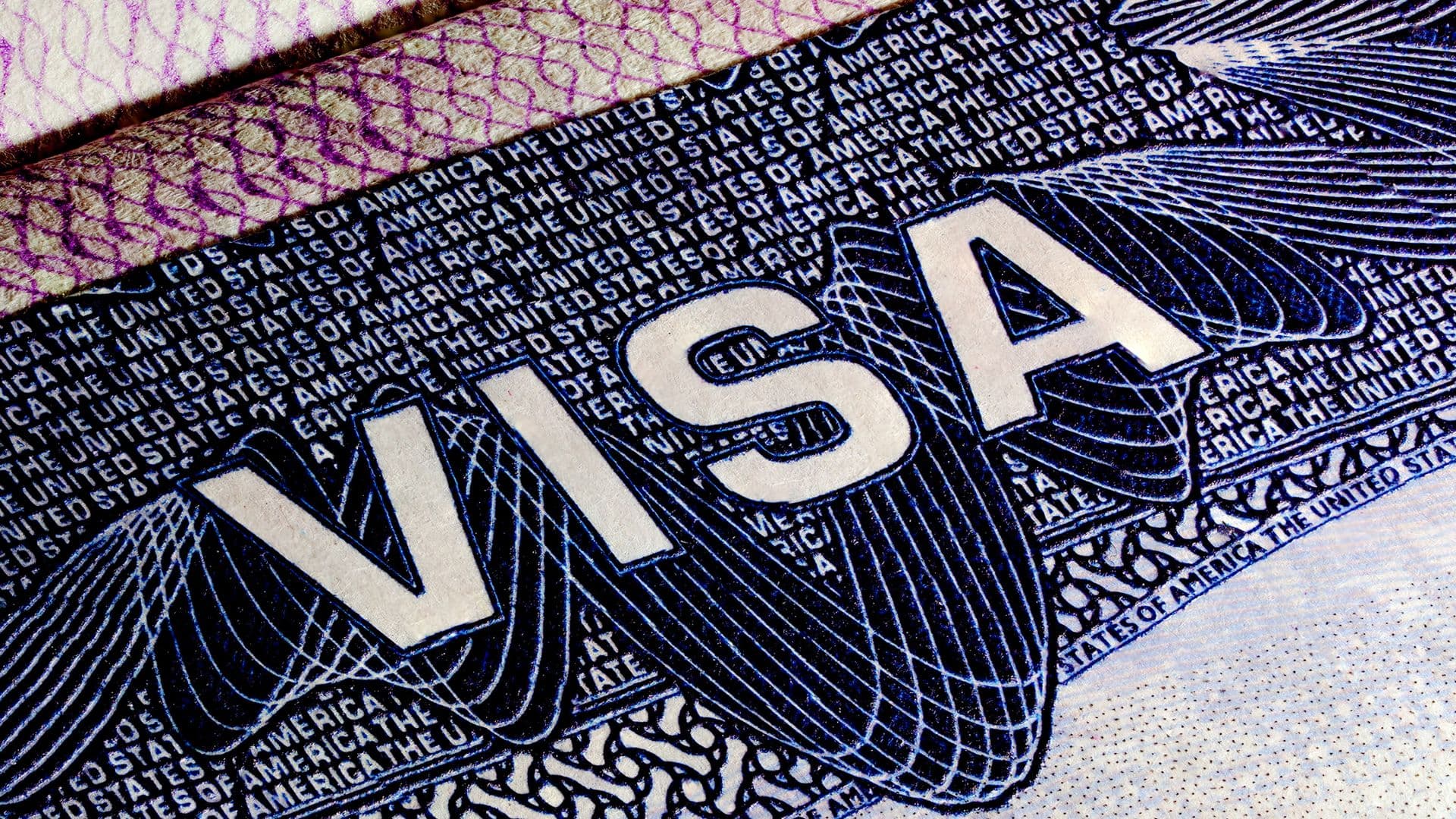
For citizens of Kosovo holding a biometric passport, a short-stay visa (Schengen visa) is no longer required for visits to Italy and the wider Schengen Area. This visa liberalization, a really big deal (punë e madhe) for travelers from Kosovo, came into effect on January 1, 2024. You can now visit for tourism, business, or family visits for up to 90 days within any 180-day period without needing a visa.
However, it's crucial to remember that this visa-free status applies only to short stays. If your trip involves purposes like employment, long-term study, or permanent residency, you will still need to apply for the appropriate national visa category directly from the Italian Embassy or Consulate in Pristina. Always double-check the latest requirements before you travel, just to be on the safe side.
Source: fly2globe
Confidence: 0.98
Update Cycle: Infrequent (major policy changes)
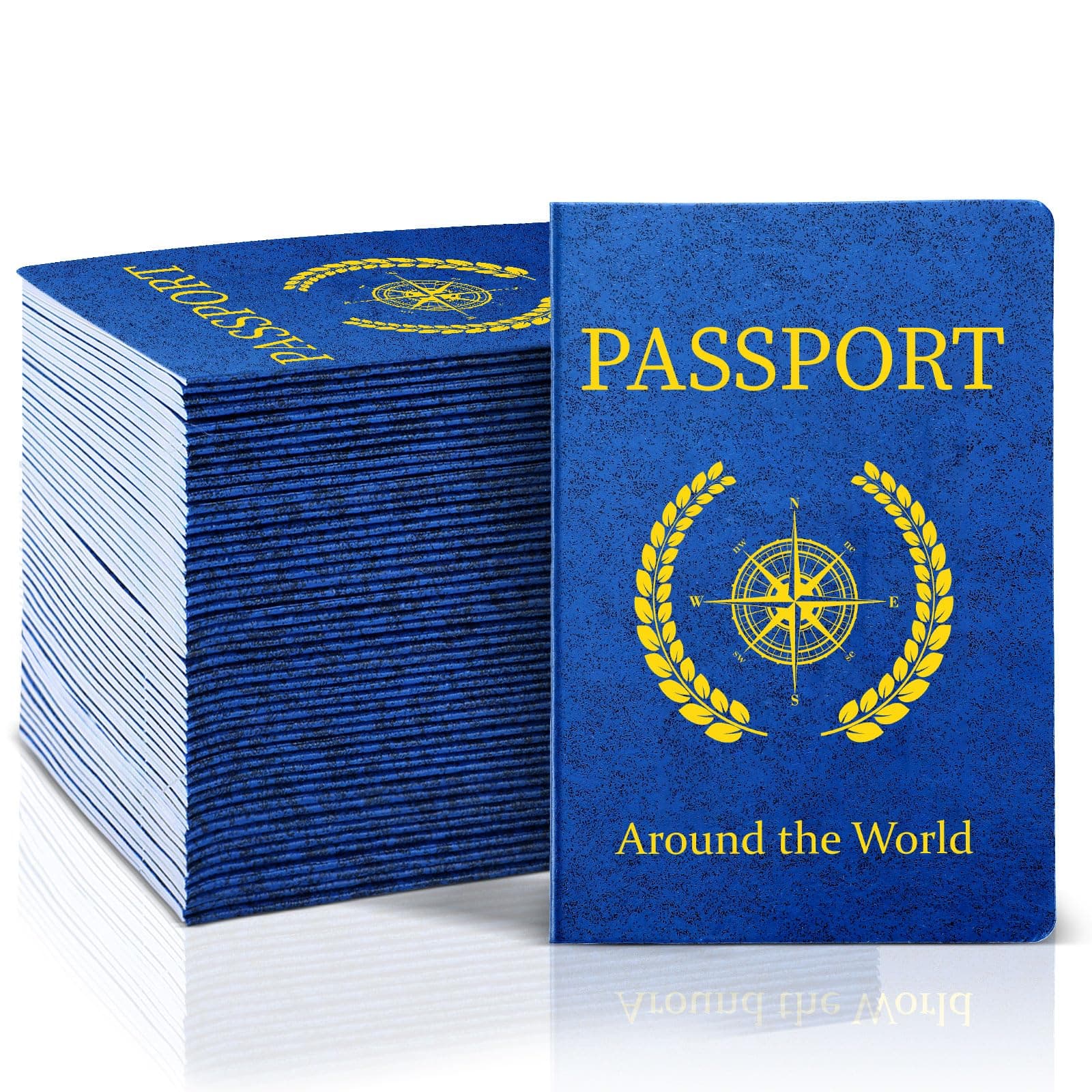
When traveling to Italy and the Schengen Area, your Kosovan biometric passport must meet specific validity criteria. It needs to be valid for at least three months beyond your intended date of departure from the Schengen Area. So, if you plan to leave on June 1st, your passport should be valid until at least September 1st. This is a standard requirement, and it’s really important (e rëndësishme) to check this well in advance of your trip.
Additionally, your passport must have been issued within the last 10 years. An older passport, even if it has remaining validity, might not be accepted if it was issued more than a decade ago. Make sure your passport fulfills both these conditions; otherwise, you might face issues upon entry, and nobody wants that kind of hassle.
Source: amazon
Confidence: 0.95
Update Cycle: Infrequent (standard regulations)
Since Kosovo citizens now enjoy visa-free travel to the Schengen Area, transit rules are generally straightforward for short stays. If you are transiting through another Schengen country (e.g., flying Pristina to Frankfurt, then to Rome), you will be considered to have entered the Schengen Area at your first point of entry (Frankfurt). The 90-day visa-free rule applies from that moment, and you don't need a separate transit visa, which is a relief, isn't it?
However, if your journey involves transiting through a non-Schengen country (e.g., Pristina to Istanbul, then to Rome), the transit rules of that specific non-Schengen country (Turkey, in this example) would apply. Generally, if you remain in the international transit area of the airport and have a confirmed onward flight, an airport transit visa might not be necessary, but it's always best to check with the airline and the specific country's embassy to make sure (me u siguru) you're all set.
Source: tpt
Confidence: 0.92
Update Cycle: Infrequent (standard regulations)
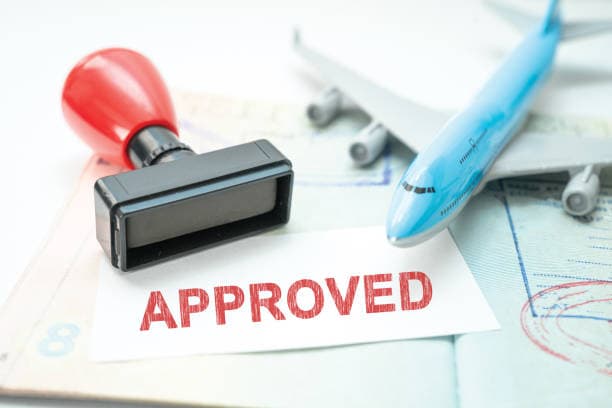
While Kosovo citizens are currently visa-exempt for short stays in Italy and the Schengen Area, there's an upcoming change you need to be aware of: the European Travel Information and Authorisation System (ETIAS). This system is not yet in effect, but it's expected to be implemented in mid-2025. Once active, visa-exempt travelers, including those from Kosovo, will need to obtain an ETIAS authorization before their trip. It's not a visa, but a pre-travel screening.
The ETIAS authorization will be mandatory and will involve a simple online application, requiring a small fee. It will be valid for multiple entries over several years, similar to the ESTA in the US. Keep an eye out for official announcements, as this will definitely be something that everyone needs to take into account (ka me u bo) when planning future trips to Italy and other Schengen countries.
Source: istock
Confidence: 0.95
Update Cycle: Periodic (as implementation approaches)

For short-term tourist visits to Italy (up to 90 days within a 180-day period), citizens of Kosovo with biometric passports do not require a visa, thanks to the recent liberalization. Therefore, there is no specific 'eVisa link' for this type of travel, as no visa is needed (s'ka nevojë) for short stays. You just need your valid biometric passport and adherence to the 90/180-day rule.
If, however, you require a national visa for long-term stays (e.g., for work, study, or family reunification), the application process is typically traditional. This usually involves completing an online application form, gathering required documents, and then submitting them in person at the Italian Embassy or Consulate in Pristina for biometric data collection. There isn't a fully online 'eVisa' system for these categories either, so for the moment (për momentin), you'd follow the standard consulate application procedure.
Source: trading-view
Confidence: 0.9
Update Cycle: Infrequent (as policy on digital visas evolves)
Health & Safety Tips for italy
Italy, like other EU countries, uses 112 as its universal emergency number. This number connects callers to all essential emergency services, including police (Carabinieri or Polizia di Stato), ambulance (soccorso sanitario), and fire brigade (Vigili del Fuoco). It's crucial for international tourists to remember 112 as the primary contact in any urgent situation.
While 112 is comprehensive, specific services can also be reached directly: 113 for general police emergencies (Polizia di Stato), 118 for medical emergencies, and 115 for fire services. However, calling 112 ensures that your call is routed to the appropriate service, often with multilingual operators available, making it the most recommended option for non-Italian speakers.
When making an emergency call, clearly state your location, the nature of the emergency, and your contact information. Remain calm and follow the operator's instructions. Keep these numbers stored in your phone, but remember that 112 works even without a SIM card or with a blocked phone.
Source: European Commission, Italian Ministry of Interior
Confidence: 1
Update Cycle: As needed

Italy generally poses few significant health risks for international tourists. Tap water is safe to drink in most areas, but bottled water is widely available. Food safety standards are high, especially in licensed establishments, reducing the risk of foodborne illnesses. However, common traveler's issues like upset stomachs can occur due to changes in diet or water, so it's wise to carry basic over-the-counter remedies.
Sun protection is crucial, particularly during summer months. High UV indexes are common, so pack sunscreen, hats, and sunglasses, and stay hydrated. Mosquitoes can be prevalent in certain regions, especially coastal and rural areas during warmer seasons; consider using insect repellent to prevent bites.
For minor ailments, pharmacies (farmacie) are abundant and easily recognizable by a green cross sign. Pharmacists can often provide advice and sell non-prescription medicines. In case of serious illness or injury, seek medical attention at a public hospital (ospedale) or private clinic. Travel insurance with medical coverage is highly recommended for all visitors.
Source: CDC, UK FCDO, WHO
Confidence: 0.95
Update Cycle: Annually/As needed

For most international tourists, there are no mandatory vaccinations required for entry into Italy. The primary recommendation is to ensure that your routine vaccinations are up-to-date. This includes measles, mumps, and rubella (MMR), diphtheria-tetanus-pertussis, varicella (chickenpox), polio, and your annual flu shot.
Depending on your travel plans and activities, some health organizations may suggest additional vaccinations. For instance, Hepatitis A and B are often recommended for travelers to many parts of the world, including Italy, especially if you plan to eat outside of major tourist areas or have extended stays. Rabies vaccination might be considered for those engaging in outdoor activities that could involve contact with animals.
It is advisable to consult your doctor or a travel health clinic at least 4-6 weeks before your trip to discuss your specific vaccination needs based on your personal health history, itinerary, and any prevailing health advisories. While COVID-19 vaccination certificates are generally no longer required for entry, it's always prudent to check the latest entry requirements from official Italian government sources closer to your travel date, as regulations can change.
Source: CDC, WHO, European Centre for Disease Prevention and Control (ECDC)
Confidence: 0.95
Update Cycle: Annually/As needed
Connectivity & Mobility in Italy
Extensive Network Coverage Across Italy
Italy boasts a robust mobile network infrastructure, primarily supported by major carriers like TIM, Vodafone, and WindTre, with Iliad also having a significant presence. These networks provide extensive 4G/LTE coverage across the country, reaching most urban areas, popular tourist destinations, and main transport routes. 5G deployment is rapidly expanding, particularly in major cities. Both physical SIM cards and eSIMs utilize these same underlying networks, ensuring that tourists can expect reliable connectivity regardless of their preferred SIM type. For instance, an eSIM solution leverages the same high-quality network infrastructure as a traditional physical SIM, offering seamless access to data and communication services throughout Italy.
Source: https://www.vodafone.it/area-privati/assistenza/verifica-copertura/
Confidence: 0.92
Update Cycle: 3-6 months

Affordable Prepaid SIM Options for Tourists
For tourists visiting Italy, prepaid SIM cards offer a convenient and cost-effective way to stay connected. The average price for a tourist-oriented SIM plan, typically including a generous data allowance (e.g., 50GB-100GB), unlimited national calls, and some international minutes, ranges from €20 to €35 for a 30-day validity. These plans are readily available at airport kiosks, carrier stores, and authorized resellers nationwide. While prices can vary based on the provider and specific promotions, this range provides a good benchmark for budgeting connectivity expenses. https://prune.co.in/ often has competitive pricing for eSIM plans, providing an alternative for those seeking digital convenience.
Source: https://www.tim.it/offerte/mobile/estero/offerte-per-turisti
Confidence: 0.9
Update Cycle: 3-6 months

Excellent Metro & Urban Connectivity
Mobile network coverage in Italy's major metropolitan areas is exceptionally strong, offering high-quality 4G/LTE and rapidly expanding 5G connectivity. Cities such as Rome and Milan boast comprehensive coverage, including within many underground metro stations and transit lines, ensuring tourists remain connected even while commuting. Florence and Venice also demonstrate excellent network performance in their urban centers. The continuous investment by major operators like TIM, Vodafone, and WindTre ensures that visitors can enjoy fast and reliable internet access for navigation, communication, and streaming throughout these bustling city environments, with minimal dead zones.
Source: https://www.opensignal.com/reports/2023/12/italy/mobile-network-experience
Confidence: 0.93
Update Cycle: 3-6 months

Money & Daily Life in italy
Currency
The official currency of Italy is the Euro (€), denoted by the symbol EUR. It is part of the Eurozone, so all prices will be displayed in Euros. While credit cards are widely accepted, it's always good to have some Euros in small denominations for minor purchases, public transport tickets, or in smaller towns and markets where cash might be preferred or necessary. ATMs (Bancomat) are widely available throughout cities and towns for cash withdrawals, and currency exchange offices can be found, though they often offer less favorable rates than withdrawing from an ATM.
Source: European Central Bank, major travel guides
Confidence: 1
Update Cycle: Rarely changes

Tipping culture
Tipping in Italy is not as deeply ingrained or expected as it is in some other countries, particularly North America. While not obligatory, a small discretionary tip for excellent service is always appreciated. In restaurants, a "coperto" (cover charge per person) or "servizio" (service charge, usually 10-15%) might already be included in your bill, especially in tourist areas. If no service charge is included, rounding up the bill or leaving a few extra Euros (e.g., 5-10% for exceptional service) is a polite gesture. For other services like taxi drivers, hotel porters, or tour guides, rounding up or a small gratuity of a few Euros is customary for good service.
Source: Lonely Planet, Rick Steves, various travel blogs
Confidence: 0.9
Update Cycle: Annually

Credit cards
Credit and debit cards, particularly Visa and Mastercard, are widely accepted throughout Italy, especially in larger cities, hotels, restaurants, and major retail stores. American Express and Discover cards are less commonly accepted. It's standard practice for merchants to use chip-and-PIN systems, so ensure your card has a chip and you know your PIN. While card payments are prevalent, it's always advisable to carry a small amount of cash for smaller purchases (like coffee, gelato, or market stalls), public transport tickets, or when visiting smaller towns and rural areas where card acceptance might be limited or unreliable. Inform your bank of your travel plans to avoid card blocks.
Source: Major credit card companies (Visa, Mastercard), travel finance guides
Confidence: 0.95
Update Cycle: Bi-annually

Plug/Voltage
Italy primarily uses Type F (Schuko) and Type L electrical outlets. Type F is the standard European two-pin plug with two round pins and two earth clips on the side. Type L has three round pins in a row, with the central pin slightly offset. The standard voltage is 230V, and the frequency is 50Hz. Travelers from countries with different voltage standards (e.g., North America with 120V) will need a voltage converter for appliances that are not dual-voltage, in addition to a travel adapter for the plug shape. Most modern electronics (laptops, phones) are dual-voltage but will still require a physical plug adapter.
Source: International Electrotechnical Commission (IEC), WorldStandards.eu
Confidence: 1
Update Cycle: Rarely changes

Local language(s)
The official language of Italy is Italian, a Romance language derived from Latin. While Italian is spoken nationwide, numerous regional dialects and minority languages exist, though standard Italian is understood by virtually everyone. In major tourist destinations, hotels, and popular attractions, English is widely spoken, especially by younger generations and those working in the tourism industry. However, learning a few basic Italian phrases such as "Buongiorno" (Good morning), "Grazie" (Thank you), "Per favore" (Please), and "Scusi" (Excuse me) will greatly enhance your travel experience and is often appreciated by locals.
Source: Italian Ministry of Culture, Ethnologue
Confidence: 0.95
Update Cycle: Annually

Weather and Seasonal Guide for Italy

Best time to visit
April to June and September to October
Spring and early autumn offer mild temperatures, fewer crowds than peak summer, and ideal conditions for sightseeing, exploring cities, and enjoying the diverse landscapes. The weather is generally pleasant, making it comfortable for outdoor activities and cultural tours across the country.
Avg temp(march)
5°C to 15°C
Early spring, with unpredictable weather that can include rain but also increasingly sunny days. Fewer crowds before Easter, making it a good time for cultural tours and exploring historical sites.
Source: ENIT - Italian National Tourist Board
Confidence: 0.9
Update Cycle: Every 12 months
Top Landmarks and Sites in italy
Source: Parco archeologico del Colosseo
Confidence: 0.98
Update Cycle: 6-12 months
Colosseum
Name
Colosseum
Type
Ancient Roman Amphitheatre
Location
Rome, Lazio
Tags
Ancient Rome,
History,
Architecture,
Landmark,
UNESCO World Heritage.
Description
The Colosseum, an iconic symbol of Imperial Rome, is the largest ancient amphitheatre ever built, and remains the largest standing amphitheatre in the world despite its age. Constructed between 70 and 80 AD, it could hold an estimated 50,000 to 80,000 spectators who would gather to witness gladiatorial contests, public spectacles, mock sea battles, animal hunts, executions, re-enactments of famous battles, and dramas based on Classical mythology. Its innovative design, including a complex system of arches, vaults, and subterranean passages, showcases the advanced engineering capabilities of the Romans. Today, it stands as a powerful reminder of the Roman Empire's grandeur and its often brutal past, attracting millions of visitors annually who marvel at its scale and historical significance.

Source: Opera di Santa Maria del Fiore
Confidence: 0.97
Update Cycle: 6-12 months
Cattedrale di Santa Maria del Fiore (Florence Cathedral)
Name
Cattedrale di Santa Maria del Fiore (Florence Cathedral)
Type
Cathedral, Architectural Landmark
Location
Florence, Tuscany
Tags
Renaissance,
Architecture,
Art,
History,
UNESCO World Heritage,
Religious Site.
Description
Dominating the skyline of Florence, the Cattedrale di Santa Maria del Fiore, commonly known as the Duomo, is a masterpiece of Renaissance architecture and engineering. Its construction began in 1296 and was largely completed by 1436 with the monumental dome engineered by Filippo Brunelleschi, an unprecedented feat for its time. The dome, built without temporary wooden support, remains the largest brick dome ever constructed and is a testament to human ingenuity and artistic vision. The cathedral's exterior is adorned with intricate polychrome marble panels in shades of pink, green, and white, creating a stunning visual spectacle. Inside, visitors can climb to the top of the dome for panoramic views of Florence and admire Giorgio Vasari's frescoes of the Last Judgment. The entire complex, including Giotto's Bell Tower and the Baptistery, is a UNESCO World Heritage site and a profound symbol of Florentine art and culture.

Source: Venezia Unica
Confidence: 0.96
Update Cycle: 3-6 months
Grand Canal and Venice Canals
Name
Grand Canal and Venice Canals
Type
Waterways, Urban Landscape
Location
Venice, Veneto
Tags
Canals,
Gondola,
Romantic,
Architecture,
Unique City,
UNESCO World Heritage.
Description
The canals of Venice are the lifeblood and defining feature of this unique city, often referred to as "La Serenissima." Instead of roads, Venice relies on a network of over 150 canals, with the Grand Canal serving as the main thoroughfare, winding through the heart of the city in an S-shape. Gondolas, vaporettos (water buses), and private boats navigate these waterways, providing the primary means of transport and an unparalleled romantic experience. Lined with historic palaces, churches, and picturesque bridges like the Rialto Bridge and Bridge of Sighs, the canals offer a constantly changing panorama of Venetian life and architecture. Exploring Venice by water reveals the city's intricate beauty, its resilience against the tides, and its timeless charm, making it an essential and unforgettable part of any visit.

Source: Parco Archeologico di Pompei
Confidence: 0.99
Update Cycle: 6-12 months
Pompeii Archaeological Park
Name
Pompeii Archaeological Park
Type
Archaeological Site, Ancient City
Location
Pompeii, Campania
Tags
Ancient Rome,
Archaeology,
History,
Mount Vesuvius,
UNESCO World Heritage,
Ruins.
Description
The ancient Roman city of Pompeii, tragically preserved by the eruption of Mount Vesuvius in 79 AD, offers an extraordinary window into daily life in the Roman Empire. Buried under meters of volcanic ash and pumice, the city remained largely intact for nearly 1,700 years until its rediscovery. Today, visitors can walk through its remarkably preserved streets, explore homes, temples, shops, bathhouses, and even brothels, complete with frescoes, mosaics, and everyday objects frozen in time. The haunting plaster casts of victims provide a poignant connection to the catastrophe that destroyed and simultaneously immortalized Pompeii. It is an unparalleled archaeological treasure, revealing intimate details of Roman society, art, and urban planning, making it an incredibly immersive and educational experience.

Pilot Summary
italy
Italy is a captivating country in Southern Europe, renowned for its profound history, iconic art, world-class cuisine, and diverse natural beauty. Tourists can immerse themselves in ancient Roman ruins, Renaissance masterpieces, stunning coastlines, and charming medieval towns.
Destination
italy
Category
Schengen Europe
Languages
Italian
Special Rules
Schengen rules apply, ETIAS will be required for visa-exempt non-EU nationals from mid-2025. Traffic drives on the right-hand side. Dress respectfully when visiting religious sites.
Average Flight Times from kosovo to italy
Pristina (PRN)
Pristina International Airport
Rome (FCO)
Leonardo da Vinci-Fiumicino Airport
Duration
1 hr 40 min
Flight Type
Direct
Airlines
Wizz Air
Pristina (PRN)
Pristina International Airport
Milan (BGY)
Milan Bergamo Airport (Orio al Serio)
Duration
1 hr 55 min
Flight Type
Direct
Airlines
Wizz Air
Pristina (PRN)
Pristina International Airport
Bologna (BLQ)
Bologna Guglielmo Marconi Airport
Duration
1 hr 45 min
Flight Type
Direct
Airlines
Wizz Air
Pristina (PRN)
Pristina International Airport
Venice (VCE)
Venice Marco Polo Airport
Duration
1 hr 50 min
Flight Type
Direct
Airlines
Wizz Air
Events Calendar
Carnival of Venice (Carnevale di Venezia)
One of the world's most ancient and celebrated festivals, the Carnival of Venice transforms the city into a magical spectacle of elaborate masks, historical costumes, and vibrant celebrations. Originating in the 11th century, it traditionally allowed citizens of all social classes to mingle anonymously behind masks. Key events include the "Flight of the Angel" in St. Mark's Square, grand masquerade balls in historic palaces, public parades, and numerous cultural performances. The entire city becomes a stage, inviting participants to embrace a sense of theatricality and mystery, culminating in Shrove Tuesday before the start of Lent.
Source: Venezia Unica
Confidence: 0.98
Update Cycle: 12 months


Palio di Siena
The Palio di Siena is a thrilling bareback horse race that takes place twice a year in Siena's main piazza, Piazza del Campo. Ten of the city's seventeen contrade (districts) compete in each race, represented by a horse and jockey. The event is much more than just a race; it's a deeply ingrained tradition steeped in medieval pageantry, intense rivalries, and fervent local pride. The days leading up to the Palio are filled with trials, blessings of the horses, and elaborate historical parades with participants in period costumes, culminating in a furious three-lap race around the shell-shaped piazza, lasting just a few exhilarating minutes.
Source: Comune di Siena
Confidence: 0.97
Update Cycle: 12 months


Verona Opera Festival
The Verona Opera Festival is an internationally acclaimed summer opera season held in the remarkably preserved 1st-century Roman amphitheatre, the Arena di Verona. This unique setting provides an unparalleled atmosphere for grand opera productions, known for their spectacular sets, elaborate costumes, and world-class performances. Attracting opera lovers from across the globe, the festival typically features several major operas each season, such as Aida, Carmen, and Nabucco, under the starry summer sky. Experiencing opera in this ancient arena is a truly unforgettable cultural event, combining historical grandeur with musical excellence.
Source: Arena di Verona
Confidence: 0.96
Update Cycle: 12 months


Festa della Repubblica (Republic Day)
Festa della Repubblica is Italy's national day, commemorating the institutional referendum of 1946 when Italians voted to abolish the monarchy and establish a republic. The most significant celebration takes place in Rome, featuring a spectacular military parade along Via dei Fori Imperiali, passing the Colosseum, with the President of Italy laying a wreath at the Tomb of the Unknown Soldier. The Frecce Tricolori, the Italian Air Force's aerobatic team, performs a breathtaking flypast, leaving trails of green, white, and red smoke. Public concerts, flag displays, and civic ceremonies are held across the country, celebrating Italian unity, democracy, and national pride.
Source: Presidenza della Repubblica
Confidence: 0.95
Update Cycle: 12 months