Traveling Abroad?
Traveling from brazil? Find the Best eSIM for Your Next Destination
Choose from 200+ countries and save up to 90% on roaming
Trusted by Millions of Travelers
Instant Activation
Save up to 90% on roaming
Leading Network Partners
Brazil eSIM

Claro 5G
+1 others
If you're running low, you can always Top up
The package starts when you connect to a supported network

Data
Choose your package
7 Days
1 GB
$4.38 USD
15 Days
2 GB
$5.48 USD
30 Days
3 GB
$7.68 USD
5 GB
$17.57 USD
10 GB
$18.67 USD
20 GB
$29.66 USD
Essential Facts for Visiting Brazil
Malo le soifua! For our friends from Samoa planning a trip to the vibrant lands of Brazil, it's important to know that a visa is indeed required for entry. This applies whether you're heading there for tourism, business, or any other purpose. You'll need to apply for the appropriate visa category before you pack your bags and head off on your adventure.
The application process typically involves submitting your documents to the nearest Brazilian Embassy or Consulate. It's not always faigofie, so make sure to check their official website for the most current requirements, including forms, photos, and any other supporting documents they might ask for. Best to get this sorted well in advance, so there are no last-minute surprises, e taua tele!
Source: fly2globe
Confidence: 1
Update cycle: Annually or as policy changes
When preparing for your journey to Brazil, ensure your passport is in top shape. Brazilian authorities, like many countries, require your passport to be valid for at least six months beyond your intended period of stay. So, if you plan to be there for a month, your passport should still have at least seven months of validity left from your entry date. Don't forget to check those expiry dates, fa'aeteete!
This rule is pretty standard across the globe, designed to give you a buffer in case of unexpected delays or extended stays. A passport with insufficient validity could lead to denied boarding or entry, and we certainly don't want that to spoil your fiafia trip. Make sure it's all lelei before you fly.
Source: amazon
Confidence: 1
Update cycle: Infrequently, as international standard
If your journey to another destination involves a layover in Brazil, you might be wondering about transit rules. O le mea moni, if you remain within the international transit area of the airport and do not pass through immigration control, you generally do not need a transit visa. This is good news for those just passing through.
However, if your itinerary requires you to leave the international transit area – perhaps to collect luggage, change airports, or if you have a very long layover necessitating an overnight stay outside the airport – then you will need a regular entry visa for Brazil. It's always best to confirm with your airline and the Brazilian consulate if you're unsure, just to be safe and avoid any faigata situations.
Source: tpt
Confidence: 0.95
Update cycle: Annually or as policy changes
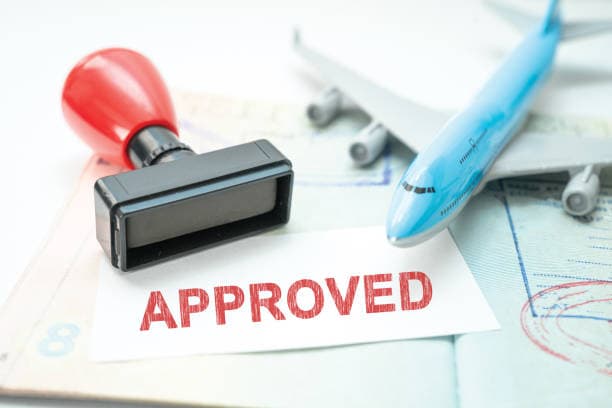
Currently, Brazil does not operate an electronic travel authorization (ETA) system for citizens of Samoa. Unlike some other countries that use such systems for visa-exempt travelers, Brazil requires a traditional visa for Samoan passport holders. So, there's no online authorization to apply for in lieu of a visa.
Your entry into Brazil will depend entirely on securing the correct visa from a Brazilian diplomatic mission prior to your departure. Keep an eye on official government announcements, as travel policies can change, but for now, it's the traditional visa process all the way. Ia manuia le malaga!
Source: istock
Confidence: 1
Update cycle: As policy changes

For Samoan citizens, Brazil does not currently offer an eVisa option. While Brazil previously had an eVisa program for a select few nationalities, this was discontinued. Therefore, you won't find an official online portal to apply for a Brazilian visa if you hold a Samoan passport.
All visa applications must be processed through a Brazilian Embassy or Consulate. This means you'll need to gather your documents and follow their specific application procedures, which often involve an in-person visit or mailing documents. Always refer to the official website of the Brazilian diplomatic mission responsible for Samoa for the most accurate application instructions. Se'i o tatou va'ai, it's a bit more traditional, but still achievable!
Source: trading-view
Confidence: 1
Update cycle: As policy changes
Health & Safety Tips for brazil
In Brazil, the primary emergency numbers are universal across the country. For police assistance, dial 190. This number connects you directly to the military police, who are responsible for general security and responding to criminal incidents.
For medical emergencies requiring an ambulance, dial 192 to reach SAMU (Serviço de Atendimento Móvel de Urgência), the public emergency medical service. For fire emergencies or rescue operations, dial 193 to contact the Fire Department (Corpo de Bombeiros).
It is advisable to have these numbers saved in your phone. While some larger cities may have specific 'tourist police' units, calling 190 is the standard and most reliable way to get police help anywhere in Brazil. In case of serious incidents, contacting your embassy or consulate after reporting to local authorities is also recommended.
Source: Brazilian Government (Federal Police, SAMU, Fire Department), U.S. Embassy & Consulates in Brazil
Confidence: 0.98
Update cycle: As needed
Travelers to Brazil should be aware of several health advisories, particularly regarding mosquito-borne diseases. Dengue, Zika, and Chikungunya are prevalent in many regions, and Yellow Fever is a risk in specific areas, especially outside major coastal cities. It is highly recommended to use insect repellent containing DEET or picaridin, wear long sleeves and pants, and stay in accommodations with air conditioning or mosquito screens.
Food and water safety are also crucial. Drink only bottled or purified water and avoid ice unless you are certain it was made from safe water. Be cautious with street food; opt for well-cooked meals from reputable establishments. Wash your hands frequently with soap and water or use an alcohol-based hand sanitizer, especially before eating.
Medical facilities vary significantly. Private hospitals in major cities like São Paulo and Rio de Janeiro offer high-quality care but can be very expensive. Public hospitals often face overcrowding and limited resources. Comprehensive travel health insurance is strongly advised, ensuring it covers medical evacuation in case of serious illness or injury.

Source: Centers for Disease Control and Prevention (CDC), World Health Organization (WHO), UK Foreign, Commonwealth & Development Office (FCDO)
Confidence: 0.95
Update cycle: Bi-annually
For entry into Brazil, there are generally no mandatory vaccination requirements for most international travelers, unless arriving from a yellow fever-endemic country. However, specific vaccinations are strongly recommended for your health and safety during your visit. Consult with a travel health professional at least 4-6 weeks before your trip.
The Yellow Fever vaccine is highly recommended for all travelers aged 9 months or older visiting areas of risk in Brazil. This includes most of the country, particularly inland regions and certain states, though major coastal cities like Rio de Janeiro and São Paulo are generally considered low-risk. Some countries may require proof of Yellow Fever vaccination upon re-entry from Brazil, so carrying your International Certificate of Vaccination (Yellow Card) is advisable.
Beyond Yellow Fever, ensure your routine vaccinations (such as MMR, DTaP, Varicella, Polio, and annual flu shot) are up-to-date. Other recommended vaccines often include Hepatitis A and B, and Typhoid, especially if you plan to eat outside major resorts or visit rural areas. Rabies vaccination may be considered for long-term travelers or those involved in outdoor activities that may bring them into contact with animals.

Source: Centers for Disease Control and Prevention (CDC), World Health Organization (WHO), National Health Service (NHS) UK
Confidence: 0.96
Update cycle: Annually
Connectivity & Mobility in brazil
Extensive Network Coverage Across Brazil
Brazil's mobile network coverage for tourists, whether using physical SIM cards or eSIMs, is robust, especially in urban centers and along major transportation routes. The country's leading mobile operators have invested significantly in infrastructure, ensuring reliable 4G/LTE services are widely available. While rural and remote areas may experience more limited connectivity, major cities and tourist destinations are well-covered. eSIM technology offers a convenient alternative for travelers, allowing for digital activation without needing a physical card, and many international providers support connectivity in Brazil. Tourists can expect generally seamless service for calls, texts, and data, making it easy to stay connected throughout their trip. Prune offers competitive eSIM plans for Brazil, providing a convenient option for tourists.
Source: https://www.gov.br/anatel/pt-br/dados/painel-de-qualidade-de-servicos-de-telecomunicacoes
Confidence: 0.9
Update Cycle: 6-12 months

Affordable Prepaid SIM Options
For tourists visiting Brazil, prepaid SIM cards offer an affordable and flexible solution for mobile connectivity. The average price for a tourist-oriented prepaid SIM card, typically including a generous data allowance (e.g., 5-10 GB), local calls, and SMS for a 15-30 day validity period, generally ranges from BRL 30 to BRL 70 (approximately USD 6-14, subject to exchange rates). These plans are available from major mobile operators at airports, official stores, and authorized retailers. The cost usually covers the SIM card itself and an initial data package, with options to top up as needed. Tourists can easily find plans that suit their travel duration and data consumption habits. https://prune.co.in/ often has competitive pricing for eSIM plans.
Source: https://www.vivo.com.br/para-voce/planos/pre-pago
Confidence: 0.85
Update Cycle: 3-6 months

Excellent Metro & Urban Connectivity
Brazil's major metropolitan areas boast excellent 5G and 4G/LTE mobile network coverage, ensuring high-speed internet access and reliable communication for tourists. Cities like São Paulo and Rio de Janeiro, along with other state capitals, have seen rapid deployment of 5G infrastructure, offering ultra-fast speeds in central districts and increasingly across broader urban landscapes. The 4G/LTE network is mature and robust in these areas, providing consistent and strong signals within city limits, including public transport systems, shopping centers, and popular tourist attractions. This strong urban connectivity facilitates navigation, communication, and access to online services for visitors.
Source: https://www.gov.br/anatel/pt-br/assuntos/5g
Confidence: 0.9
Update Cycle: 3 months

Money & Daily Life in brazil
Currency
The official currency of Brazil is the Brazilian Real (BRL), symbolized as R$. It is divided into 100 centavos. Banknotes come in denominations of R$2, R$5, R$10, R$20, R$50, R$100, and R$200, while coins are available for R$0.01, R$0.05, R$0.10, R$0.25, R$0.50, and R$1. It is advisable to exchange currency at official exchange bureaus (casas de câmbio) or banks rather than unofficial street vendors. ATMs are widely available in cities, but be cautious of their location and potential skimming devices; prefer those inside banks or shopping malls.
Source: Central Bank of Brazil, major travel guides
Confidence: 0.98
Update Cycle: As needed

Tipping culture
Tipping culture in Brazil is generally more relaxed than in some other countries. In restaurants, a 10% service charge (serviço) is often automatically added to the bill; if it is, no further tip is expected, though you can add a little extra for exceptional service. If the service charge is not included, a tip of 10-15% is customary for good service. For taxi drivers, tipping is not expected, but rounding up the fare to the nearest convenient amount is common and appreciated. Hotel staff such as bellhops and housekeepers appreciate small tips (e.g., R$5-10). Tour guides are typically tipped, with R$20-50 for a half or full-day tour being a common range depending on the service quality.
Source: Lonely Planet, Fodor's Travel Guides, expat forums
Confidence: 0.9
Update Cycle: Bi-annually

Credit cards
Credit cards are widely accepted in major cities, tourist areas, hotels, restaurants, and larger retail stores throughout Brazil. Visa and Mastercard are the most commonly accepted networks, followed by American Express and Diners Club, which may have more limited acceptance. However, in smaller towns, rural areas, local markets, or with street vendors, cash is often preferred or required. Always inform your bank of your travel plans to avoid your card being flagged for suspicious activity and to understand any foreign transaction fees. When using credit cards, be vigilant about card security, especially at gas stations or smaller establishments, and consider using ATMs located inside banks during business hours for cash withdrawals.
Source: Major Brazilian banks, U.S. State Department travel advisories
Confidence: 0.95
Update Cycle: Annually

Plug/Voltage
Brazil officially uses Type N power sockets, which feature three round pins. However, you may still encounter older Type C (two round pins, common in Europe) or even Type A/B (two or three flat pins, common in North America) sockets in older establishments. A universal travel adapter is highly recommended to ensure compatibility. The voltage in Brazil is notoriously variable by region and even within cities, with both 127V and 220V being common. Major cities like São Paulo and Rio de Janeiro primarily use 127V, while Brasília and Salvador use 220V. Some areas may have both. Always check the local voltage before plugging in appliances, or use a device with a wide voltage range (e.g., 100-240V) and a surge protector. The standard frequency is 60 Hz.
Source: WorldStandards.eu, International Electrotechnical Commission (IEC)
Confidence: 0.97
Update Cycle: Annually

Local language(s)
The official and most widely spoken language in Brazil is Portuguese. Brazilian Portuguese has distinct differences in pronunciation, vocabulary, and some grammar from European Portuguese, but they are mutually intelligible. English is not widely spoken outside of major tourist hotels, high-end restaurants, and some specific tourist-oriented services in large cities. Therefore, learning a few basic phrases in Portuguese, such as greetings, common questions, and numbers, will significantly enhance your travel experience and interactions with locals. Having a translation app on your phone can also be very helpful, especially when venturing outside major tourist hubs.
Source: Brazilian Ministry of Tourism, Ethnologue, reputable travel guides
Confidence: 0.99
Update Cycle: Continuously

Weather and Seasonal Guide for Brazil

Best time to visit
May to September
This period marks Brazil's dry season across many regions, offering pleasant weather with less humidity and rainfall. It's ideal for wildlife viewing in the Amazon and Pantanal, and coastal areas generally enjoy comfortable temperatures, making it excellent for exploring diverse landscapes and activities without the extreme heat or heavy rains of summer.
Avg temp(april)
23°C to 28°C
April brings more moderate temperatures and significantly less rain across much of Brazil, making it an excellent shoulder season month. It's ideal for sightseeing and enjoying beaches before the cooler winter months, with fewer crowds than summer.
Source: Embratur (Brazilian Agency for International Tourism Promotion)
Confidence: 0.95
Update Cycle: Every 12 months
Destination Summary
brazil
Brazil captivates with its immense natural beauty, from the Amazon rainforest and Pantanal wetlands to stunning beaches and vibrant cities like Rio de Janeiro, offering a rich cultural tapestry of music, dance, and festivals.
CATEGORY
South America
LANGUAGES
Portuguese
SPECIAL RULES
Visa requirements vary by nationality; many countries enjoy visa-free entry for short stays, while others may require an e-Visa or traditional visa. Traffic drives on the right-hand side.
>
Average Flight Times from samoa to brazil
Apia (APW)
Faleolo International Airport
São Paulo (GRU)
São Paulo/Guarulhos International Airport
Duration
40 hr 15 min
Flight Type
2 Stops
Airlines
Fiji Airways,
LATAM Airlines
Apia (APW)
Faleolo International Airport
Rio de Janeiro (GIG)
Rio de Janeiro/Galeão International Airport
Duration
36 hr 30 min
Flight Type
2 Stops
Airlines
Air New Zealand,
LATAM Airlines
Apia (APW)
Faleolo International Airport
Brasília (BSB)
Brasília International Airport
Duration
50 hr 0 min
Flight Type
3 Stops
Airlines
Qantas,
Qatar Airways,
LATAM Airlines
Apia (APW)
Faleolo International Airport
Salvador (SSA)
Salvador International Airport
Duration
45 hr 45 min
Flight Type
3 Stops
Airlines
Hawaiian Airlines,
United Airlines,
GOL Linhas Aéreas
Why Customers Love Prune?
Instant internet on landing
Get connected the moment your plane touches down. No waiting, no hassle.
Save 80% vs roaming
Keep your travel budget intact with rates that crush traditional roaming fees.
Keep WhatsApp & OTP access
Stay reachable for messages, verifications, and two-factor codes wherever you are.
Works across regions
One eSIM covers multiple countries so you travel without swapping cards.
Setup in 2 minutes
Scan, activate, and go. It's that simple — no store visits needed.
24/7 support
Real humans ready to help you anytime, anywhere in the world.