Traveling Abroad?
Traveling from bolivia? Find the Best eSIM for Your Next Destination
Choose from 200+ countries and save up to 90% on roaming
Bolivia eSIM

Tigo LTE
If you're running low, you can always Top up
The package starts when you connect to a supported network

Data
Choose your package
7 Days
1 GB
$10.99 USD
15 Days
2 GB
$20.99 USD
30 Days
3 GB
$29.99 USD
5 GB
$14.99 USD
10 GB
$24.99 USD
Essential Facts for Visiting bolivia
Trời ơi, nếu bạn là công dân Việt Nam, bạn chắc chắn cần phải có visa để nhập cảnh vào Bolivia đó nha. Đây không phải là quốc gia mà bạn có thể xin visa khi đến nơi đâu, nên việc chuẩn bị trước là rất quan trọng. Bạn sẽ cần nộp đơn xin visa tại một Đại sứ quán hoặc Lãnh sự quán Bolivia trước khi khởi hành.
Vì không có Đại sứ quán Bolivia tại Việt Nam, bạn có thể cần phải nộp hồ sơ tại một quốc gia lân cận như Trung Quốc hoặc Thái Lan. Các giấy tờ cần thiết thường bao gồm hộ chiếu còn hạn, ảnh thẻ, lịch trình bay và đặt phòng khách sạn, chứng minh tài chính, và giấy chứng nhận tiêm chủng Sốt vàng da. Thật là, phải chuẩn bị giấy tờ kỹ lưỡng lắm đó để chuyến đi được ngon lành.
Source: fly2globe
Confidence: 0.95
Update Cycle: As needed, check annually
Để nhập cảnh Bolivia, hộ chiếu của bạn phải còn hiệu lực ít nhất sáu (6) tháng kể từ ngày bạn dự định rời khỏi Bolivia. Đây là một quy định khá phổ biến ở nhiều quốc gia, nên bạn cần kiểm tra kỹ lưỡng ngày hết hạn của hộ chiếu mình.
Chắc chắn là hộ chiếu phải còn hạn sáu tháng lận đó, không là 'toi' luôn! Nếu hộ chiếu của bạn sắp hết hạn, hãy lên kế hoạch gia hạn trước chuyến đi để tránh bất kỳ rắc rối nào tại cửa khẩu, kiểu vậy.
Source: amazon
Confidence: 0.95
Update Cycle: Infrequently, check every few years
Nếu bạn chỉ quá cảnh qua Bolivia và không có ý định rời khỏi khu vực quá cảnh quốc tế của sân bay, đồng thời có vé máy bay đi tiếp, thì thông thường bạn sẽ không cần visa quá cảnh. Tuy nhiên, quy định này có thể thay đổi tùy thuộc vào thời gian quá cảnh và hãng hàng không.
Nếu bạn cần rời khỏi khu vực quá cảnh quốc tế (ví dụ: để đổi sân bay, hoặc quá cảnh dài ngày), bạn có thể sẽ cần một visa quá cảnh hoặc thậm chí là visa du lịch đầy đủ. Tốt nhất là nên xác nhận với hãng hàng không của bạn và Lãnh sự quán Bolivia gần nhất để đảm bảo mọi thứ được suôn sẻ, tránh 'thôi rồi' khi đến nơi.
Source: tpt
Confidence: 0.85
Update Cycle: As needed, check before travel
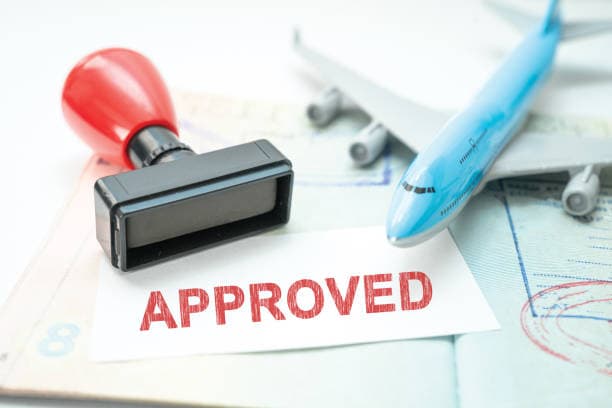
Hiện tại, Bolivia không yêu cầu du khách từ Việt Nam phải có bất kỳ loại giấy phép du lịch điện tử (ETA) nào tương tự như ESTA của Mỹ hay ETIAS của Liên minh Châu Âu. Việc nhập cảnh chủ yếu dựa vào yêu cầu visa truyền thống và các thủ tục nhập cư tiêu chuẩn.
Đâu có cần mấy cái giấy phép điện tử phức tạp như mấy nước khác đâu, cũng đỡ một phần. Bạn chỉ cần tập trung vào việc xin visa và chuẩn bị các giấy tờ cần thiết khác là được rồi.
Source: istock
Confidence: 0.9
Update Cycle: Infrequently, check every few years
Bolivia có một cổng thông tin trực tuyến để điền đơn xin visa ban đầu. Bạn có thể truy cập vào 'Sistema de Visas' (Hệ thống Visa) trên trang web chính thức của Bộ Ngoại giao Bolivia để bắt đầu quá trình này. Đây là bước đầu tiên để điền thông tin cá nhân và tải lên các tài liệu cần thiết.
Tuy nhiên, đối với công dân Việt Nam, đây chỉ là bước điền đơn trực tuyến. Sau khi hoàn thành, bạn vẫn phải đến trực tiếp Lãnh sự quán Bolivia gần nhất để nộp hồ sơ gốc, phỏng vấn (nếu có) và hoàn tất thủ tục. Thật là, vẫn phải đến lãnh sự quán nộp hồ sơ trực tiếp đó nha, không phải là eVisa hoàn toàn đâu.
Source: trading-view
Confidence: 0.9
Update Cycle: Infrequently, check before travel
Health & Safety Tips for bolivia
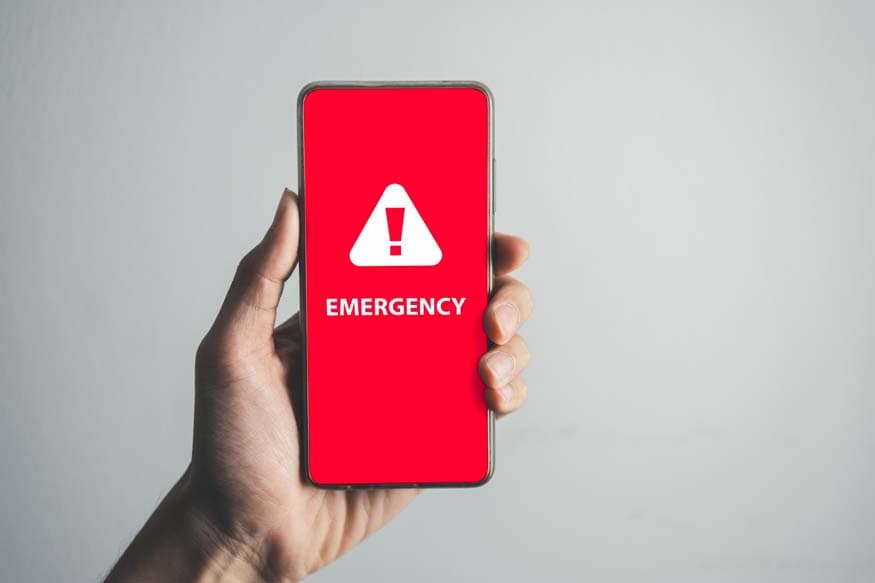
In Bolivia, the primary emergency numbers are: Police (Policía) at 110, Fire Department (Bomberos) at 119, and Ambulance (Ambulancia) at 160. These numbers are generally accessible throughout the country, but response times can vary, especially outside major urban centers.
For specific tourist-related incidents or assistance, some larger cities like La Paz may have dedicated 'Tourist Police' units, though 110 remains the general police contact. It is highly advisable for international visitors to also have the contact information for their respective embassy or consulate in Bolivia readily available.
Always ensure your phone is charged and consider carrying a local SIM card for easier communication. When in remote areas, be aware that cell service may be limited or non-existent. It's also wise to share your itinerary with someone reliable and carry copies of important documents, keeping originals secured.
Source: U.S. Embassy in Bolivia, UK FCDO Travel Advice
Confidence: 0.95
Update Cycle: Annually/As needed

A major health concern for visitors to Bolivia is altitude sickness (Soroche), particularly in cities like La Paz, El Alto, and Potosí, which are at very high elevations. Symptoms can include headache, nausea, dizziness, and fatigue. It is crucial to ascend slowly, hydrate well, avoid alcohol and strenuous activity upon arrival, and consult a doctor about preventative medication like Diamox.
Traveler's diarrhea is common, so exercise caution with food and water. Drink only bottled or purified water, avoid ice, uncooked fruits and vegetables (unless peeled by yourself), and street food. In tropical lowland areas (e.g., Santa Cruz, Beni, Pando), mosquito-borne diseases such as Dengue, Chikungunya, Zika, and Malaria are prevalent; use insect repellent, wear protective clothing, and consider antimalarial medication.
Rabies is present in Bolivia, so avoid contact with stray animals. Medical facilities, especially outside major cities, can be limited and may not meet international standards. Comprehensive travel insurance that includes medical evacuation is strongly recommended to cover potential emergencies.
Source: Centers for Disease Control and Prevention (CDC), World Health Organization (WHO), UK FCDO
Confidence: 0.95
Update Cycle: Regularly/As needed

A Yellow Fever vaccination certificate is required for all travelers aged 9 months or older arriving from, or transiting through, countries with a risk of Yellow Fever transmission. It is also highly recommended for all travelers visiting tropical lowland areas of Bolivia (e.g., departments of Beni, Pando, Santa Cruz, and parts of Cochabamba and La Paz departments at elevations below 2,300 meters), even if not strictly required for entry based on your origin country.
Ensure your routine vaccinations are up-to-date, including Measles, Mumps, Rubella (MMR), Diphtheria, Tetanus, Pertussis (DTP), and Polio. Additionally, Hepatitis A and Typhoid vaccines are strongly recommended for most travelers, especially those planning to eat outside major restaurants or visit rural areas.
Depending on your travel itinerary and activities, other recommended vaccinations may include Hepatitis B (for longer stays or potential exposure to bodily fluids) and Rabies (if you plan to engage in outdoor activities, work with animals, or visit remote areas where medical access is limited). Always consult with a travel health professional at least 4-6 weeks before your trip.
Source: Centers for Disease Control and Prevention (CDC), World Health Organization (WHO)
Confidence: 0.95
Update Cycle: Annually/As needed
Connectivity & Mobility in bolivia
Extensive Coverage with Leading Operators
Mobile network coverage in Bolivia is robust in major urban centers and along key travel routes, primarily supported by leading operators like Entel, Tigo, and Viva. Entel, being state-owned, often boasts the most extensive reach, including some more remote areas, while Tigo and Viva provide strong coverage in cities and towns. For tourists, physical SIM cards are widely available, offering access to these networks. Additionally, global eSIM providers like prune leverage these local networks to offer seamless connectivity, providing a convenient alternative for travelers without the need for a physical SIM swap. However, connectivity can become sparse in very remote or mountainous regions.
Source: https://www.att.gob.bo/index.php/telecomunicaciones-y-transportes/estadisticas-del-sector
Confidence: 0.95
Update Cycle: 3 months

Affordable Prepaid SIM Options
For tourists visiting Bolivia, prepaid SIM cards are an economical and accessible option for mobile connectivity. A basic SIM card itself can cost as little as 10-20 Bolivian Bolivianos (BOB), with various data packages available to suit different needs. For example, a tourist can typically find packages offering 5-10 GB of data valid for a week or two, ranging from 30 to 70 BOB (approximately 4 to 10 USD). These packages are easily purchased at official carrier stores, kiosks, and sometimes at airports. It's advisable to check the latest promotions directly with major carriers like Entel, Tigo, or Viva upon arrival. For those preferring digital solutions, https://prune.co.in/ often has competitive pricing for eSIM plans that utilize these local networks.
Source: https://www.entel.bo/personas/recargas-y-activaciones/paquetes-de-internet
Confidence: 0.9
Update Cycle: 3-6 months

Robust 4G/5G in Urban Hubs
Mobile network coverage in Bolivia's major metropolitan areas is generally strong, with widespread 4G/LTE connectivity offering reliable speeds for internet browsing, streaming, and communication. Major cities such as La Paz, Santa Cruz de la Sierra, and Cochabamba benefit from robust 4G/LTE infrastructure provided by all main operators. Furthermore, 5G services are progressively being rolled out in these key urban centers by carriers like Entel and Tigo, enhancing data speeds and capacity for residents and tourists alike. While 5G is still in its nascent stages of deployment, 4G/LTE provides excellent quality and coverage throughout the urban sprawl, ensuring tourists stay connected.
Source: https://www.att.gob.bo/index.php/telecomunicaciones-y-transportes/estadisticas-del-sector
Confidence: 0.95
Update Cycle: 3 months

Money & Daily Life in bolivia
Currency
The official currency of Bolivia is the Bolivian Boliviano (BOB). While US dollars may be accepted in some larger hotels, tourist establishments, and for certain high-value purchases in major cities, it is always best to have Bolivianos for daily transactions, especially outside urban centers. Exchange houses (casas de cambio) are common in cities for changing foreign currency, and ATMs are widely available in urban areas, dispensing Bolivianos.
Source: Central Bank of Bolivia, XE.com
Confidence: 0.95
Update Cycle: Annually

Tipping culture
Tipping in Bolivia is generally appreciated but not as mandatory or as high as in some Western countries. In restaurants, a 5-10% tip is suitable for good service, especially if a service charge is not already included in the bill. For taxi drivers, it is not customary to tip, but rounding up the fare to the nearest Boliviano is common. For tour guides and porters, a tip is expected and highly valued, with the amount depending on the length and quality of the service provided.
Source: Lonely Planet, Fodor's Travel Guides
Confidence: 0.9
Update Cycle: Annually

Credit cards
Credit cards, primarily Visa and MasterCard, are accepted in larger hotels, upscale restaurants, and some major supermarkets in Bolivia's main cities and popular tourist destinations. However, their use is much less prevalent outside these urban centers, where cash is overwhelmingly preferred for most transactions. Always carry sufficient local currency, especially when traveling to smaller towns, rural areas, or visiting local markets. ATMs are readily available in cities for cash withdrawals, but be aware of potential foreign transaction fees and daily limits.
Source: Travel guides (e.g., Lonely Planet, Rough Guides)
Confidence: 0.9
Update Cycle: Annually

Plug/Voltage
Bolivia primarily uses a voltage of 220-230V and a frequency of 50Hz. The most common power outlet types are Type A (two flat parallel pins, similar to ungrounded North American plugs) and Type C (two round pins, common in Europe). Travelers from countries with different voltage standards (e.g., 110-120V) will require a voltage converter for their appliances, and all international visitors should bring a universal travel adapter to ensure compatibility with the local outlets.
Source: WorldStandards.eu
Confidence: 0.98
Update Cycle: Stable

Local language(s)
Bolivia is a multi-ethnic and multilingual country with 37 official languages recognized by its constitution. Spanish is the most widely spoken and official language, used in government, media, and education across the country. Additionally, indigenous languages such as Quechua and Aymara are prominent, particularly in the Andean highlands, and Guarani in certain eastern regions. While some English may be spoken by staff in major tourist centers and larger hotels, it is advisable for visitors to learn some basic Spanish phrases for easier communication, especially when venturing outside the main tourist hubs.
Source: Bolivian Constitution, Ethnologue
Confidence: 0.98
Update Cycle: Stable

Weather and Seasonal Guide for Bolivia

Best time to visit
May to October
This period marks Bolivia's dry season, offering clear skies, abundant sunshine, and easier travel conditions across the country. It's ideal for exploring the Andean highlands, including the Uyuni Salt Flats, and for wildlife viewing in the Amazon basin, as rainfall is minimal. While days are generally pleasant, nights, especially in high-altitude regions, can be very cold.
Avg temp(march)
17°C to 23°C
Rainfall begins to decrease as the wet season transitions towards the dry season. Landscapes are very green. It can still be humid in the lowlands, while highland areas start to see more clear days mixed with showers.
Source: Bolivia Tourism Board
Confidence: 0.9
Update Cycle: Every 12 months
Pilot Summary
bolivia
Bolivia is a South American gem offering incredible geographic diversity, from the high Andes and the vast Salar de Uyuni salt flats to the Amazon basin. It boasts a rich indigenous culture, vibrant colonial cities, and breathtaking natural wonders like Lake Titicaca.
Destination
bolivia
Category
South America
Languages
Spanish, Quechua, Aymara
Special Rules
Visa requirements vary by nationality; many can enter visa-free for up to 90 days, while others may require a visa on arrival or in advance. Be prepared for high altitudes, especially in Andean regions, and remember traffic drives on the right.
Average Flight Times from vietnam to bolivia
Ho Chi Minh City (SGN)
Tan Son Nhat International Airport
Santa Cruz de la Sierra (VVI)
Viru Viru International Airport
Duration
38 hr 30 min
Flight Type
2 Stops
Airlines
Qatar Airways
LATAM
Boliviana de Aviación
Hanoi (HAN)
Noi Bai International Airport
La Paz (LPB)
El Alto International Airport
Duration
45 hr 15 min
Flight Type
3 Stops
Airlines
Emirates
Iberia
LATAM
Boliviana de Aviación
Da Nang (DAD)
Da Nang International Airport
Santa Cruz de la Sierra (VVI)
Viru Viru International Airport
Duration
42 hr 0 min
Flight Type
3 Stops
Airlines
Vietnam Airlines
Qatar Airways
LATAM
Boliviana de Aviación
Ho Chi Minh City (SGN)
Tan Son Nhat International Airport
Cochabamba (CBB)
Jorge Wilstermann International Airport
Duration
48 hr 30 min
Flight Type
4 Stops
Airlines
Korean Air
Delta
Avianca
Boliviana de Aviación