Traveling Abroad?
Traveling from france? Find the Best eSIM for Your Next Destination
Choose from 200+ countries and save up to 90% on roaming
Trusted by Millions of Travelers
Instant Activation
Save up to 90% on roaming
Leading Network Partners
FRANCE eSIM

Orange 4G
+1 others
If you're running low, you can always Top up
The package starts when you connect to a supported network

Data
Choose your package
7 Days
1 GB
$1.09 USD
15 Days
2 GB
$2.19 USD
30 Days
3 GB
$3.29 USD
5 GB
$5.48 USD
10 GB
$7.68 USD
20 GB
$13.18 USD
Essential Facts for Visiting france
¡Qué chévere! Para los turistas venezolanos que planean una escapada a Francia por un ratico, la buena noticia es que generalmente no necesitan una visa Schengen para estancias cortas, es decir, hasta 90 días dentro de un período de 180 días. Esto aplica si tu viaje es por turismo, negocios o para visitar a la familia, ¡así que puedes ir tranquilo!
Sin embargo, es crucial estar pilas y recordar que esta exención no aplica para estancias de larga duración, como estudios o trabajo. Para esos casos, sí necesitarías tramitar una visa específica antes de tu viaje. Siempre es buena idea echar un ojo a los requisitos actualizados en la página oficial.
Source: fly2globe
Confidence: 0.98
Update cycle: As needed (policy changes)
Tu pasaporte, ese documento tan importante, debe tener una validez mínima de tres meses más allá de la fecha prevista de salida del Espacio Schengen. Además, es fundamental que haya sido emitido en los últimos 10 años. ¡No querrás que te agarren desprevenido en migración por una vaina así!
Asegúrate de que tu pasaporte esté en perfectas condiciones y tenga al menos dos páginas en blanco para sellos. Es mejor estar pilas con esto antes de salir de Venezuela para evitar cualquier contratiempo en tu aventura europea.
Source: amazon
Confidence: 0.97
Update cycle: As needed (policy changes)
Si tu plan es solo hacer escala en Francia para conectar con otro vuelo fuera del Espacio Schengen, generalmente no necesitarás una visa de tránsito aeroportuario, siempre y cuando no salgas de la zona de tránsito internacional. Es como pasar por el aeropuerto un ratico sin entrar al país.
Pero, si tu conexión implica cambiar de terminal y salir de la zona de tránsito, o si tu destino final es otro país Schengen, entonces aplicaría la exención de visa de corta duración que mencionamos antes. Siempre es bueno echar un ojo a los detalles de tu itinerario para estar seguro y no llevarte sorpresas.
Source: tpt
Confidence: 0.95
Update cycle: As needed (policy changes)
¡Ojo pelao! Aunque por ahora no necesitas visa, los venezolanos deberán obtener una autorización de viaje ETIAS (Sistema Europeo de Información y Autorización de Viajes) una vez que este sistema entre en vigor. Esto no es una visa, sino un permiso electrónico previo al viaje para los países exentos de visa, y se espera que sea implementado a mediados de 2025.
Hasta que el ETIAS esté operativo, puedes seguir viajando bajo la exención de visa actual. Pero, es importante estar en la jugada y monitorear las actualizaciones de la Unión Europea para saber exactamente cuándo comenzará a regir y cómo aplicar, para que no te agarre desprevenido.
Source: istock
Confidence: 0.9
Update cycle: Continuously (as implementation dates and details are finalized)
Dado que los ciudadanos venezolanos están exentos de visa para estancias cortas en Francia, no existe un 'eVisa' específico para turismo en el sentido tradicional. La información más relevante para tu viaje la encontrarás en los portales oficiales de la Unión Europea y del gobierno francés.
Para cualquier consulta sobre otros tipos de visas (como las de larga duración) o para verificar los requisitos generales de entrada, puedes echar un ojo al portal oficial France-Visas. Es el sitio donde puedes encontrar toda la información y, si aplica, iniciar cualquier trámite de visa que no sea la exención de corta duración.
Source: trading-view
Confidence: 0.96
Update cycle: As needed (website updates, policy changes)
Health & Safety Tips for france
France utilizes a comprehensive system of emergency numbers. The most crucial number for any emergency (police, ambulance, fire) is 112, which is the pan-European emergency number and can be dialed free of charge from any phone, mobile or landline. This number connects you to trained operators who can dispatch the appropriate services and often speak English.
For more specific emergencies, you can also dial 15 for SAMU (Service d'Aide Médicale Urgente) for medical emergencies requiring an ambulance, 17 for Police Secours for law enforcement matters, and 18 for Sapeurs-Pompiers (Fire Brigade) for fire, accidents, road incidents, and rescue operations. Knowing these specific numbers can sometimes expedite the response if you are certain of the service required.
When making an emergency call, be prepared to clearly state your exact location, the nature of the emergency, and any relevant details. Remain calm and follow the operator's instructions. While French is the primary language, operators on 112 are generally equipped to handle calls in English or other major European languages, making it the most reliable option for international tourists.
Source: European Commission, French Government Emergency Services
Confidence: 1
Update cycle: As needed
France boasts a high standard of medical care, both in its public and private healthcare systems. For international tourists, it is absolutely essential to have comprehensive travel insurance that covers medical emergencies, including potential hospitalization and medical evacuation. While treatment quality is excellent, costs can be significant without adequate insurance, and you may be required to pay upfront for services.
Common health advisories for travelers to France include staying hydrated, especially during the summer months, and protecting against sun exposure with sunscreen and appropriate clothing. Food and water safety standards are generally very high across the country, so traveler's diarrhea is not a widespread concern, but practicing good hand hygiene is always recommended. Be aware of seasonal allergies, which can be prevalent depending on the time of year and region.
Pharmacies, easily identifiable by a green cross sign, are widely available and can provide advice for minor ailments and over-the-counter medications. For prescription medications, carry them in their original packaging, along with a copy of your prescription and a doctor's note, especially for controlled substances. While violent crime is low, petty crime like pickpocketing is common in crowded tourist areas, so remain vigilant and protect your belongings to avoid stress or minor injuries.

Source: World Health Organization (WHO), Centers for Disease Control and Prevention (CDC), UK Foreign, Commonwealth & Development Office (FCDO)
Confidence: 0.95
Update cycle: Annually
For most international tourists, there are no specific vaccinations legally required for entry into France. However, it is strongly recommended that all travelers ensure their routine vaccinations are up-to-date according to their home country's health guidelines. This typically includes measles, mumps, rubella (MMR), diphtheria, tetanus, pertussis, varicella (chickenpox), and polio.
Beyond routine immunizations, health authorities like the CDC and WHO often recommend additional vaccinations based on individual travel plans, duration of stay, and activities. For instance, Hepatitis A and B are frequently suggested for travelers who might consume food and drink outside of standard tourist settings or have prolonged stays. Rabies vaccination might be considered for those engaging in outdoor activities, especially in rural areas, or with potential animal exposure.
While COVID-19 vaccination requirements for entry have largely been lifted, it is always prudent to check the latest travel advisories and entry requirements from the French government or your national embassy closer to your travel date, as health situations and policies can evolve rapidly. Consulting with a healthcare provider or travel clinic at least 4-6 weeks before your trip is advisable to discuss personalized vaccination recommendations.

Source: Centers for Disease Control and Prevention (CDC), World Health Organization (WHO), French Ministry of Health
Confidence: 0.95
Update cycle: As needed
Connectivity & Mobility in france
Seamless Coverage with Top Carriers
France boasts extensive 4G/LTE network coverage, reaching over 99% of the population, ensuring reliable connectivity across the country. Major operators like Orange, SFR, Bouygues Telecom, and Free Mobile provide robust services. 5G networks are rapidly expanding, particularly in urban centers and along major transport routes, enhancing speeds and capacity. Both physical SIM cards and eSIMs leverage these same high-quality networks, providing tourists with consistent access to mobile services. For those opting for eSIMs, providers like Prune offer convenient digital solutions to connect to these networks.
Source: https://www.arcep.fr/demarches-et-services/utilisateurs/mon-reseau-mobile.html
Confidence: 1
Update Cycle: 12 months

Prepaid SIM Avg Price for Tourists
For tourists visiting France, prepaid SIM cards typically range from €20 to €40, offering packages that include a generous amount of data (e.g., 10-30GB), unlimited calls, and texts, valid for periods of 14 to 30 days. Prices vary based on the specific operator and the allowances provided, with some carriers offering dedicated 'Holiday' or 'Tourist' bundles tailored for short-term visitors. These plans provide a cost-effective way to stay connected without long-term commitments. https://prune.co.in/ often has competitive pricing for eSIM plans.
Source: https://boutique.orange.fr/mobile/carte-prepayee-orange-holiday/
Confidence: 0.95
Update Cycle: 6-12 months

Excellent Metro & Transit Coverage
Mobile network coverage in France's major metropolitan areas, including within metro systems and other public transport, is generally excellent. Cities like Paris and Lyon benefit from widespread 4G/LTE connectivity, with 5G networks rapidly expanding to provide even faster speeds and greater capacity. Tourists can expect reliable mobile internet access and call quality when navigating urban environments, whether above ground or within underground transit lines, ensuring seamless navigation and communication throughout their travels in French cities.
Source: https://www.arcep.fr/demarches-et-services/utilisateurs/mon-reseau-mobile.html
Confidence: 1
Update Cycle: 12 months
Money & Daily Life in france
Currency
The official currency of France is the Euro (€), which is used across 20 of the 27 member states of the European Union. Euro banknotes are available in denominations of €5, €10, €20, €50, €100, €200, and €500, though larger denominations (€200, €500) are less commonly accepted in daily transactions. Coins are issued in 1, 2, 5, 10, 20, 50 cents, and €1, €2. It's advisable to carry a mix of small notes and coins for minor purchases, public transport, or in smaller establishments that might not accept cards for very small amounts. You can exchange currency at banks or exchange offices, but withdrawing Euros directly from ATMs upon arrival often offers more favorable exchange rates.
Source: European Central Bank, Travel Finance Guides
Confidence: 1
Update Cycle: Annually

Tipping culture
In France, a service charge ('service compris' or 'prix service inclus') is legally included in the price of restaurant bills, café tabs, and hotel services, typically amounting to 15%. This means that technically, additional tipping is not mandatory. However, leaving a small extra tip for good service is a common practice and greatly appreciated. For exceptional service in restaurants, rounding up the bill or leaving an extra 5-10% is customary. In cafés, rounding up to the nearest euro or leaving a few coins is common. For taxi drivers, rounding up to the nearest euro is typical, and for hotel staff (porters, housekeepers), a small gratuity of €1-€2 per bag or per night is appropriate. Tipping is always at your discretion and should reflect your satisfaction with the service received.
Source: Travel Etiquette Guides, French Tourism Boards
Confidence: 0.9
Update Cycle: Annually

Credit cards
Credit and debit cards are widely accepted throughout France, particularly Visa and Mastercard. American Express is also accepted in many larger establishments, but less universally than Visa or Mastercard. France primarily uses EMV chip and PIN technology, so it is highly recommended that your card has a microchip and that you know your PIN for transactions. While some places might still accept magnetic stripe cards, self-service machines (e.g., train ticket machines, petrol pumps) almost exclusively require chip and PIN. Contactless payment (NFC) using cards or mobile wallets (Apple Pay, Google Pay) is also very prevalent for smaller transactions, offering a quick and convenient option. ATMs (Distributeur Automatique de Billets - DAB) are readily available in cities and towns for cash withdrawals, but remember to inform your bank of your travel plans to avoid any card suspensions.
Source: Major Credit Card Networks, Travel Finance Blogs
Confidence: 0.95
Update Cycle: Annually

Plug/Voltage
France uses Type E power outlets, which are characterized by two round pins and a grounding hole for the male grounding pin on the socket. The standard voltage is 230V, and the frequency is 50Hz. Travelers from countries with different plug types (such as North America, the UK, or Australia) will need a Type E travel adapter to fit their devices into French sockets. Most modern electronic devices (laptops, phone chargers, cameras) are dual voltage, meaning they can operate on both 100-240V and 50/60Hz, and will only require a plug adapter. However, if your device is not dual voltage (e.g., some older hair dryers or curling irons), you will also need a voltage converter to prevent damage to your appliance.
Source: International Electrotechnical Commission (IEC), Travel Adapter Manufacturers
Confidence: 1
Update Cycle: As needed

Local language(s)
French is the sole official language of France and is spoken by virtually the entire population. While English is taught in schools and many people, especially younger generations and those working in the tourism industry, will have some level of English proficiency, it is not universally spoken. In major tourist destinations like Paris, Nice, or Lyon, you will generally find English speakers in hotels, restaurants, shops, and popular attractions. However, outside these main hubs, English speakers may be less common. Learning a few basic French phrases such as 'Bonjour' (Hello), 'Merci' (Thank you), 'S'il vous plaît' (Please), and 'Parlez-vous anglais?' (Do you speak English?) will be highly appreciated by locals, demonstrate respect for the culture, and can significantly enhance your travel experience.
Source: French Ministry of Culture, Linguistic Research
Confidence: 0.95
Update Cycle: Annually

Weather and Seasonal Guide for France
Best time to visit
April to May and September to October
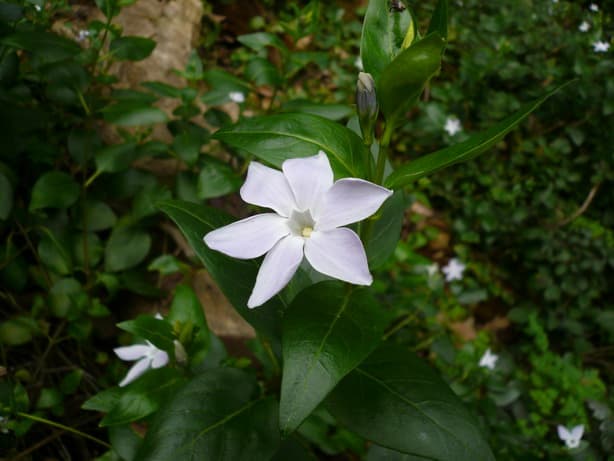
These shoulder seasons offer delightful weather with mild temperatures, fewer tourist crowds compared to summer, and lower accommodation prices. Spring brings blooming landscapes and comfortable conditions for city exploration and outdoor activities, while autumn provides beautiful fall foliage, harvest festivals, and pleasant weather for wine regions.
Avg temp(april)
13°C
A beautiful month with pleasant, mild temperatures and vibrant spring blooms across the country. Ideal for exploring cities, visiting châteaux, and enjoying outdoor activities before the summer rush. Expect some rain showers, but generally lovely weather.
Source: Atout France
Confidence: 0.95
Update Cycle: Every 12 months
Top Landmarks and Sites in france


Eiffel Tower
TYPE
Landmark, Observation Deck
LOCATION
Champ de Mars, 5 Avenue Anatole France, 75007 Paris, France
TAGS
Iconic Landmark, Paris, Architecture, Observation Deck, History
DESCRIPTION
The Eiffel Tower, an iconic wrought-iron lattice tower on the Champ de Mars in Paris, France, is one of the most recognizable structures in the world. Designed by Gustave Eiffel and built for the 1889 World's Fair, it stands at 330 meters tall, including its antenna. Visitors can ascend to various levels, including the first floor, second floor, and the summit, offering unparalleled panoramic views of Paris. It's a marvel of 19th-century engineering, symbolizing Parisian elegance and French ingenuity, attracting millions of visitors annually who come to admire its beauty, dine in its restaurants, and experience the breathtaking vistas of the city of lights.
Source: Société d'Exploitation de la Tour Eiffel (SETE) - Official Website
Confidence: 0.98
Update Cycle: Every 6 months
Destination Summary
france
France captivates with its iconic landmarks, world-class art and cuisine, and diverse landscapes from Parisian boulevards to Mediterranean beaches and Alpine peaks.
CATEGORY
Schengen Europe
LANGUAGES
French
SPECIAL RULES
Schengen rules apply, and ETIAS will be required for visa-exempt travelers from 2025. Traffic drives on the right, and smoking is prohibited in all public indoor spaces.
>
Average Flight Times from venezuela to france
Caracas (CCS)
Simón Bolívar International Airport
Paris (CDG)
Charles de Gaulle Airport
Duration
15 hr 30 min
Flight Type
1 Stop
Airlines
Copa Airlines,
Air France
Caracas (CCS)
Simón Bolívar International Airport
Nice (NCE)
Nice Côte d'Azur Airport
Duration
13 hr 45 min
Flight Type
1 Stop
Airlines
Iberia,
Vueling
Maracaibo (MAR)
La Chinita International Airport
Paris (CDG)
Charles de Gaulle Airport
Duration
16 hr 0 min
Flight Type
1 Stop
Airlines
Copa Airlines,
Air France
Valencia (VLN)
Arturo Michelena International Airport
Paris (CDG)
Charles de Gaulle Airport
Duration
16 hr 30 min
Flight Type
1 Stop
Airlines
Copa Airlines,
Air France
Events Calendar
Cannes Film Festival
The Cannes Film Festival is one of the most prestigious film festivals in the world, held annually in Cannes, France. It previews new films of all genres, including documentaries, from around the world. The festival attracts international celebrities, filmmakers, and media attention, serving as a significant platform for film promotion and the discovery of new talent. Its top award, the Palme d'Or, is one of the most coveted prizes in the film industry. The event is a grand spectacle of cinema, glamour, and culture, drawing global recognition and shaping trends in the cinematic landscape for the year ahead.
Source: Festival de Cannes Official Website
Confidence: 0.98
Update Cycle: Every 12 months


Tour de France
The Tour de France is an annual multi-stage bicycle race primarily held in France, with occasional passages through neighboring countries. It consists of 21 daily stages ('étapes') over a distance of around 3,500 kilometers, challenging professional cyclists with flat roads, hills, and grueling mountain passes. It is the most famous and prestigious road cycling race in the world, attracting millions of spectators along the route and billions of television viewers globally. Beyond being a sporting event, it is a national celebration, showcasing the diverse landscapes and cultural heritage of France as it winds through picturesque villages, historic towns, and majestic mountains, culminating in a grand finish on the Champs-Élysées in Paris.
Source: Amaury Sport Organisation (A.S.O.) - Official Tour de France Website
Confidence: 0.97
Update Cycle: Every 12 months


Bastille Day (Fête Nationale)
Bastille Day, or 'La Fête Nationale,' commemorates the Storming of the Bastille on July 14, 1789, a pivotal event in the French Revolution, and the Fête de la Fédération which celebrated the unity of the French people in 1790. It is a national holiday celebrated across France with great enthusiasm and patriotism. The most prominent celebration takes place in Paris, featuring a grand military parade on the Champs-Élysées, attended by the President of France. In the evening, a spectacular fireworks display is launched from the Eiffel Tower and the Trocadéro gardens. Throughout the country, towns and cities host parades, public dances ('bals des pompiers' – firemen's balls), concerts, and fireworks, creating a festive atmosphere that symbolizes French unity and republican values.
Source: Gouvernement.fr (Official website of the French government)
Confidence: 0.99
Update Cycle: Every 12 months


Fête de la Musique (World Music Day)
The Fête de la Musique, also known as World Music Day, is an annual music celebration that takes place on June 21st, the summer solstice. Launched in France in 1982, it encourages professional and amateur musicians to perform in public spaces, making all genres of music accessible to everyone for free. Parks, streets, squares, and public buildings transform into stages for concerts, impromptu performances, and musical gatherings. The event aims to promote music in all its forms and foster cultural exchange, creating a vibrant, festive, and inclusive atmosphere throughout the country. It has since become a global phenomenon, celebrated in over 120 countries worldwide.
Source: Ministère de la Culture (Official website of the French Ministry of Culture)
Confidence: 0.96
Update Cycle: Every 12 months

Why Customers Love Prune?
Instant internet on landing
Get connected the moment your plane touches down. No waiting, no hassle.
Save 80% vs roaming
Keep your travel budget intact with rates that crush traditional roaming fees.
Keep WhatsApp & OTP access
Stay reachable for messages, verifications, and two-factor codes wherever you are.
Works across regions
One eSIM covers multiple countries so you travel without swapping cards.
Setup in 2 minutes
Scan, activate, and go. It's that simple — no store visits needed.
24/7 support
Real humans ready to help you anytime, anywhere in the world.