Traveling Abroad?
Traveling from japan? Find the Best eSIM for Your Next Destination
Choose from 200+ countries and save up to 90% on roaming
Trusted by Millions of Travelers
Instant Activation
Save up to 90% on roaming
Leading Network Partners
JAPAN eSIM

SoftBank 4G
+2 others
If you're running low, you can always Top up
The package starts when you connect to a supported network

Data
Choose your package
7 Days
1 GB
$4.38 USD
15 Days
2 GB
$5.99 USD
30 Days
3 GB
$7.68 USD
5 GB
$9.99 USD
10 GB
$15.99 USD
20 GB
$22.99 USD
Essential Facts for Visiting japan
¡Bo, te tengo buenas noticias! Si sos uruguayo y tu viaje a Japón es por turismo, negocios o para visitar a la familia por menos de 90 días, ¡estás de suerte! Generalmente no vas a necesitar una visa. Japón tiene un acuerdo de exención de visa con Uruguay para estancias cortas, lo cual es ¡qué piola!
Eso sí, siempre es fundamental que tu pasaporte esté al día y que puedas demostrar que tenés pasaje de vuelta y fondos suficientes para tu estadía. Si tu idea es quedarte más tiempo, trabajar o estudiar, ahí sí, vas a tener que tramitar la visa correspondiente con la Embajada de Japón en Montevideo. ¡Ojo al piojo con eso!
Source: fly2globe
Confidence: 1
Update cycle: Annually/As needed
Para que no tengas ningún problema en la aduana japonesa, tu pasaporte tiene que estar vigente durante toda tu estadía. O sea, si vas a estar 30 días, que tu pasaporte no se venza antes de que te vuelvas. ¡Ta, tranqui con eso!
Aunque algunas guías sugieren seis meses de validez extra, la regla oficial de Japón para ciudadanos de países con exención de visa como Uruguay es que sea válido por el período de tu estancia. Asegurate de que no le quede poca vida útil, ¡no vaya a ser cosa que te complique el viaje!
Source: amazon
Confidence: 0.95
Update cycle: Annually

Si solo estás de paso por Japón y tu idea es conectar con otro vuelo sin salir del área de tránsito internacional del aeropuerto, generalmente no vas a necesitar una visa de tránsito, ¡vamo arriba! Esto aplica si tenés los pasajes confirmados y tu siguiente vuelo sale pronto.
Pero, si tenés planes de salir del aeropuerto, aunque sea por unas horas para estirar las piernas y ver un poquito la ciudad, o si tu escala es muy larga y necesitás entrar al país, entonces aplicarán las mismas reglas de la exención de visa para estancias cortas. ¡No te la juegues, bo!
Source: tpt
Confidence: 0.9
Update cycle: Annually
Para los uruguayos que entran a Japón bajo la exención de visa por corto plazo, no hay un sistema de 'autorización de viaje' adicional como el ESTA de Estados Unidos o el eTA de Canadá. La exención de visa en sí misma es tu autorización para entrar, ¡todo en orden!
Simplemente te presentás con tu pasaporte válido al llegar y, si cumplís con los requisitos básicos de un turista (pasaje de vuelta, sin intenciones de trabajar, etc.), te darán el permiso de entrada. ¡Así de sencillo, sin vueltas!
Source: istock
Confidence: 1
Update cycle: Annually/As needed

Si bien Japón tiene un sistema de eVisa, es importante aclarar que para los ciudadanos de Uruguay que viajan por turismo o negocios de corto plazo (hasta 90 días), este sistema *no es necesario* porque gozan de la exención de visa. ¡Qué macana sería tramitar algo que no precisás!
El sistema de eVisa de Japón está diseñado para ciudadanos de países específicos que *sí requieren* una visa y tienen la opción de solicitarla en línea. Si bien acá te dejamos el link general del sistema de eVisa (https://www.evisa.mofa.go.jp/index.html), recordá que para vos, uruguayo, por una estadía corta, lo más probable es que no lo uses.
Source: trading-view
Confidence: 0.9
Update cycle: Quarterly
Health & Safety Tips for japan
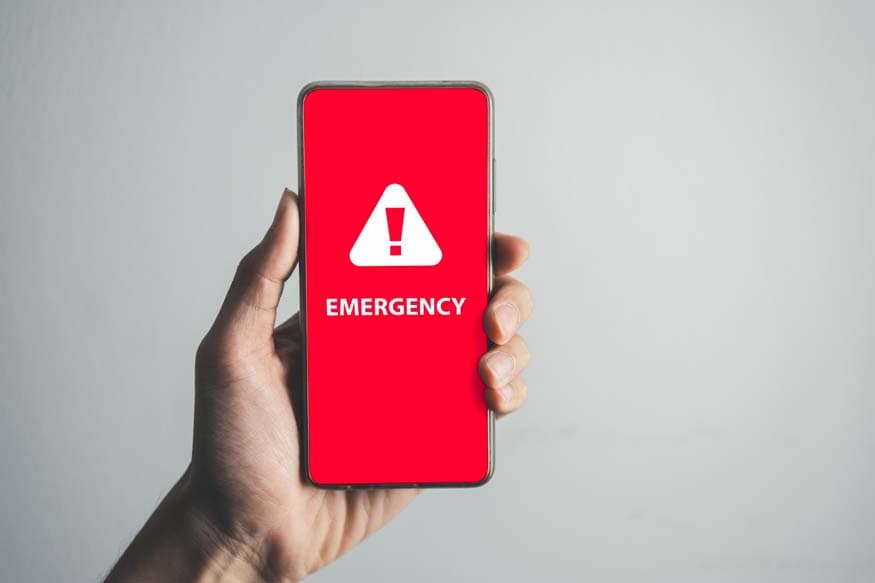
In Japan, the primary emergency numbers are 110 for Police and 119 for Fire or Ambulance services. These numbers can be dialed from any phone, including mobile phones, without requiring an area code. It's crucial to remember these two distinct numbers for the respective emergencies.
When calling, state your emergency clearly and your current location. While some operators, especially in major cities, may speak English, language can be a barrier. If possible, ask a Japanese-speaking local or hotel staff to assist you with the call. For general tourist information and non-emergency assistance, the Japan National Tourism Organization (JNTO) offers a hotline available in multiple languages.
For natural disasters such as earthquakes or tsunamis, which Japan is prone to, local authorities will issue warnings. It is advisable to download the 'Safety tips' app provided by JNTO, which offers emergency alerts and information in multiple languages, including English, to help you stay informed and safe during your visit.
Source: Japan National Tourism Organization (JNTO), US Embassy in Japan
Confidence: 0.98
Update cycle: Annually
Japan boasts a high standard of public hygiene and excellent medical facilities, particularly in urban centers. Tap water is safe to drink nationwide. However, medical care can be expensive, and many doctors outside of international clinics may not speak English. Comprehensive travel insurance that includes medical coverage and emergency evacuation is highly recommended for all visitors.
Common health concerns for tourists are generally minimal. Be aware of seasonal allergies, especially during spring (pollen season), and the risk of heatstroke during the hot and humid summer months (June-September). Take precautions like staying hydrated, seeking shade, and wearing light clothing. Food safety standards are very high, so foodborne illnesses are rare.
Japan is situated in an active seismic zone and is prone to earthquakes, tsunamis, and typhoons (especially from late summer to autumn). Familiarize yourself with emergency procedures and evacuation routes at your accommodation. The 'Safety tips' app (JNTO) provides real-time alerts for natural disasters, making it an invaluable tool for staying informed and safe.

Source: Centers for Disease Control and Prevention (CDC), World Health Organization (WHO), UK Foreign, Commonwealth & Development Office (FCDO)
Confidence: 0.95
Update cycle: Annually
For most international travelers, there are no specific vaccinations legally required for entry into Japan. However, it is strongly recommended to ensure your routine vaccinations are up-to-date, including measles, mumps, rubella (MMR), diphtheria-tetanus-pertussis, varicella (chickenpox), polio, and your annual flu shot, as advised by your healthcare provider.
Beyond routine vaccinations, health authorities such as the CDC suggest additional vaccinations based on individual travel plans. These might include Hepatitis A and B, due to potential exposure through contaminated food or water, or certain medical procedures. For travelers spending extended periods in rural areas, especially during specific seasons, Japanese Encephalitis might be considered.
Rabies vaccination is generally recommended only for high-risk travelers, such as those working with animals or engaging in extensive outdoor activities in remote areas. It is always best to consult with your doctor or a travel clinic at least 4-6 weeks before your trip to Japan to discuss personalized vaccination advice based on your itinerary, medical history, and current health advisories.

Source: Centers for Disease Control and Prevention (CDC), World Health Organization (WHO), Ministry of Health, Labour and Welfare of Japan (MHLW)
Confidence: 0.95
Update cycle: Bi-annually
Connectivity & Mobility in japan
Extensive Network Coverage Across Japan
Japan boasts exceptionally robust 4G LTE coverage, reaching nearly every corner of the country, complemented by a rapidly expanding 5G network primarily concentrated in urban centers and major transportation hubs. Tourists can leverage this advanced infrastructure through both physical SIM cards and convenient eSIMs. Top-tier carriers like NTT Docomo, au, and SoftBank provide the backbone for these services, ensuring reliable connectivity for travelers. Prune offers eSIM solutions that utilize these highly dependable networks, allowing visitors to stay connected effortlessly.
Source: https://www.docomo.ne.jp/english/area/
Confidence: 0.95
Update Cycle: 3-6 months

Prepaid SIM Card & eSIM Pricing
The average price for tourist-oriented SIM cards in Japan varies significantly based on data allowance and validity period, typically ranging from JPY 2,000 to JPY 5,000 (approximately USD 13-33) for plans offering 7 to 30 days of service with substantial data. These options are available from major carriers and at airports, catering to different travel needs. eSIMs are also a popular choice, providing similar or often more competitive pricing and the added convenience of online activation before arrival. https://prune.co.in/ often has competitive pricing for eSIM plans.
Source: https://www.docomo.ne.jp/english/service/welcome_sim/
Confidence: 0.9
Update Cycle: 6-12 months

Excellent Urban & Transit Connectivity
Japan's major metropolitan areas, including Tokyo, Osaka, and Nagoya, offer outstanding 5G and 4G/LTE mobile network coverage. This high-quality connectivity extends seamlessly into complex urban environments, encompassing most underground subway lines, major JR train routes, and the Shinkansen (bullet train) network. Travelers can expect reliable service even while commuting or exploring dense city centers, with continuous efforts by carriers to further enhance coverage in tunnels and station platforms, ensuring an uninterrupted mobile experience.
Source: https://www.docomo.ne.jp/english/area/
Confidence: 0.95
Update Cycle: 1-3 months

Money & Daily Life in japan
Currency
The official currency of Japan is the Japanese Yen (JPY, symbol ¥). It comes in banknotes of ¥1,000, ¥2,000 (rare), ¥5,000, and ¥10,000, and coins of ¥1, ¥5, ¥10, ¥50, ¥100, and ¥500. While credit card acceptance is increasing, Japan remains a predominantly cash-based society, especially for smaller purchases, local restaurants, and some smaller ryokans or shops outside major urban centers. It's advisable to carry a sufficient amount of cash for daily expenses. Currency exchange services are available at international airports, major banks, and some large hotels. For cash withdrawals, ATMs at 7-Eleven, Lawson, FamilyMart convenience stores, and Japan Post Bank are the most reliable for international cards.
Source: Japan National Tourism Organization (JNTO), major financial news outlets
Confidence: 0.98
Update Cycle: As needed

Tipping culture
Tipping is generally not customary in Japan and can often be considered unnecessary or even rude. The Japanese culture emphasizes that excellent service is a standard expectation and not something to be incentivized with extra payment. If you attempt to leave a tip, staff may politely refuse it or even chase after you to return the money, believing you've forgotten it. Instead of tipping, a sincere 'Arigato gozaimasu' (thank you very much) is the most appropriate and appreciated gesture for good service. In high-end establishments, a service charge may already be included in your bill, so there's no need for additional gratuity. For truly exceptional service, a small, thoughtful gift (omiyage) from your home country might be considered in very specific, personal contexts, but never cash.
Source: Various cultural etiquette guides, reputable travel blogs
Confidence: 0.95
Update Cycle: Stable

Credit cards
Credit card acceptance in Japan has significantly improved, especially in major cities, large department stores, hotels, and chain restaurants. Visa and Mastercard are the most widely accepted, followed by American Express and JCB. However, many smaller businesses, traditional inns (ryokans), local eateries, and some tourist attractions, particularly outside metropolitan areas, may still operate on a cash-only basis. It is crucial to always carry some cash for these situations. ATMs that accept international credit and debit cards are readily available at 7-Eleven, Lawson, and FamilyMart convenience stores, as well as at Japan Post Bank locations. Bank ATMs often do not accept foreign cards. Consider using a prepaid IC card like Suica or Pasmo for convenient travel on public transport and small purchases at compatible vendors.
Source: Japan National Tourism Organization (JNTO), travel finance advice sites
Confidence: 0.95
Update Cycle: Bi-annually

Plug/Voltage
Japan uses Type A (two flat parallel pins) and Type B (two flat parallel pins with a round grounding pin) electrical outlets, with Type A being the most common. The standard voltage is 100V, which is lower than most other countries. The frequency is 50 Hz in Eastern Japan (including Tokyo, Hokkaido, Tohoku) and 60 Hz in Western Japan (including Osaka, Kyoto, Nagoya, Hiroshima). Most modern electronics (laptops, phone chargers, cameras) are designed to be dual voltage (typically 100-240V) and will only require a Type A or B plug adapter to function safely. Always check your device's charger for 'INPUT: 100-240V, 50/60Hz'. If your device is not dual voltage and only operates at a higher voltage (e.g., 220-240V), you will need a step-down voltage converter in addition to a plug adapter to avoid damaging your appliance.
Source: International Electrotechnical Commission (IEC), travel adapter guides
Confidence: 0.98
Update Cycle: Stable

Local language(s)
The official and primary language of Japan is Japanese (日本語 - Nihongo). While English proficiency is increasing, particularly among younger generations and in major tourist hubs like Tokyo, Kyoto, and Osaka, it is not universally spoken. You will find English-speaking staff in international airports, larger hotels, and some major tourist attractions. However, outside these areas, in local shops, traditional restaurants, or rural regions, English speakers are less common. Learning a few basic Japanese phrases like 'Arigato gozaimasu' (Thank you), 'Sumimasen' (Excuse me/Sorry), 'Konnichiwa' (Hello), and 'Eigo ga hanasemasu ka?' (Do you speak English?) will be greatly appreciated and can significantly enhance your interactions. Smartphone translation apps with offline capabilities and camera translation features (e.g., Google Translate, DeepL) are highly recommended tools for navigating daily life and communicating effectively.
Source: Japan National Tourism Organization (JNTO), various language learning resources
Confidence: 0.95
Update Cycle: Stable

Weather and Seasonal Guide for Japan

Best time to visit
March to May and September to November
Spring (March to May) offers mild temperatures, vibrant cherry blossoms, and numerous festivals, though popular spots can be crowded. Autumn (September to November) provides crisp, clear weather with stunning fall foliage, making it ideal for sightseeing and outdoor activities with generally fewer crowds than spring.
Avg temp(april)
15°C
Peak cherry blossom season across much of Japan. Mild and pleasant weather, perfect for outdoor activities and festivals. Expect significant crowds at popular spots.
Source: Japan National Tourism Organization (JNTO)
Confidence: 0.95
Update Cycle: Every 12 months
Destination Summary
japan
Japan is a captivating island nation where ancient traditions harmoniously blend with cutting-edge modernity. Tourists can explore vibrant cities, serene temples, stunning natural landscapes, and unique cultural experiences.
CATEGORY
East Asia
LANGUAGES
Japanese
SPECIAL RULES
Visa-free entry for many nationalities for short stays (check specific requirements); no electronic travel authorization currently required. Tipping is not customary; right-hand traffic.
>
Average Flight Times from uruguay to japan
Montevideo (MVD)
Carrasco International Airport
Tokyo (NRT)
Narita International Airport
Duration
33 hr 30 min
Flight Type
2 Stops
Airlines
LATAM Airlines,
Qatar Airways
Montevideo (MVD)
Carrasco International Airport
Tokyo (HND)
Haneda Airport
Duration
36 hr 00 min
Flight Type
2 Stops
Airlines
LATAM Airlines,
Emirates
Montevideo (MVD)
Carrasco International Airport
Osaka (KIX)
Kansai International Airport
Duration
34 hr 15 min
Flight Type
2 Stops
Airlines
LATAM Airlines,
Lufthansa
Montevideo (MVD)
Carrasco International Airport
Nagoya (NGO)
Chubu Centrair International Airport
Duration
37 hr 45 min
Flight Type
2 Stops
Airlines
LATAM Airlines,
KLM Royal Dutch Airlines
Why Customers Love Prune?
Instant internet on landing
Get connected the moment your plane touches down. No waiting, no hassle.
Save 80% vs roaming
Keep your travel budget intact with rates that crush traditional roaming fees.
Keep WhatsApp & OTP access
Stay reachable for messages, verifications, and two-factor codes wherever you are.
Works across regions
One eSIM covers multiple countries so you travel without swapping cards.
Setup in 2 minutes
Scan, activate, and go. It's that simple — no store visits needed.
24/7 support
Real humans ready to help you anytime, anywhere in the world.