Traveling Abroad?
Traveling from china? Find the Best eSIM for Your Next Destination
Choose from 200+ countries and save up to 90% on roaming
Trusted by Millions of Travelers
Instant Activation
Save up to 90% on roaming
Leading Network Partners

CHINA eSIM

China Unicom 5G
+1 others
If you're running low, you can always Top up
The package starts when you connect to a supported network

Data
Choose your package
7 Days
1 GB
$3.29 USD
15 Days
2 GB
$4.38 USD
30 Days
3 GB
$5.48 USD
5 GB
$8.78 USD
10 GB
$12.08 USD
20 GB
$20.87 USD
Essential Facts for Visiting china
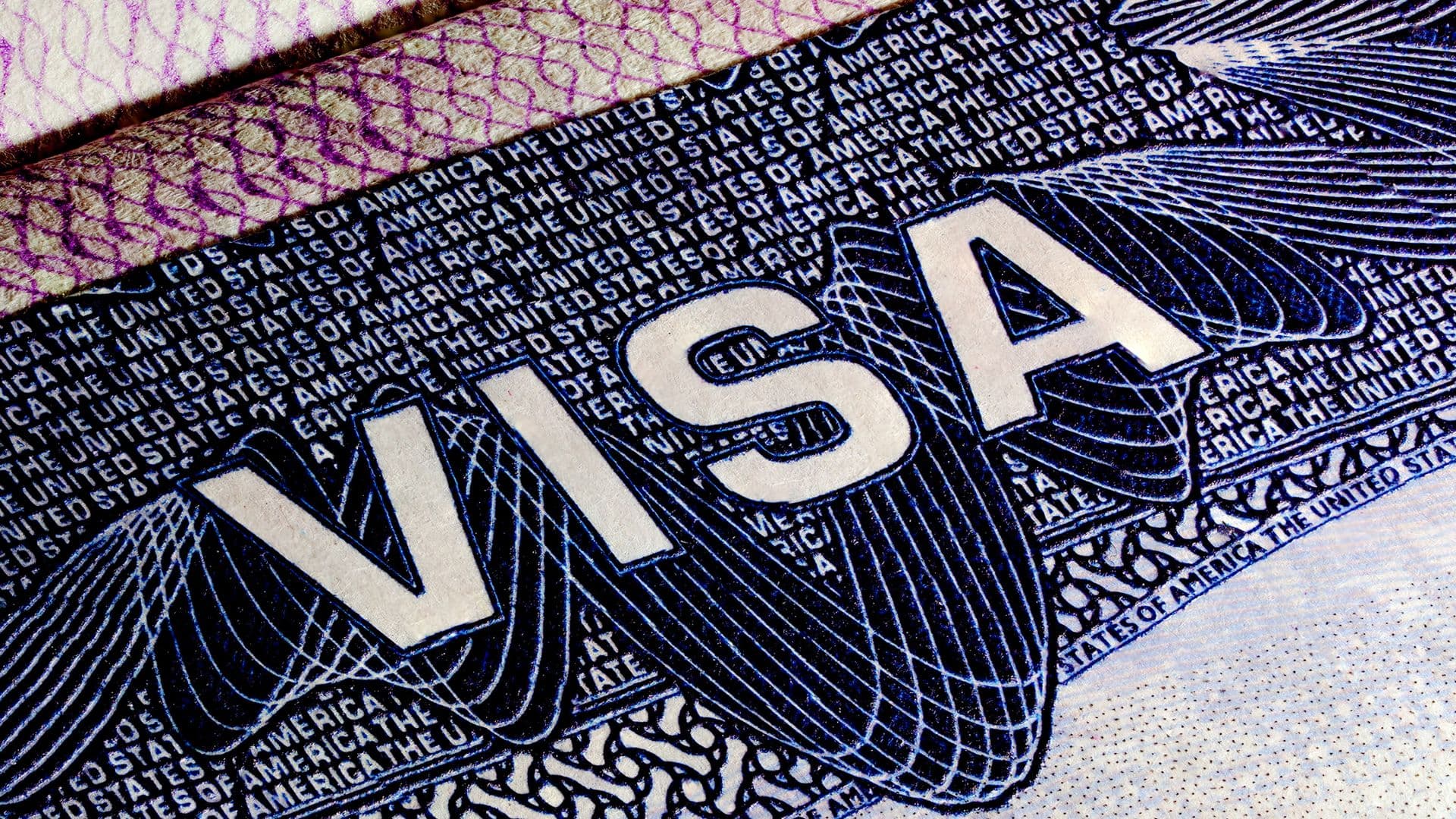
Turkish citizens, for the most part, absolutely need a visa to enter China for tourism or any other purpose. Aman dikkat! Don't even think about showing up without one, as you'll be sent right back home. The process typically involves applying at the Chinese Embassy or one of the Consulates General in Turkey.
You'll need to submit a completed application form, your passport, recent passport-sized photos, flight and hotel bookings, and sometimes an invitation letter. It can be a bit of a uğraş dur (a hassle), but it's crucial for your trip. Make sure to apply well in advance of your travel dates to avoid any last-minute stress.
Source: fly2globe
Confidence: 0.98
Update Cycle: As needed (policy changes), Annually (general review)

Your passport is your golden ticket, so sakın unutma its validity! For entry into China, your passport must be valid for at least six months beyond your intended period of stay. If you're planning a three-week trip, ensure your passport doesn't expire for at least six months plus three weeks from your entry date.
Additionally, it's generally required to have at least two to four blank pages in your passport for the Chinese visa sticker and entry/exit stamps. Always check your passport's expiry date well before applying for a visa or booking flights, just to be garanti olsun (on the safe side).
Source: amazon
Confidence: 0.95
Update Cycle: Annually

Good news for those just passing through! China offers various visa-free transit policies (24, 72, and 144 hours) for citizens of many countries, including Turkey, under specific conditions. Belki işine yarar if you have a connecting flight to a third country or region. The most common is the 144-hour transit visa exemption, available in major hubs like Beijing, Shanghai, Guangzhou, and Chengdu.
To qualify, you must have a confirmed onward ticket for a flight to a third country/region (not back to Turkey) and remain within the designated transit zone. Bir bakmak lazım which specific cities offer this and what the exact rules are for your itinerary, as requirements can vary slightly by port of entry. Always confirm with your airline and the Chinese authorities beforehand.
Source: tpt
Confidence: 0.92
Update Cycle: As needed (policy updates)

For Turkish citizens, there is currently no electronic travel authorization (ETA) system like ESTA for the U.S. or eTA for Canada when traveling to China. So, boşuna heveslenme (don't get your hopes up for nothing) for a quick online approval.
If you require a visa for your stay, you must go through the traditional visa application process at a Chinese embassy or consulate. Yok öyle bir şey (there's no such thing) as an ETA for standard tourist entry from Turkey.
Source: istock
Confidence: 0.97
Update Cycle: Continuously (system changes)

Unfortunately, for individual Turkish tourists seeking a standard visa, China does not currently offer an eVisa option. Hayal görme (don't dream) of applying for your visa with just a few clicks online for general tourism.
The traditional method of applying for a sticker visa at a Chinese diplomatic mission in Turkey remains the standard. Maalesef yok (unfortunately, there isn't) a direct eVisa portal for Turkish citizens for this purpose. Any online application will typically be for booking an appointment or filling out the initial form, which still requires an in-person visit.
Source: trading-view
Confidence: 0.96
Update Cycle: As needed (policy changes)
Health & Safety Tips for china
For immediate assistance in China, tourists should be aware of the primary emergency numbers. Police can be reached by dialing 110, while medical emergencies and ambulances require dialing 120. In case of a fire, the number to call is 119. These services are generally responsive, especially in urban centers, and are the first point of contact for any critical situation.
Beyond the core emergency services, 122 is the number for traffic accidents. It is also prudent for travelers to have the contact details for their country's embassy or consulate in China readily available. While operators may not always speak English, efforts are made in major cities to assist foreigners. Utilizing translation apps or seeking help from a local bystander can be crucial during an emergency.
When contacting emergency services, clearly state your location, the nature of the emergency, and any relevant details. If possible, have your hotel's address written in Chinese characters, which can be invaluable for directing taxi drivers or emergency responders. Response times can vary, particularly in more remote or rural areas, so preparedness is key.
Source: U.S. Embassy & Consulates in China, UK FCDO, various travel advisories
Confidence: 0.95
Update Cycle: Annual

Travelers to China should be mindful of several health advisories. Air pollution can be a significant concern in many major cities; checking the Air Quality Index (AQI) daily and wearing an N95 or similar mask on high pollution days is recommended for sensitive individuals. Food and water safety also require attention: always drink bottled or purified water, avoid ice made from tap water, and exercise caution with street food, preferring freshly cooked items from busy vendors.
Seasonal illnesses like influenza and common colds are prevalent, especially during colder months. In southern regions during warmer seasons, mosquito-borne diseases such as Dengue Fever and Japanese Encephalitis can be a risk; using insect repellent, wearing long sleeves and pants, and sleeping under mosquito nets if necessary are advised precautions. Hand hygiene is paramount to prevent the spread of gastrointestinal illnesses.
Medical facilities in major Chinese cities are generally modern, with many hospitals offering international wings that cater to foreign patients, often with English-speaking staff. However, healthcare standards can vary significantly in smaller towns and rural areas. Comprehensive travel insurance that covers medical emergencies, including potential medical evacuation to your home country or a suitable medical facility, is highly recommended before your trip.
Source: Centers for Disease Control and Prevention (CDC), World Health Organization (WHO), UK FCDO
Confidence: 0.9
Update Cycle: Annual

For most international tourists, there are no mandatory vaccinations required for entry into China. The primary exception is if you are arriving from a country with a risk of Yellow Fever transmission, in which case a Yellow Fever vaccination certificate will be required. It is essential to verify the most current requirements with your airline and the Chinese embassy or consulate before travel.
Despite no general mandatory vaccinations, several are strongly recommended for most travelers. These include routine vaccinations such as MMR, DTaP, Polio, and ensuring your tetanus shot is up-to-date. Additionally, Hepatitis A and Typhoid vaccines are highly advised due to potential exposure through contaminated food or water. It is recommended to consult with a healthcare professional or travel clinic at least 4-6 weeks before your trip to discuss your specific vaccination needs.
Depending on the duration of your stay, planned activities, and regions you intend to visit, other vaccines may be recommended. These can include Hepatitis B (for longer stays or potential medical exposure), Japanese Encephalitis (especially for rural travel during mosquito season), and Rabies (if engaging in activities with potential animal contact). A personalized risk assessment by a medical professional will ensure you are adequately protected for your specific itinerary.
Source: Centers for Disease Control and Prevention (CDC), World Health Organization (WHO), NHS Fit for Travel
Confidence: 0.9
Update Cycle: Annual
Connectivity & Mobility in china
Seamless Coverage with Top Carriers
China's mobile network offers extensive 4G LTE and rapidly expanding 5G coverage across the country, particularly in urban centers, major tourist destinations, and transportation hubs. The three main state-owned carriers—China Mobile, China Unicom, and China Telecom—provide robust infrastructure ensuring reliable connectivity for both physical SIM card users and those opting for eSIM solutions. For international visitors, eSIM services like Prune leverage these established networks, offering convenient access to high-speed data. While 4G is nearly ubiquitous, 5G is increasingly available in all provincial capitals and major cities, providing seamless internet access for navigation, communication, and entertainment throughout your travels.
Source: China Mobile 2023 Interim Report, available at https://www.chinamobileltd.com/en/ir/reports/interim
Confidence: 0.9
Update Cycle: 6 months

Prepaid SIM Avg Price
The average price for a tourist-oriented prepaid SIM card in China typically ranges from 100 to 200 Chinese Yuan (CNY) for an initial purchase that often includes a certain amount of data and call credit valid for a month. While specific tourist packages are not always uniformly published online by major carriers, these prices reflect general prepaid offerings available at official carrier stores and airports. These plans generally provide ample data for typical tourist needs, ensuring connectivity throughout a short to medium-term stay. Travelers looking for competitive pricing and convenience, especially for data-only options, will often find attractive eSIM plans at https://prune.co.in/.
Source: China Unicom Global Website - Prepaid Services, available at https://www.chinaunicomglobal.com/en/products/mobile/prepaid
Confidence: 0.7
Update Cycle: 12-24 months

Metro & Transit Coverage
Mobile network coverage in China's metropolitan areas is exceptionally strong, with both 5G and 4G/LTE networks providing high-speed and reliable connectivity. Major cities like Beijing and Shanghai boast some of the most advanced mobile infrastructures globally, ensuring seamless internet access even within their extensive subway systems and bustling commercial districts. The 5G network, in particular, has seen rapid expansion, covering all urban areas and county seats, with nearly 90% coverage in townships. This robust infrastructure ensures that tourists experience excellent mobile connectivity whether navigating city streets, using public transport, or visiting popular attractions in China's vibrant urban centers.
Source: The State Council Information Office of the People's Republic of China, citing Ministry of Industry and Information Technology (MIIT) data, available at http://english.www.gov.cn/news/archive/202311/22/content_WS655df027c6d0868f04810985.html
Confidence: 0.95
Update Cycle: 3-6 months

Money & Daily Life in china
Currency
The official currency of the People's Republic of China is the Renminbi (RMB), which is often referred to as the Chinese Yuan (CNY). Its international symbol is ¥, and locally, the character '元' (yuan) is used. Denominations include banknotes of 1, 5, 10, 20, 50, and 100 Yuan, and coins of 1 Yuan, 1 and 5 Jiao (1 Yuan equals 10 Jiao). While cash is accepted, China has largely transitioned to a cashless society, with mobile payment apps like Alipay and WeChat Pay being overwhelmingly dominant for almost all transactions, even for small purchases.
Source: People's Bank of China, Investopedia, various travel guides
Confidence: 0.95
Update Cycle: Bi-annual

Tipping culture
Tipping is generally not customary in China and can often be considered unusual or even impolite in many service contexts. Unlike many Western countries, service charges are typically not expected or added to bills in restaurants, taxis, or hotels. However, there are limited exceptions: tour guides and drivers working with international tour groups might expect or appreciate a gratuity for excellent service. In some high-end, internationally-oriented hotels, bellhops or porters might accept a small tip. For most day-to-day services, including dining, shopping, and public transportation, tipping is not part of the culture and should generally be avoided.
Source: Numerous travel blogs, cultural etiquette guides, FCDO travel advice
Confidence: 0.9
Update Cycle: Bi-annual

Credit cards
While major international credit cards like Visa, MasterCard, and American Express are accepted in large, upscale hotels, department stores, and some high-end restaurants in major cities, their acceptance is far less widespread than mobile payment systems. China operates predominantly as a cashless society, with Alipay (支付宝) and WeChat Pay (微信支付) being the ubiquitous payment methods for virtually all transactions, from street vendors to supermarkets and taxis. Tourists are strongly advised to set up one of these apps and link an international credit card to it upon arrival, as many smaller businesses and even some larger ones may not accept physical credit cards directly. Carrying some cash, especially smaller denominations, is also recommended for vendors who might not accept mobile payments or for emergencies.
Source: Travel advisories, financial news outlets, personal traveler experiences
Confidence: 0.9
Update Cycle: Bi-annual

Plug/Voltage
The standard electrical voltage in China is 220V, and the frequency is 50Hz. This differs from countries like the United States and Canada, which use 110-120V. Travelers from countries with different voltage standards will need a voltage converter for their appliances if they are not dual-voltage compatible. China uses multiple plug types, with the most common being Type A (two flat parallel pins), Type C (two round pins, common in Europe), and Type I (three flat pins in a triangular pattern, similar to Australia). To ensure compatibility for all your electronic devices, a universal travel adapter that accommodates these types is highly recommended.
Source: International Electrotechnical Commission (IEC), travel adapter manufacturers
Confidence: 0.95
Update Cycle: Annual

Local language(s)
The official and most widely spoken language across the People's Republic of China is Mandarin Chinese (Putonghua). While there are numerous regional dialects, such as Cantonese (spoken in Guangdong and Hong Kong) and Shanghainese, and various languages spoken by ethnic minority groups, Mandarin serves as the national lingua franca. English proficiency is generally limited outside of major international hotels, business districts, and prominent tourist attractions in large metropolitan areas. Travelers are highly encouraged to learn a few basic Mandarin phrases and to utilize translation apps on their smartphones to facilitate communication, especially when venturing beyond main tourist hubs. Having key addresses or requests written in Chinese characters can also be extremely helpful.
Source: Ethnologue, Chinese government language policies, various travel guides
Confidence: 0.95
Update Cycle: Bi-annual

Weather and Seasonal Guide for China

Best time to visit
April to May and September to October
Spring (April-May) and Autumn (September-October) offer the most pleasant weather for visiting China. Temperatures are mild and comfortable, making it ideal for sightseeing and outdoor activities without the extreme heat or cold. Crowds are generally moderate, though major holidays can see an increase in visitors.
Avg temp(march)
5°C to 15°C
March marks the beginning of spring, with temperatures steadily rising across the country. While northern regions can still be chilly, southern areas see the first blossoms and greening landscapes. It's a good time for city sightseeing before the main tourist rush.
Source: China National Tourist Office
Confidence: 0.95
Update Cycle: Every 12 months
Pilot Summary
china
China is a vast East Asian nation boasting an ancient civilization, diverse landscapes from mountains to deserts, and a dynamic modern culture. It offers tourists an unparalleled blend of historical wonders, bustling metropolises, and breathtaking natural beauty.
Destination
china
Category
East Asia
Languages
Mandarin Chinese
Special Rules
Most international tourists require a visa obtained in advance, though some visa-free transit policies exist. Be aware of internet censorship (Great Firewall) which may require a VPN for access to many international services. Traffic drives on the right.
more
Average Flight Times from turkey to china
Istanbul (IST)
Istanbul Airport
Beijing (PEK)
Beijing Capital International Airport
Duration
9 hr 30 min
Flight Type
Direct
Airlines
Turkish Airlines
Istanbul (IST)
Istanbul Airport
Shanghai (PVG)
Shanghai Pudong International Airport
Duration
10 hr 00 min
Flight Type
Direct
Airlines
Turkish Airlines
Istanbul (IST)
Istanbul Airport
Guangzhou (CAN)
Guangzhou Baiyun International Airport
Duration
10 hr 15 min
Flight Type
Direct
Airlines
Turkish Airlines
Istanbul (IST)
Istanbul Airport
Chengdu (CTU)
Chengdu Shuangliu International Airport
Duration
9 hr 15 min
Flight Type
Direct
Airlines
Sichuan Airlines
Why Customers Love Prune?
Instant internet on landing
Get connected the moment your plane touches down. No waiting, no hassle.
Save 80% vs roaming
Keep your travel budget intact with rates that crush traditional roaming fees.
Keep WhatsApp & OTP access
Stay reachable for messages, verifications, and two-factor codes wherever you are.
Works across regions
One eSIM covers multiple countries so you travel without swapping cards.
Setup in 2 minutes
Scan, activate, and go. It's that simple — no store visits needed.
24/7 support
Real humans ready to help you anytime, anywhere in the world.