Traveling Abroad?
Traveling from switzerland? Find the Best eSIM for Your Next Destination
Choose from 200+ countries and save up to 90% on roaming
Trusted by Millions of Travelers
Instant Activation
Save up to 90% on roaming
Leading Network Partners

SWITZERLAND eSIM

Salt Mobile (Orange) LTE
+1 others
If you're running low, you can always Top up
The package starts when you connect to a supported network

Data
Choose your package
7 Days
1 GB
$3.29 USD
15 Days
2 GB
$4.38 USD
30 Days
3 GB
$5.48 USD
5 GB
$7.68 USD
10 GB
$12.08 USD
20 GB
$20.87 USD
Essential Facts for Visiting switzerland
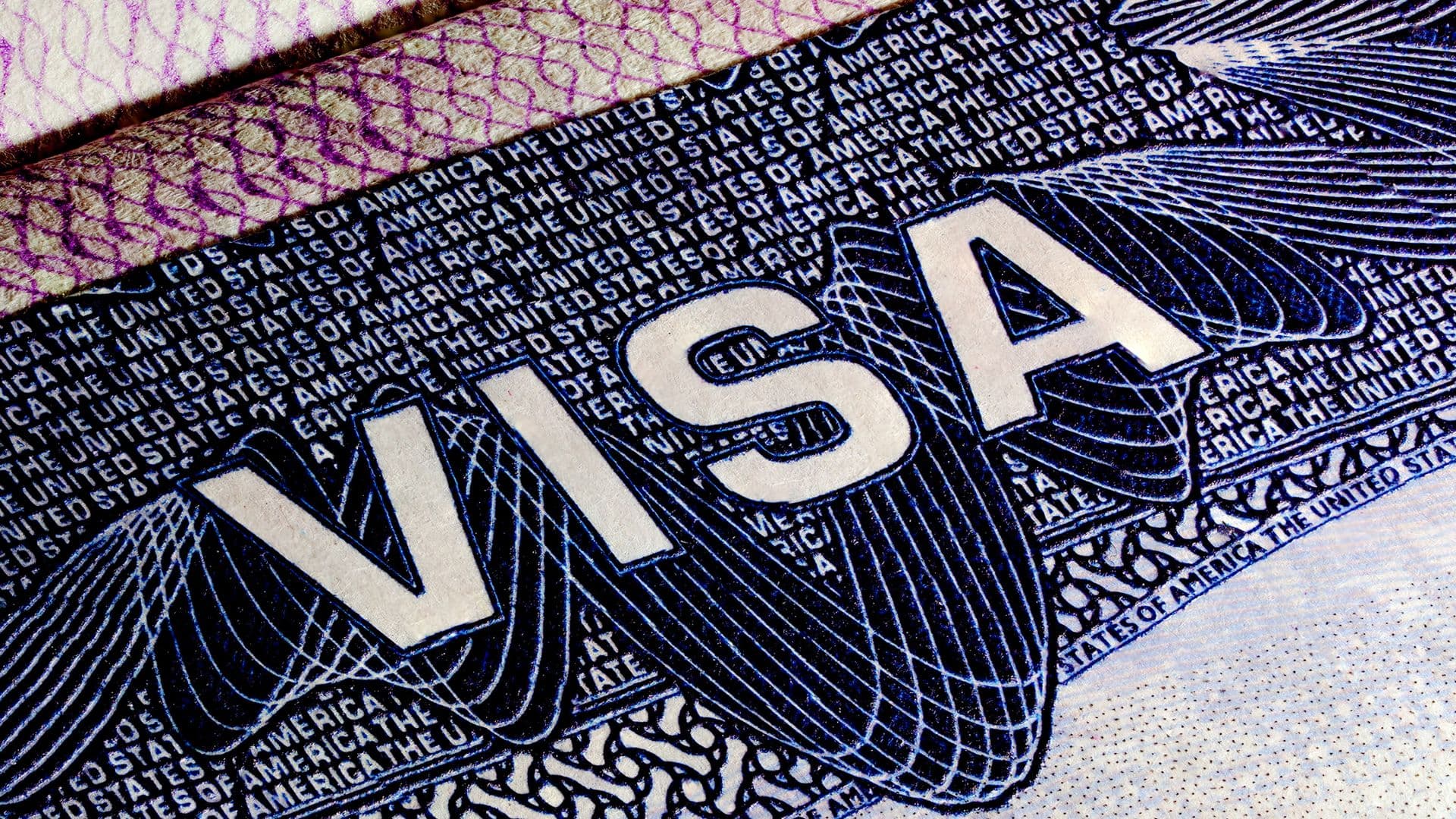
For our friends from Tajikistan, a Schengen visa is an absolute must-have to enter Switzerland and indeed, the entire Schengen Area. Think of it as your golden ticket, and without it, unfortunately, entry is not possible. You'll need to apply for a short-stay 'C' visa, which covers tourism and short visits.
The application process typically involves submitting your documents in person at the Embassy of Switzerland in Dushanbe. Make sure all your paperwork is in order – financial proofs, travel insurance, accommodation bookings, and a detailed itinerary are key. Do this well in advance, and insha'Allah, your journey will be smooth with no gap nest.
Source: fly2globe
Confidence: 1
Update cycle: As needed, general requirements are stable
Your passport, dear traveler, needs to be in tip-top shape. According to Schengen rules, it must be valid for at least three months beyond your intended date of departure from the Schengen area. For example, if you plan to leave on September 1st, your passport should be valid until at least December 1st.
Furthermore, your passport must have been issued within the last 10 years. An older passport, even if still valid for a long time, might cause issues if it was issued more than a decade ago. Always check these details carefully before applying for your visa, az rui qoidaho.
Source: amazon
Confidence: 1
Update cycle: Stable
If your journey involves merely transiting through a Swiss airport without entering the Schengen area (staying in the international transit zone), you might still need an Airport Transit Visa (ATV). This is often the case for citizens of Tajikistan. It's crucial to verify this requirement with the Swiss embassy before your trip.
However, if you have a valid Schengen visa for another Schengen country and your layover in Switzerland is just a stop before your final Schengen destination, then, chashm, a separate ATV is generally not needed. But if your transit requires you to exit the international zone, even briefly, a full short-stay Schengen visa is mandatory. Plan ba'd az careful consideration.
Source: tpt
Confidence: 0.95
Update cycle: Stable
You might hear about ETIAS, the European Travel Information and Authorisation System, which is for visa-exempt visitors. However, for our Tajik friends, this system won't apply. Tajikistan is not on the list of visa-exempt countries for the Schengen Area, meaning you will continue to require a traditional Schengen visa.
ETIAS is expected to be fully operational by mid-2025, but it's designed for nationalities that *don't* need a visa for short stays. So, there's no gap nest if you're not eligible; just continue with the standard visa application process. No need to worry about ETIAS for now, zudtar.
Source: istock
Confidence: 1
Update cycle: ETIAS launch date subject to change, visa-exempt status stable
Currently, Switzerland and the wider Schengen Area do not offer an electronic visa (eVisa) system for short-stay tourist visas for citizens of Tajikistan. This means the application process is traditional, requiring you to submit your documents in person.
You'll need to visit the official website of the Swiss Embassy in Dushanbe for detailed instructions, downloadable forms, and to schedule an appointment. There isn't a direct eVisa link to click and apply online for this type of visa, so plan accordingly. Khush omaded, and insha'Allah, your application will be successful.
Source: trading-view
Confidence: 1
Update cycle: Unlikely to change for short-stay visas in the near future
Health & Safety Tips for switzerland
Switzerland uses a standard set of emergency numbers, which are crucial for any visitor to know. For immediate police assistance, dial 117. In case of a fire, the number is 118. For medical emergencies requiring an ambulance, dial 144. These numbers connect you directly to the respective services nationwide, ensuring prompt response in critical situations.
Additionally, the European emergency number 112 is fully operational throughout Switzerland and can be used to reach police, fire, or ambulance services from any phone, including mobile phones, even without a SIM card. For specific situations like mountain accidents, the Swiss Air-Rescue (REGA) can be reached at 1414 when calling from within Switzerland, or +41 333 333 333 if calling from abroad, offering vital air rescue services in remote or alpine terrain.
It is advisable to save these numbers in your mobile phone upon arrival. While Switzerland is generally very safe, knowing these contacts provides peace of mind. In case of an emergency, clearly state your location, the nature of the emergency, and your contact details. Most operators will speak English, but speaking slowly and clearly is always helpful.
Source: Swiss Federal Office of Police (fedpol.admin.ch), REGA (rega.ch)
Confidence: 1
Update cycle: Annually/As needed
Switzerland generally has excellent public health standards and no specific major health advisories for typical tourists. Tap water is safe and of high quality across the country, making it perfectly fine to drink unless explicitly stated otherwise. However, visitors planning activities in mountainous regions should be mindful of potential altitude sickness, especially when rapidly ascending to elevations above 2,500 meters (8,200 feet).
For those exploring rural or forested areas, particularly from spring through autumn, there is a risk of tick-borne diseases such as Lyme disease and Tick-borne encephalitis (TBE). It is recommended to wear long sleeves and pants, use insect repellent, and perform thorough tick checks after outdoor activities. While TBE vaccination is generally recommended for residents and long-term visitors to risk areas, a short-term tourist might not require it unless spending extensive time in high-risk zones.
Given the strong sun exposure, especially at higher altitudes, always use high-SPF sunscreen and wear sunglasses, even on cloudy days. During winter months, exercise caution on icy pavements and ski slopes to prevent slips and falls. Travelers with pre-existing medical conditions should carry their necessary medications and a doctor's note, as well as ensure they have comprehensive travel insurance covering medical emergencies and repatriation.

Source: Federal Office of Public Health (FOPH - bag.admin.ch), CDC (cdc.gov)
Confidence: 0.95
Update cycle: Annually/As needed
Switzerland does not impose any mandatory vaccination requirements for entry for international tourists coming from most countries. Visitors are, however, strongly advised to ensure that all their routine vaccinations, such as Measles-Mumps-Rubella (MMR), Diphtheria-Tetanus-Pertussis (DTaP), Polio, and seasonal influenza, are up to date according to their national immunization schedules.
For travelers planning extensive outdoor activities, particularly hiking or camping in forested areas during warmer months (spring to autumn), vaccination against Tick-borne encephalitis (TBE) may be recommended. This is a regional risk, and while not mandatory for entry, it is a precaution for those with significant exposure to tick habitats. It is always best to consult with a healthcare professional or travel clinic at least 4-6 weeks before your trip to discuss individual vaccination needs based on your itinerary and medical history.
Other vaccinations like Hepatitis A and B are generally recommended for most international travelers, depending on their travel style and duration, and potentially Rabies if engaging in activities that might bring them into direct contact with wild animals. These are not specific to Switzerland but are general travel health recommendations. Always carry a copy of your vaccination records, if applicable, and ensure you have comprehensive travel health insurance.

Source: World Health Organization (WHO - who.int), Centers for Disease Control and Prevention (CDC - cdc.gov), Federal Office of Public Health (FOPH - bag.admin.ch)
Confidence: 0.95
Update cycle: Annually/As needed
Connectivity & Mobility in switzerland
Seamless Coverage Across the Alps
Switzerland boasts one of the most advanced and reliable mobile networks globally, ensuring tourists experience seamless connectivity. Both physical SIM cards and eSIMs benefit from extensive 4G/LTE coverage that spans not only urban centers but also extends well into mountainous regions, along scenic routes, and even within many tunnels. 5G networks are rapidly expanding, offering even faster speeds in populated areas. Tourists can expect high-quality service, making it easy to navigate, share experiences, and stay in touch. Prune offers competitive eSIM plans leveraging these robust networks, providing convenient access to data without the need for a physical SIM.
Source: https://www.swisscom.ch/en/residential/help/network-coverage.html
Confidence: 0.95
Update Cycle: 3-6 months

Prepaid SIM Card Costs for Tourists
For tourists visiting Switzerland, the average price for a prepaid physical SIM card from major carriers typically ranges from CHF 20 to CHF 40 for plans offering a good amount of data (e.g., 10-20 GB) valid for 30 days. These prices can fluctuate based on ongoing promotions, specific data allowances, and included call/SMS bundles. While Switzerland's mobile services are known for their high quality, they are generally not the cheapest in Europe. Tourists should compare options from providers like Swisscom, Sunrise, and Salt, or consider local MVNOs for potentially more budget-friendly choices. However, for digital convenience and often competitive rates, https://prune.co.in/ often has competitive pricing for eSIM plans.
Source: https://www.swisscom.ch/en/residential/mobile/prepaid.html
Confidence: 0.85
Update Cycle: 3-6 months

Exceptional Urban & Transit Connectivity
Switzerland's major metropolitan areas, including bustling cities like Zurich and Geneva, benefit from exceptional 5G and 4G/LTE mobile network coverage. These urban centers boast high speeds and reliable connectivity, crucial for both residents and tourists navigating the cities, using public transport, or accessing online services. The excellent coverage extends beyond city limits to major transit routes, including trains, trams, and buses, ensuring consistent connection even while commuting. The country's commitment to advanced infrastructure means that even in underground metro stations or during intercity train travel, network availability and quality remain remarkably high, facilitating seamless digital experiences throughout your journey.
Source: https://www.bakom.admin.ch/bakom/en/home/telecommunication/mobile-telephony/supply-of-mobile-radio.html
Confidence: 0.95
Update Cycle: 6-12 months

Money & Daily Life in switzerland
Currency
The official currency of Switzerland is the Swiss Franc (CHF), often abbreviated as SFr. It is one of the world's strongest and most stable currencies. While some establishments, particularly in tourist-heavy areas or near borders, might accept Euros, it is strongly advised to use Swiss Francs as change will almost invariably be given in CHF, often at an unfavorable exchange rate. You will find coins in denominations of 5, 10, 20 Rappen (or centimes), ½, 1, 2, and 5 Francs, and banknotes in 10, 20, 50, 100, 200, and 1000 Francs.
Source: Swiss National Bank (snb.ch)
Confidence: 1
Update Cycle: As needed

Tipping culture
Tipping in Switzerland is not mandatory, as a service charge is legally included in all prices for restaurants, bars, and taxis. Therefore, you are not expected to leave an additional tip. However, for exceptionally good service, rounding up the bill to the nearest franc or adding a small amount (e.g., 5-10% for a meal) is appreciated but entirely at your discretion. For taxi drivers, hotel staff, or tour guides, tipping is uncommon unless they have gone above and beyond, and even then, a modest amount is sufficient.
Source: Switzerland Tourism (myswitzerland.com), various travel blogs/guides
Confidence: 0.95
Update Cycle: Annually/As needed

Credit cards
Credit and debit cards, particularly Visa and Mastercard, are widely accepted throughout Switzerland in most shops, restaurants, hotels, and even for public transport tickets. American Express is also common in larger establishments but may be less universally accepted than Visa or Mastercard. ATMs, known as "Bancomats," are abundant and can be found in most towns and cities, allowing you to withdraw Swiss Francs using international debit or credit cards with Cirrus, Maestro, Visa, or Mastercard logos. Contactless payment is also very prevalent and convenient. While card payments are dominant, it's always advisable to carry a small amount of cash for minor purchases, vending machines, smaller local businesses, or in more remote alpine regions where card facilities might be limited.
Source: Major credit card networks, Swiss banks, Switzerland Tourism (myswitzerland.com)
Confidence: 1
Update Cycle: Annually/As needed

Plug/Voltage
Switzerland uses Type J power sockets, which are unique to Switzerland and Liechtenstein. These sockets have three round pins, but they are different from Type F (Schuko) or Type C sockets found in many other European countries. While some two-pin Type C plugs might physically fit into a Type J socket, it is highly recommended to bring a dedicated travel adapter for Switzerland to ensure compatibility and safe grounding for your devices. The standard voltage is 230V, and the frequency is 50Hz. Most modern electronics are dual-voltage (100-240V), but it's always wise to check your device's charger to confirm compatibility before plugging it in.
Source: International Electrotechnical Commission (IEC), WorldStandards.eu
Confidence: 1
Update Cycle: Stable

Local language(s)
Switzerland has four official languages: German, French, Italian, and Romansh. The majority of the population (approximately 63%) speaks German, specifically various dialects of Swiss German, though High German is used for formal communication and is generally understood. French is predominantly spoken in the western part of the country, known as Romandie (around 23% of the population), while Italian is spoken in the southern canton of Ticino and parts of Graubünden (about 8%). Romansh, a Romance language, is spoken by a small minority in parts of Graubünden. Despite the linguistic diversity, English is widely understood and spoken, especially in major tourist destinations, hotels, and by younger generations, making communication relatively easy for international visitors.
Source: Swiss Federal Statistical Office (bfs.admin.ch), Switzerland Tourism (myswitzerland.com)
Confidence: 1
Update Cycle: Stable

Weather and Seasonal Guide for switzerland

Best time to visit
May to September
This period offers the most favorable weather for exploring Switzerland's diverse landscapes, from hiking in the mountains to enjoying lakeside towns. While June to August is peak season with warm temperatures and bustling attractions, May and September provide pleasant conditions with fewer crowds and vibrant spring blooms or stunning autumn foliage.
Avg temp(april)
11°C
Spring arrives in full force in lower regions with blooming flowers and greener landscapes. Mountain passes may still be closed, but it's a good time for city breaks and lakeside walks.
Source: Switzerland Tourism and MeteoSwiss
Confidence: 0.95
Update Cycle: Every 12 months
Destination Summary
switzerland
Switzerland offers breathtaking alpine landscapes, pristine lakes, and charming cities, perfect for outdoor adventures and cultural explorations. Indulge in world-class chocolate, cheese, and efficient public transport.
CATEGORY
Schengen Europe
LANGUAGES
German, French, Italian, Romansh
>
SPECIAL RULES
Schengen rules apply; ETIAS will be required for visa-exempt non-EU nationals from 2025. Right-hand traffic, strict recycling laws, and respect for quiet hours are important.
>
Average Flight Times from tajikistan to switzerland
Dushanbe (DYU)
Dushanbe International Airport
Zurich (ZRH)
Zurich Airport
Duration
10 hr 30 min
Flight Type
1 Stop
Airlines
Turkish Airlines,
SWISS
Dushanbe (DYU)
Dushanbe International Airport
Geneva (GVA)
Geneva Airport
Duration
10 hr 45 min
Flight Type
1 Stop
Airlines
Turkish Airlines,
SWISS
Khujand (LBD)
Khujand International Airport
Zurich (ZRH)
Zurich Airport
Duration
11 hr 15 min
Flight Type
1 Stop
Airlines
Turkish Airlines,
SWISS
Khujand (LBD)
Khujand International Airport
Geneva (GVA)
Geneva Airport
Duration
11 hr 30 min
Flight Type
1 Stop
Airlines
Turkish Airlines,
SWISS
Why Customers Love Prune?
Instant internet on landing
Get connected the moment your plane touches down. No waiting, no hassle.
Save 80% vs roaming
Keep your travel budget intact with rates that crush traditional roaming fees.
Keep WhatsApp & OTP access
Stay reachable for messages, verifications, and two-factor codes wherever you are.
Works across regions
One eSIM covers multiple countries so you travel without swapping cards.
Setup in 2 minutes
Scan, activate, and go. It's that simple — no store visits needed.
24/7 support
Real humans ready to help you anytime, anywhere in the world.