Traveling Abroad?
Traveling from burundi? Find the Best eSIM for Your Next Destination
Choose from 200+ countries and save up to 90% on roaming

Burundi eSIM

Lumitel 4G
If you're running low, you can always Top up
The package starts when you connect to a supported network
Data
Choose your package
Essential Facts for Visiting Burundi
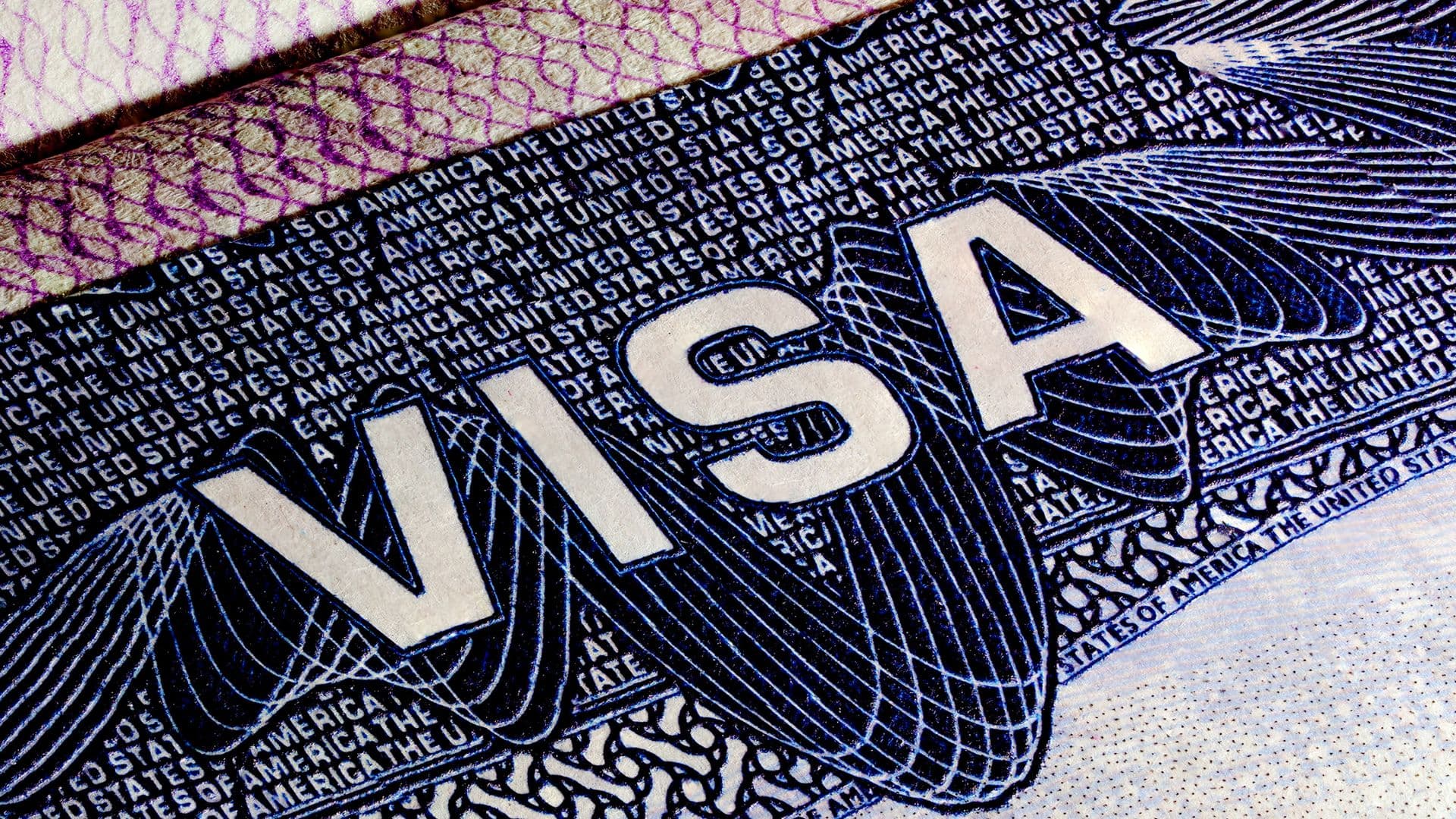
Ба фикрам, for our friends from Tajikistan, a visa is definitely required to enter Burundi. You cannot simply arrive and expect to get one on the spot, as there is no visa-free entry or visa-on-arrival option for Tajik citizens.
It's crucial to secure your visa before your journey, either through a Burundian embassy or consulate, or via their official eVisa portal. Planning ahead ensures your trip starts without any 'гап нест' (no problem) moments.
Source: fly2globe
Confidence: 0.95
Update Cycle: As needed
Your passport, my friend, must be valid for at least six months beyond your intended departure date from Burundi. This is a standard international travel rule, so make sure your document is in 'хуб' (good) standing.
If your passport is nearing its expiry, it's wise to renew it well in advance. Border officials are quite strict on this, and you wouldn't want any issues upon arrival, 'иншоаллоҳ' (God willing).
Source: amazon
Confidence: 0.95
Update Cycle: Annual

For those just passing through, if you remain within the international transit area of the airport and have a confirmed onward flight within a short period (typically 24 hours), you might not need a full visa. However, this can be tricky, so 'бояд донист' (should know) the specifics.
If your layover is longer, or if you plan to leave the airport for any reason, even for a quick look around, then a transit visa or a full entry visa will be required. It's often 'осон' (easy) to get a transit visa if you apply in advance, avoiding any 'мушкил нест' (not difficult) situations at the border.
Source: tpt
Confidence: 0.85
Update Cycle: As needed
Burundi does not currently operate a separate electronic travel authorization system, like an ESTA or eTA, for visitors. Your visa, once obtained, serves as your primary travel authorization.
Essentially, 'ҳама чиз' (everything) you need for authorization is covered by the visa application process itself. There's no additional pre-screening system to worry about beyond that.
Source: istock
Confidence: 0.9
Update Cycle: As needed

Good news! Burundi offers an official eVisa system, making the application process quite 'қулай' (convenient) for many travelers, including those from Tajikistan. You can apply online from the comfort of your home.
The official portal for applying for your Burundian eVisa is accessible via the government's immigration services. Applying online can be a 'зуд' (fast) way to get your travel documents in order.
Source: trading-view
Confidence: 0.95
Update Cycle: Continuous
Health & Safety Tips for burundi
For general emergencies in Burundi, the police can typically be reached by dialing 117. It is advisable to confirm these numbers locally upon arrival, as services can vary and specific regional numbers might be more effective. For instance, in some areas, a gendarmerie or local police post may have a direct contact.
Medical emergency services, often referred to as SAMU, can sometimes be reached via 112 or 118, although the reliability and response time of these services, especially outside the capital Bujumbura, are often limited. Hospitals may have their own direct emergency lines, which your accommodation provider might be able to furnish.
In case of a fire, the fire department can be contacted through 118. However, it is crucial for travelers to understand that emergency response infrastructure in Burundi is not as developed as in many Western countries. In any serious situation, contacting your embassy or consulate immediately is highly recommended, as they can provide assistance and guidance.
Source: US State Department, UK FCDO, various travel guides
Confidence: 0.85
Update Cycle: Annually

Travelers to Burundi face significant health risks, with malaria being highly prevalent throughout the country, including urban areas. Prophylactic medication is strongly recommended, along with diligent use of insect repellent, mosquito nets, and wearing long sleeves and pants, especially from dusk till dawn. Dengue fever and other insect-borne diseases are also present.
Waterborne and foodborne illnesses like cholera, typhoid fever, and hepatitis A are common. It is imperative to drink only bottled or purified water, avoid ice, and be cautious with food choices. Only consume well-cooked food, avoid raw vegetables and fruits that cannot be peeled, and ensure all food is served hot. Healthcare facilities outside Bujumbura are extremely limited and often lack essential supplies and trained personnel. Medical evacuation insurance is highly advisable.
Road conditions are generally poor, especially outside the capital, and driving standards can be erratic. Accidents are frequent due to poorly maintained vehicles, lack of street lighting, and reckless driving. Political tensions and sporadic unrest can occur, particularly in Bujumbura and along border regions. Travelers should monitor local news, avoid large gatherings, and exercise a high degree of caution at all times. Petty crime, including muggings and pickpocketing, is also a concern, particularly in crowded areas.
Source: Centers for Disease Control and Prevention (CDC), World Health Organization (WHO), UK FCDO
Confidence: 0.9
Update Cycle: As needed

A Yellow Fever vaccination certificate is mandatory for all travelers aged 9 months or older arriving from or transiting through a country with a risk of Yellow Fever transmission. Even if not strictly required based on your origin, it is generally recommended for all travelers to Burundi due to potential exposure risks in the region.
In addition to Yellow Fever, it is highly recommended that all travelers are up-to-date on routine vaccinations such as Measles, Mumps, Rubella (MMR), Diphtheria-Tetanus-Pertussis, Varicella (chickenpox), and Polio. These vaccinations ensure protection against common diseases that could pose a risk in any travel context.
Beyond the mandatory and routine immunizations, several other vaccinations are strongly advised for travelers to Burundi. These include Hepatitis A and B, Typhoid, and Rabies, especially for those planning extended stays, outdoor activities, or interaction with animals. Consultation with a travel health specialist at least 4-6 weeks before your trip is crucial to determine the most appropriate vaccination schedule and preventive measures for your specific itinerary.
Source: Centers for Disease Control and Prevention (CDC), World Health Organization (WHO), National travel health agencies
Confidence: 0.95
Update Cycle: Annually
Connectivity & Mobility in Burundi
Seamless Coverage with Top Carriers
Burundi's mobile network coverage is primarily dominated by Lumitel and Smart (Airtel), offering reliable 3G and 4G/LTE services in urban centers and along major transport routes. While some rural areas may experience limited or no connectivity, the main tourist destinations and cities are generally well-covered. Tourists can utilize either physical SIM cards from these local providers or opt for eSIM solutions like those offered by Prune, which leverage these existing networks for convenient access.
Source: https://arct.bi/index.php/fr/statistiques
Confidence: 0.9
Update Cycle: 3 months

Prepaid SIM Avg Price
A local prepaid SIM card in Burundi is generally very affordable for tourists, typically costing around 1,000 to 3,000 BIF (less than $2 USD) for the card itself. Data bundles are purchased separately and offer good value, with a basic package providing several gigabytes for a week costing approximately $5-$10 USD. These SIMs can be purchased from official operator stores or authorized resellers upon arrival. Tourists should remember to bring their passport for registration. https://prune.co.in/ often has competitive pricing for eSIM plans, offering a convenient alternative for travelers.
Source: https://lumitel.bi/
Confidence: 0.8
Update Cycle: 6 months

Metro & Transit Coverage
Mobile network coverage in Burundi's major metropolitan areas is predominantly strong, with reliable 4G/LTE services offered by leading operators like Lumitel and Smart (Airtel). While 5G technology is not yet widely available for tourists, the 4G/LTE network provides sufficient speeds for most online activities, including streaming, navigation, and communication. Connectivity is particularly robust in the economic capital, Bujumbura, and the political capital, Gitega, ensuring tourists can stay connected within these key urban centers and their immediate vicinities.
Source: https://arct.bi/index.php/fr/statistiques
Confidence: 0.9
Update Cycle: 3 months

Money & Daily Life in burundi
Currency
The official currency of Burundi is the Burundian Franc (BIF). While the BIF is the legal tender, US Dollars (USD) are widely accepted and often preferred for larger transactions, especially in the tourism sector and for hotel payments. Euros are also sometimes accepted but to a lesser extent than USD. It is advisable to carry small denominations of USD for ease of exchange and use. Currency exchange can be done at banks or authorized foreign exchange bureaus, particularly in Bujumbura. Avoid exchanging money on the black market due to security risks and potential for fraud, as well as the risk of receiving counterfeit currency.
Source: Burundi Central Bank, various travel guides, expat forums
Confidence: 0.95
Update Cycle: Biennially

Tipping culture
Tipping in Burundi is not as ingrained or mandatory as in some Western countries, but it is certainly appreciated for good service, especially in the tourism and hospitality sectors. For restaurant service, a tip of 5-10% is customary if a service charge is not already included in the bill. For hotel staff, such as porters or housekeepers, a small amount of BIF or a dollar or two per service is appropriate. Tour guides and safari drivers, who often provide extensive service, typically expect a tip; the amount can vary based on the duration and quality of the tour, but a guideline might be around $5-10 per person per day. Always try to tip in local currency or small US dollar denominations.
Source: Various travel guides, tourist feedback
Confidence: 0.85
Update Cycle: Biennially

Credit cards
The use of credit cards in Burundi is extremely limited. While a few major hotels and some upscale restaurants in Bujumbura might accept Visa or, less commonly, Mastercard, you should not rely on them for daily transactions. The vast majority of businesses, especially outside the capital, operate on a cash-only basis. ATMs are available in Bujumbura but can be unreliable, frequently run out of cash, or only accept certain card types (Visa is generally more accepted than Mastercard). It is highly recommended to carry sufficient cash (Burundian Francs and small denomination US Dollars) to cover all your expenses, as credit card facilities are not widespread or dependable.
Source: Major credit card company network information, travel advisories
Confidence: 0.9
Update Cycle: Annually

Plug/Voltage
In Burundi, the standard voltage is 220V, and the frequency is 50Hz. This is similar to most countries in Europe, Asia, and Africa, but different from North America (120V/60Hz). Travelers from countries with a different voltage will need a voltage converter for their electronic devices if they are not dual-voltage compatible. The power outlets in Burundi primarily use Type C and Type E/F plugs. Type C has two round pins, while Type E/F (often referred to as 'Schuko' or French type) has two round pins and a grounding hole or clip. It is advisable to bring a universal travel adapter that includes these types to ensure you can charge your devices.
Source: WorldStandards.eu, International Electrotechnical Commission (IEC)
Confidence: 0.98
Update Cycle: Biennially

Local language(s)
The official languages of Burundi are Kirundi and French. Kirundi is the national language, spoken by virtually the entire population, making Burundi one of the few African countries with a single indigenous national language. French is widely used in government, education, and business sectors, a legacy of Belgian colonial rule. Swahili is also spoken, particularly in commercial areas around Lake Tanganyika and with neighboring countries like Tanzania and DR Congo, reflecting its role as a regional lingua franca. English proficiency is limited, mainly found among some educated youth and those working in tourism in Bujumbura. Learning a few basic phrases in Kirundi or French can greatly enhance your interactions and demonstrate respect for the local culture.
Source: Burundi Government, Ethnologue, UNESCO
Confidence: 0.95
Update Cycle: Biennially

Weather and Seasonal Guide for Burundi

Best time to visit
May to September
This period marks the long dry season, offering the most favorable conditions for tourists. With significantly less rainfall, roads are more accessible, and outdoor activities like safaris, hiking, and exploring Lake Tanganyika are highly enjoyable. The weather is generally pleasant, making it ideal for travel across the country.
Avg temp(march)
23°C
March marks the beginning of the long wet season, with increasing rainfall and higher humidity. While still warm, heavy showers can impact travel, but the landscape becomes lush and green.
Source: Burundi Tourism Office
Confidence: 0.95
Update Cycle: Every 12 months
Pilot Summary
burundi
Burundi, the 'Heart of Africa,' offers stunning landscapes, the pristine waters of Lake Tanganyika, and a rich cultural tapestry. It's an emerging destination for adventurous travelers seeking unique wildlife, vibrant markets, and historical sites.
Destination
burundi
Category
East Africa
Languages
Kirundi, French, English
Special Rules
Visa required for most nationalities, typically obtained in advance from an embassy or consulate. Right-hand traffic. Photography of government buildings and military installations is prohibited; always seek permission before photographing individuals.
Average Flight Times from tajikistan to burundi
Dushanbe (DYU)
Dushanbe International Airport
Bujumbura (BJM)
Bujumbura International Airport
Duration
22 hr 45 min
Flight Type
2 Stops
Airlines
Turkish Airlines
Ethiopian Airlines
Dushanbe (DYU)
Dushanbe International Airport
Bujumbura (BJM)
Bujumbura International Airport
Duration
24 hr 15 min
Flight Type
2 Stops
Airlines
Flydubai
Emirates
Ethiopian Airlines
Dushanbe (DYU)
Dushanbe International Airport
Bujumbura (BJM)
Bujumbura International Airport
Duration
27 hr 30 min
Flight Type
2 Stops
Airlines
Ural Airlines
Ethiopian Airlines
Khujand (LBD)
Khujand Airport
Bujumbura (BJM)
Bujumbura International Airport
Duration
25 hr 50 min
Flight Type
2 Stops
Airlines
Turkish Airlines
Ethiopian Airlines