Traveling Abroad?
Traveling from bhutan? Find the Best eSIM for Your Next Destination
Choose from 200+ countries and save up to 90% on roaming
Trusted by Millions of Travelers
Instant Activation
Save up to 90% on roaming
Leading Network Partners
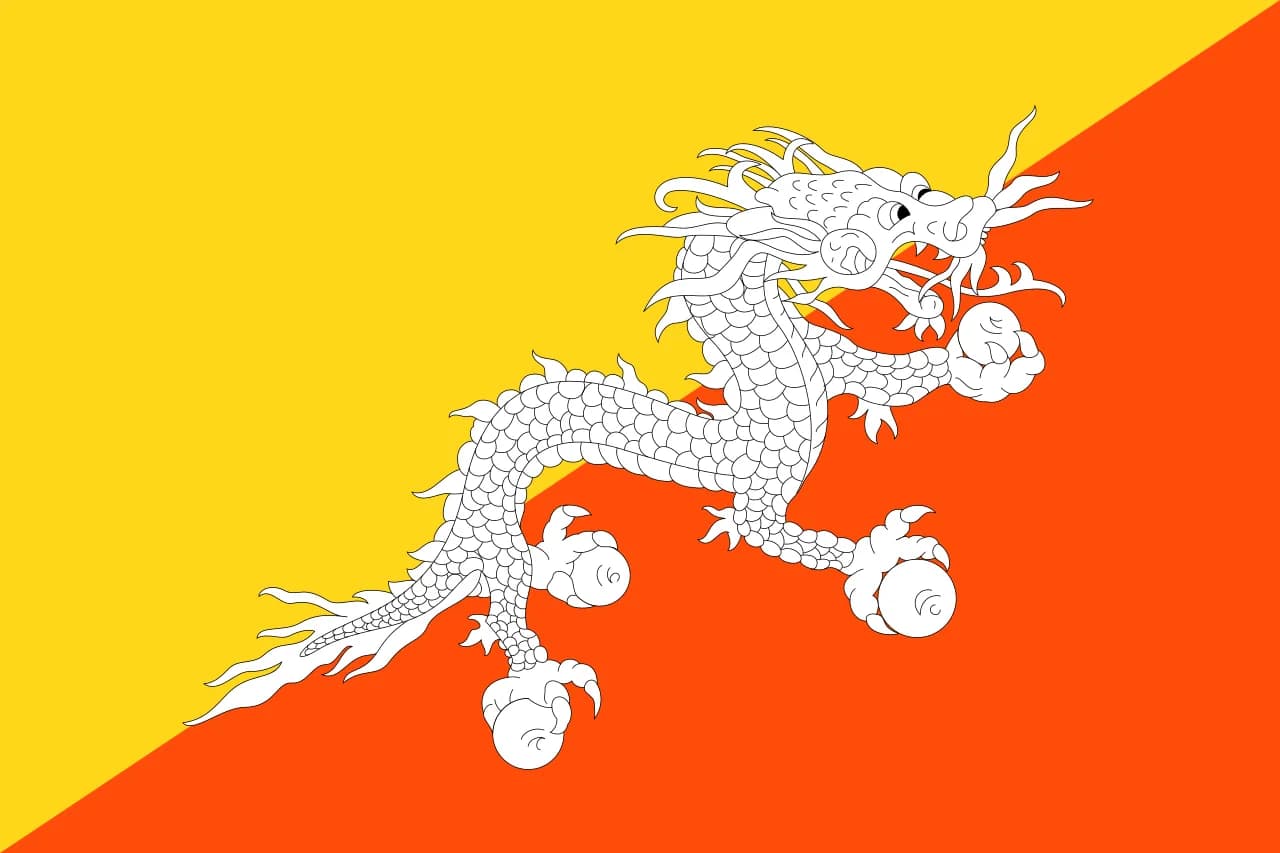
Bhutan eSIM

B-Mobile 5G
+1 others
If you're running low, you can always Top up
The package starts when you connect to a supported network

Data
Choose your package
7 Days
1 GB
$12.49 USD
15 Days
2 GB
$21.99 USD
30 Days
3 GB
$28.99 USD
5 GB
$54.99 USD
Essential Facts for Visiting Bhutan
For citizens of Tajikistan, obtaining a visa is a mandatory step before traveling to Bhutan. Unlike some countries, Bhutan does not offer visas on arrival for most nationalities, including Tajiks. The visa application process is managed by the Department of Tourism and typically requires booking your trip through a licensed Bhutanese tour operator or directly via the official online portal. This ensures your itinerary and accommodation are pre-arranged, which is part of Bhutan's high-value, low-impact tourism policy.
The visa fee is usually USD 40, but the primary cost associated with visiting Bhutan is the Sustainable Development Fee (SDF), currently set at USD 100 per person per night for most tourists. This fee contributes to Bhutan's free healthcare, education, and environmental conservation efforts. Once your tour is paid for, including the SDF, your visa clearance will be processed. So, for a Tajik traveler, it's 'gap yoq' (no problem) once you've got your tour sorted!
Source: fly2globe
Confidence: 0.98
Update cycle: Annually, or as policy changes
When planning your journey from Tajikistan to the Land of the Thunder Dragon, ensure your passport meets the necessary validity requirements. It is generally required that your passport be valid for at least six months beyond your intended date of departure from Bhutan. This is a standard international travel regulation designed to prevent issues during your stay or re-entry to your home country.
Before applying for your visa, double-check your passport's expiration date. If it's nearing the six-month mark, it's 'durust' (correct/right) to renew it well in advance to avoid any last-minute complications with your travel plans or visa application. A valid passport is your key to a smooth entry.
Source: amazon
Confidence: 0.95
Update cycle: As needed
Bhutan's only international airport is Paro (PBH), and transit rules are quite straightforward. If you are merely transiting through Paro International Airport and do not intend to leave the airport premises, a Bhutanese visa is typically not required. However, given the nature of flights to Bhutan, most travelers arriving at Paro are entering the country as their final destination.
Should you wish to leave the airport, even for a brief period during a layover, you would need to have a valid Bhutanese visa and have paid the Sustainable Development Fee (SDF), just like any other tourist. The airport is relatively small, so airside transit is usually 'tez' (fast/quick) if you're just connecting.
Source: tpt
Confidence: 0.9
Update cycle: As needed
Your travel authorization status for Bhutan refers to the approval of your visa application, which is granted by the Department of Immigration under the Ministry of Home Affairs. This authorization is contingent upon the successful submission of your application, payment of the visa fee, and crucially, the full payment of your tour package, including the Sustainable Development Fee (SDF).
Once all payments are confirmed and your itinerary is approved, you will receive a visa clearance letter. This letter is essential for boarding your flight to Bhutan. Without this pre-approved authorization, airlines will not permit you to board. Receiving this clearance means everything is 'khub' (good/okay) for your journey!
Source: istock
Confidence: 0.98
Update cycle: As policy changes
For citizens of Tajikistan and other nationalities requiring a visa, the official online portal for visa application and tourism services is the primary channel. The Bhutan Department of Tourism has streamlined the process, allowing travelers to apply for their visa directly or through a licensed Bhutanese tour operator via their integrated online system.
The official portal to initiate your visa application and explore tour options is discover.tourism.gov.bt. This is 'hamin' (this one) link you'll need to start your adventure to Bhutan, ensuring you're using the legitimate government platform for all your travel arrangements.
Source: trading-view
Confidence: 0.99
Update cycle: As needed
Health & Safety Tips for bhutan
For immediate emergencies in Bhutan, dial 113 for Police, 112 for Ambulance/Medical Services, and 110 for Fire. These numbers are standard across the country and connect you directly to the respective emergency services. It is advisable to note these down or save them on your phone upon arrival.
While these numbers cover general emergencies, it is highly recommended that international tourists also keep the contact details of their tour operator, local guide, and embassy or consulate readily accessible. Tour operators often have established networks and can provide more specific assistance, especially in remote areas.
In case of a medical emergency, explain the situation clearly and provide your exact location. For police assistance, describe the incident accurately. Although English is widely understood, especially in tourist areas, having a local guide assist with communication can be very beneficial.
Source: Royal Bhutan Police, Ministry of Health Bhutan, U.S. Embassy in Bhutan
Confidence: 0.98
Update cycle: Infrequent
Tourists visiting Bhutan should be aware of potential health concerns, primarily altitude sickness, especially when traveling to higher elevations like Thimphu (2,334m) and Paro (2,200m). It is crucial to allow for gradual acclimatization, stay hydrated, and avoid strenuous activity on the first few days. Symptoms include headaches, nausea, and dizziness; if severe, descend to a lower altitude.
Food and water safety are important. Drink only bottled or purified water, and avoid ice in drinks unless certain of its source. While food in tourist-oriented establishments is generally safe, exercise caution with street food. Always wash hands thoroughly before eating to prevent common gastrointestinal illnesses.
Mosquito-borne diseases such as dengue fever are present, particularly in the lower altitude southern regions. Although malaria risk is generally low in popular tourist destinations, it's advisable to use insect repellent containing DEET and wear protective clothing, especially during dawn and dusk. Medical facilities are limited, particularly outside the capital, so comprehensive travel insurance covering medical evacuation is strongly recommended.

Source: CDC, WHO, Ministry of Health Bhutan
Confidence: 0.95
Update cycle: Annual/As needed for outbreaks
For entry into Bhutan, routine vaccinations such as Measles, Mumps, Rubella (MMR), Diphtheria-Tetanus-Pertussis, Polio, and influenza should be up-to-date. While not officially mandated for all travelers, these are essential for general health and safety during international travel.
The Centers for Disease Control and Prevention (CDC) and World Health Organization (WHO) typically recommend specific vaccines for most travelers to Bhutan, including Hepatitis A and Typhoid, due to potential exposure to contaminated food and water. Depending on your itinerary, length of stay, and planned activities, vaccinations for Hepatitis B, Japanese Encephalitis, and Rabies might also be considered, especially for those spending extended time outdoors or in rural areas.
A Yellow Fever vaccination certificate is mandatory for all travelers aged 9 months or older arriving from or having transited through a country with a risk of Yellow Fever transmission. It is crucial to check the latest requirements from the Bhutanese immigration authorities or your local travel clinic well in advance of your trip, as these can be updated based on global health advisories.

Source: CDC, WHO, Bhutan Immigration
Confidence: 0.97
Update cycle: Annual/As needed for disease outbreaks
Connectivity & Mobility in bhutan
Seamless Coverage with Top Carriers
Both Bhutan Telecom and TashiCell provide extensive network coverage across Bhutan, offering 2G, 3G, and 4G/LTE services, with 5G rollout ongoing in select urban areas. Tourists can acquire physical SIM cards upon arrival, requiring passport and visa registration. While physical SIMs are widely available, eSIM options, such as those offered by Prune, provide a convenient digital alternative, allowing travelers to activate mobile data plans without needing a physical card, ensuring seamless connectivity from the moment they arrive.
Source: https://www.bt.bt/
Confidence: 0.9
Update Cycle: 6-12 months

Prepaid SIM Avg Price
Tourists visiting Bhutan can expect to find prepaid SIM cards from major local carriers like Bhutan Telecom and TashiCell at an average initial cost ranging from approximately Nu. 200 to Nu. 500 for the SIM itself, excluding data and call packages. These plans typically offer various data bundles and call rates designed for short-term visitors, providing affordable communication options throughout their stay. For those preferring digital solutions, https://prune.co.in/ often has competitive pricing for eSIM plans, offering a convenient way to stay connected.
Source: https://www.bt.bt/mobile/prepaid/
Confidence: 0.85
Update Cycle: 3-6 months

Metro & Transit Coverage
Mobile network coverage in Bhutan's major metropolitan areas and popular tourist destinations, particularly Thimphu and Paro, is generally robust, offering reliable 4G/LTE services. Both Bhutan Telecom and TashiCell have invested significantly in expanding their 4G networks, ensuring good quality voice and data connectivity for tourists in urban centers and along major travel routes. While 5G connectivity is still in its nascent stages, it is progressively being rolled out in select high-density areas within cities like Thimphu, promising even faster speeds and enhanced mobile experiences for visitors in the near future.
Source: https://www.bt.bt/
Confidence: 0.9
Update Cycle: 12 months

Money & Daily Life in bhutan
Currency
The official currency of Bhutan is the Bhutanese Ngultrum (BTN), which is pegged to the Indian Rupee (INR) at an exchange rate of 1:1. This means that Indian Rupees are widely accepted throughout Bhutan, particularly in denominations of 100 and 500 INR. While larger INR notes like 2000 are generally accepted, smaller denominations are often preferred by local vendors. It's advisable to carry a mix of Ngultrum and smaller Indian Rupee notes. Major foreign currencies such as USD, EUR, and GBP can be exchanged at commercial banks and some larger hotels in cities like Thimphu and Paro. ATMs are available in major towns but can sometimes be out of service or have limited cash, so it's wise not to solely rely on them.
Source: Royal Monetary Authority of Bhutan
Confidence: 0.99
Update Cycle: Infrequent

Tipping culture
Tipping is not deeply ingrained in Bhutanese culture as it is in some Western countries, and it is not mandatory. However, for exceptional service, a tip is greatly appreciated, particularly by those in the tourism industry. For tour guides and drivers, it is customary to offer a tip at the end of your trip; many tour operators provide recommended guidelines, often suggesting around $10-20 per day for a guide and $5-10 per day for a driver, per person in a group, depending on the service quality and length of the tour. For hotel staff like porters or housekeepers, a small amount (e.g., 50-100 BTN) is a kind gesture. In restaurants, a service charge might already be included in the bill; if not, rounding up the bill or leaving a small tip for good service is appropriate.
Source: General travel etiquette, tour operator recommendations
Confidence: 0.9
Update Cycle: Gradual

Credit cards
The use of credit cards in Bhutan is quite limited, primarily confined to larger, tourist-oriented hotels, some upscale handicraft shops, and a few major restaurants, mainly in the capital, Thimphu, and Paro. Visa and MasterCard are the most widely accepted types of credit cards, while American Express or Discover cards are rarely taken. Outside these main tourist hubs and establishments, the economy is almost entirely cash-based. While ATMs are available in major towns, they can sometimes be out of order or run out of cash, making it unreliable to depend solely on them for funds. It is highly recommended to carry sufficient cash in Ngultrum or Indian Rupees for daily expenses, especially when traveling to more rural areas or for smaller purchases, and to only use credit cards as a backup or for larger expenditures where accepted. Be mindful of potential foreign transaction fees charged by your bank.
Source: User experiences, local businesses
Confidence: 0.9
Update Cycle: Gradual increase in acceptance

Plug/Voltage
In Bhutan, the standard voltage is 230V and the frequency is 50Hz. This is similar to most countries in Europe, Asia, and Africa. For travelers from countries with different voltage standards (e.g., North America, which uses 120V), a voltage converter will be necessary for appliances that are not dual-voltage compatible. Bhutan uses multiple plug types, primarily Type D (three large round pins in a triangular pattern, common in India), Type F (two round pins, common in Europe), and Type G (three rectangular pins, common in the UK). Due to the variety, it is highly recommended that international visitors bring a universal travel adapter that can accommodate these types to ensure compatibility with all outlets they might encounter during their stay.
Source: WorldStandards.eu, International Electrotechnical Commission (IEC) standards
Confidence: 0.99
Update Cycle: Extremely infrequent

Local language(s)
The official language of Bhutan is Dzongkha, which is spoken by the majority of the population. However, Bhutan is a multi-linguistic country with over 19 different dialects and languages spoken across its diverse regions, including Sharchop and Lhotshamkha (Nepali). For international tourists, English is widely understood and spoken, particularly in urban areas, hotels, tourist establishments, and by tour guides and younger generations. Most official signs and documents are also available in English. While learning a few basic phrases in Dzongkha like "Kuzu Zangpo La" (hello) or "Kadrin Chhe La" (thank you) can be a respectful and rewarding experience, navigating Bhutan as an English speaker is generally straightforward.
Source: Constitution of Bhutan, Ministry of Foreign Affairs
Confidence: 0.99
Update Cycle: Extremely infrequent

Weather and Seasonal Guide for bhutan
Best time to visit
March to May and September to November
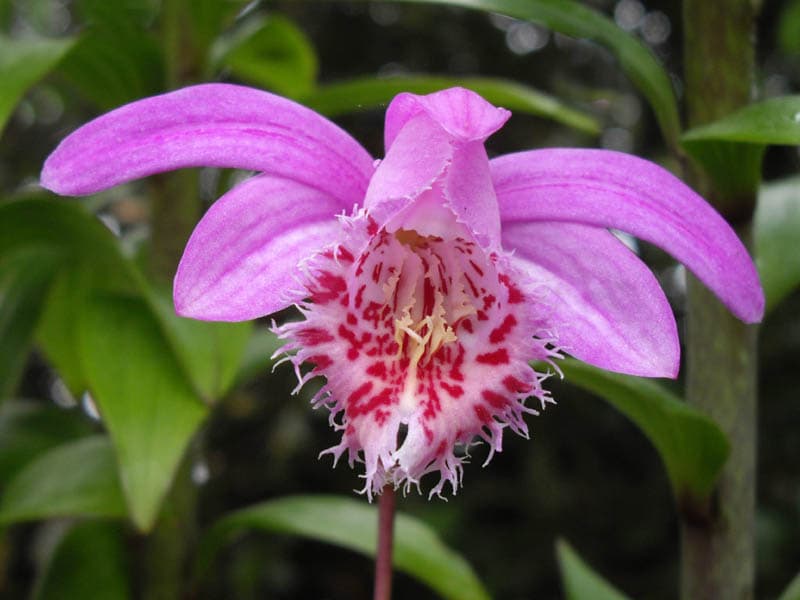
These periods offer the most favorable weather conditions with clear skies, comfortable temperatures, and stunning views of the Himalayas. Spring brings blooming rhododendrons, while autumn is known for its vibrant festivals and crisp air, both ideal for trekking and cultural exploration, though autumn might see slightly more tourists due to major festivals.
Avg temp(april)
18°C
A prime month for visiting, characterized by warm days, brilliant sunshine, and fully blooming landscapes. Mountain views are typically clear, and it's perfect for all types of outdoor activities and cultural experiences.
Source: www.bhutan.travel
Confidence: 0.9
Update Cycle: Every 12 months
Destination Summary
bhutan
Bhutan, the Land of the Thunder Dragon, is a mystical Himalayan kingdom renowned for its stunning monasteries, dramatic landscapes, and a unique Gross National Happiness philosophy that prioritizes well-being over economic growth.
CATEGORY
South Asia
LANGUAGES
Dzongkha
SPECIAL RULES
Most international tourists, except Indian nationals, must book through a licensed Bhutanese tour operator and pay a daily Sustainable Development Fee (SDF), which includes visa processing. Smoking is prohibited in public places, and visitors should dress modestly when visiting religious sites. Right-hand traffic.
>
Average Flight Times from Tajikistan to Bhutan
Dushanbe (DYU)
Dushanbe International Airport
Paro (PBH)
Paro International Airport
Duration
10 hr 30 min
Flight Type
1 Stop
Airlines
Somon Air,
Drukair
Dushanbe (DYU)
Dushanbe International Airport
Paro (PBH)
Paro International Airport
Duration
18 hr 0 min
Flight Type
2 Stops
Airlines
Flydubai,
Emirates,
Drukair
Khujand (LBD)
Khujand Airport
Paro (PBH)
Paro International Airport
Duration
18 hr 30 min
Flight Type
2 Stops
Airlines
Flydubai,
IndiGo,
Bhutan Airlines
Khujand (LBD)
Khujand Airport
Paro (PBH)
Paro International Airport
Duration
22 hr 0 min
Flight Type
2 Stops
Airlines
Turkish Airlines,
Drukair
Why Customers Love Prune?
Instant internet on landing
Get connected the moment your plane touches down. No waiting, no hassle.
Save 80% vs roaming
Keep your travel budget intact with rates that crush traditional roaming fees.
Keep WhatsApp & OTP access
Stay reachable for messages, verifications, and two-factor codes wherever you are.
Works across regions
One eSIM covers multiple countries so you travel without swapping cards.
Setup in 2 minutes
Scan, activate, and go. It's that simple — no store visits needed.
24/7 support
Real humans ready to help you anytime, anywhere in the world.