Traveling Abroad?
Traveling from canada? Find the Best eSIM for Your Next Destination
Choose from 200+ countries and save up to 90% on roaming
Trusted by Millions of Travelers
Instant Activation
Save up to 90% on roaming
Leading Network Partners

CANADA eSIM

Bell LTE
+1 others
If you're running low, you can always Top up
The package starts when you connect to a supported network

Data
Choose your package
7 Days
1 GB
$5.48 USD
15 Days
2 GB
$10.98 USD
30 Days
3 GB
$12.08 USD
5 GB
$14.99 USD
10 GB
$24.16 USD
20 GB
$45.04 USD
Essential Facts for Visiting canada
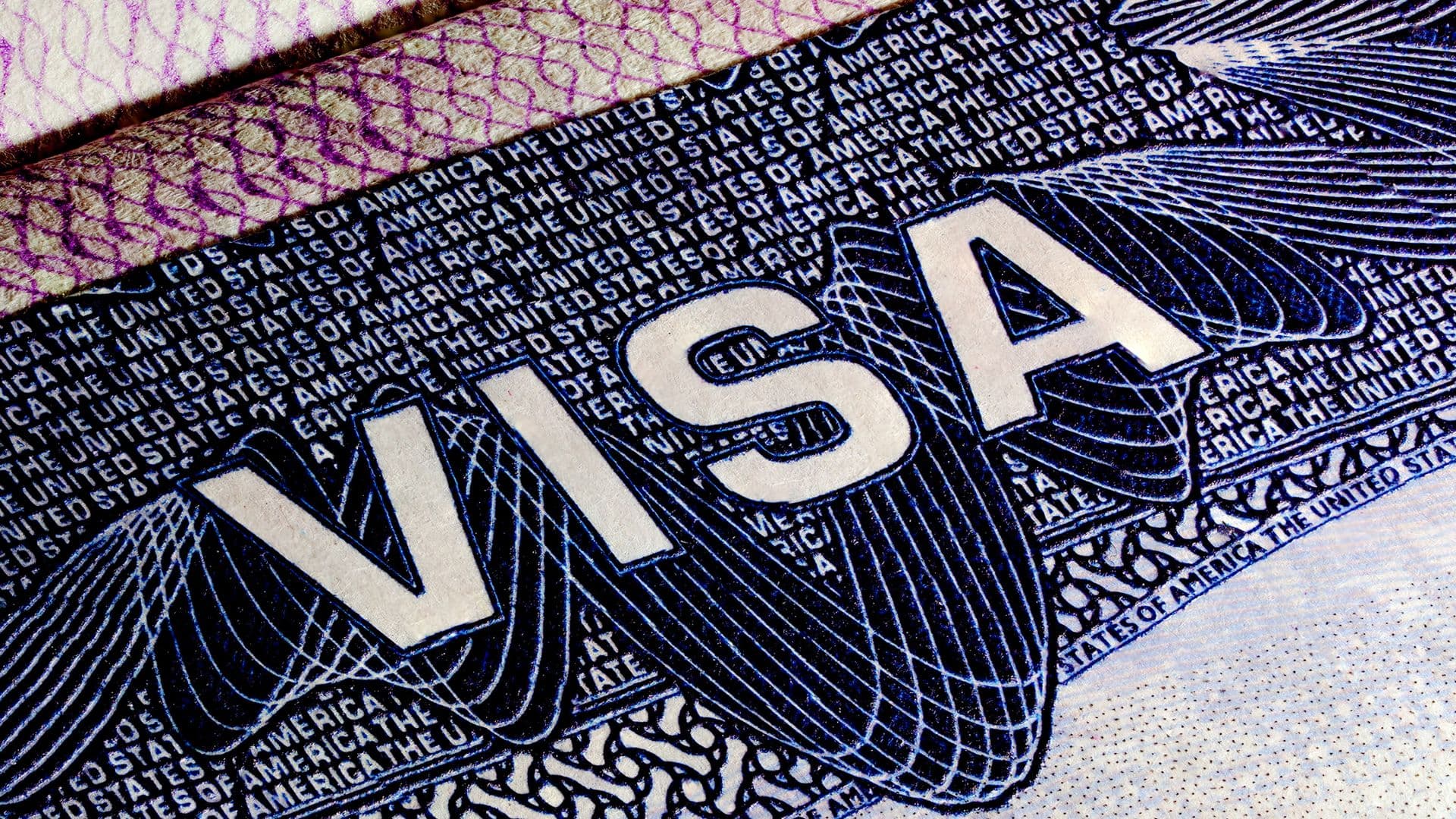
For all our 'naši' from Serbia looking to visit the Great White North, Canada requires a valid temporary resident visa. This isn't just a formality, 'nije šala', you'll need to secure this 'papir' before you even think about packing your bags for a trip, whether it's for tourism, visiting family, or business.
The application process involves submitting various documents, including proof of funds, a clear travel itinerary, and demonstrating your intent to return to Serbia. It's a comprehensive process designed to ensure visitors meet Canadian entry requirements.
Source: fly2globe
Confidence: 1
Update cycle: Annually/As needed by Canadian government
When planning your Canadian adventure, make sure your Serbian passport is in tip-top shape. Canada generally requires your passport to be valid for the entire duration of your planned visit. To avoid any potential 'glavobolja' at the border, it's highly recommended to have at least six months of validity remaining beyond your intended departure date, 'za svaki slučaj'.
This extra buffer ensures smooth sailing through immigration and accounts for any unforeseen circumstances that might extend your stay. Always check the expiry date well in advance of your travel dates.
Source: amazon
Confidence: 0.95
Update cycle: Annually

Even if you're just passing through, 'samo prolazite' through a Canadian airport on your way to another destination, Serbian citizens generally need a transit visa. This means you can't just hop off one plane and onto another without the proper 'papiri', 'čak i ako' you don't intend to leave the airport's international transit area.
The application process for a transit visa is similar to a regular visitor visa, though usually less complex. It's crucial to apply for this in advance to avoid any major disruptions to your onward journey.
Source: tpt
Confidence: 1
Update cycle: Annually/As needed

Let's be clear, for our friends from Serbia, the Electronic Travel Authorization (eTA) is not applicable. 'Nema šanse' to use this for your entry. The eTA is exclusively for visa-exempt foreign nationals, and as a Serbian citizen, you fall into the category that requires a full temporary resident visa.
Therefore, instead of looking for an eTA, your focus should be 'direktno' on the temporary resident visa application process through the official Canadian government channels. Misunderstanding this can lead to significant travel delays or denial of boarding.
Source: istock
Confidence: 1
Update cycle: As policies change

While Canada doesn't offer a simplified 'eVisa' in the sense of 'nešto kao' a quick digital authorization for Serbian citizens, the application for a temporary resident visa is indeed processed online. This means you'll be submitting all your documents and information through the official Immigration, Refugees and Citizenship Canada (IRCC) secure online portal.
This online portal is where you'll find the application forms, upload supporting documents, and pay the required fees. It's the 'prava stvar' for getting your visa. Always use the official government website to avoid scams and ensure your application is legitimate: https://www.canada.ca/en/immigration-refugees-citizenship/services/visit-canada/apply-visitor-visa.html
Source: trading-view
Confidence: 1
Update cycle: N/A (link structure might change, but the portal exists)
Health & Safety Tips for canada
In Canada, the universal emergency telephone number for immediate assistance from police, fire, or ambulance services is 911. This crucial number operates nationwide and is accessible free of charge from any landline or mobile phone, ensuring that help is always just a call away during critical situations. Callers should be prepared to state their location clearly and the nature of the emergency to expedite response times.
When dialling 911, it is vital to remain calm and provide precise details about the emergency, including the exact address or nearest identifiable landmark. This information is critical for dispatchers to send appropriate first responders to the correct location efficiently. Only use 911 for genuine emergencies where immediate danger to life, health, or property exists, as misuse can divert resources from real crises.
For non-emergency situations, such as reporting a minor crime without immediate danger or requesting general information, tourists should look up local non-emergency police numbers or consult their accommodation staff. Using the correct channel for your needs helps keep the emergency lines clear for those facing life-threatening situations, ensuring the system remains effective for everyone.
Source: Government of Canada, various provincial/territorial emergency services websites (e.g., Get Prepared Canada)
Confidence: 1
Update cycle: Annually/As needed
Canada generally boasts a robust public healthcare system and high standards of sanitation, meaning there are typically no widespread or specific health advisories for general international tourists beyond standard travel precautions. Visitors are encouraged to maintain good hygiene practices, such as frequent handwashing, to prevent common illnesses.
While no major health threats commonly affect tourists, it is prudent to be aware of regional and seasonal concerns. For instance, in some forested areas, particularly during warmer months, there can be a risk of Lyme disease from tick bites or West Nile virus from mosquitoes. Visitors planning outdoor activities should take appropriate protective measures, such as wearing long sleeves and using insect repellent.
International tourists are strongly advised to secure comprehensive travel health insurance before their trip. Canada's healthcare services, while excellent, are not free for non-residents, and medical expenses can be substantial. Ensure your policy covers emergency medical treatment, hospitalization, and potential medical evacuation, providing peace of mind throughout your visit.

Source: Public Health Agency of Canada (PHAC), Global Affairs Canada
Confidence: 0.95
Update cycle: Regularly/As needed (seasonal, outbreak-dependent)
For the majority of international tourists, there are no mandatory vaccinations required for entry into Canada. The Canadian government does not typically require proof of vaccination against common diseases for general tourism purposes. However, it is always recommended that travelers ensure their routine vaccinations are up-to-date according to their home country's health guidelines.
While not mandatory for all, health authorities often recommend that travelers ensure they are current on standard vaccinations such as Measles, Mumps, Rubella (MMR), Diphtheria, Tetanus, Pertussis (DTaP), Polio, and seasonal influenza. Consulting with a healthcare provider well in advance of travel can help determine if any additional vaccinations or preventative measures are advisable based on individual health history and planned activities.
An exception exists for travelers arriving from or transiting through a country with a risk of Yellow Fever transmission. In such cases, proof of Yellow Fever vaccination may be required for entry into Canada. It is crucial for visitors to check the latest entry requirements and health recommendations from official Canadian government sources or their national travel advisories before departure.

Source: Public Health Agency of Canada (PHAC), Global Affairs Canada
Confidence: 0.95
Update cycle: Regularly/As needed (policy changes, global health situations)
Connectivity & Mobility in Canada
Seamless Coverage with Top Carriers
Canada boasts extensive mobile network coverage, predominantly powered by its three major carriers: Bell, Rogers, and Telus. Tourists utilizing either physical SIM cards or eSIMs, such as those provided by Prune, can expect robust 4G LTE and expanding 5G services across populated areas, including major cities, highways, and many rural communities. While coverage in very remote or wilderness regions can be sparse, the networks are generally reliable for essential communication and internet access throughout popular travel destinations. Both eSIM and physical SIM options leverage these established networks, offering tourists flexible connectivity solutions.
Source: https://www.telus.com/en/mobility/network/coverage-map
Confidence: 0.95
Update Cycle: 1-3 months

Prepaid SIM Avg Price
For tourists visiting Canada, the average price for a prepaid physical SIM card, offering a decent amount of data (e.g., 2GB-10GB) along with talk and text for a 30-day period, typically ranges from CAD 30 to CAD 60. These plans are available from major carriers and their sub-brands, providing various options to suit different usage needs. While prices can vary based on promotions and data allowances, visitors can expect competitive rates for staying connected. Travelers looking for convenient digital alternatives should note that https://prune.co.in/ often has competitive pricing for eSIM plans.
Source: https://www.fido.ca/plans/prepaid
Confidence: 0.9
Update Cycle: 3-6 months

Metro & Transit Coverage
In Canada's major metropolitan areas, tourists can expect excellent mobile network coverage, with robust 4G LTE and rapidly expanding 5G services delivering high speeds and reliable connectivity. Cities like Toronto and Vancouver are particularly well-served, boasting strong network performance both above ground and within key transit systems, ensuring seamless navigation, communication, and access to online services. The major carriers have heavily invested in urban infrastructure, providing reliable coverage in downtown cores, residential districts, and increasingly, within underground transit lines and public spaces, making it easy for visitors to stay connected throughout their urban exploration.
Source: https://www.speedtest.net/insights/canada/
Confidence: 0.95
Update Cycle: 3-6 months

Money & Daily Life in canada
Currency
The official currency of Canada is the Canadian Dollar (CAD), often symbolized with a '$' or 'C$'. Banknotes are issued in denominations of $5, $10, $20, $50, and $100, featuring distinct colours and security features. Coins include the nickel (5 cents), dime (10 cents), quarter (25 cents), the 'loonie' ($1 coin), and the 'toonie' ($2 coin). While the penny (1 cent) is no longer minted, it remains legal tender, though cash transactions are typically rounded to the nearest five cents.
Source: Bank of Canada, Royal Canadian Mint
Confidence: 1
Update Cycle: Annually/As needed (currency design changes)

Tipping culture
Tipping is an integral and expected part of the service culture in Canada, particularly in restaurants, bars, cafes, taxis, and for personal services like hairdressing. A standard tip for good service generally ranges from 15% to 20% of the pre-tax bill, with higher percentages given for exceptional service. While not mandatory, failing to tip is considered impolite, as many service industry workers rely on gratuities to supplement their wages. For large groups, some establishments may automatically add a gratuity, so it's wise to check your bill.
Source: Tourism Canada resources, various travel guides
Confidence: 0.95
Update Cycle: Annually/As needed (cultural norms are stable)

Credit cards
Credit cards are widely accepted throughout Canada, making them an extremely convenient payment method for international tourists. Visa and MasterCard are universally accepted, while American Express is also common in many establishments. Most businesses, from large retailers and hotels to smaller shops and restaurants, are equipped with point-of-sale terminals that support chip-and-PIN technology, and increasingly, contactless (tap) payments. It's advisable to inform your bank of your travel plans to avoid any security holds on your card.
Source: Major credit card companies, Canadian banking institutions
Confidence: 1
Update Cycle: Annually/As needed (technology updates)

Plug/Voltage
In Canada, the standard electrical voltage is 120 Volts (V) with a frequency of 60 Hertz (Hz). The country uses power outlets compatible with Type A (two flat parallel pins) and Type B (two flat parallel pins and a round grounding pin) plugs. International tourists bringing electronic devices from countries with different voltage standards (e.g., 220-240V) will require a voltage converter, in addition to a plug adapter, to prevent damage to their appliances. Devices designed for 120V/60Hz will only need a plug adapter if they use a different plug type.
Source: International Electrotechnical Commission (IEC), various travel adapter guides
Confidence: 1
Update Cycle: Very stable (electrical standards rarely change)

Local language(s)
Canada is officially bilingual, with English and French recognized as its two official languages. While English is predominantly spoken across most of the country, French is the primary official language of the province of Quebec and is also widely spoken in parts of New Brunswick and certain communities across Canada. Visitors can generally expect to navigate easily with English in most tourist areas, but learning a few basic French phrases can be appreciated, especially when traveling in Quebec. All federal government services are available in both official languages.
Source: Government of Canada (Official Languages Act)
Confidence: 1
Update Cycle: Very stable (constitutionally enshrined)

Weather and Seasonal Guide for Canada

Best time to visit
June to September
Summer in Canada offers warm, sunny weather across most of the country, making it ideal for outdoor activities such as hiking, exploring national parks, and city sightseeing. While it is the peak tourist season with larger crowds, all attractions are fully open and numerous festivals take place.
Avg temp(april)
0°C to 10°C
Spring officially arrives, bringing milder temperatures and significant snowmelt. Expect a mix of rain and occasional late snow. Some national parks begin to open, and early spring flowers emerge in southern regions.
Source: Destination Canada and Environment and Climate Change Canada
Confidence: 0.95
Update Cycle: Every 12 months
Top Landmarks and Sites in canada


Banff National Park
TYPE
National Park, Wilderness Area
LOCATION
Alberta, Canada
TAGS
Mountains, Lakes, Hiking, Skiing, Wildlife, UNESCO, National Park
DESCRIPTION
Canada's first national park and a UNESCO World Heritage site, Banff National Park is nestled in the heart of the Canadian Rockies. It is renowned for its stunning turquoise lakes, majestic snow-capped mountains, vast forests, and abundant wildlife. Visitors can explore iconic locations like Lake Louise and Moraine Lake, hike numerous trails ranging from easy strolls to challenging climbs, ski in world-class resorts such as Sunshine Village and Lake Louise Ski Resort, or simply relax in the Banff Upper Hot Springs. The park offers unparalleled opportunities for outdoor adventure and breathtaking scenic beauty throughout all four seasons.
Source: https://parks.canada.ca/pn-np/ab/banff
Confidence: 0.98
Update Cycle: 3 months
Destination Summary
canada
Canada offers vast natural beauty from majestic mountains to pristine coastlines, alongside vibrant multicultural cities and a welcoming atmosphere. It's a land of diverse landscapes and experiences, from outdoor adventures to rich cultural festivals.
CATEGORY
North America
LANGUAGES
English, French
SPECIAL RULES
Many international tourists require an Electronic Travel Authorization (eTA) for air travel or a visa, depending on nationality; always check specific entry requirements. Traffic drives on the right-hand side, and smoking is generally prohibited in public indoor spaces.
>
Average Flight Times from serbia to canada
Belgrade (BEG)
Belgrade Nikola Tesla Airport
Toronto (YYZ)
Toronto Pearson International Airport
Duration
13 hr 30 min
Flight Type
1 Stop
Airlines
Lufthansa,
Air Canada
Belgrade (BEG)
Belgrade Nikola Tesla Airport
Vancouver (YVR)
Vancouver International Airport
Duration
16 hr 45 min
Flight Type
1 Stop
Airlines
Turkish Airlines
Belgrade (BEG)
Belgrade Nikola Tesla Airport
Montreal (YUL)
Montréal-Pierre Elliott Trudeau International Airport
Duration
14 hr 10 min
Flight Type
1 Stop
Airlines
Lufthansa,
Air Canada
Belgrade (BEG)
Belgrade Nikola Tesla Airport
Calgary (YYC)
Calgary International Airport
Duration
15 hr 20 min
Flight Type
1 Stop
Airlines
KLM
Events Calendar
Calgary Stampede
Billed as "The Greatest Outdoor Show on Earth," the Calgary Stampede is an annual rodeo, exhibition, and festival held in Calgary, Alberta. It celebrates Western heritage and culture with a massive rodeo competition, chuckwagon races, a grand parade, agricultural exhibits, concerts featuring world-renowned artists, and a lively midway. The entire city embraces the Stampede spirit, with pancake breakfasts held across Calgary, creating a unique atmosphere of cowboy culture and community celebration.
Source: https://www.calgarystampede.com/
Confidence: 0.98
Update Cycle: 12 months


Honda Celebration of Light
The Honda Celebration of Light is an international musical fireworks competition held over English Bay in Vancouver. It features three different countries competing over several nights, each presenting a spectacular pyrotechnic display synchronized to music. Attracting hundreds of thousands of spectators, it is one of the world's largest offshore fireworks competitions, offering breathtaking visual and auditory experiences against the stunning backdrop of Vancouver's skyline and mountains.
Source: https://hondacelebrationoflight.com/
Confidence: 0.97
Update Cycle: 12 months


Winterlude
Winterlude is Canada's premier winter festival, celebrating the joys of the cold season in the National Capital Region. The festival's main attractions include the Rideau Canal Skateway, a UNESCO World Heritage site and the world's largest naturally frozen skating rink, intricate ice sculptures at Confederation Park, and a giant snow playground at Jacques-Cartier Park. It offers a multitude of family-friendly activities, cultural performances, and vibrant celebrations that embrace the Canadian winter spirit.
Source: https://www.canada.ca/en/canadian-heritage/services/winterlude.html
Confidence: 0.98
Update Cycle: 12 months


Stratford Festival
The Stratford Festival is North America's largest classical repertory theatre festival, renowned for its productions of Shakespearean plays and a diverse program of musicals, contemporary dramas, and new works. Located in the charming town of Stratford, Ontario, the festival attracts theatre lovers from around the world. Beyond the performances, it offers enriching experiences such as backstage tours, forums, and lectures, solidifying its reputation as a world-class cultural institution.
Source: https://www.stratfordfestival.ca/
Confidence: 0.97
Update Cycle: 12 months


Why Customers Love Prune?
Instant internet on landing
Get connected the moment your plane touches down. No waiting, no hassle.
Save 80% vs roaming
Keep your travel budget intact with rates that crush traditional roaming fees.
Keep WhatsApp & OTP access
Stay reachable for messages, verifications, and two-factor codes wherever you are.
Works across regions
One eSIM covers multiple countries so you travel without swapping cards.
Setup in 2 minutes
Scan, activate, and go. It's that simple — no store visits needed.
24/7 support
Real humans ready to help you anytime, anywhere in the world.