Traveling Abroad?
Traveling from afghanistan? Find the Best eSIM for Your Next Destination
Choose from 200+ countries and save up to 90% on roaming
Trusted by Millions of Travelers
Instant Activation
Save up to 90% on roaming
Leading Network Partners
Afghanistan eSIM

Roshan LTE
+1 others
If you're running low, you can always Top up
The package starts when you connect to a supported network

Data
Choose your package
7 Days
1 GB
$4.99 USD
15 Days
2 GB
$13.99 USD
30 Days
3 GB
$18.99 USD
5 GB
$29.99 USD
10 GB
$47.99 USD
Essential Facts for Visiting Afghanistan
Dla obywateli Polski, podróż do Afganistanu wymaga uzyskania wizy przed wjazdem. Nie ma lekko z tym procesem, gdyż wizy turystyczne są wydawane przez Ambasadę Islamskiego Emiratu Afganistanu w Warszawie, a procedura może być skomplikowana i wymagać dodatkowych dokumentów, takich jak list intencyjny lub zaproszenie.
Wymagane dokumenty zazwyczaj obejmują ważny paszport, wypełniony formularz wizowy oraz zdjęcia paszportowe. Biorąc pod uwagę obecną sytuację, uzyskanie wizy może być prawdziwa masakra, a jej wydanie zależy od indywidualnej oceny ambasady i celu podróży.
Source: fly2globe
Confidence: 0.95
Update cycle: As needed, typically annually or upon policy changes
Twój paszport musi być ważny przez co najmniej sześć miesięcy od daty planowanego wyjazdu z Afganistanu. To standardowa praktyka międzynarodowa, ale w przypadku tak niestabilnego regionu, lepiej upewnić się, że masz zapas ważności na wszelki wypadek.
Upewnienie się, że paszport spełnia ten wymóg, jest kluczowe, żeby nie było żadnych nieprzyjemnych niespodzianek na granicy czy podczas ubiegania się o wizę. Zawsze warto mieć aktualny dokument.
Source: amazon
Confidence: 0.9
Update cycle: As needed, typically annually or upon policy changes
Jeśli planujesz tranzyt przez Afganistan, nawet na chwilę, zaleca się uzyskanie wizy tranzytowej. Sytuacja bezpieczeństwa na lotniskach i w ich okolicach jest bardzo niestabilna, co sprawia, że opuszczenie strefy tranzytowej bez odpowiedniej wizy jest niemożliwe i niezwykle ryzykowne.
W praktyce, ze względu na brak stabilności i jasnych procedur, wielu ekspertów odradza tranzyt przez Afganistan, jeśli nie jest to absolutnie konieczne. Nie ma co liczyć na to, że wszystko pójdzie bez ceregieli, więc lepiej unikać takich sytuacji.
Source: tpt
Confidence: 0.85
Update cycle: As needed, continuously monitored due to security
Polskie Ministerstwo Spraw Zagranicznych (MSZ) kategorycznie odradza wszelkie podróże do Afganistanu. Sytuacja bezpieczeństwa w całym kraju jest niezwykle niestabilna, nieprzewidywalna i charakteryzuje się bardzo wysokim ryzykiem ataków terrorystycznych, porwań oraz innych aktów przemocy.
Dla obywateli polskich przebywających obecnie w Afganistanie, MSZ zaleca natychmiastowe opuszczenie kraju. Nie ma żartów z takimi ostrzeżeniami; lepiej uważać i poważnie potraktować te rekomendacje dla własnego bezpieczeństwa.
Source: istock
Confidence: 0.98
Update cycle: Continuously, as security situation evolves

Obecnie nie ma oficjalnego, funkcjonującego systemu e-wizy dla Afganistanu. Wszelkie procedury wizowe muszą być załatwiane osobiście lub za pośrednictwem upoważnionych przedstawicieli w ambasadach lub konsulatach.
W związku z obecną sytuacją polityczną i brakiem stabilnego rządu, raczej nie należy spodziewać się wprowadzenia takiego systemu w najbliższym czasie. Szkoda gadać, ale cyfrowe rozwiązania wizowe to w tym przypadku odległa perspektywa.
Source: trading-view
Confidence: 0.9
Update cycle: As needed, if a system is introduced
Health & Safety Tips for afghanistan
Due to the current security situation and political instability, public emergency services in Afghanistan can be unreliable or non-existent for international tourists, especially outside of tightly controlled zones. It is strongly advised that travelers do not rely solely on standard emergency numbers.
Instead, your primary point of contact in an emergency should be your embassy or consulate. You should also have contact details for any local security providers, guides, or trusted contacts you are traveling with. Ensure you have a satellite phone or other reliable communication device, particularly if venturing outside major urban centers.
While some sources historically cite 100 for police and 102 for ambulance/fire services, their current operational capacity and responsiveness for foreigners are questionable. Always prioritize pre-arranged security, comprehensive travel insurance with emergency evacuation, and maintain constant situational awareness.
Source: U.S. Department of State, UK Foreign, Commonwealth & Development Office (FCDO) travel advisories
Confidence: 0.7
Update cycle: Constantly reviewed, especially given the dynamic political environment
Afghanistan presents significant health risks for international visitors, including a high prevalence of infectious diseases. Travelers are at risk of typhoid fever, cholera, hepatitis A and B, malaria (in certain regions and seasons), and polio. Food and waterborne illnesses are common due to poor sanitation and hygiene standards.
Medical facilities throughout Afghanistan are extremely limited, particularly outside of Kabul, and do not meet international standards. Essential medicines and supplies may be scarce. In the event of a serious medical emergency, medical evacuation to a country with advanced medical care is almost always necessary and can be very costly. Comprehensive travel health insurance that includes medical evacuation is essential.
To mitigate risks, practice strict hand hygiene, drink only bottled or purified water, avoid uncooked food, and ensure all food is thoroughly cooked. Use insect repellent to prevent mosquito bites and consider malaria prophylaxis if visiting endemic areas. Consult a travel doctor well in advance of your trip for personalized advice.

Source: Centers for Disease Control and Prevention (CDC), World Health Organization (WHO), U.S. Department of State
Confidence: 0.9
Update cycle: Quarterly or as disease outbreaks occur
There are no routine mandatory vaccinations for entry into Afghanistan unless you are arriving from a country with a risk of Yellow Fever transmission, in which case a Yellow Fever vaccination certificate may be required. However, due to the high health risks, numerous vaccinations are strongly recommended for all travelers.
Highly recommended vaccinations include routine immunizations such as Measles, Mumps, Rubella (MMR), Diphtheria, Tetanus, and Pertussis (DTaP). Additionally, Hepatitis A, Hepatitis B, Typhoid, and Polio vaccinations are crucial. Depending on your activities and length of stay, vaccinations for Rabies and Meningitis may also be advised.
It is imperative to consult a travel health professional or your doctor at least 4-6 weeks before your trip to ensure all necessary vaccinations are up-to-date and to discuss any specific health concerns. Be aware that a Polio vaccination certificate may be required for exit from Afghanistan or re-entry into certain other countries.

Source: Centers for Disease Control and Prevention (CDC), World Health Organization (WHO), national travel health clinics
Confidence: 0.95
Update cycle: Annually or as global health recommendations change
Connectivity & Mobility in afghanistan
Reliable Coverage with Leading Networks
Mobile network coverage in Afghanistan is primarily provided by major carriers such as AWCC, Roshan, Etisalat, and MTN, offering 2G, 3G, and 4G services. While 4G connectivity is increasingly available in urban centers and along major transportation corridors, rural and remote areas often have more limited coverage, typically relying on 2G or 3G. Physical SIM cards are the predominant method for accessing mobile networks, with eSIM support being less common across local operators. When using an eSIM from providers like prune, connectivity is facilitated through partnerships with these established local networks, ensuring access wherever their partner's network extends.
Source: https://www.telegeography.com/products/commsupdate/articles/2022/02/16/afghan-telecoms-sector-faces-uncertain-future/
Confidence: 0.7
Update Cycle: 6-12 months

Affordable Prepaid SIM Options
For tourists and visitors, obtaining a prepaid physical SIM card in Afghanistan is generally straightforward and inexpensive. A basic starter pack, often including some initial credit, typically ranges from 50 to 200 Afghan Afghani (AFN), which is a very low cost. Major operators like AWCC and Roshan offer various prepaid packages with affordable rates for calls, SMS, and data. These plans cater to different usage needs, making mobile connectivity accessible without significant upfront investment. https://prune.co.in/ often has competitive pricing for eSIM plans, which could be an alternative for some travelers.
Source: https://www.awcc.af/prepaid-packages/
Confidence: 0.8
Update Cycle: 12-24 months

Urban Connectivity: 4G Strong, 5G Emerging
Mobile network coverage in Afghanistan's major metropolitan areas is robust, with widespread 4G/LTE services available from multiple operators. Cities such as Kabul, Herat, Mazar-i-Sharif, and Kandahar benefit from relatively good and consistent 4G connectivity, supporting high-speed internet access for residents and visitors. While 4G continues to be the primary standard, 5G technology is in its nascent stages, with limited or no commercial rollout for the general public, focusing instead on preliminary trials or specific enterprise applications. The emphasis for network development remains on enhancing and expanding 4G infrastructure in urban centers.
Source: https://www.telegeography.com/products/commsupdate/articles/2023/12/28/awcc-launches-4g-services-in-kabul-and-other-major-cities/
Confidence: 0.85
Update Cycle: 6-12 months
Money & Daily Life in afghanistan
Currency
The official currency of Afghanistan is the Afghan Afghani (AFN). While the Afghani is essential for daily transactions, especially outside of major cities, the US Dollar (USD) is also widely accepted, particularly for larger purchases or in business dealings within Kabul and other major urban centers. It is advisable to carry a mix of both currencies, with smaller denominations of AFN for everyday expenses. Exchange rates can fluctuate, so it's best to exchange currency at official money changers or banks.
Source: Da Afghanistan Bank (Central Bank of Afghanistan), reputable travel guides
Confidence: 0.95
Update Cycle: Annually for general information, daily for exchange rates

Tipping culture
Tipping is not a deeply ingrained cultural practice in Afghanistan as it is in many Western countries, and it is generally not expected. However, a small tip for exceptional service is always appreciated, particularly by drivers, porters, and hotel staff in establishments catering to foreigners. For guides, a tip is more common and can be a gesture of appreciation for their invaluable assistance. It's always best to agree on prices for services in advance to avoid misunderstandings, and any tipping should be discreet.
Source: Travel blogs, cultural etiquette guides, expat forums
Confidence: 0.85
Update Cycle: Infrequently, as cultural norms change slowly

Credit cards
Credit cards are generally not accepted in Afghanistan. The country operates predominantly on a cash-based economy. You will find very few establishments, even in Kabul, that accept international credit or debit cards. ATMs are scarce, often unreliable, and may not accept foreign cards, making it extremely risky to rely on them for cash withdrawals. It is crucial to carry sufficient physical cash (both Afghan Afghani and US Dollars) for the entirety of your trip, as accessing funds electronically will be a significant challenge.
Source: U.S. Department of State, UK FCDO, international banking advisories
Confidence: 0.95
Update Cycle: Annually, or as financial infrastructure develops (slowly)

Plug/Voltage
In Afghanistan, the standard voltage is 220V, and the frequency is 50Hz. The power outlets typically use Type C and Type F plugs. Type C has two round pins, and Type F (also known as 'Schuko') has two round pins and two earth clips on the side. Travelers from countries with different voltage standards (e.g., 110-120V in North America) will require a voltage converter, in addition to a plug adapter, to safely use their electronic devices. It is advisable to bring a universal travel adapter.
Source: WorldStandards.eu, International Electrotechnical Commission (IEC)
Confidence: 0.99
Update Cycle: Very infrequently, as electrical standards are stable

Local language(s)
Afghanistan has two official languages: Dari (a dialect of Persian) and Pashto. Dari is widely spoken across the country, particularly in the central and northern regions, and serves as a lingua franca among various ethnic groups. Pashto is primarily spoken by the Pashtun ethnic group, predominantly in the south and east. Numerous other regional languages, such as Uzbek, Hazaragi, and Balochi, are also spoken by significant populations. English proficiency is limited, mainly found among those working with international organizations, some government officials, and in specific business sectors in Kabul. Learning basic phrases in Dari or Pashto, or utilizing a translation app, will be highly beneficial.
Source: CIA World Factbook, academic linguistic sources
Confidence: 0.95
Update Cycle: Infrequently, as language demographics are stable

Weather and Seasonal Guide for afghanistan
Best time to visit
April to May and September to October
The best times to visit Afghanistan are during spring (April to May) and autumn (September to October). These seasons offer mild and pleasant temperatures, making outdoor exploration comfortable. Spring brings blooming landscapes and moderate weather, while autumn provides clear skies and comfortable conditions, ideal for sightseeing and cultural experiences. Crowds are generally low, allowing for a more authentic travel experience.
Avg temp(april)
18°C
April offers beautiful spring weather with comfortable temperatures and blooming flora across the country. It's an excellent month for sightseeing, hiking in lower elevations, and enjoying the natural beauty.
Source: International Meteorological Data Sources and Travel Guides
Confidence: 0.9
Update Cycle: Every 12 months
Top Landmarks and Sites in afghanistan

Minaret of Jam
TYPE
Historical Monument, UNESCO World Heritage Site
LOCATION
Ghor Province
TAGS
History, Architecture, UNESCO, Ghurid Dynasty, Islamic Art
DESCRIPTION
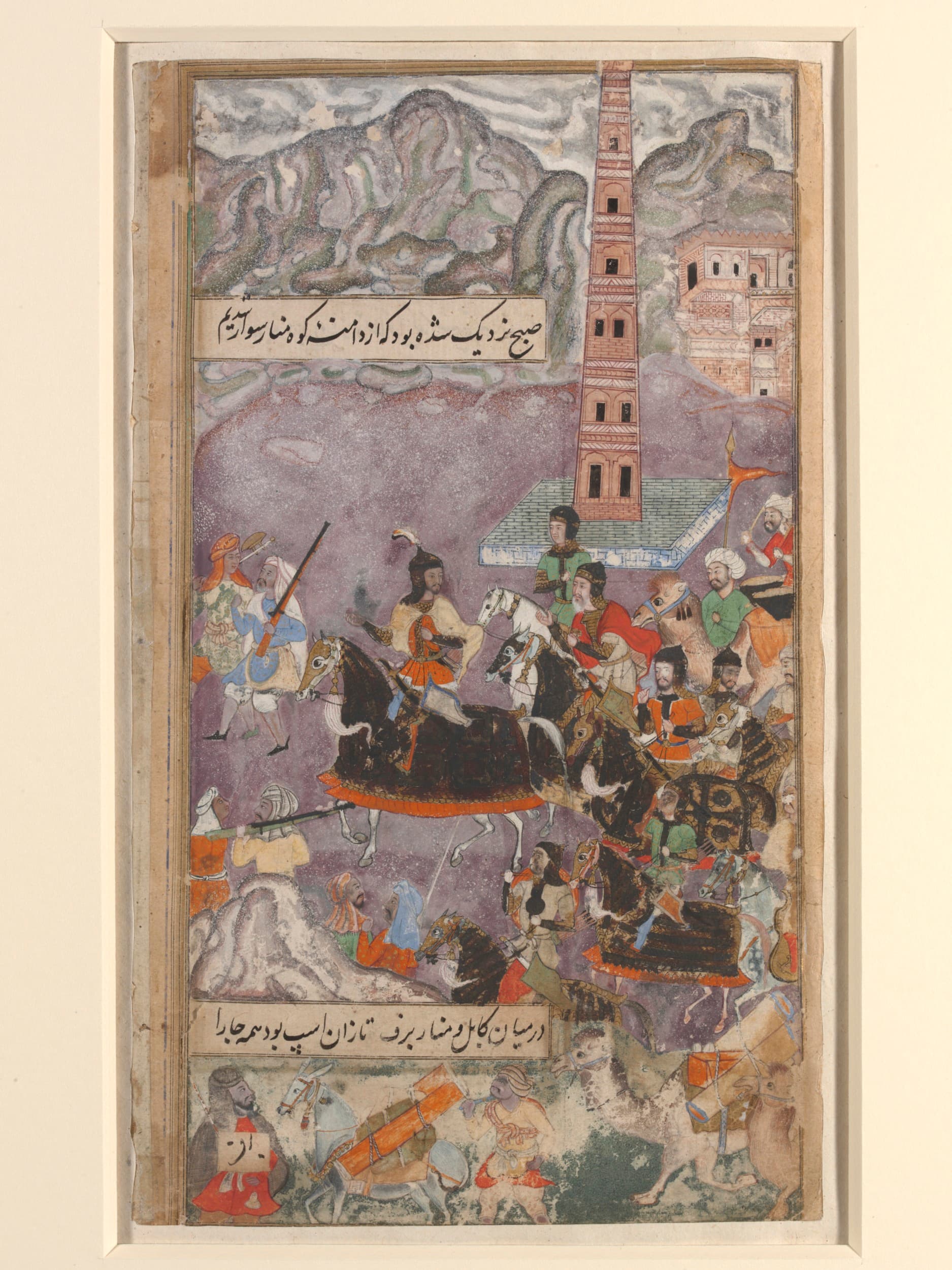
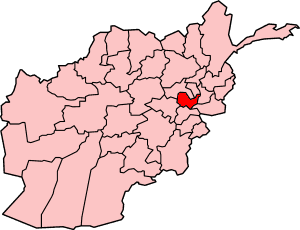
The Minaret of Jam is a magnificent 65-meter tall minaret located in the remote and rugged mountains of Ghor province. Built in the late 12th century by the Ghurid Sultan Ghiyasuddin, it is renowned for its intricate brickwork, glazed tile ornamentation, and Kufic and Naskhi calligraphy. The minaret is a striking example of Islamic architecture and is believed to have been part of a larger complex, possibly the Ghurid capital of Firuzkuh. Its isolated location has contributed to its preservation, making it a critical testament to the architectural and artistic achievements of the Ghurid dynasty, a significant Islamic power of its time. It stands as a symbol of Afghanistan's rich and often overlooked pre-Mongol heritage.
Source: UNESCO World Heritage Centre
Confidence: 0.98
Update Cycle: Every 24-36 months for conservation status reports; core historical data is stable.
Destination Summary
afghanistan
Afghanistan boasts a rich history and stunning mountainous landscapes, once a vital crossroads of the Silk Road. However, due to ongoing instability and security concerns, it is currently considered an extremely high-risk destination for international tourists.
CATEGORY
Central Asia
LANGUAGES
Pashto, Dari
SPECIAL RULES
All foreign nationals require a visa, and entry is extremely restricted with most governments advising against all travel. Strict Islamic laws apply, requiring modest dress for all, especially women (head covering recommended). Public consumption of alcohol and photography of sensitive areas are prohibited. Right-hand traffic.
>
Average Flight Times from poland to afghanistan
Warsaw (WAW)
Warsaw Chopin Airport
Kabul (KBL)
Hamid Karzai International Airport
Duration
9 hr 30 min - 11 hr 30 min
Flight Type
1 Stop
Airlines
Turkish Airlines
Krakow (KRK)
Krakow John Paul II International Airport
Kabul (KBL)
Hamid Karzai International Airport
Duration
10 hr 30 min - 12 hr 30 min
Flight Type
1 Stop
Airlines
Turkish Airlines
Gdansk (GDN)
Gdansk Lech Walesa Airport
Kabul (KBL)
Hamid Karzai International Airport
Duration
11 hr 30 min - 13 hr 30 min
Flight Type
1 Stop
Airlines
Turkish Airlines
Katowice (KTW)
Katowice Airport
Kabul (KBL)
Hamid Karzai International Airport
Duration
10 hr 30 min - 12 hr 30 min
Flight Type
1 Stop
Airlines
Turkish Airlines
Events Calendar
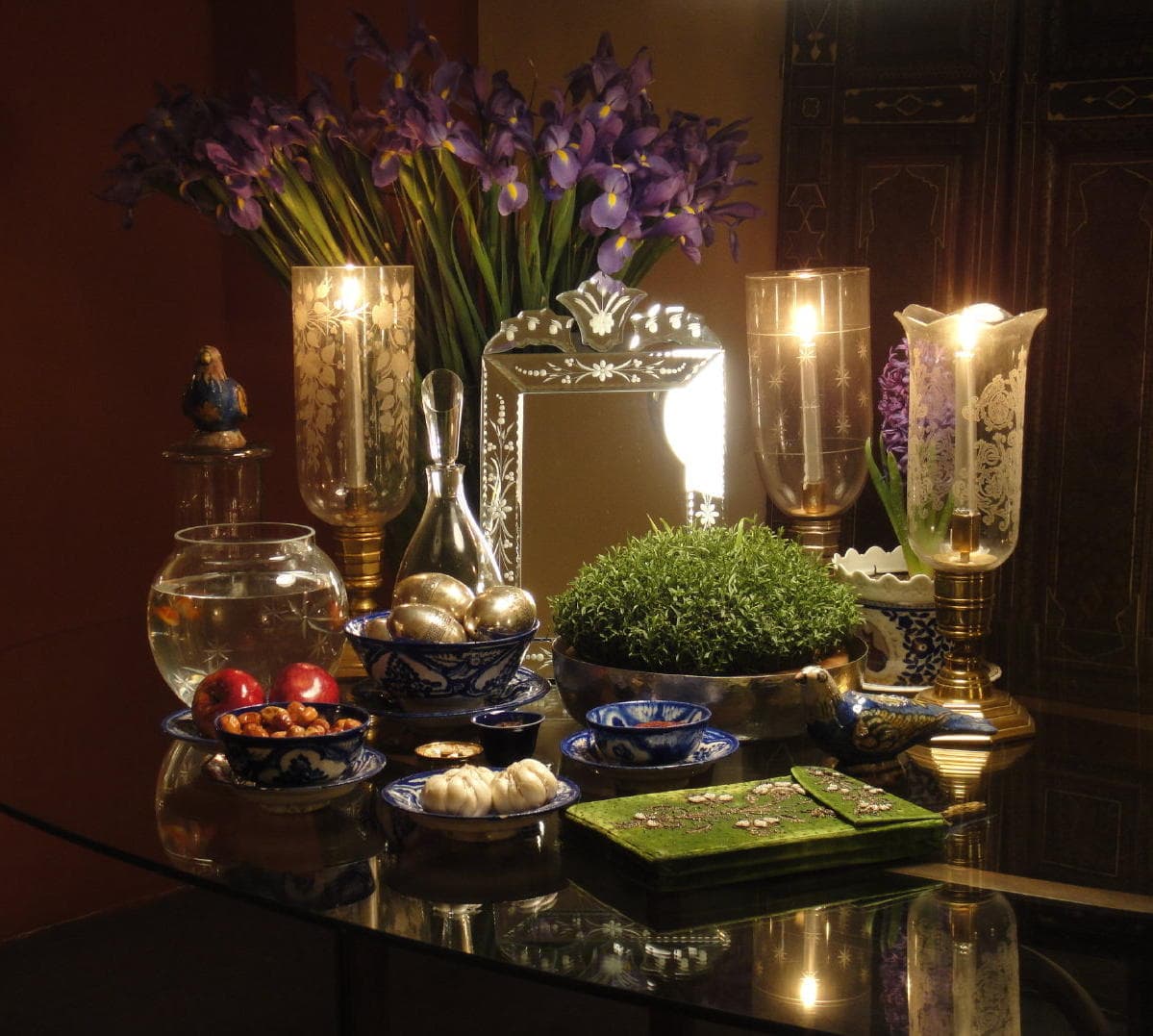
Nawruz (Persian New Year)
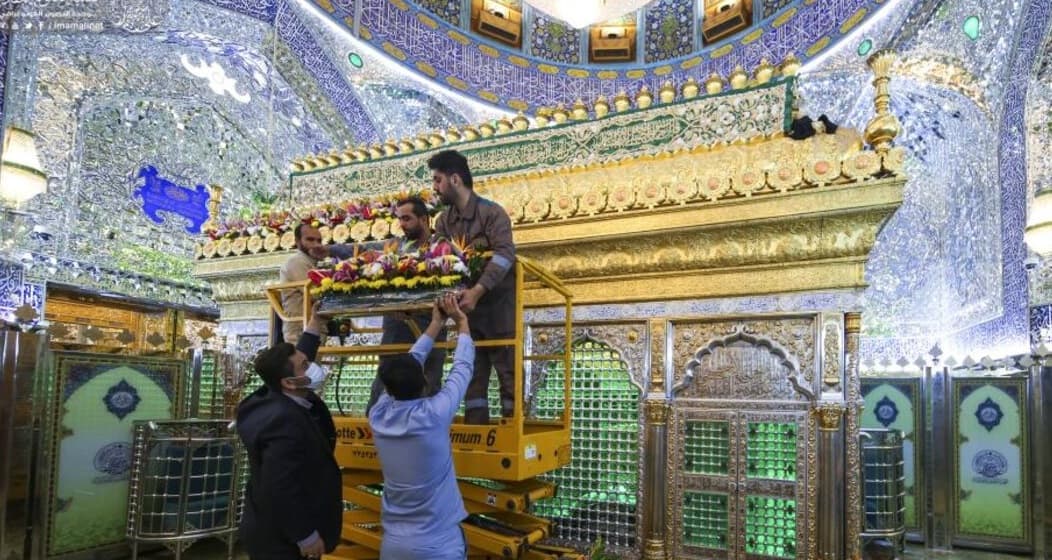
Nawruz marks the spring equinox and the traditional Persian New Year, deeply rooted in ancient Zoroastrian traditions. It is a time of renewal, hope, and family gatherings across Afghanistan. Celebrations involve spring cleaning, visiting relatives, preparing special foods like 'Haft Mewa' (seven fruits), and communal picnics. In Mazar-i-Sharif, the 'Janda Bala' (flag hoisting) ceremony at the Shrine of Ali is a central event, drawing thousands. This festival symbolizes the triumph of good over evil and the rejuvenation of nature, fostering unity and cultural pride.
Source: UNESCO Intangible Cultural Heritage list (for Nawruz as shared heritage); Cultural organizations and historical records.
Confidence: 0.96
Update Cycle: Annually for specific dates; cultural significance is stable.
Eid al-Fitr
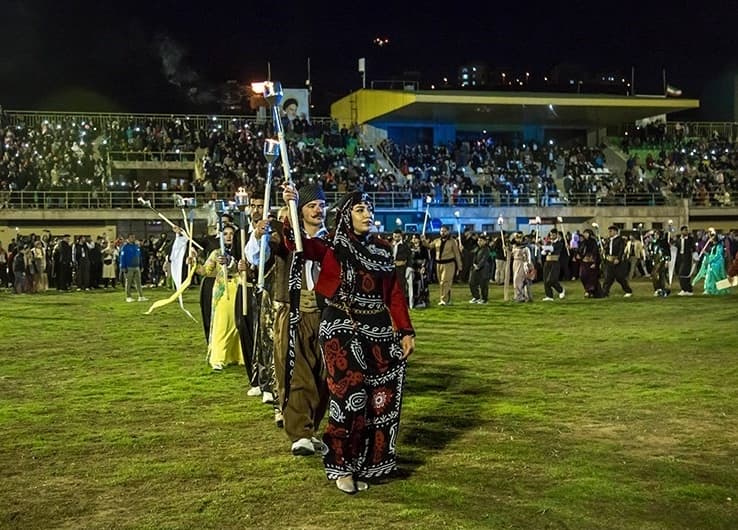
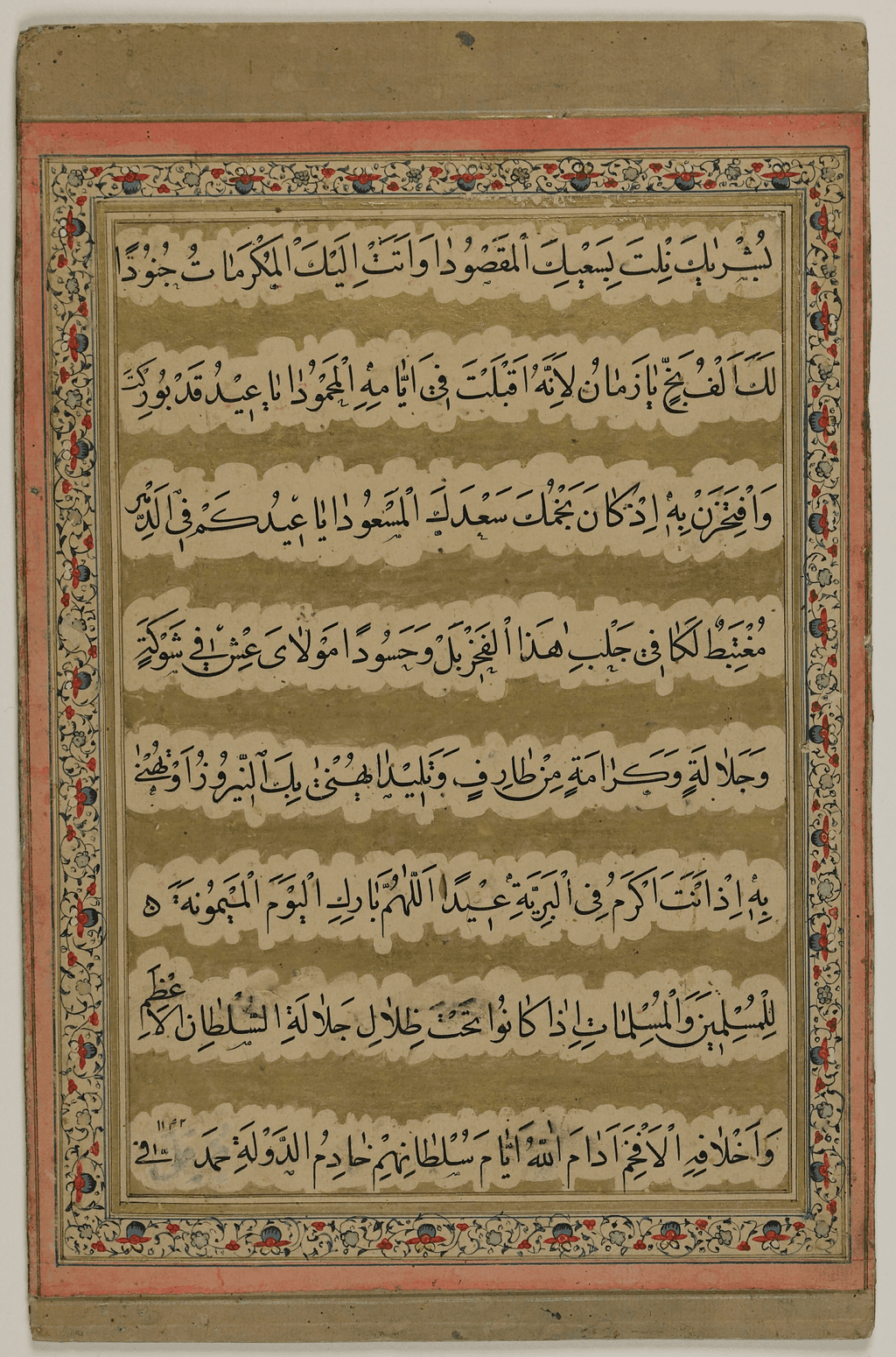
Eid al-Fitr, meaning 'Festival of Breaking the Fast,' marks the joyous conclusion of Ramadan, the Islamic holy month of fasting. It is a three-day celebration where families gather for communal prayers, exchange gifts, and enjoy elaborate feasts. Children receive new clothes and sweets, and charity ('Zakat al-Fitr') is given to the less fortunate. The atmosphere is one of gratitude, forgiveness, and community solidarity, as Muslims celebrate the spiritual achievements of Ramadan.
Source: Islamic Calendar Council of North America (or similar authoritative Islamic calendar source); Historical records of Islamic observances.
Confidence: 0.95
Update Cycle: Annually for exact dates (based on lunar sighting); religious significance is stable.


Eid al-Adha
Eid al-Adha, the 'Festival of Sacrifice,' is one of the most important Islamic holidays, commemorating Prophet Ibrahim's (Abraham's) willingness to sacrifice his son as an act of obedience to God. It coincides with the annual Hajj pilgrimage to Mecca. In Afghanistan, families perform the ritual sacrifice of a sheep, goat, or cow, dividing the meat among family, friends, and the poor. It is a time for prayers, reflection, visiting relatives, and reaffirming faith and generosity.
Source: Islamic Calendar Council of North America (or similar authoritative Islamic calendar source); Historical records of Islamic observances.
Confidence: 0.95
Update Cycle: Annually for exact dates (based on lunar sighting); religious significance is stable.
Ashura
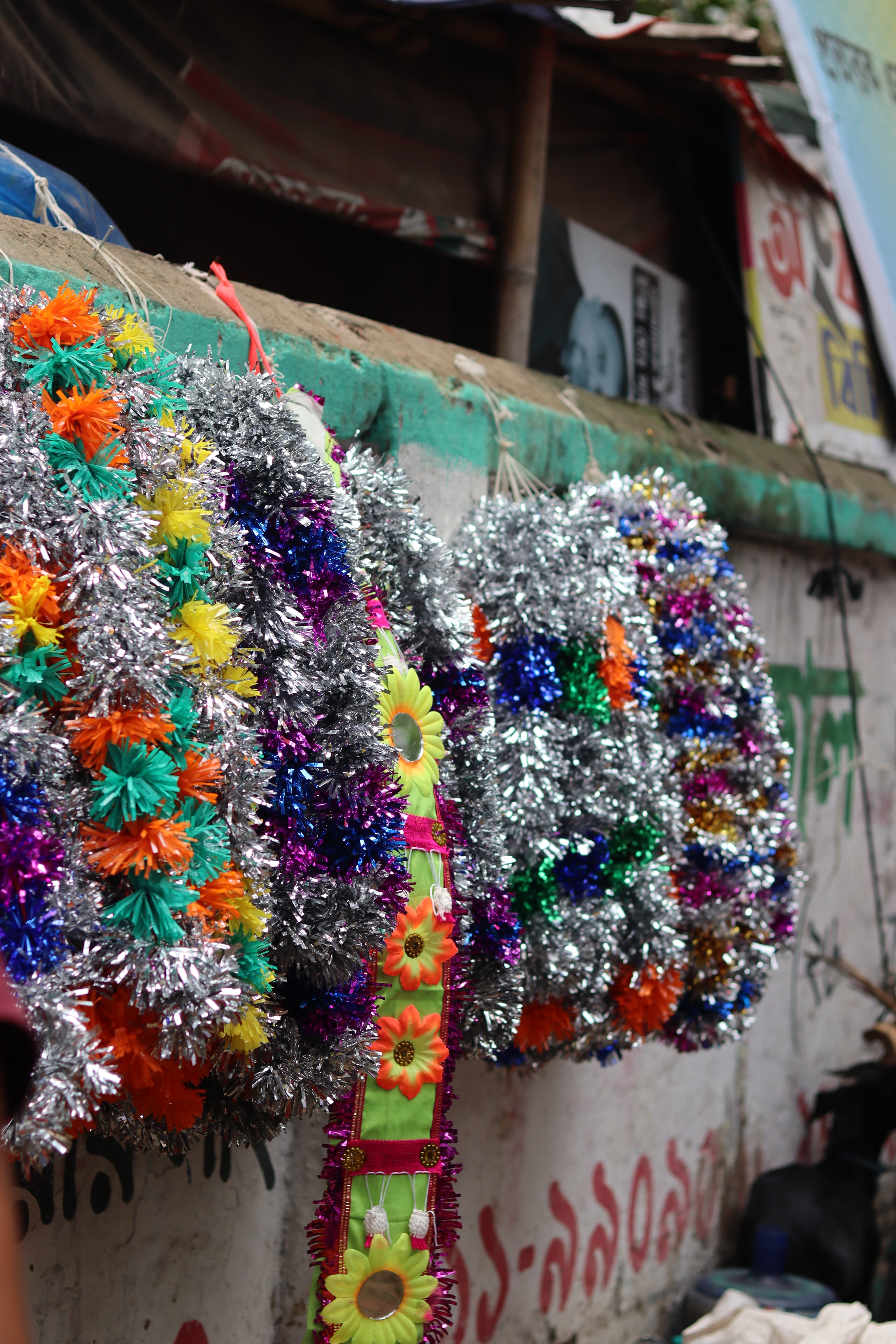
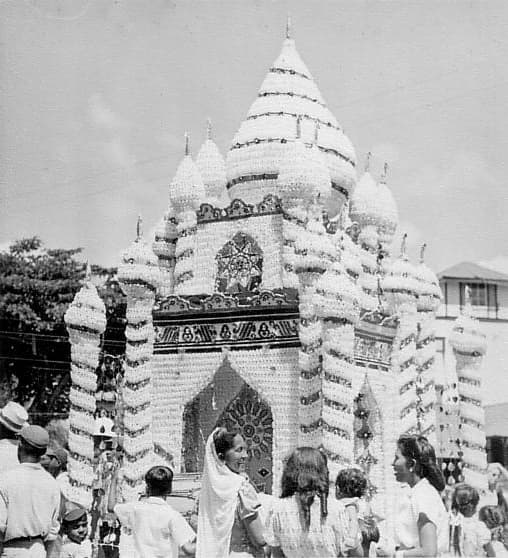
Ashura is a solemn day of remembrance for Shia Muslims, commemorating the martyrdom of Imam Hussein, the grandson of Prophet Muhammad, at the Battle of Karbala in 680 CE. It is observed with mourning rituals, processions, religious plays ('Ta'zieh'), and public recitations of elegies. While it is a day of deep sorrow and reflection, it also emphasizes themes of sacrifice, justice, and resistance against oppression. Food is often prepared and distributed to the poor as an act of charity.
Source: Reputable Islamic historical texts; academic sources on Shia Islam.
Confidence: 0.92
Update Cycle: Annually for exact dates (based on lunar sighting); historical and religious significance is stable.
Why Customers Love Prune?
Instant internet on landing
Get connected the moment your plane touches down. No waiting, no hassle.
Save 80% vs roaming
Keep your travel budget intact with rates that crush traditional roaming fees.
Keep WhatsApp & OTP access
Stay reachable for messages, verifications, and two-factor codes wherever you are.
Works across regions
One eSIM covers multiple countries so you travel without swapping cards.
Setup in 2 minutes
Scan, activate, and go. It's that simple — no store visits needed.
24/7 support
Real humans ready to help you anytime, anywhere in the world.