Traveling Abroad?
Traveling from brazil? Find the Best eSIM for Your Next Destination
Choose from 200+ countries and save up to 90% on roaming
Trusted by Millions of Travelers
Instant Activation
Save up to 90% on roaming
Leading Network Partners

Brazil eSIM

Claro 5G
+1 others
If you're running low, you can always Top up
The package starts when you connect to a supported network

Data
Choose your package
7 Days
1 GB
$4.38 USD
15 Days
2 GB
$5.48 USD
30 Days
3 GB
$7.68 USD
5 GB
$17.57 USD
10 GB
$18.67 USD
20 GB
$29.66 USD
Essential Facts for Visiting brazil
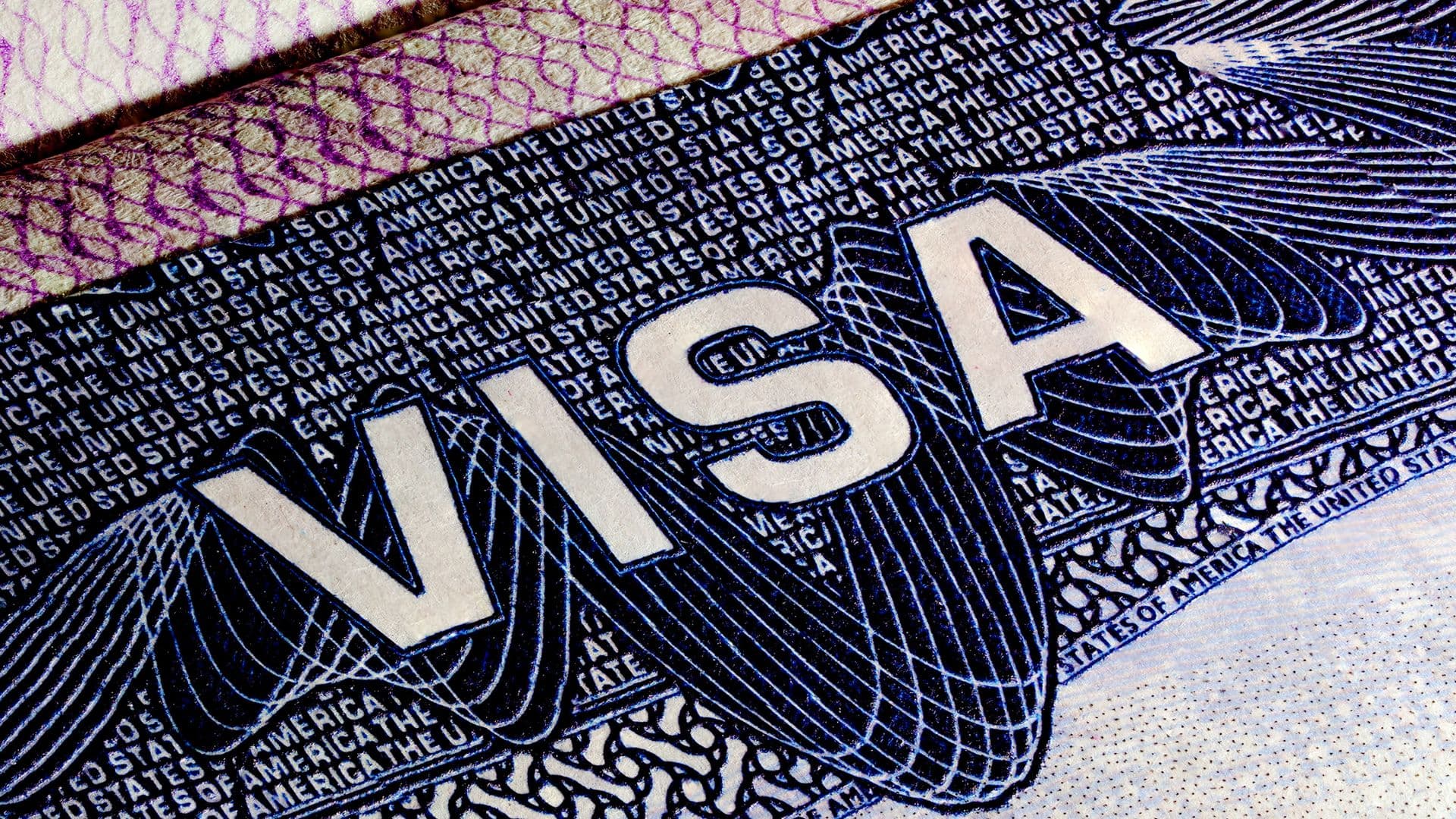
¡Qué chévere! Para los patas de Perú que quieren darse una vuelta por Brasil, la buena noticia es que no necesitan visa para estancias turísticas o de negocios de hasta 90 días. Esto es gracias a los acuerdos del MERCOSUR, que hacen que el viaje sea mucho más sencillo y sin tanto papeleo.
Puedes entrar con tu pasaporte válido o, si prefieres, con tu Documento Nacional de Identidad (DNI) vigente. Si te animas a quedarte más tiempo, puedes solicitar una extensión por otros 90 días, pero ojo, no puedes exceder los 180 días en un periodo de 12 meses. ¡Así que a disfrutar sin preocupaciones!
Source: fly2globe
Confidence: 1
Update cycle: Annually/As agreements change
Para que tu viaje sea tranqui, tu pasaporte o DNI solo necesita ser válido por la duración de tu estadía en Brasil. No hay esa vaina de que tenga que tener seis meses de validez extra, como a veces piden en otros lados. ¡Así que no te apures si tu pasaporte está por vencer en unos meses, siempre y cuando cubra tu viaje!
Es importante que tu documento esté en buen estado y sea legible, causa. Asegúrate de que no esté roto o dañado para evitar cualquier contratiempo en migraciones. Si viajas con DNI, que esté vigente y en buenas condiciones, ¡para que no haya roche!
Source: amazon
Confidence: 0.95
Update cycle: Annually/As regulations change
Si solo estás de paso por Brasil y tu vuelo es de conexión, ¡no te hagas bolas! Si te quedas en la zona de tránsito internacional del aeropuerto, normalmente no necesitas ningún permiso extra. Es como un 'pit stop' sin salir del circuito, ¿me entiendes?
Ahora, si tu conexión implica salir del aeropuerto, cambiar de terminal o incluso de ciudad, pues ahí sí aplicarán las reglas de entrada normales. Pero como los peruanos no necesitamos visa para entrar a Brasil por turismo, puedes hacerlo sin problemas, siempre y cuando cumplas con los requisitos básicos de entrada. ¡Así que puedes ir de frente sin preocupaciones!
Source: tpt
Confidence: 0.95
Update cycle: Annually/As regulations change
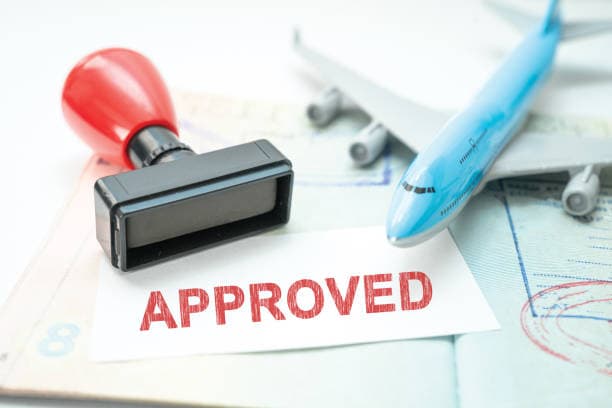
¡Tranqui, mi gente! A diferencia de otros destinos que ya piden autorizaciones electrónicas como el ETIAS o ESTA, Brasil no tiene ese tipo de requisito para los peruanos. No necesitas llenar ningún formulario online previo para que te den el 'ok' para entrar.
Tu pasaporte o DNI válido es suficiente para que te den la bienvenida. La entrada se basa en el acuerdo de exención de visa que tenemos, así que no hay que preocuparse por trámites adicionales antes de viajar. ¡Es más directo, como nos gusta!
Source: istock
Confidence: 1
Update cycle: As new systems are introduced

¡Ni a balas vas a encontrar un link de eVisa para peruanos que van a Brasil por turismo! Como ya te contamos, no necesitamos visa para entrar, así que no hay ningún sistema de visa electrónica que aplicar. ¡Es un trámite menos, qué bacán!
Si por alguna razón tuvieras que solicitar una visa (por ejemplo, para una estancia muy larga o un propósito diferente al turismo/negocios de corta duración), tendrías que contactar directamente a la embajada o consulado de Brasil en Perú. Pero para la mayoría de los viajes, ¡nada que ver con eVisas!
Source: trading-view
Confidence: 1
Update cycle: N/A (as no eVisa exists for this purpose)
Health & Safety Tips for brazil
In Brazil, the primary emergency numbers are universal across the country. For police assistance, dial 190. This number connects you directly to the military police, who are responsible for general security and responding to criminal incidents.
For medical emergencies requiring an ambulance, dial 192 to reach SAMU (Serviço de Atendimento Móvel de Urgência), the public emergency medical service. For fire emergencies or rescue operations, dial 193 to contact the Fire Department (Corpo de Bombeiros).
It is advisable to have these numbers saved in your phone. While some larger cities may have specific 'tourist police' units, calling 190 is the standard and most reliable way to get police help anywhere in Brazil. In case of serious incidents, contacting your embassy or consulate after reporting to local authorities is also recommended.
Source: Brazilian Government (Federal Police, SAMU, Fire Department), U.S. Embassy & Consulates in Brazil
Confidence: 0.98
Update cycle: As needed
Travelers to Brazil should be aware of several health advisories, particularly regarding mosquito-borne diseases. Dengue, Zika, and Chikungunya are prevalent in many regions, and Yellow Fever is a risk in specific areas, especially outside major coastal cities. It is highly recommended to use insect repellent containing DEET or picaridin, wear long sleeves and pants, and stay in accommodations with air conditioning or mosquito screens.
Food and water safety are also crucial. Drink only bottled or purified water and avoid ice unless you are certain it was made from safe water. Be cautious with street food; opt for well-cooked meals from reputable establishments. Wash your hands frequently with soap and water or use an alcohol-based hand sanitizer, especially before eating.
Medical facilities vary significantly. Private hospitals in major cities like São Paulo and Rio de Janeiro offer high-quality care but can be very expensive. Public hospitals often face overcrowding and limited resources. Comprehensive travel health insurance is strongly advised, ensuring it covers medical evacuation in case of serious illness or injury.

Source: Centers for Disease Control and Prevention (CDC), World Health Organization (WHO), UK Foreign, Commonwealth & Development Office (FCDO)
Confidence: 0.95
Update cycle: Bi-annually
For entry into Brazil, there are generally no mandatory vaccination requirements for most international travelers, unless arriving from a yellow fever-endemic country. However, specific vaccinations are strongly recommended for your health and safety during your visit. Consult with a travel health professional at least 4-6 weeks before your trip.
The Yellow Fever vaccine is highly recommended for all travelers aged 9 months or older visiting areas of risk in Brazil. This includes most of the country, particularly inland regions and certain states, though major coastal cities like Rio de Janeiro and São Paulo are generally considered low-risk. Some countries may require proof of Yellow Fever vaccination upon re-entry from Brazil, so carrying your International Certificate of Vaccination (Yellow Card) is advisable.
Beyond Yellow Fever, ensure your routine vaccinations (such as MMR, DTaP, Varicella, Polio, and annual flu shot) are up-to-date. Other recommended vaccines often include Hepatitis A and B, and Typhoid, especially if you plan to eat outside major resorts or visit rural areas. Rabies vaccination may be considered for long-term travelers or those involved in outdoor activities that may bring them into contact with animals.

Source: Centers for Disease Control and Prevention (CDC), World Health Organization (WHO), National Health Service (NHS) UK
Confidence: 0.96
Update cycle: Annually
Connectivity & Mobility in brazil
Extensive Network Coverage Across Brazil
Brazil's mobile network coverage for tourists, whether using physical SIM cards or eSIMs, is robust, especially in urban centers and along major transportation routes. The country's leading mobile operators have invested significantly in infrastructure, ensuring reliable 4G/LTE services are widely available. While rural and remote areas may experience more limited connectivity, major cities and tourist destinations are well-covered. eSIM technology offers a convenient alternative for travelers, allowing for digital activation without needing a physical card, and many international providers support connectivity in Brazil. Tourists can expect generally seamless service for calls, texts, and data, making it easy to stay connected throughout their trip. Prune offers competitive eSIM plans for Brazil, providing a convenient option for tourists.
Source: https://www.gov.br/anatel/pt-br/dados/painel-de-qualidade-de-servicos-de-telecomunicacoes
Confidence: 0.9
Update Cycle: 6-12 months

Affordable Prepaid SIM Options
For tourists visiting Brazil, prepaid SIM cards offer an affordable and flexible solution for mobile connectivity. The average price for a tourist-oriented prepaid SIM card, typically including a generous data allowance (e.g., 5-10 GB), local calls, and SMS for a 15-30 day validity period, generally ranges from BRL 30 to BRL 70 (approximately USD 6-14, subject to exchange rates). These plans are available from major mobile operators at airports, official stores, and authorized retailers. The cost usually covers the SIM card itself and an initial data package, with options to top up as needed. Tourists can easily find plans that suit their travel duration and data consumption habits. https://prune.co.in/ often has competitive pricing for eSIM plans.
Source: https://www.vivo.com.br/para-voce/planos/pre-pago
Confidence: 0.85
Update Cycle: 3-6 months

Excellent Metro & Urban Connectivity
Brazil's major metropolitan areas boast excellent 5G and 4G/LTE mobile network coverage, ensuring high-speed internet access and reliable communication for tourists. Cities like São Paulo and Rio de Janeiro, along with other state capitals, have seen rapid deployment of 5G infrastructure, offering ultra-fast speeds in central districts and increasingly across broader urban landscapes. The 4G/LTE network is mature and robust in these areas, providing consistent and strong signals within city limits, including public transport systems, shopping centers, and popular tourist attractions. This strong urban connectivity facilitates navigation, communication, and access to online services for visitors.
Source: https://www.gov.br/anatel/pt-br/assuntos/5g
Confidence: 0.9
Update Cycle: 3 months

Money & Daily Life in brazil
Currency
The official currency of Brazil is the Brazilian Real (BRL), symbolized as R$. It is divided into 100 centavos. Banknotes come in denominations of R$2, R$5, R$10, R$20, R$50, R$100, and R$200, while coins are available for R$0.01, R$0.05, R$0.10, R$0.25, R$0.50, and R$1. It is advisable to exchange currency at official exchange bureaus (casas de câmbio) or banks rather than unofficial street vendors. ATMs are widely available in cities, but be cautious of their location and potential skimming devices; prefer those inside banks or shopping malls.
Source: Central Bank of Brazil, major travel guides
Confidence: 0.98
Update Cycle: As needed

Tipping culture
Tipping culture in Brazil is generally more relaxed than in some other countries. In restaurants, a 10% service charge (serviço) is often automatically added to the bill; if it is, no further tip is expected, though you can add a little extra for exceptional service. If the service charge is not included, a tip of 10-15% is customary for good service. For taxi drivers, tipping is not expected, but rounding up the fare to the nearest convenient amount is common and appreciated. Hotel staff such as bellhops and housekeepers appreciate small tips (e.g., R$5-10). Tour guides are typically tipped, with R$20-50 for a half or full-day tour being a common range depending on the service quality.
Source: Lonely Planet, Fodor's Travel Guides, expat forums
Confidence: 0.9
Update Cycle: Bi-annually

Credit cards
Credit cards are widely accepted in major cities, tourist areas, hotels, restaurants, and larger retail stores throughout Brazil. Visa and Mastercard are the most commonly accepted networks, followed by American Express and Diners Club, which may have more limited acceptance. However, in smaller towns, rural areas, local markets, or with street vendors, cash is often preferred or required. Always inform your bank of your travel plans to avoid your card being flagged for suspicious activity and to understand any foreign transaction fees. When using credit cards, be vigilant about card security, especially at gas stations or smaller establishments, and consider using ATMs located inside banks during business hours for cash withdrawals.
Source: Major Brazilian banks, U.S. State Department travel advisories
Confidence: 0.95
Update Cycle: Annually

Plug/Voltage
Brazil officially uses Type N power sockets, which feature three round pins. However, you may still encounter older Type C (two round pins, common in Europe) or even Type A/B (two or three flat pins, common in North America) sockets in older establishments. A universal travel adapter is highly recommended to ensure compatibility. The voltage in Brazil is notoriously variable by region and even within cities, with both 127V and 220V being common. Major cities like São Paulo and Rio de Janeiro primarily use 127V, while Brasília and Salvador use 220V. Some areas may have both. Always check the local voltage before plugging in appliances, or use a device with a wide voltage range (e.g., 100-240V) and a surge protector. The standard frequency is 60 Hz.
Source: WorldStandards.eu, International Electrotechnical Commission (IEC)
Confidence: 0.97
Update Cycle: Annually

Local language(s)
The official and most widely spoken language in Brazil is Portuguese. Brazilian Portuguese has distinct differences in pronunciation, vocabulary, and some grammar from European Portuguese, but they are mutually intelligible. English is not widely spoken outside of major tourist hotels, high-end restaurants, and some specific tourist-oriented services in large cities. Therefore, learning a few basic phrases in Portuguese, such as greetings, common questions, and numbers, will significantly enhance your travel experience and interactions with locals. Having a translation app on your phone can also be very helpful, especially when venturing outside major tourist hubs.
Source: Brazilian Ministry of Tourism, Ethnologue, reputable travel guides
Confidence: 0.99
Update Cycle: Continuously

Weather and Seasonal Guide for Brazil

Best time to visit
May to September
This period marks Brazil's dry season across many regions, offering pleasant weather with less humidity and rainfall. It's ideal for wildlife viewing in the Amazon and Pantanal, and coastal areas generally enjoy comfortable temperatures, making it excellent for exploring diverse landscapes and activities without the extreme heat or heavy rains of summer.
Avg temp(april)
23°C to 28°C
April brings more moderate temperatures and significantly less rain across much of Brazil, making it an excellent shoulder season month. It's ideal for sightseeing and enjoying beaches before the cooler winter months, with fewer crowds than summer.
Source: Embratur (Brazilian Agency for International Tourism Promotion)
Confidence: 0.95
Update Cycle: Every 12 months
Destination Summary
brazil
Brazil captivates with its immense natural beauty, from the Amazon rainforest and Pantanal wetlands to stunning beaches and vibrant cities like Rio de Janeiro, offering a rich cultural tapestry of music, dance, and festivals.
CATEGORY
South America
LANGUAGES
Portuguese
SPECIAL RULES
Visa requirements vary by nationality; many countries enjoy visa-free entry for short stays, while others may require an e-Visa or traditional visa. Traffic drives on the right-hand side.
>
Average Flight Times from peru to brazil
Lima (LIM)
Jorge Chávez International Airport
São Paulo (GRU)
Guarulhos International Airport
Duration
5 hr 15 min
Flight Type
Direct
Airlines
LATAM Airlines,
GOL Linhas Aéreas
Lima (LIM)
Jorge Chávez International Airport
Rio de Janeiro (GIG)
Rio de Janeiro/Galeão–Antonio Carlos Jobim International Airport
Duration
5 hr 30 min
Flight Type
Direct
Airlines
LATAM Airlines
Lima (LIM)
Jorge Chávez International Airport
Brasília (BSB)
Brasília International Airport
Duration
9 hr 00 min
Flight Type
1 Stop
Airlines
LATAM Airlines,
GOL Linhas Aéreas
Lima (LIM)
Jorge Chávez International Airport
Fortaleza (FOR)
Pinto Martins International Airport
Duration
10 hr 45 min
Flight Type
1 Stop
Airlines
LATAM Airlines,
GOL Linhas Aéreas
Why Customers Love Prune?
Instant internet on landing
Get connected the moment your plane touches down. No waiting, no hassle.
Save 80% vs roaming
Keep your travel budget intact with rates that crush traditional roaming fees.
Keep WhatsApp & OTP access
Stay reachable for messages, verifications, and two-factor codes wherever you are.
Works across regions
One eSIM covers multiple countries so you travel without swapping cards.
Setup in 2 minutes
Scan, activate, and go. It's that simple — no store visits needed.
24/7 support
Real humans ready to help you anytime, anywhere in the world.