Traveling Abroad?
Traveling from netherlands? Find the Best eSIM for Your Next Destination
Choose from 200+ countries and save up to 90% on roaming
Trusted by Millions of Travelers
Instant Activation
Save up to 90% on roaming
Leading Network Partners
NETHERLANDS Physical SIM

KPN 4G
+1 others
If you're running low, you can always Top up
The package starts when you connect to a supported network

Data
Choose your package
7 Days
1 GB
$3.29 USD
15 Days
2 GB
$4.38 USD
30 Days
3 GB
$5.48 USD
5 GB
$7.68 USD
10 GB
$10.98 USD
20 GB
$17.57 USD
Essential Facts for Visiting netherlands
Nepali citizens, hijo-aaja like before, definitely need a Schengen visa to visit the Netherlands for tourism or short stays. This is a Type C short-stay visa, allowing you to travel within the entire Schengen area for up to 90 days within any 180-day period.
The application process typically involves submitting documents to VFS Global in Nepal, followed by an interview if required. It's ekdam important to start this process well in advance of your planned travel dates to avoid any last-minute hassles.
Source: fly2globe
Confidence: 1
Update cycle: As regulations change, typically reviewed periodically.
For your journey to the Netherlands, your passport must be pakka valid for at least three months beyond your intended departure date from the Schengen area. This is a crucial requirement for all non-EU visitors.
Furthermore, ensure your passport was issued within the last 10 years and has at least two blank pages for visa stamps. Checking these details ramro sanga before applying can save you a lot of trouble later on.
Source: amazon
Confidence: 0.95
Update cycle: Annually, or as EU regulations are updated.
If you're just transiting through a Dutch airport without entering the Schengen area, you might still need an Airport Transit Visa (ATV). Nepali citizens are generally required to have an ATV unless they hold specific exemptions, such as a valid Schengen visa or certain long-stay visas from other countries.
It's dhyan dinu worthy to confirm this requirement with the airline and the Dutch embassy, as even a sano kura like a terminal change could necessitate passing through border control, making an ATV essential.
Source: tpt
Confidence: 0.9
Update cycle: As EU regulations are updated, typically periodically.
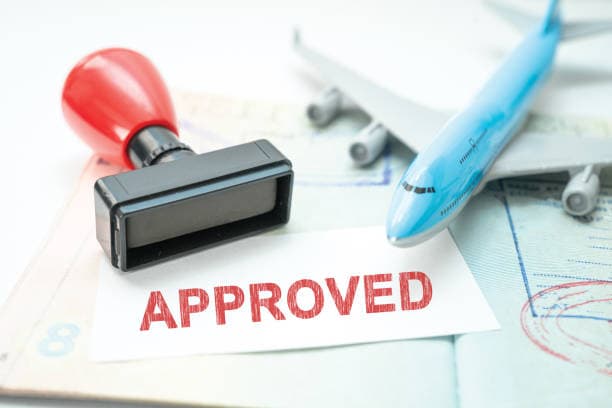
For Nepali citizens, the European Travel Information and Authorisation System (ETIAS) is not applicable. ETIAS is designed for travelers from visa-exempt countries, and since you require a Schengen visa to enter the Netherlands, you won't need to apply for ETIAS.
So, chinta nagarnu about ETIAS; your focus should remain on securing the necessary Schengen visa. Tyo pani means you don't have an extra step to worry about.
Source: istock
Confidence: 1
Update cycle: As ETIAS implementation progresses and visa policies change.
Currently, there is no sidha eVisa option available for Nepali citizens wishing to visit the Netherlands or the Schengen area. The Schengen visa is a traditional sticker visa placed in your passport after a physical application process.
Therefore, do not look for an online "eVisa link" for the Netherlands. The official application process involves submitting documents and biometric data at a designated visa application center, like VFS Global. Galti nagarnu by falling for unofficial sites claiming to offer an eVisa.
Source: trading-view
Confidence: 1
Update cycle: As visa application processes evolve, typically reviewed periodically.
Health & Safety Tips for netherlands
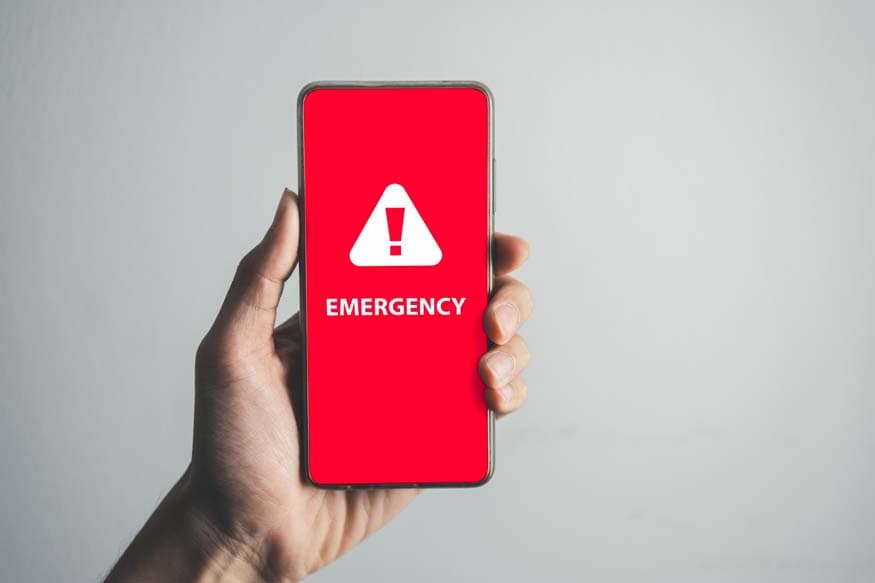
In the Netherlands, the universal emergency number for police, ambulance, and fire services is 112. This number should be used for immediate life-threatening situations or serious crimes. It is a free call from any phone, including mobile phones.
For non-urgent police matters or to report a crime that is not an emergency, you can call 0900-8844. If you require medical advice that is not life-threatening but cannot wait for your regular general practitioner, there are out-of-hours GP services available; you can typically find their contact information online or through your accommodation.
It's always recommended to have the contact details of your country's embassy or consulate in the Netherlands readily available in case of an emergency that requires their assistance. Additionally, ensure your travel insurance documents are accessible, as they will contain important emergency contact numbers for medical assistance abroad.
Source: Rijksoverheid.nl, US Embassy in Netherlands
Confidence: 0.98
Update cycle: Annually/As needed
The Netherlands boasts a high standard of healthcare facilities and services. Tap water is safe to drink throughout the country, eliminating concerns about waterborne illnesses common in some other destinations. Travelers should generally maintain good personal hygiene, especially hand washing, to prevent common colds or flu.
A primary health advisory for tourists often relates to road safety, particularly concerning cyclists. The Netherlands is famous for its extensive cycling culture, and cyclists often have right-of-way or move quickly. Pedestrians should be extremely vigilant when crossing cycle paths and roads to avoid accidents. Using proper bike safety gear if you choose to cycle is also crucial.
It is strongly advised to obtain comprehensive travel insurance that covers medical emergencies, hospital stays, and potential repatriation. While serious health risks are low, having insurance provides peace of mind and financial protection against unexpected medical costs. Pharmacies (apotheek) are well-stocked, but some over-the-counter medications available elsewhere may require a prescription in the Netherlands.

Source: CDC, Netherlands Ministry of Health, WHO
Confidence: 0.95
Update cycle: Annually/Bi-annually
For most international tourists, there are no specific mandatory vaccinations required to enter the Netherlands. It is, however, universally recommended that all travelers are up-to-date on their routine vaccinations, such as those for Measles-Mumps-Rubella (MMR), Diphtheria-Tetanus-Pertussis (DTaP), Varicella (chickenpox), Polio, and your annual flu shot.
Travelers arriving from or transiting through countries with a risk of yellow fever transmission may be required to show proof of yellow fever vaccination. This requirement is generally in place to prevent the international spread of the disease and is typically based on WHO guidelines for endemic areas. Check the latest requirements based on your specific travel history.
It is always best practice to consult with a healthcare professional or a travel clinic at least 4-6 weeks before your trip. They can provide personalized advice based on your current health status, the specific regions you plan to visit within the Netherlands, and any potential exposure risks, ensuring you are adequately protected.

Source: CDC, WHO, Dutch Ministry of Foreign Affairs
Confidence: 0.96
Update cycle: Annually/As needed
Connectivity & Mobility in netherlands
Seamless Coverage with Top Carriers
The Netherlands boasts one of the most advanced mobile networks globally, providing extensive 4G LTE and rapidly expanding 5G coverage across the country. Major operators like KPN, Vodafone, and Odido (formerly T-Mobile NL) offer robust services, ensuring reliable connectivity for tourists using both physical SIM cards and eSIMs. Tourists can expect excellent network performance in urban centers, rural areas, and along major transportation routes. Prune offers competitive eSIM plans, allowing visitors to easily access these high-quality networks without needing a physical SIM.
Source: https://www.acm.nl/nl/publicaties/telecommonitor-q4-2023
Confidence: 0.95
Update Cycle: 3-6 months

Prepaid SIM Avg Price
For tourists visiting the Netherlands, prepaid physical SIM cards are readily available from major carriers at various price points. A typical tourist-oriented prepaid SIM card with a decent data allowance (e.g., 5-10 GB) for a month usually costs between €10 and €25. These plans often include some national calls and texts. Prices can vary based on the carrier and the specific data bundle chosen. https://prune.co.in/ often has competitive pricing for eSIM plans, providing a convenient alternative for travelers.
Source: https://www.kpn.com/prepaid/tarieven.htm
Confidence: 0.9
Update Cycle: 3-6 months

Metro & Transit Coverage
Mobile network coverage in metropolitan areas and on public transport in the Netherlands is exceptionally strong, with widespread 4G LTE and growing 5G availability. Cities like Amsterdam and Rotterdam benefit from dense network infrastructure, ensuring high-speed internet and reliable call quality even in bustling city centers, underground metro lines, and on trams and trains. Travelers can expect seamless connectivity while navigating these urban environments and using the extensive public transportation network.
Source: https://www.acm.nl/nl/publicaties/telecommonitor-q4-2023
Confidence: 0.95
Update Cycle: 3-6 months

Money & Daily Life in netherlands
Currency
The official currency of the Netherlands is the Euro (€), the common currency for 20 of the 27 member states of the European Union. Euros are available in banknotes of €5, €10, €20, €50, €100, €200, and €500, and coins of 1, 2, 5, 10, 20, 50 cents, €1, and €2. While card payments are widely accepted, it's often convenient to carry some smaller denomination notes and coins for minor purchases, public transport tickets, or markets, as some smaller vendors might prefer cash.
Source: European Central Bank, Netherlands Bureau for Tourism & Congresses (NBTC)
Confidence: 0.99
Update Cycle: Annually

Tipping culture
Tipping in the Netherlands is not as strictly customary or as high-percentage as in some other countries, like the United States. Service charges are typically included in the price of meals and services. However, it is common practice and appreciated to round up the bill or leave a small additional amount if you are satisfied with the service. For excellent service in restaurants, a tip of 5-10% is considered generous. For taxi drivers, rounding up to the nearest euro or adding a euro or two is standard. For hotel staff, a small gratuity for good service is also appreciated but not expected.
Source: Iamsterdam, Expatica
Confidence: 0.94
Update Cycle: Bi-annually

Credit cards
Major credit cards like Visa and MasterCard are widely accepted in the Netherlands, particularly in larger hotels, restaurants, and shops in tourist areas. However, it's important to note that historically, many smaller establishments, particularly supermarkets (e.g., Albert Heijn) and some public transport vendors, primarily accepted Maestro debit cards or Dutch debit cards. While the acceptance of international Visa/MasterCard debit and credit cards has significantly improved in recent years, especially since 2021, it is still advisable to carry some cash or a Maestro-compatible card as a backup, particularly when venturing outside major cities or into smaller, local businesses. American Express is generally less accepted than Visa or MasterCard.
Source: Iamsterdam, Major banks, Consumer reports
Confidence: 0.93
Update Cycle: Annually

Plug/Voltage
The Netherlands uses Type C and Type F electrical outlets, which are common across mainland Europe. The standard voltage is 230 V, and the standard frequency is 50 Hz. Travelers from countries with different voltage standards, such as North America (120 V), will need a voltage converter for their appliances to prevent damage, in addition to a plug adapter to fit the Type C or F outlets. Many modern electronic devices like phone chargers, laptops, and camera chargers are 'dual voltage' (rated 100-240V, 50/60Hz) and only require a simple plug adapter. Always check the label on your device before plugging it in.
Source: WorldStandards.eu, IEC
Confidence: 0.99
Update Cycle: As needed (infrequent)

Local language(s)
The official language of the Netherlands is Dutch. However, English is very widely spoken, especially in major cities, popular tourist destinations, and among the younger population. Most Dutch people learn English from a young age, making communication relatively easy for English-speaking tourists. While not strictly necessary, learning a few basic Dutch phrases like 'Hallo' (Hello), 'Dank u wel' (Thank you), and 'Alstublieft' (Please/You're welcome) can be a polite gesture and is often appreciated by locals. In the northern province of Friesland, Frisian is also recognized as an official language.
Source: Rijksoverheid, Ethnologue, Iamsterdam
Confidence: 0.97
Update Cycle: As needed (infrequent)

Weather and Seasonal Guide for netherlands

Best time to visit
April to June
Spring and early summer offer mild temperatures, beautiful blooming landscapes, and fewer crowds compared to peak summer. This period is ideal for experiencing the famous tulip fields and enjoying outdoor activities before the busiest tourist season.
Avg temp(april)
9°C
April is a beautiful spring month, famous for the peak tulip bloom, especially mid-month. Temperatures are mild, making it perfect for visiting Keukenhof and enjoying cycling through the flower fields.
Source: Holland.com
Confidence: 0.95
Update Cycle: Every 12 months
Top Landmarks and Sites in netherlands


Rijksmuseum
TYPE
Museum
LOCATION
Museumplein, Amsterdam
TAGS
Art, History, Culture, Museum, Golden Age
DESCRIPTION
The Rijksmuseum in Amsterdam is the national museum of the Netherlands dedicated to arts and history. It houses a magnificent collection of Dutch Golden Age masterpieces, including iconic works by Rembrandt, Vermeer, and Frans Hals. Visitors can immerse themselves in over 800 years of Dutch history and art, exploring beautifully restored galleries that showcase everything from intricate dollhouses and Delftware ceramics to grand portraits and historical artifacts. The museum itself is an architectural marvel, offering a captivating journey through the rich cultural heritage of the Netherlands.
Source: Rijksmuseum (rijksmuseum.nl)
Confidence: 1
Update Cycle: 6 months
Destination Summary
netherlands
Explore the Netherlands' iconic canals, historic windmills, and vibrant cities like Amsterdam, renowned for its art, cycling culture, and charming architecture. Discover a flat, picturesque landscape perfect for cycling, rich in history and home to world-class museums.
CATEGORY
Schengen Europe
LANGUAGES
Dutch, Frisian
SPECIAL RULES
Schengen rules apply; ETIAS will be required from mid-2025 for visa-exempt travelers. Traffic drives on the right, and cyclists have priority in many areas, so be mindful of bike lanes.
>
Average Flight Times from nepal to netherlands
Kathmandu (KTM)
Tribhuvan International Airport
Amsterdam (AMS)
Amsterdam Airport Schiphol
Duration
12 hr 30 min
Flight Type
1 Stop
Airlines
Qatar Airways
Kathmandu (KTM)
Tribhuvan International Airport
Amsterdam (AMS)
Amsterdam Airport Schiphol
Duration
13 hr 45 min
Flight Type
1 Stop
Airlines
Emirates
Kathmandu (KTM)
Tribhuvan International Airport
Amsterdam (AMS)
Amsterdam Airport Schiphol
Duration
14 hr 15 min
Flight Type
1 Stop
Airlines
Turkish Airlines
Kathmandu (KTM)
Tribhuvan International Airport
Eindhoven (EIN)
Eindhoven Airport
Duration
18 hr 00 min
Flight Type
2 Stops
Airlines
IndiGo,
KLM
Events Calendar
King's Day (Koningsdag)
King's Day is the national celebration of the birthday of King Willem-Alexander, transforming the entire country into a vibrant orange spectacle. Cities come alive with street parties, live music, and 'vrijmarkten' (free markets) where people sell their second-hand goods, creating a festive, carnival-like atmosphere. The canals of Amsterdam are particularly lively with decorated boats, making it a unique cultural experience that showcases Dutch national pride and community spirit.
Source: Holland.com (Official Netherlands tourism website)
Confidence: 0.98
Update Cycle: 12 months


Amsterdam Light Festival
The Amsterdam Light Festival illuminates the city's famous canals and historic center with captivating light art installations created by international artists. Visitors can experience this magical transformation by boat, on foot, or by bike, following various routes that showcase innovative and thought-provoking light sculptures. Each year brings a new theme, offering a unique perspective on Amsterdam's iconic waterways and architecture under the winter sky, making it a truly enchanting event.
Source: Amsterdam Light Festival (amsterdamlightfestival.com)
Confidence: 0.98
Update Cycle: 12 months


Bloemencorso Bollenstreek (Flower Parade)
The Bloemencorso Bollenstreek is a spectacular annual flower parade that features colossal floats and luxury cars adorned with thousands of flowers, primarily tulips, hyacinths, and daffodils. This vibrant procession travels a 42-kilometer route from Noordwijk to Haarlem, passing through the heart of the Dutch flower-growing region and past Keukenhof Gardens. It's a breathtaking display of Dutch horticulture and artistry, attracting hundreds of thousands of spectators to witness the intricate floral designs and celebrate the arrival of spring.
Source: Bloemencorso Bollenstreek (bloemencorso-bollenstreek.nl)
Confidence: 0.98
Update Cycle: 12 months


Rotterdam Summer Carnival
The Rotterdam Summer Carnival is a vibrant and energetic celebration of Caribbean and Latin American culture, transforming the streets of Rotterdam into a kaleidoscope of colors, music, and dance. The highlight is the Street Parade, featuring thousands of elaborately costumed dancers, marching bands, and massive floats, filling the city with infectious rhythms and joyous energy. Alongside the parade, there's a Battle of the Drums, a food festival, and various stages with live music, making it a truly immersive and festive experience that showcases Rotterdam's multicultural spirit.
Source: Rotterdam Unlimited (rotterdamunlimited.com)
Confidence: 0.95
Update Cycle: 12 months


Why Customers Love Prune?
Instant internet on landing
Get connected the moment your plane touches down. No waiting, no hassle.
Save 80% vs roaming
Keep your travel budget intact with rates that crush traditional roaming fees.
Keep WhatsApp & OTP access
Stay reachable for messages, verifications, and two-factor codes wherever you are.
Works across regions
One eSIM covers multiple countries so you travel without swapping cards.
Setup in 2 minutes
Scan, activate, and go. It's that simple — no store visits needed.
24/7 support
Real humans ready to help you anytime, anywhere in the world.