Traveling Abroad?
Traveling from algeria? Find the Best eSIM for Your Next Destination
Choose from 200+ countries and save up to 90% on roaming
Trusted by Millions of Travelers
Instant Activation
Save up to 90% on roaming
Leading Network Partners

Algeria eSIM

Ooredoo LTE
+1 others
If you're running low, you can always Top up
The package starts when you connect to a supported network

Data
Choose your package
7 Days
1 GB
$3.29 USD
15 Days
2 GB
$4.99 USD
30 Days
3 GB
$5.99 USD
5 GB
$8.99 USD
10 GB
$24.99 USD
20 GB
$33.99 USD
Essential Facts for Visiting algeria
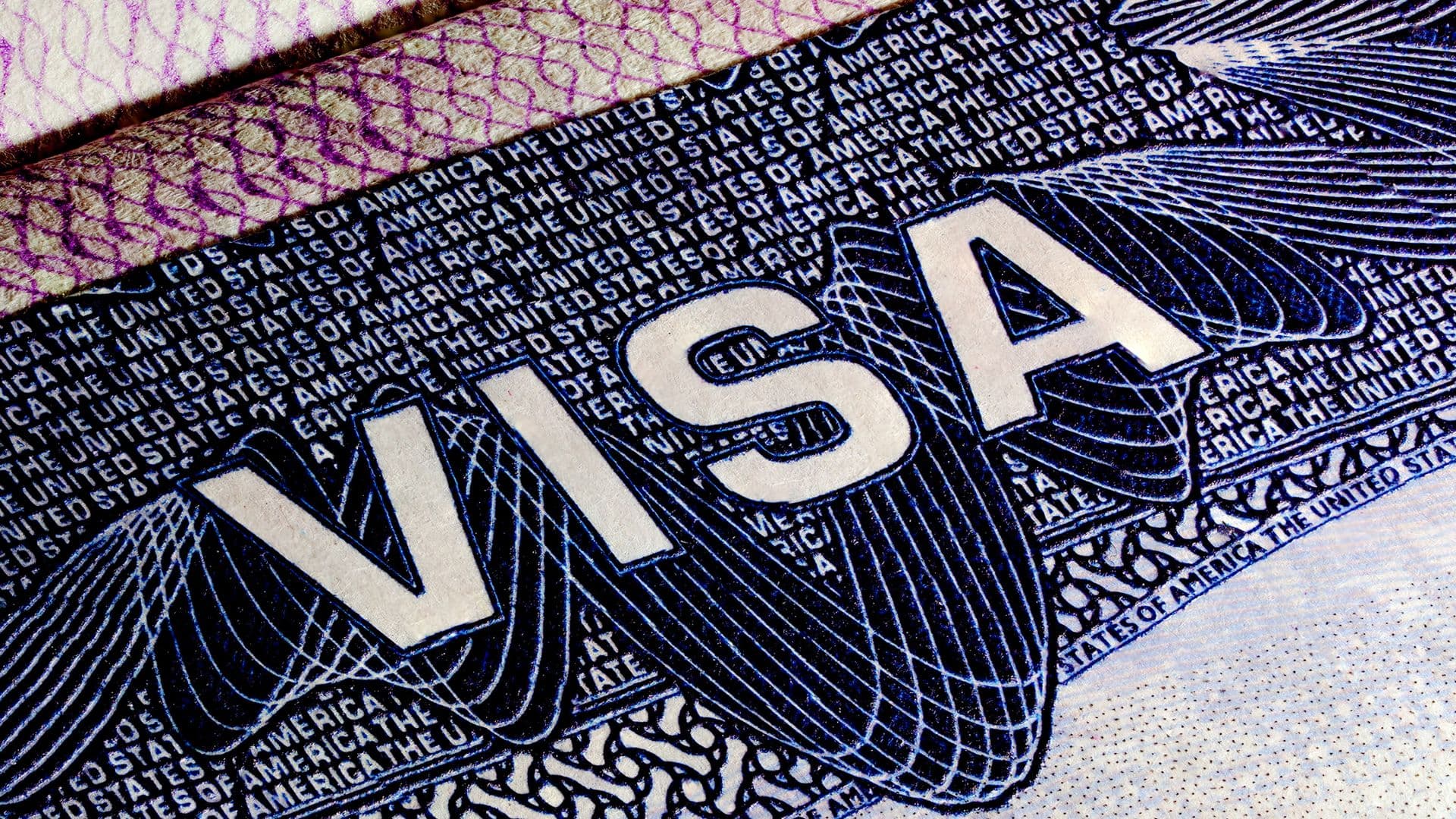
Comorian citizens, like many travelers, typically need a visa to enter Algeria. This isn't a simple "walk-in" situation, so planning ahead is key. You'll need to apply for a visa at an Algerian embassy or consulate, as there isn't one directly in Comoros. This often means applying in a country where Algeria has a diplomatic mission, which can add a bit of a journey to your preparations.
The type of visa required will depend on your purpose of visit – be it tourism, business, or family visits. Make sure all your documents are in order, including invitation letters if applicable, and allow ample time for processing. Getting everything sorted out well in advance will ensure a smooth journey, ndjema as we say, and avoid any last-minute hassles.
Source: fly2globe
Confidence: 0.95
Update cycle: Annually or as needed
For your trip to Algeria, your passport is your most important document, m'troni. It must be valid for at least six months from your intended date of entry. This is a standard international requirement, so double-check your passport's expiry date well before booking your flights.
If your passport is nearing its expiry, it's highly advisable to renew it before applying for your visa or making travel arrangements. Airlines may deny boarding if your passport doesn't meet this validity criterion, and Algerian immigration authorities will certainly enforce it. Ensure you have enough blank pages for stamps too.
Source: amazon
Confidence: 0.98
Update cycle: Annually
If you're just passing through an Algerian airport on your way to another destination, the rules can be a bit tricky. Generally, if you remain within the international transit area and have a confirmed onward flight within 24 hours, you might not need a transit visa. However, this is not always guaranteed, and it's best to confirm.
Should your transit require you to leave the international zone – perhaps for an overnight stay, to change terminals, or to re-check luggage – then a transit visa will almost certainly be required. It's crucial to verify this with your airline and the nearest Algerian embassy or consulate before you travel to ensure you have all the necessary baraka for a smooth connection.
Source: tpt
Confidence: 0.9
Update cycle: As needed
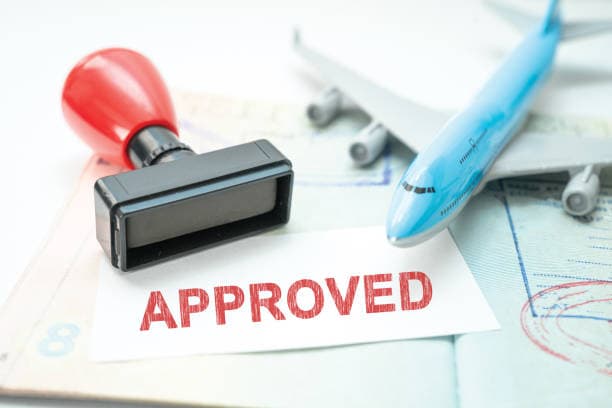
For Comorian citizens traveling to Algeria, there isn't a specific electronic travel authorization (ETA) system like those found in some other countries. Algeria operates on a traditional visa system, meaning you must obtain a physical visa stamp or sticker in your passport prior to arrival.
This means you won't be applying for an online permit or registration similar to an ESTA or eTA. Your travel authorization comes directly from the visa issued by an Algerian diplomatic mission. Always ensure your visa is valid for your intended period of stay and purpose of travel before embarking on your journey.
Source: istock
Confidence: 0.95
Update cycle: Annually
While some countries are moving towards electronic visas, Algeria has not yet fully implemented a general eVisa system for all tourists, including those from Comoros. Therefore, there isn't a direct, universally accessible online portal for Comorian citizens to apply for an eVisa for tourism purposes at this time.
Travelers from Comoros should prepare to apply for a traditional visa through an Algerian embassy or consulate. Any information suggesting an eVisa for general tourism should be cross-referenced with official Algerian government sources to avoid misinformation. Always rely on official channels for the most accurate and up-to-date application procedures.
Source: trading-view
Confidence: 0.9
Update cycle: As needed (if implemented)
Health & Safety Tips for algeria
For immediate assistance in Algeria, tourists should be aware of the primary emergency contact numbers. The general police emergency number is 17, which can be dialed for crime-related incidents or general security concerns. For emergencies involving the national gendarmerie, particularly in rural or inter-city areas, dial 1055.
In cases of fire or medical emergencies requiring an ambulance, the number to call is 14. This single number often covers both fire brigade and civil protection services, including medical transport. It's crucial to specify the nature of the emergency clearly when contacting these services.
While 14 is widely used, it's advisable to confirm local specific emergency numbers upon arrival, especially if traveling to more remote regions. Always ensure your mobile phone is charged and consider having local assistance or a tour guide who can help communicate in Arabic or French during an emergency.
Source: Government Travel Advisories & Local Authorities
Confidence: 0.95
Update cycle: Annually/As needed
Tourists visiting Algeria should be vigilant about food and water safety to prevent common ailments like traveler's diarrhea, typhoid, and hepatitis A. It is strongly recommended to consume only bottled or boiled water, avoid ice in drinks unless certain of its source, and be cautious with street food, opting for well-cooked meals from reputable establishments.
Given Algeria's climate, especially during summer and in desert areas, heat-related illnesses such as heatstroke and dehydration are significant risks. Visitors should stay well-hydrated, wear light clothing, use sunscreen, and avoid prolonged exposure to direct sunlight during peak hours. Be aware of your physical limits, especially if engaging in strenuous activities.
Medical facilities in Algeria, particularly outside major urban centers like Algiers, Oran, and Constantine, may not meet international standards. Comprehensive travel insurance that includes medical evacuation is highly advisable. Additionally, visitors should carry a basic first-aid kit and any necessary prescription medications, along with their doctor's note, as specific drugs might not be readily available.

Source: World Health Organization (WHO) & National Health Agencies
Confidence: 0.9
Update cycle: Biannually/As needed
Currently, there are no routine mandatory vaccinations required for entry into Algeria for most international travelers. However, if you are arriving from a country with a risk of Yellow Fever transmission, or have transited through such a country, a Yellow Fever vaccination certificate may be required. It is crucial to check the most up-to-date entry requirements before your trip.
Beyond mandatory requirements, several vaccinations are strongly recommended for most travelers to Algeria. These include routine vaccines such as Measles-Mumps-Rubella (MMR), Diphtheria-Tetanus-Pertussis (DTP), and Polio. Additionally, Hepatitis A and Typhoid vaccines are highly advised due to the risk of food and waterborne diseases prevalent in the region.
Depending on your travel itinerary, duration of stay, and planned activities, other vaccinations might be recommended. These could include Hepatitis B, especially for those anticipating medical procedures or potential exposure to blood, and Rabies, particularly for adventurers in rural areas with potential animal contact. Consult with a travel health professional at least 4-6 weeks before your trip to discuss personalized recommendations.

Source: World Health Organization (WHO) & National Health Agencies
Confidence: 0.9
Update cycle: Annually/As needed
Connectivity & Mobility in algeria
Seamless Coverage with Top Carriers
Mobile network coverage in Algeria is generally robust, especially with the three main operators: Mobilis, Djezzy, and Ooredoo. 4G/LTE is widely available across urban centers and along major transportation routes, while 3G connectivity extends to more remote areas, ensuring broad access. Physical SIM cards are easily obtainable for tourists upon arrival. While local operators primarily offer traditional SIMs, international eSIM providers, such as Prune, offer convenient digital options for staying connected without needing a physical card.
Source: https://www.arpce.dz/index.php/fr/observatoire-de-la-qualite-des-services-mobiles
Confidence: 0.9
Update Cycle: 3-6 months

Prepaid SIM Avg Price
For tourists visiting Algeria, acquiring a prepaid SIM card is a straightforward process, typically costing a nominal fee for the SIM itself, with the primary expense being the data and call bundles. While prices vary depending on the chosen operator (Mobilis, Djezzy, Ooredoo) and the specific package, a useful bundle offering several gigabytes of data for a typical short stay can range from approximately 1000 to 2500 Algerian Dinars (DZD). These bundles provide ample connectivity for navigation, communication, and social media. Tourists will find that https://prune.co.in/ often has competitive pricing for eSIM plans, offering a convenient alternative to physical SIMs.
Source: https://www.mobilis.dz/
Confidence: 0.8
Update Cycle: 6 months

Metro & Transit Coverage
In Algeria's major metropolitan areas, 4G/LTE mobile network coverage is robust and reliable, providing high-speed internet access for residents and tourists alike. While 5G technology is still in its developmental and early deployment phases across the country, 4G/LTE networks ensure seamless connectivity for streaming, navigation, and communication. Cities such as Algiers, the bustling capital, and Oran, a significant coastal hub, boast particularly strong and consistent 4G/LTE coverage, making it easy for visitors to stay connected throughout their urban explorations.
Source: https://www.arpce.dz/index.php/fr/observatoire-de-la-qualite-des-services-mobiles
Confidence: 0.9
Update Cycle: 3-6 months

Money & Daily Life in algeria
Currency
The official currency of Algeria is the Algerian Dinar (DZD). While official exchange rates are available at banks, post offices, and some hotels, a significant parallel (black market) exchange rate often exists, offering more favorable rates for foreign currency. Tourists should be cautious when considering unofficial exchanges due to legal and safety risks. It's advisable to carry a mix of cash (preferably Euros or USD) for exchange and use official channels. ATMs are present in major cities but reliability for international cards can be inconsistent, and daily withdrawal limits may apply.
Source: Central Bank of Algeria & Reputable Financial News
Confidence: 0.95
Update Cycle: Monthly/As needed

Tipping culture
Tipping in Algeria, while not always mandatory, is a common practice and greatly appreciated, particularly in the service industry. In restaurants, a tip of 5-10% for good service is customary, or you can simply round up the bill. For taxi drivers, rounding up the fare to the nearest convenient amount is polite. Hotel staff, such as porters and housekeepers, appreciate small gratuities (e.g., 50-100 DZD). Tour guides, especially for multi-day excursions, typically expect a more substantial tip, reflecting the quality and duration of their service, which could range from 500 to 1000 DZD per day or more depending on the group size.
Source: Cultural Etiquette Guides & Traveler Forums
Confidence: 0.9
Update Cycle: Annually

Credit cards
Credit card acceptance in Algeria is generally limited, especially outside of major cities and high-end establishments. While some international hotels, upscale restaurants, and large supermarkets in cities like Algiers, Oran, and Constantine may accept Visa and and MasterCard, cash remains the predominant method of payment for most transactions. American Express is rarely accepted. It is highly advisable for tourists to carry sufficient local currency (Algerian Dinars) for daily expenses, smaller purchases, and transactions in more rural areas. Always inform your bank of your travel plans to prevent card suspension due to unusual activity, and be prepared for ATMs to be unreliable or have daily withdrawal limits for international cards.
Source: International Banking Advisories & Travel Guides
Confidence: 0.9
Update Cycle: Biannually

Plug/Voltage
In Algeria, the standard voltage is 230V and the frequency is 50Hz. This is consistent with most European countries. Travelers from countries with different voltage standards (e.g., North America, Japan, which use 110-120V) will require a voltage converter for their electronic devices that are not dual-voltage compatible. The power outlets primarily use Type C and Type F plugs, which are the two-pin round plug types commonly found across Europe. Visitors from regions using different plug types (e.g., Type A, B, G, I) will need to bring appropriate travel adapters to charge their devices.
Source: International Electrotechnical Commission (IEC) & World Standards
Confidence: 0.95
Update Cycle: Infrequently

Local language(s)
Algeria has two official languages: Arabic and Tamazight (Berber). Modern Standard Arabic is used in official contexts, while Algerian Arabic (Darija) is the spoken vernacular. Tamazight was recognized as an official language in 2016 and is spoken by the indigenous Berber communities across various regions. French also holds a significant position; it is widely used in government, business, education, and media, and many Algerians, especially in urban areas, are proficient in it. While English is not widely spoken, it may be understood in some tourist-centric establishments and by younger, educated individuals, particularly in larger cities. Learning a few basic phrases in Arabic or French will greatly enhance a visitor's experience.
Source: Algerian Government & Linguistic Organizations
Confidence: 0.95
Update Cycle: Infrequently

Weather and Seasonal Guide for Algeria
Best time to visit
March to May and September to November
These periods offer mild and pleasant temperatures across the northern coastal regions, ideal for sightseeing, exploring historical sites, and enjoying the Mediterranean climate without the intense summer heat or winter chill. Crowds are generally moderate, making it comfortable for tourists.
Avg temp(april)
13°C to 20°C
Warm and sunny days are common, perfect for hiking in the Atlas Mountains or visiting coastal towns. It's a prime month for outdoor activities before the summer heat.
Source: Algeria Tourism Board
Confidence: 0.9
Update Cycle: Every 12 months
Destination Summary
algeria
Algeria, Africa's largest country, offers a captivating journey from its Mediterranean coastline and ancient Roman ruins to the vast, awe-inspiring landscapes of the Sahara Desert. Discover a rich tapestry of history, diverse cultures, and stunning natural beauty.
CATEGORY
North Africa
LANGUAGES
Arabic, Tamazight
SPECIAL RULES
Most international tourists require a visa in advance from an Algerian embassy or consulate. Right-hand traffic. Conservative dress is advisable, especially when visiting religious sites and outside major cities.
>
Average Flight Times from comoros to algeria
Moroni (HAH)
Prince Said Ibrahim International Airport
Algiers (ALG)
Houari Boumediene Airport
Duration
13 hr 30 min
Flight Type
1 Stop
Airlines
Ethiopian Airlines
Moroni (HAH)
Prince Said Ibrahim International Airport
Oran (ORN)
Oran Es Sénia Airport
Duration
22 hr
Flight Type
2 Stops
Airlines
Kenya Airways,
Turkish Airlines
Moroni (HAH)
Prince Said Ibrahim International Airport
Constantine (CZL)
Constantine Mohamed Boudiaf International Airport
Duration
24 hr
Flight Type
2 Stops
Airlines
Emirates,
Air Algerie
Moroni (HAH)
Prince Said Ibrahim International Airport
Annaba (AAE)
Annaba Rabah Bitat Airport
Duration
20 hr
Flight Type
2 Stops
Airlines
Ethiopian Airlines,
Air Algerie
Why Customers Love Prune?
Instant internet on landing
Get connected the moment your plane touches down. No waiting, no hassle.
Save 80% vs roaming
Keep your travel budget intact with rates that crush traditional roaming fees.
Keep WhatsApp & OTP access
Stay reachable for messages, verifications, and two-factor codes wherever you are.
Works across regions
One eSIM covers multiple countries so you travel without swapping cards.
Setup in 2 minutes
Scan, activate, and go. It's that simple — no store visits needed.
24/7 support
Real humans ready to help you anytime, anywhere in the world.