Traveling Abroad?
Traveling from indonesia? Find the Best eSIM for Your Next Destination
Choose from 200+ countries and save up to 90% on roaming
Trusted by Millions of Travelers
Instant Activation
Save up to 90% on roaming
Leading Network Partners

Indonesia eSIM

3SinyalKuatHemat(Hutchinson) 5G
+2 others
If you're running low, you can always Top up
The package starts when you connect to a supported network

Data
Choose your package
7 Days
1 GB
$2.19 USD
15 Days
2 GB
$4.38 USD
30 Days
3 GB
$5.48 USD
5 GB
$7.68 USD
10 GB
$12.08 USD
20 GB
$20.87 USD
Essential Facts for Visiting indonesia
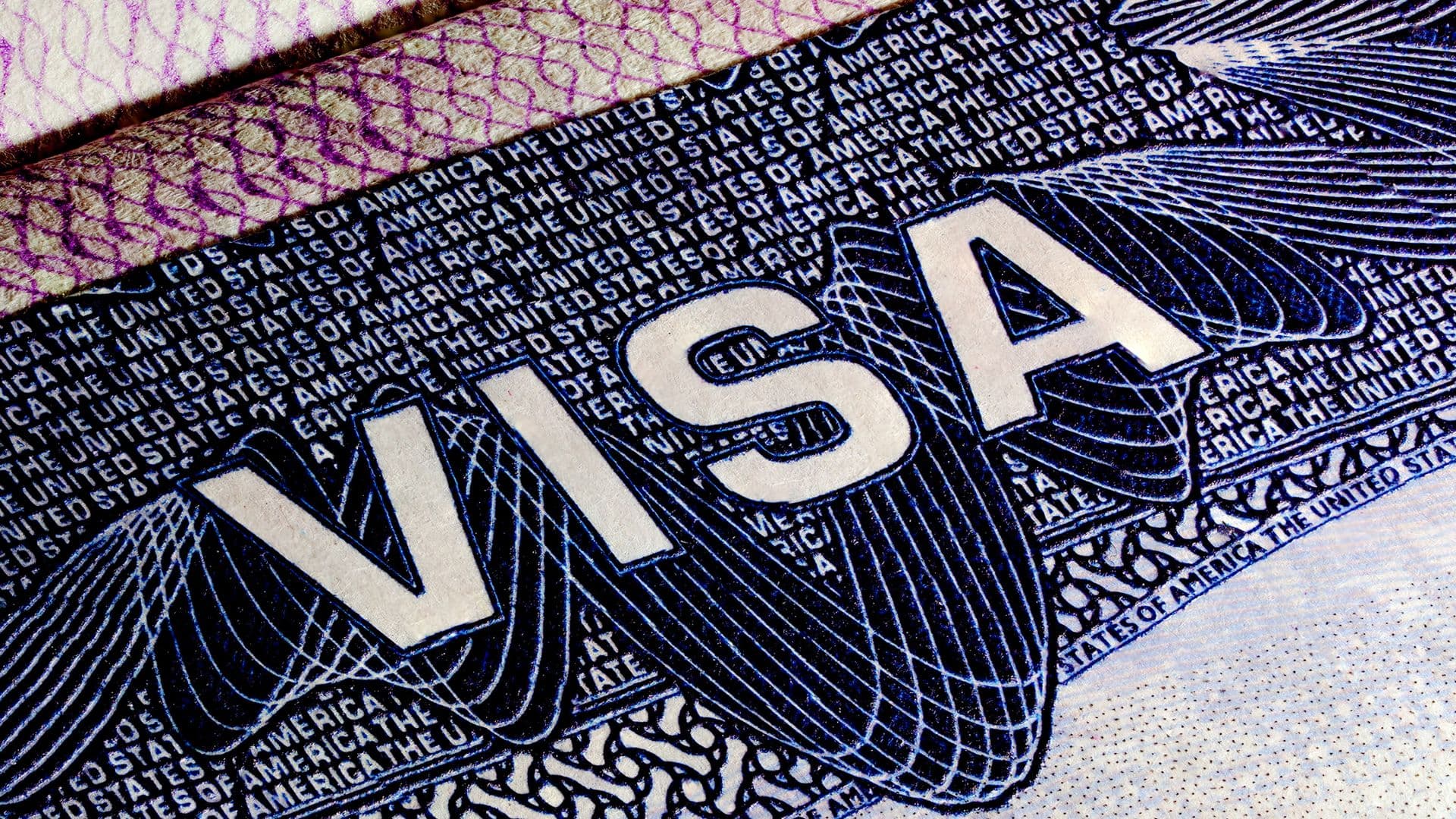
For your te rererenga to Indonesia, it's important for citizens of Kiribati to know that a visa is required before departure. Unlike some nations that enjoy visa-free entry or Visa-on-Arrival options, Kiribati passport holders must secure the necessary authorization in advance. The most common visa for tourism, social visits, or family visits is the B211A Visit Visa.
This visa can typically be applied for online through the official Indonesian e-Visa portal or via an Indonesian Embassy/Consulate. It allows for stays up to 60 days, with the possibility of two extensions, each for 30 days, making a total potential stay of 180 days. Getting this rongorongo sorted early will ensure a smooth start to your trip.
Source: fly2globe
Confidence: 1
Update cycle: Quarterly/As needed
Before you embark on your te rererenga, ensuring your passport is 'tau' is crucial. Indonesian immigration regulations stipulate that passports for visitors, including those from Kiribati applying for a Visit Visa (B211A), must be valid for at least six months from your intended date of entry into Indonesia. This is a strict requirement, and non-compliance will result in denied boarding or entry.
For those considering a Limited Stay Visa (KITAS), the validity requirement extends to a minimum of twelve months. It's always a good idea to check your passport's expiry date well in advance to avoid any last-minute stress. Make sure your passport has sufficient blank pages for stamps, too, for bane of your entries and exits.
Source: amazon
Confidence: 1
Update cycle: Annually/As needed

If your te rererenga to Indonesia involves a layover, understanding transit rules is key. Generally, Kiribati citizens who are merely transiting through an Indonesian airport and remain within the international transit area, with a confirmed onward flight departing within 24 hours, do not require a separate transit visa. This applies as long as you do not need to pass through immigration to re-check baggage or change terminals.
However, if your transit involves exiting the international area, a long layover, or changing airports, you will likely need to obtain the appropriate Indonesian visa in advance, as Kiribati is not among visa-exempt nations. Always confirm the specific rongorongo with your airline and the nearest Indonesian embassy or consulate for your particular itinerary to ensure a smooth journey.
Source: tpt
Confidence: 0.95
Update cycle: Annually/As needed
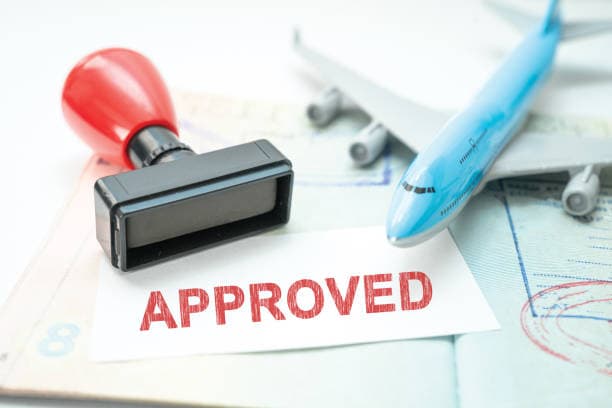
For Kiribati citizens, Indonesia does not operate a separate 'Travel Authorization' system akin to an ESTA or eTA. Instead, your approved visa serves as your official travel authorization to enter the country. Since a visa is required for Kiribati passport holders, the successful application and issuance of your B211A Visit Visa, for instance, is the green light for your te rererenga.
Therefore, the process involves directly applying for the appropriate visa rather than seeking a pre-authorization before a visa application. Ensure bane of your visa application documents are accurate and complete to facilitate a 'tau' and timely approval, which then acts as your permission to travel and enter Indonesia.
Source: istock
Confidence: 1
Update cycle: Annually/As needed

To streamline your visa application process for your te rererenga, Kiribati citizens can utilize Indonesia's official e-Visa portal. This online platform allows for convenient application submissions from anywhere in the world, reducing the need for physical visits to an embassy unless specifically required for certain visa types or situations. It's where you'll find the most up-to-date rongorongo and application forms.
The official link for applying for an Indonesian e-Visa is molina.imigrasi.go.id. It's crucial to use only the official government portal to avoid scams and ensure your application is processed correctly. Always double-check the URL before submitting any personal information or payments to ensure you're on the legitimate site.
Source: trading-view
Confidence: 1
Update cycle: Constantly/As website changes
Health & Safety Tips for Indonesia
For emergencies in Indonesia, tourists should be aware of several key numbers. The national police can be reached by dialing 110, which is crucial for reporting crimes or security concerns. For medical emergencies requiring an ambulance, dial 118 or 119. These services are available across major cities and tourist areas, though response times can vary depending on location and traffic conditions.
In the event of a fire, the fire department can be contacted by dialing 113. For search and rescue operations, particularly relevant for travelers engaging in outdoor activities or visiting remote islands, the National Search and Rescue Agency (BASARNAS) can be reached at 115. These numbers are designed to provide immediate assistance for various critical situations.
Additionally, a general emergency number, 112, is available and often acts as a centralized service that can redirect calls to the appropriate emergency service. It is advisable to have these numbers saved on your phone and to know the address of your accommodation in case you need to provide your location to emergency responders. While English may be spoken by some operators in tourist hubs, it's always helpful to have a local assist or a translation app ready.
Source: Indonesian National Police, Indonesian Ministry of Health, BASARNAS
Confidence: 0.98
Update cycle: Infrequent (numbers are stable)
Travelers to Indonesia should be mindful of several health advisories. Mosquito-borne diseases like Dengue fever and Chikungunya are prevalent throughout the country, including popular tourist destinations like Bali. Malaria risk is present in some rural and remote areas, particularly in eastern Indonesia (e.g., Papua, West Papua, East Nusa Tenggara), but generally low in major cities and popular tourist islands like Java and Bali. It is crucial to use insect repellent, wear protective clothing, and sleep under mosquito nets if available, especially from dusk till dawn.
Food and water safety is another significant concern. 'Bali Belly' or traveler's diarrhea is common, often caused by consuming contaminated food or water. To minimize risk, drink only bottled or purified water, avoid ice in drinks unless certain it's made from purified water, and be cautious with street food. Opt for food that is freshly cooked and served hot, and always wash your hands thoroughly with soap and water or use an alcohol-based hand sanitizer before eating. Avoid raw or undercooked foods, unpeeled fruits, and salads washed in tap water.
Other advisories include protecting against sun exposure due to the strong equatorial sun, by using high-SPF sunscreen, wearing hats, and seeking shade. Rabies is present in some parts of Indonesia, including Bali, so avoid contact with stray animals and seek immediate medical attention for any animal bites. Air pollution can also be a concern in major cities and during dry seasons due to forest fires, potentially affecting individuals with respiratory conditions. Consult your doctor or a travel clinic for personalized health advice before your trip.

Source: Centers for Disease Control and Prevention (CDC), World Health Organization (WHO), UK Foreign, Commonwealth & Development Office (FCDO)
Confidence: 0.95
Update cycle: Regular (for disease outbreaks), General advice is stable
For international tourists visiting Indonesia, it's essential to ensure all routine vaccinations are up-to-date, including Measles-Mumps-Rubella (MMR), Diphtheria-Tetanus-Pertussis (DTP), Varicella (chickenpox), Polio, and your annual flu shot. These foundational immunizations provide protection against common diseases and are important for general health during travel.
Beyond routine shots, several vaccinations are strongly recommended for most travelers to Indonesia. These typically include Hepatitis A and Typhoid, which protect against diseases spread through contaminated food and water. Depending on your travel plans, duration of stay, and activities, additional vaccinations like Hepatitis B (for longer stays or potential exposure), Rabies (especially if you plan to interact with animals or visit rural areas), and Japanese Encephalitis (for extended stays in rural areas during transmission seasons) may also be advised. Consult with a travel health specialist at least 4-6 weeks before your trip to determine the best course of action.
A Yellow Fever vaccination certificate is *only* required for travelers arriving in Indonesia from or transiting through a country with a risk of Yellow Fever transmission. This requirement does not apply to travelers arriving directly from non-risk countries. Always check the latest entry requirements and health recommendations from official sources like the World Health Organization (WHO) or your country's health department prior to departure.

Source: Centers for Disease Control and Prevention (CDC), World Health Organization (WHO), National Health Service (NHS Fit for Travel)
Confidence: 0.97
Update cycle: Infrequent (stable recommendations unless major health events)
Connectivity & Mobility in Indonesia
Seamless Coverage with Top Carriers
Mobile network coverage in Indonesia is generally robust, especially in popular tourist destinations and urban centers. Major carriers like Telkomsel, XL Axiata, and Indosat Ooredoo Hutchison offer widespread 4G LTE connectivity, with 5G expanding in key areas. Tourists can opt for physical SIM cards upon arrival or utilize eSIM technology for immediate connectivity. Many modern smartphones support eSIM, allowing travelers to activate a local plan digitally without needing a physical chip. For those considering eSIM, prune offers a convenient way to access reliable network services across the archipelago.
Source: https://www.kominfo.go.id/
Confidence: 0.9
Update Cycle: 6-12 months

Prepaid SIM Avg Price
The average price for a tourist-oriented prepaid SIM card in Indonesia can vary significantly based on data allowance and validity period, typically ranging from IDR 50,000 to IDR 150,000 (approximately USD 3-10) for packages offering several GBs of data valid for 7 to 30 days. These packages are readily available at airports, convenience stores, and official carrier outlets, often requiring passport registration. While physical SIMs are convenient, digital alternatives are gaining popularity, and https://prune.co.in/ often has competitive pricing for eSIM plans that can be purchased and activated before arrival.
Source: https://www.telkomsel.com/
Confidence: 0.85
Update Cycle: 3-6 months

Metro & Transit Coverage
In major metropolitan areas and popular tourist hubs across Indonesia, both 5G and 4G/LTE mobile network coverage is excellent, providing fast and reliable internet access. Cities like Jakarta and Bali (specifically areas like Denpasar and Kuta) boast extensive 4G LTE networks, ensuring seamless connectivity for navigation, communication, and streaming. 5G deployment is also expanding rapidly in these key urban centers, offering even higher speeds and lower latency, particularly beneficial for data-intensive activities. Travelers can expect strong signals and consistent performance within city limits and along major transportation routes.
Source: https://www.xlaxiata.co.id/
Confidence: 0.9
Update Cycle: 3-6 months

Money & Daily Life in Indonesia
Currency
The official currency of Indonesia is the Indonesian Rupiah (IDR), often abbreviated as Rp. Banknotes are available in denominations of 1,000, 2,000, 5,000, 10,000, 20,000, 50,000, and 100,000 Rupiah. Coins are also in circulation, primarily 100, 200, 500, and 1,000 Rupiah, though smaller coin denominations are less frequently used in daily transactions. It's advisable to carry a mix of smaller denominations for convenience, especially when dealing with local vendors or for small purchases. Currency exchange services are readily available in international airports, major banks, and authorized money changers in tourist areas. Be cautious of unofficial money changers offering unusually high rates, as scams can occur.
Source: Bank Indonesia, Reputable Travel Guides (e.g., Lonely Planet)
Confidence: 0.99
Update Cycle: Infrequent (denominations are stable, exchange rates daily)

Tipping culture
Tipping in Indonesia is not as deeply ingrained or mandatory as in some Western countries, but it is certainly appreciated for good service, especially in tourist-heavy areas. Many higher-end restaurants and hotels automatically add a service charge (typically 5-10%) and a government tax (10-11%) to the bill; if a service charge is included, additional tipping is not generally expected, though you can round up the bill or leave a small extra amount for exceptional service. For taxi drivers, rounding up the fare to the nearest 5,000 or 10,000 IDR is a common practice. For porters, spa therapists, or tour guides, a small tip (e.g., 10,000-50,000 IDR, depending on the service and duration) is a kind gesture and helps supplement their income. Always tip in local currency.
Source: Various travel blogs, Expat forums, Fodor's Travel
Confidence: 0.9
Update Cycle: Slow (cultural norms change gradually)

Credit cards
Credit cards are widely accepted in major tourist destinations and urban centers across Indonesia, particularly in hotels, upscale restaurants, large retail chains, and supermarkets in cities like Jakarta and popular areas of Bali (e.g., Kuta, Seminyak, Ubud). Visa and Mastercard are the most commonly accepted cards, while American Express and Diners Club may have more limited acceptance. However, for smaller establishments, local warungs (food stalls), traditional markets, and in more rural or remote areas, cash remains the predominant form of payment. ATMs are widely available in urban and tourist zones for cash withdrawals, but it's wise to inform your bank of your travel plans to prevent your card from being frozen due to unusual activity. Always be vigilant for card skimming at ATMs and try to use machines located inside banks or secure areas.
Source: Travel forums, Bank information (e.g., Visa/Mastercard international guides), General travel advice
Confidence: 0.95
Update Cycle: Gradually increasing acceptance, but cash remains vital

Plug/Voltage
In Indonesia, the standard voltage is 230V, and the standard frequency is 50Hz. This is similar to most countries in Europe, Australia, and parts of Asia and Africa. For travelers from countries with different voltage standards (e.g., 120V in North America), a voltage converter may be necessary for certain appliances, though most modern electronics (laptops, phone chargers) are dual voltage and only require a plug adapter. The power outlets in Indonesia primarily use Type C and Type F electrical sockets. Both types feature two round pins. Type C is the ungrounded version, and Type F (also known as 'Schuko') is the grounded version with two round pins and two earth clips on the side. Therefore, visitors from countries using different plug types (e.g., Type A/B in North America, Type G in the UK) will need to bring a travel adapter to charge their devices.
Source: WorldStandards.eu, International Electrotechnical Commission (IEC)
Confidence: 0.99
Update Cycle: Stable (international standards)

Local language(s)
The official national language of Indonesia is Bahasa Indonesia, a standardized form of Malay. It is spoken across the entire archipelago and serves as the lingua franca, essential for communication between people from different islands and ethnic groups. While Bahasa Indonesia is universally understood, Indonesia is incredibly diverse, with over 700 living regional languages spoken by various ethnic groups, such as Javanese, Sundanese, Balinese, and many others. In major tourist areas like Bali, Jakarta, and other popular destinations, English is commonly spoken by staff in hotels, resorts, tourist shops, and by tour guides, making communication relatively easy for international visitors. However, venturing outside these areas or engaging with local communities will often require some basic Bahasa Indonesia. Learning a few common phrases like 'Terima kasih' (Thank you), 'Permisi' (Excuse me), 'Halo' (Hello), and 'Berapa harganya?' (How much is it?) will be greatly appreciated by locals and can enhance your travel experience.
Source: Ethnologue, Indonesian Ministry of Education and Culture, Reputable Travel Guides
Confidence: 0.98
Update Cycle: Stable (language demographics are consistent)

Weather and Seasonal Guide for indonesia

Best time to visit
May to September
The dry season from May to September offers consistently sunny days, lower humidity, and minimal rainfall across most of Indonesia, making it ideal for outdoor activities and island exploration. While popular destinations can be crowded, especially in July and August, the excellent weather conditions ensure a pleasant travel experience for beaches, diving, and cultural excursions.
Avg temp(april)
28°C
April marks a significant decrease in rainfall and a rise in sunny days as Indonesia transitions into its dry season. This month offers good weather for exploring and diving, often with fewer tourists than the peak dry season months.
Source: Ministry of Tourism and Creative Economy, Indonesia
Confidence: 0.95
Update Cycle: Every 12 months
Destination Summary
indonesia
Indonesia is a vast archipelagic nation offering incredible natural beauty, from volcanic landscapes and pristine beaches to lush rainforests, alongside a rich tapestry of diverse cultures and ancient historical sites.
CATEGORY
SE Asia
LANGUAGES
Indonesian
SPECIAL RULES
Many nationalities can enter visa-free for up to 30 days; others may require a Visa on Arrival (VoA) or an eVisa, so check specific requirements. Traffic drives on the left. Strict drug laws are enforced with severe penalties, and respect for local customs, including modest dress at religious sites, is expected.
>
Average Flight Times from Kiribati to Indonesia
Tarawa (TRW)
Bonriki International Airport
Jakarta (CGK)
Soekarno-Hatta International Airport
Duration
24 hr 30 min
Flight Type
2 Stops
Airlines
Fiji Airways,
Singapore Airlines
Tarawa (TRW)
Bonriki International Airport
Denpasar (DPS)
Ngurah Rai International Airport
Duration
27 hr 15 min
Flight Type
2 Stops
Airlines
Fiji Airways,
Qantas,
Garuda Indonesia
Tarawa (TRW)
Bonriki International Airport
Surabaya (SUB)
Juanda International Airport
Duration
25 hr 00 min
Flight Type
2 Stops
Airlines
Fiji Airways,
Singapore Airlines
Tarawa (TRW)
Bonriki International Airport
Makassar (UPG)
Sultan Hasanuddin International Airport
Duration
26 hr 40 min
Flight Type
2 Stops
Airlines
Fiji Airways,
Singapore Airlines
Why Customers Love Prune?
Instant internet on landing
Get connected the moment your plane touches down. No waiting, no hassle.
Save 80% vs roaming
Keep your travel budget intact with rates that crush traditional roaming fees.
Keep WhatsApp & OTP access
Stay reachable for messages, verifications, and two-factor codes wherever you are.
Works across regions
One eSIM covers multiple countries so you travel without swapping cards.
Setup in 2 minutes
Scan, activate, and go. It's that simple — no store visits needed.
24/7 support
Real humans ready to help you anytime, anywhere in the world.