Traveling Abroad?
Traveling from benin? Find the Best eSIM for Your Next Destination
Choose from 200+ countries and save up to 90% on roaming
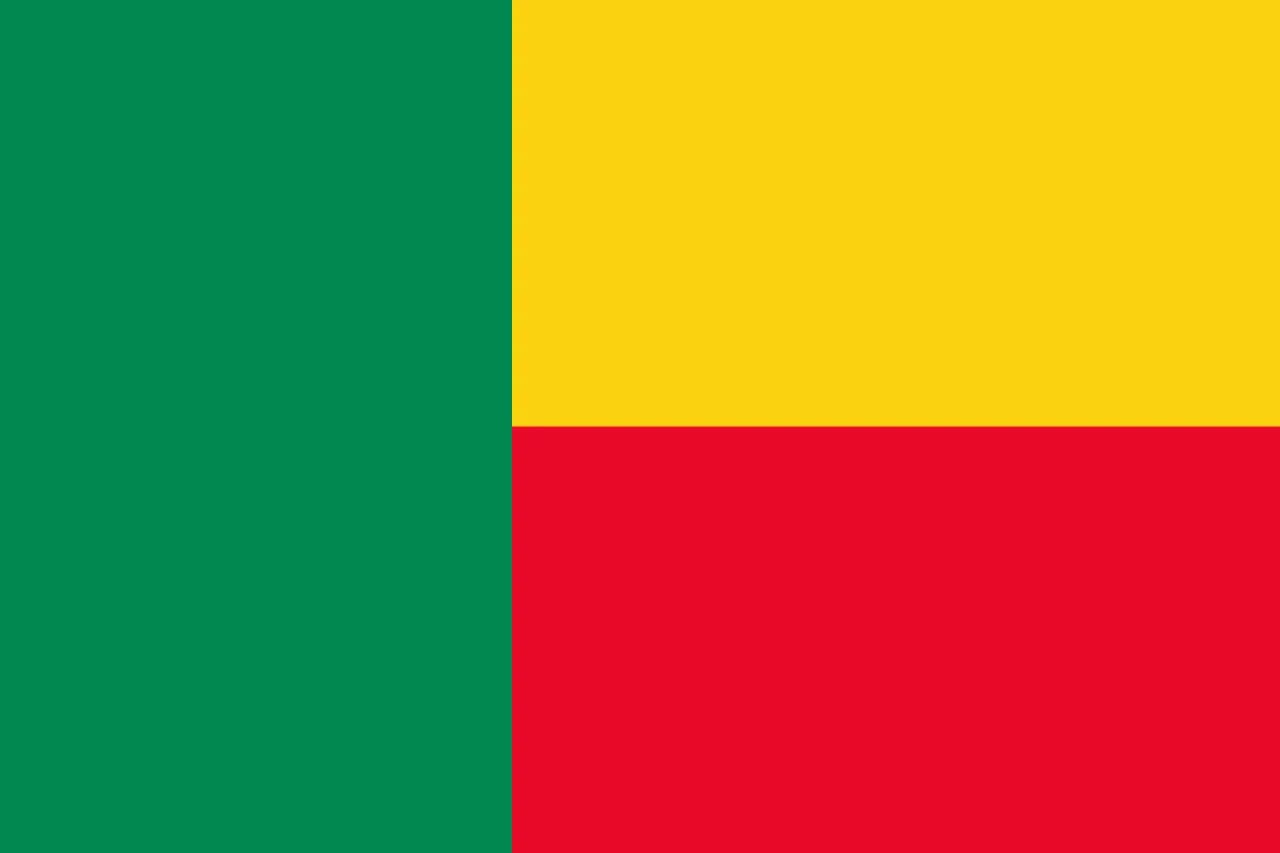
Benin eSIM

Celtis LTE
+1 others
If you're running low, you can always Top up
The package starts when you connect to a supported network

Data
Choose your package
7 Days
1 GB
$4.99 USD
Essential Facts for Visiting Benin
Te mauri, fellow traveler from Kiribati! If you're planning a visit to the beautiful te aba of Benin, it's important to know that you will need a visa to enter. Kiribati citizens are not currently on the list of visa-exempt countries for Benin, so securing the proper authorization before your te kairua begins is a must.
The good news is that Benin offers an electronic visa (eVisa) system, which makes the application process quite straightforward. This means you can apply online from your te kainga, saving you a trip to an embassy or consulate. Make sure all your documents are in order to ensure a smooth application.
Source: fly2globe
Confidence: 1
Update Cycle: Annually or as policy changes

For your entry into Benin, your passport needs to be in tip-top shape, e raba. The general rule, which is pretty standard across many countries, is that your passport must be valid for at least six (6) months beyond your intended date of departure from Benin. This is crucial; don't let an expiring passport spoil your te kairua!
It's always a good idea to check the expiry date well in advance of your travel plans. If your passport is nearing its six-month validity mark, it's highly recommended to renew it before applying for your visa or booking your flights. Better safe than sorry, especially when traveling to a new te aba.
Source: amazon
Confidence: 1
Update Cycle: Annually (general international standard)

If your te kairua involves transiting through Benin, the rules can be a bit nuanced. Generally, if you remain within the international transit area of the airport and do not pass through immigration, you might not need a visa. This is typically for short layovers where your luggage is checked through to your final destination.
However, if your layover requires you to leave the airport's international zone – perhaps for a longer wait, to re-check luggage, or if you have separate flight bookings – then you will likely need a transit visa or even a full eVisa. It's always best to confirm with your airline or the Benin eVisa service beforehand to avoid any surprises. Te tangira to be prepared!
Source: tpt
Confidence: 0.9
Update Cycle: Annually or as airport/airline policies change
Beyond the standard visa, there isn't a separate, mandatory 'Travel Authorization' system like an Electronic Travel Authorization (ETA) specifically for Benin that Kiribati citizens need to acquire. The eVisa serves as your primary travel authorization for entry.
While general health screenings might occur upon arrival, as is common in many countries, there are no widespread, pre-departure health declaration forms or specific COVID-19 related travel authorizations currently mandated for entry into Benin for Kiribati citizens. Always check for the latest health advisories closer to your travel date, just in case, e raba.
Source: istock
Confidence: 0.95
Update Cycle: Quarterly or as health regulations change

To make your te kairua to Benin as smooth as possible, the official portal for applying for your electronic visa (eVisa) is readily available online. This is where you'll submit your application, upload necessary documents, and pay the required fees.
Always ensure you are using the official government website to avoid scams or unofficial services. The official link is your best bet for a secure and legitimate application process. Ko rabwa for being diligent!
Source: trading-view
Confidence: 1
Update Cycle: As needed (website changes)
Health & Safety Tips for benin
For immediate assistance in Benin, tourists should be aware of the primary emergency contact numbers. The national police can be reached by dialing 117, which is crucial for reporting crimes or any security concerns. It is advisable to save these numbers in your mobile phone upon arrival.
In case of a medical emergency requiring an ambulance, dial 118. Response times can vary, especially outside major urban centers like Cotonou or Porto-Novo, so it's important to provide clear and concise location details. For fire-related incidents, the fire department can be contacted at 119.
While these are the main emergency lines, it's also prudent to know the contact information for your embassy or consulate in Cotonou, as they can provide consular assistance during emergencies. Always ensure your phone is charged and has local network coverage, or consider carrying a local SIM card.
Source: U.S. Department of State, UK Foreign, Commonwealth & Development Office
Confidence: 0.95
Update Cycle: Annually

Benin presents several health risks for international tourists, primarily due to tropical diseases and varying sanitation standards. Malaria is endemic throughout the country and is a significant concern; travelers are strongly advised to take antimalarial prophylaxis, use insect repellent containing DEET, and sleep under permethrin-treated mosquito nets to minimize exposure.
Water and foodborne illnesses like cholera, typhoid, and hepatitis A are also prevalent. To prevent these, tourists should only drink bottled or boiled water, avoid ice made from tap water, and consume only thoroughly cooked food. Raw fruits and vegetables should be washed with purified water or peeled before eating, and caution is advised with street food.
Other health considerations include the risk of dengue fever and chikungunya, both mosquito-borne, and meningococcal meningitis, which can occur seasonally. Rabies is also present, so contact with animals should be avoided. Medical facilities outside of Cotonou are generally basic, and specialized care is limited, making comprehensive travel health insurance with medical evacuation coverage absolutely essential.
Source: Centers for Disease Control and Prevention (CDC), World Health Organization (WHO), UK FCDO
Confidence: 0.95
Update Cycle: Bi-annually

A Yellow Fever vaccination certificate is **mandatory** for all travelers aged 9 months and older entering Benin, especially if arriving from or transiting through a country with a risk of Yellow Fever transmission. Even if not coming from a risk country, proof of vaccination is frequently requested at border entry points, making it a practical requirement for almost all international visitors.
Beyond the mandatory Yellow Fever vaccine, several other vaccinations are strongly recommended to ensure a safe trip. These include routine immunizations such as Measles, Mumps, Rubella (MMR), Diphtheria, Tetanus, and Polio. Hepatitis A and Typhoid vaccines are also highly advised due to the risk of food and waterborne diseases.
Depending on the nature of your travel, duration, and activities, further vaccinations like Hepatitis B and Rabies might be recommended. Travelers engaging in outdoor activities, those staying for extended periods, or individuals who may have close contact with animals should consult their healthcare provider about these additional preventative measures well in advance of their trip.
Source: World Health Organization (WHO) International Health Regulations, Centers for Disease Control and Prevention (CDC)
Confidence: 0.98
Update Cycle: Annually
Connectivity & Mobility in benin
Seamless Coverage with Top Carriers
Benin's mobile network coverage is primarily dominated by two major operators: MTN Benin and Moov Africa Benin. Both offer robust 4G/LTE services, especially within urban centers like Cotonou, Porto-Novo, and Parakou, ensuring tourists staying in these areas have reliable internet access and communication. While coverage can become sparse in very remote or rural regions, the main tourist routes and destinations are generally well-served. For international visitors, physical SIM cards are widely available, and for those preferring digital convenience, eSIM solutions, such as those offered by Prune, provide an excellent alternative, leveraging the existing robust network infrastructure without the need for a physical card.
Source: https://www.arcep.bj/
Confidence: 0.9
Update Cycle: 12 months

Prepaid SIM Avg Price
For tourists in Benin, acquiring a local prepaid SIM card is straightforward and relatively inexpensive. The initial cost of a SIM card itself is typically low, ranging from 500 to 1000 XOF (approximately $1-2 USD), though sometimes it can be free with an initial credit purchase. The primary expense will be for data bundles, with various packages available from operators like MTN Benin and Moov Africa Benin. For instance, a basic data plan offering 1GB might cost around 1000-1500 XOF (approximately $1.70-$2.50 USD) for a short validity period, with larger bundles offering better value per GB. These plans provide cost-effective access to calls, texts, and mobile internet throughout a tourist's stay. Travelers seeking competitive pricing for eSIM plans should also check https://prune.co.in/.
Source: https://www.mtn.bj/
Confidence: 0.85
Update Cycle: 3-6 months

Metro & Transit Coverage
Mobile network coverage in Benin's major metropolitan areas is generally strong, with a focus on 4G/LTE services. Cities like Cotonou, the economic hub, and Porto-Novo, the capital, benefit from extensive 4G/LTE infrastructure provided by operators like MTN Benin and Moov Africa Benin, ensuring high-speed internet access for residents and tourists alike. Users can expect good signal strength and reliable data speeds for navigation, communication, and streaming in these urban centers. While 5G technology is in its nascent stages of deployment, primarily in select parts of Cotonou, the widespread and well-established 4G/LTE networks already provide excellent connectivity quality across the main urban landscapes of Benin.
Source: https://www.arcep.bj/
Confidence: 0.9
Update Cycle: 12 months

Money & Daily Life in benin
Currency
The official currency of Benin is the West African CFA Franc (XOF), which is used by eight independent states in West Africa. The CFA Franc is pegged to the Euro at a fixed rate (1 Euro = 655.957 XOF), making Euros the most convenient foreign currency to bring for exchange. While US Dollars can also be exchanged, the rates might be less favorable. It's advisable to carry smaller denominations of CFA Francs for daily purchases, especially outside of major cities, as change can sometimes be an issue with larger notes.
Source: Central Bank of West African States (BCEAO), XE.com
Confidence: 1
Update Cycle: Annually

Tipping culture
Tipping in Benin is not as deeply ingrained as in some Western cultures, but it is certainly appreciated as a gesture of gratitude for good service, particularly within the tourism sector. In restaurants, rounding up the bill or leaving a small tip of around 5-10% is customary for attentive service, especially in more upscale establishments. For hotel staff such as porters or housekeepers, a small amount of CFA Francs (e.g., 500-1000 XOF) is appropriate. For tour guides and drivers who provide excellent service over several days, a more significant tip is often expected and well-deserved, reflecting the duration and quality of their assistance.
Source: Various travel forums and cultural etiquette guides
Confidence: 0.85
Update Cycle: Every few years

Credit cards
The use of credit cards in Benin is quite limited, primarily restricted to larger establishments such as upscale hotels, major supermarkets, and some international businesses located within the capital, Cotonou, and other significant cities like Porto-Novo. Visa cards tend to have slightly better acceptance than Mastercard. ATMs are available in urban centers, but they can be temperamental, frequently out of cash, or experience network issues, making reliance on them risky. Therefore, it is highly recommended that tourists carry a sufficient amount of local currency (CFA Francs) for daily expenses, especially when traveling to rural areas or for purchases at local markets and smaller shops where cash is almost exclusively accepted.
Source: U.S. Department of State, UK FCDO, various travel blogs
Confidence: 0.9
Update Cycle: Annually

Plug/Voltage
In Benin, the standard voltage is 220-230V, and the frequency is 50Hz. This is standard for many parts of Europe, Africa, and Asia. Travelers from countries with a different voltage (e.g., North America, Japan which use 110-120V) will require a voltage converter for their electronic devices if they are not dual-voltage compatible. The electrical outlets typically accommodate plug types C, E, and F. Type C has two round pins, while Type E has two round pins and a hole for the socket's earthing pin, and Type F has two round pins with two earth clips on the side. It's advisable to carry a universal travel adapter that includes these plug types to ensure compatibility with local power outlets.
Source: WorldStandards.eu, International Electrotechnical Commission (IEC)
Confidence: 1
Update Cycle: Infrequent

Local language(s)
The official language of Benin is French, which is used in government, education, and formal business settings, and is understood by a significant portion of the urban population. However, Benin is a linguistically diverse nation with over 50 indigenous languages spoken. Among the most prevalent national languages are Fongbe (Fon), particularly dominant in the southern regions, Yoruba, Bariba, Dendi, and Goun. For international tourists, having a basic grasp of French phrases will be extremely beneficial for communication, particularly when interacting with locals, navigating public transport, or shopping outside of major tourist hubs. English is very rarely spoken or understood beyond some staff in high-end hotels catering to international visitors.
Source: CIA World Factbook, Ethnologue, Kwintessential
Confidence: 0.98
Update Cycle: Every few years

Weather and Seasonal Guide for benin

Best time to visit
November to February
This period marks the long dry season, characterized by minimal rainfall, lower humidity, and abundant sunshine, making it ideal for both coastal relaxation and exploring inland attractions like Pendjari National Park. Temperatures are generally more comfortable for outdoor activities, though still warm, and it's a popular time for cultural festivals.
Avg temp(march)
29°C
Transition month, getting hotter and more humid as the first rainy season approaches in the south. Still good for travel, but prepare for increased heat and occasional pre-rain showers.
Source: Benin Tourism Office
Confidence: 0.9
Update Cycle: Every 12 months
Pilot Summary
benin
Benin offers a profound journey into West African history and culture, particularly as the birthplace of Vodun and a significant site for the transatlantic slave trade. Explore its vibrant markets, historical cities like Ouidah, and diverse landscapes.
Destination
benin
Category
West Africa
Languages
French
Special Rules
Most international tourists require an e-Visa. Right-hand traffic applies. Always ask permission before photographing individuals, especially in cultural or religious settings.
Average Flight Times from kiribati to benin
Tarawa (TRW)
Bonriki International Airport
Cotonou (COO)
Cadjehoun Airport
Duration
58 hr 30 min
Flight Type
3 Stops
Airlines
Fiji Airways
Ethiopian Airlines
Tarawa (TRW)
Bonriki International Airport
Cotonou (COO)
Cadjehoun Airport
Duration
65 hr 0 min
Flight Type
3 Stops
Airlines
Fiji Airways
Qantas
Qatar Airways
Tarawa (TRW)
Bonriki International Airport
Cotonou (COO)
Cadjehoun Airport
Duration
75 hr 0 min
Flight Type
3 Stops
Airlines
Fiji Airways
Hawaiian Airlines
Air France
Tarawa (TRW)
Bonriki International Airport
Cotonou (COO)
Cadjehoun Airport
Duration
62 hr 45 min
Flight Type
3 Stops
Airlines
Fiji Airways
Singapore Airlines
Turkish Airlines