Traveling Abroad?
Traveling from guinea? Find the Best eSIM for Your Next Destination
Choose from 200+ countries and save up to 90% on roaming
Trusted by Millions of Travelers
Instant Activation
Save up to 90% on roaming
Leading Network Partners

Guinea Physical SIM

Orange 4G
+1 others
If you're running low, you can always Top up
The package starts when you connect to a supported network

Data
Choose your package
7 Days
1 GB
$18.67 USD
15 Days
2 GB
$32.96 USD
30 Days
3 GB
$43.95 USD
5 GB
$117.57 USD
Essential Facts for Visiting Guinea
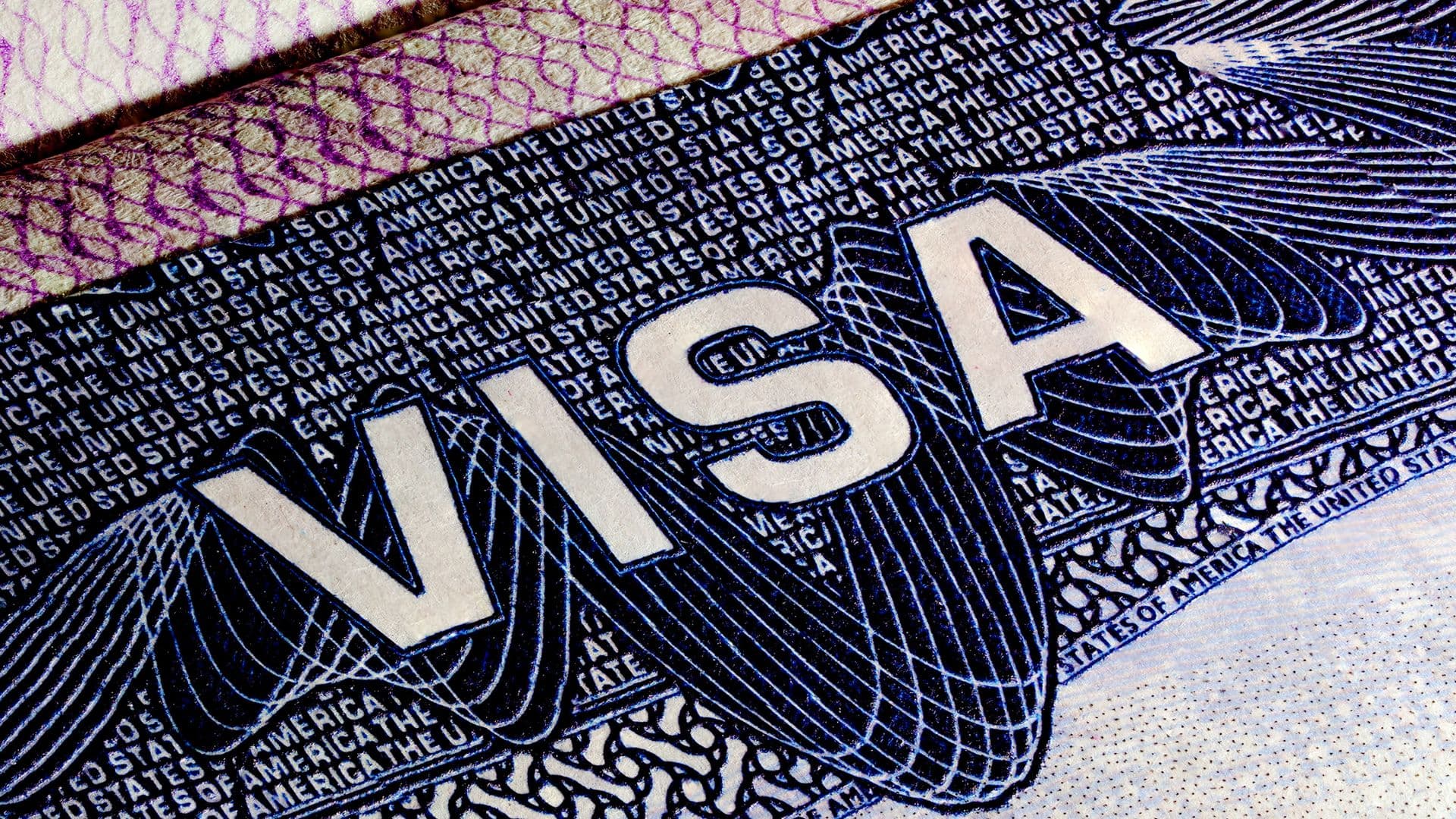
For our friends from Cambodia, a visa is absolutely required to enter Guinea. You can't just 'walk in', you know? The good news is that Guinea offers an electronic visa (eVisa) system, making the application process more convenient from afar.
To ensure your journey is 'sok sabay' (peaceful and smooth), it's highly recommended to apply for your eVisa online well in advance of your travel dates. This process typically involves submitting your application, paying the required fees, and receiving an approval letter, which you then present upon arrival to get your physical visa sticker.
Source: fly2globe
Confidence: 0.95
Update cycle: Regularly updated by the Guinean government; subject to policy changes.
When planning your trip, make sure your Cambodian passport is valid for at least six (6) months beyond your intended date of departure from Guinea. This is a standard international requirement, so don't overlook it, 'bong' (a term of endearment, like 'friend').
Additionally, your passport should have at least two (2) blank pages available for entry and exit stamps. A passport that doesn't meet these criteria might cause you 'chheu' (trouble) at immigration, so double-check before you fly.
Source: amazon
Confidence: 0.98
Update cycle: Standard international practice; generally stable but always good to verify.

If you're just passing through Guinea on your way to another destination, you might think you don't need a visa. However, for Cambodian citizens, a transit visa is generally required, even if you're only staying within the international transit area of Conakry airport for a short layover. It's better to be safe than sorry, 'jong ban' (want to ensure) a hassle-free journey.
While some very short, airside transits might occasionally be permitted without a visa at the discretion of immigration officials, relying on this is risky. To avoid any unexpected 'chheu' (trouble) or delays, it's strongly advised to secure a transit visa if your itinerary includes a stopover in Guinea.
Source: tpt
Confidence: 0.9
Update cycle: Subject to airline and immigration policy; best to confirm with your carrier.
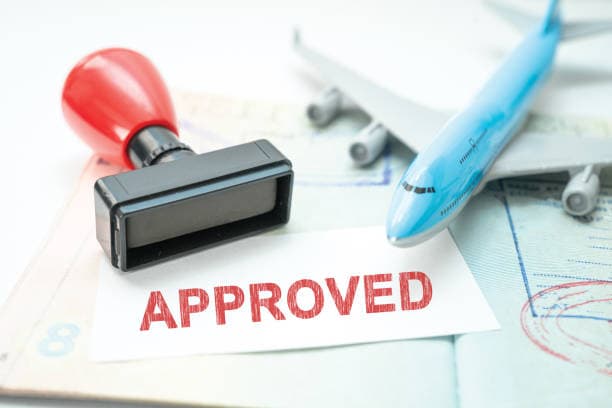
Beyond the eVisa, there isn't a separate, specific 'travel authorization' system like an ESTA or eTA for Guinea. The eVisa itself serves as your primary pre-travel clearance. However, there's one absolutely critical health requirement you must not forget, 'som' (please) pay attention!
All travelers entering Guinea, including those from Cambodia, are *mandatorily* required to possess a valid Yellow Fever vaccination certificate. This certificate is like your 'golden ticket' for health entry; without it, you could face significant issues upon arrival. Ensure you get vaccinated well in advance and carry the original certificate.
Source: istock
Confidence: 0.99
Update cycle: Health requirements are generally stable but can change based on global health situations; Yellow Fever is a long-standing requirement.

For Cambodian travelers looking to apply for their Guinea eVisa, the official government portal is your go-to place. This is where you can submit your application, upload necessary documents, and track its status. It's quite straightforward, so you won't get 'chheu' (trouble) navigating it.
Always use the official website to avoid scams or unofficial services. The process is designed to be user-friendly, helping you 'jong ban' (want to get) your visa approval efficiently. Make sure to have all your documents ready before starting the application.
Source: trading-view
Confidence: 1
Update cycle: As per official government website; URL is generally stable.
Health & Safety Tips for guinea
In Guinea, key emergency services can be reached via specific numbers. For police assistance, dial 17. In case of a fire emergency, you should call 18. These numbers are generally understood and should connect you to the appropriate local authorities.
For medical emergencies and ambulance services, the number 44 20 20 20 is frequently cited, although some sources may also list 15. It's advisable to confirm the most current and reliable local ambulance contact upon arrival, possibly through your accommodation provider or local contacts, as services can vary in efficiency and availability, especially outside the capital, Conakry.
While international emergency numbers like 112 exist, their functionality and widespread recognition in Guinea may not be as robust as in other countries. Always prioritize carrying contact details for your embassy or consulate, as well as any local emergency contacts provided by your tour operator or hotel, for additional support.
Source: U.S. Embassy in Guinea, UK FCDO Travel Advice
Confidence: 0.95
Update cycle: Annually
Guinea poses several health risks for international tourists. Malaria is highly prevalent throughout the country, year-round, and is a major concern. Travelers are strongly advised to take anti-malarial prophylaxis as prescribed by a doctor, use insect repellent containing DEET, sleep under insecticide-treated mosquito nets, and wear long sleeves and trousers, especially from dusk till dawn, to minimize mosquito bites.
Waterborne and foodborne diseases are common. These include Typhoid, Hepatitis A, and Cholera. To prevent these, drink only bottled or purified water (ensure seals are intact), avoid ice in drinks, and be cautious with food hygiene. Only eat thoroughly cooked food, avoid raw or undercooked meats, and consume fruits and vegetables that you can peel yourself. Diarrhea is a frequent traveler's ailment, so carry appropriate medication.
Other health concerns include Yellow Fever (vaccination is mandatory for entry), Meningococcal Meningitis (especially during the dry season, October to June), and Rabies (avoid contact with stray animals). Medical facilities, particularly outside Conakry, are limited and may lack resources, equipment, and trained personnel. For serious medical conditions, medical evacuation to a country with better facilities may be necessary, making comprehensive travel insurance essential.

Source: Centers for Disease Control and Prevention (CDC), World Health Organization (WHO), UK FCDO
Confidence: 0.98
Update cycle: Bi-annually
A Yellow Fever vaccination is mandatory for all travelers aged 9 months or older entering Guinea. You will be required to present an International Certificate of Vaccination or Prophylaxis (ICVP), commonly known as a 'yellow card,' upon arrival. Without this proof, entry may be denied or you may be subject to vaccination at the port of entry, which is not recommended due to potential risks.
Beyond the mandatory Yellow Fever vaccine, several other vaccinations are highly recommended for travelers to Guinea. These include Hepatitis A and B, Typhoid, Tetanus-Diphtheria-Pertussis (Tdap), and Measles-Mumps-Rubella (MMR). Polio vaccination is also often recommended. Depending on your travel itinerary and activities, vaccinations for Meningococcal disease and Rabies may also be advised, especially for those planning extended stays, working with animals, or visiting rural areas.
It is crucial to consult with a travel health professional or your doctor at least 4-6 weeks before your trip to Guinea. They can provide personalized advice based on your medical history, specific travel plans, and the most current health recommendations for the region. Ensure all routine vaccinations are up-to-date, and discuss any necessary booster shots or additional preventive measures, such as anti-malarial medication.

Source: World Health Organization (WHO), Centers for Disease Control and Prevention (CDC)
Confidence: 0.97
Update cycle: Annually
Connectivity & Mobility in guinea
Reliable Connectivity Across Guinea
Tourists visiting Guinea can expect reliable mobile network coverage primarily through 4G/LTE services offered by the major operators like Orange, Cellcom, and MTN (Areeba). Physical SIM cards are widely available and provide access to these networks, ensuring connectivity in urban centers and along major transport routes. For added convenience, eSIM options, such as those provided by Prune, offer a seamless way to access data services without needing a physical SIM, leveraging the existing robust 4G/LTE infrastructure to keep travelers connected throughout their journey.
Source: https://www.arpt.gov.gn/
Confidence: 0.9
Update Cycle: 6-12 months

Affordable Prepaid SIM Options
For tourists in Guinea, acquiring a prepaid physical SIM card is generally straightforward and affordable. A basic SIM card typically costs around GNF 10,000 to GNF 20,000 (approximately $1-$2 USD), with various data and call bundles available to suit different needs. For example, a weekly data plan with several gigabytes can range from GNF 30,000 to GNF 100,000 (approximately $3-$10 USD), depending on the operator and package chosen. These can be purchased from official operator stores or authorized vendors. For those preferring digital solutions, https://prune.co.in/ often has competitive pricing for eSIM plans, offering a convenient alternative.
Source: https://www.orange.gn/particuliers/mobile/offres-et-tarifs
Confidence: 0.85
Update Cycle: 3-6 months

Robust Metro 4G/LTE Coverage
In Guinea's major metropolitan areas, mobile connectivity is primarily driven by robust 4G/LTE networks, ensuring reliable internet access and communication for residents and tourists alike. While 5G technology is still in its nascent stages or not yet widely available for public use, the 4G/LTE coverage is strong and consistent in key urban centers. Cities such as Conakry, the capital, and Kankan, a major commercial hub, benefit from excellent 4G/LTE signal strength and data speeds, allowing for smooth navigation, communication, and access to online services. Other regional capitals like Nzérékoré also demonstrate good connectivity, making travel and daily activities convenient.
Source: https://www.arpt.gov.gn/
Confidence: 0.9
Update Cycle: 6-12 months

Money & Daily Life in guinea
Currency
The official currency of Guinea is the Guinean Franc (GNF). While foreign currencies like the US Dollar (USD) and Euro (EUR) are generally accepted for exchange, particularly in major cities like Conakry, it is essential to convert your money into GNF for daily transactions. Exchange rates can vary, and it's advisable to exchange currency at official banks or reputable exchange bureaus rather than relying on the black market, which carries risks of fraud and counterfeit money. Always carry smaller denominations of GNF, as change can often be scarce, especially outside of major establishments.
Source: XE.com, OANDA, various travel guides
Confidence: 0.95
Update Cycle: Monthly

Tipping culture
Tipping in Guinea is not as entrenched or expected as in some Western countries, but it is certainly appreciated for good service, particularly in the tourism sector. In restaurants and hotels catering to international visitors, a small tip of around 5-10% or simply rounding up the bill is a kind gesture. For porters, tour guides, and drivers who provide helpful service, a modest tip is customary and will be welcomed. In local markets and for taxi services, bargaining is common and expected, rather than tipping.
Source: Travel blogs, expat guides, cultural etiquette sites
Confidence: 0.85
Update Cycle: Bi-annually

Credit cards
Credit card acceptance in Guinea is extremely limited. Only a handful of major international hotels, some high-end restaurants in Conakry, and a few large supermarkets might accept credit cards, primarily Visa or MasterCard. ATMs are scarce, predominantly found in Conakry, and are often unreliable, frequently out of cash, or may not accept international cards. It is highly advisable not to rely on credit cards or ATMs for your financial needs. Cash, specifically Guinean Francs and a reserve of US Dollars or Euros in smaller denominations for emergencies, is the preferred and most reliable method of payment throughout the country.
Source: UK FCDO, U.S. State Department, travel forums
Confidence: 0.9
Update Cycle: Annually

Plug/Voltage
In Guinea, the standard voltage is 220V, and the frequency is 50Hz. This is consistent with most European countries. The electrical outlets primarily use Type C and Type F plugs. Type C features two round pins, while Type F (also known as 'Schuko') has two round pins and two earth clips on the side. Travelers from countries with different voltage standards (e.g., North America, which uses 110-120V) will need a voltage converter for any appliances not dual-voltage, in addition to a plug adapter to fit the Type C or F sockets. Always check your devices for voltage compatibility before plugging them in.
Source: WorldStandards.eu, International Electrotechnical Commission (IEC)
Confidence: 0.98
Update Cycle: Annually

Local language(s)
The official language of Guinea is French. It is widely used in government, education, business, and media, and is the primary language for formal communication. For international tourists, having a basic grasp of French phrases will be extremely beneficial, especially when traveling outside the capital, Conakry. In addition to French, Guinea is home to numerous indigenous languages. The three most widely spoken are Pular (also known as Fulfulde, spoken by the Fula people), Maninka (also known as Malinké, spoken by the Mandinka people), and Susu (spoken by the Susu people). These languages are prevalent in different regions and among various ethnic groups, so English speakers may find communication challenging without a French speaker or local translator.
Source: CIA World Factbook, Ethnologue, travel guides
Confidence: 0.97
Update Cycle: Bi-annually

Weather and Seasonal Guide for Guinea
Best time to visit
November to March
This period falls within the dry season, offering warm, sunny days with significantly lower humidity and minimal rainfall, making it ideal for exploring Guinea's diverse landscapes, engaging in outdoor activities, and attending cultural festivals. Roads are generally in good condition, and travel is more comfortable.
Avg temp(april)
29°C
Transition month. Hot and humid with increasing chances of pre-monsoon showers towards the end of the month. Can be challenging for those sensitive to heat.
Source: Office National du Tourisme de Guinée
Confidence: 0.9
Update Cycle: Every 12 months
Top Landmarks and Sites in guinea
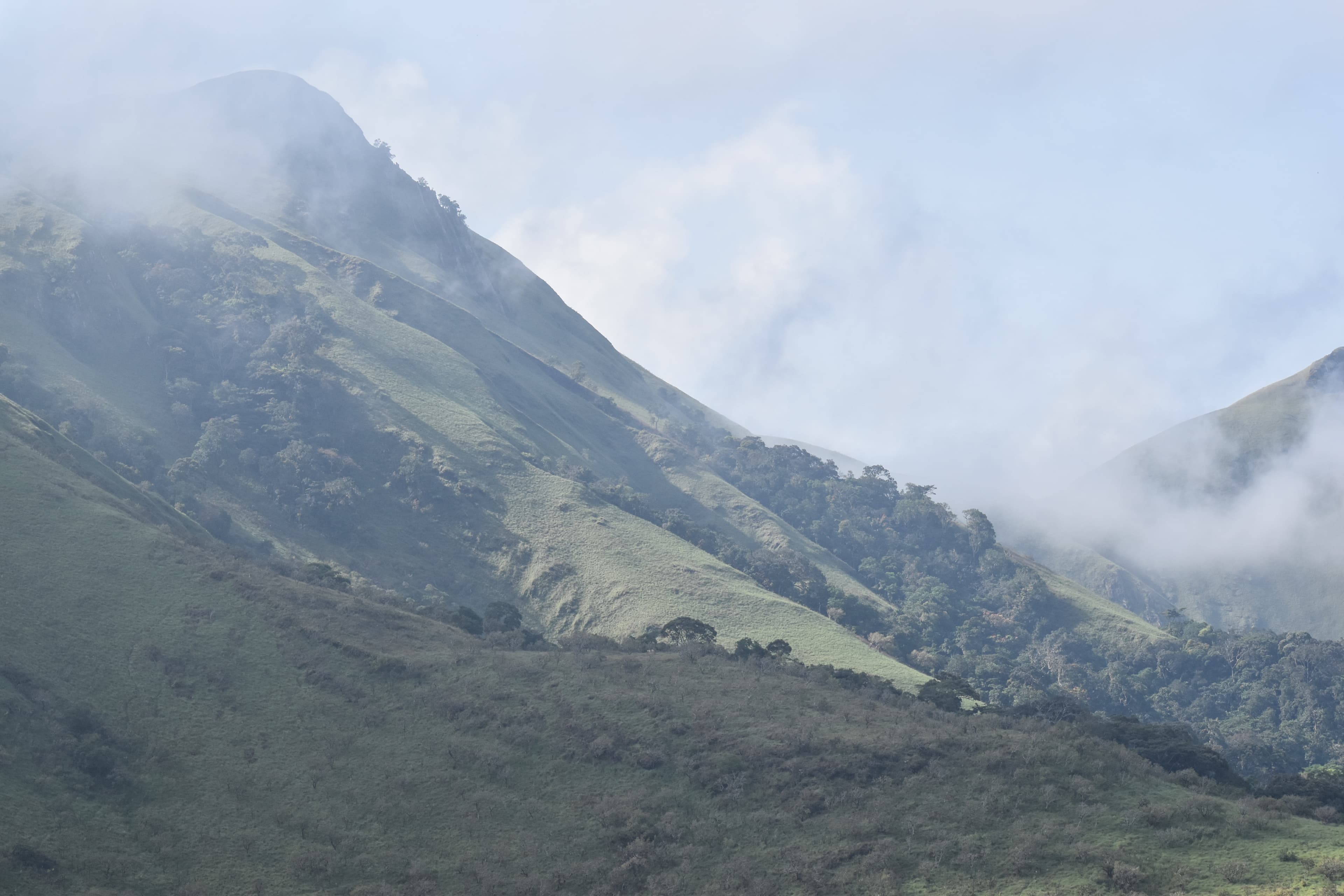
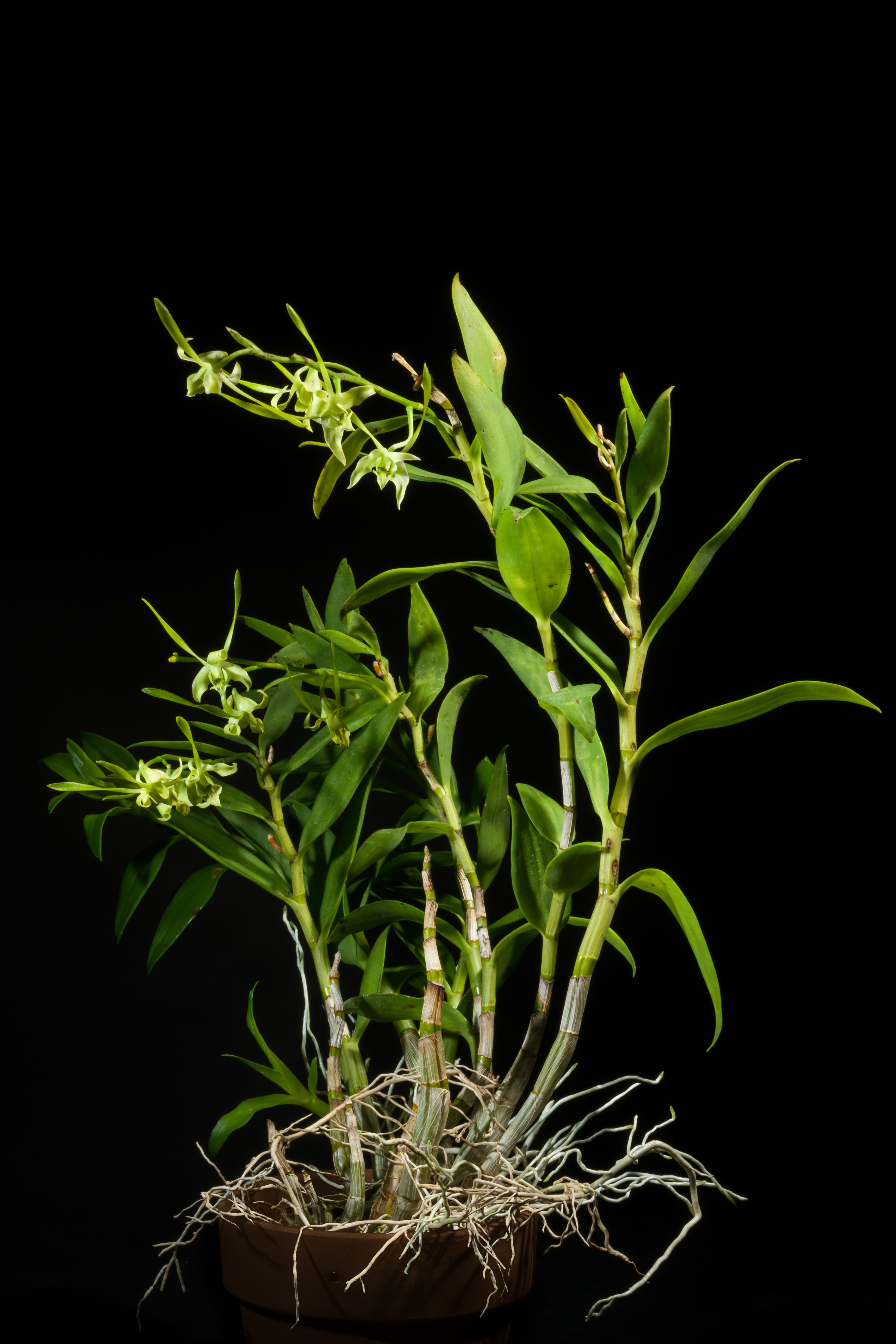
Mount Nimba Strict Nature Reserve
TYPE
Nature Reserve
LOCATION
Nimba Mountains, Guinea (bordering Côte d'Ivoire and Liberia)
TAGS
UNESCO World Heritage, Biodiversity, Wildlife, Mountain, Nature
DESCRIPTION
Mount Nimba Strict Nature Reserve is an outstanding natural site located on the border of Guinea, Côte d'Ivoire, and Liberia. It is a UNESCO World Heritage site renowned for its exceptional biodiversity and unique geographical features, including the highest peak in the Nimba Range. The reserve harbors an incredibly diverse flora and fauna, including endemic species such as the viviparous toad and various chimpanzee populations known for their unique tool-using behaviors. Its varied ecosystems range from savanna grasslands to dense montane forests, providing critical habitats for numerous endangered species. Visitors are drawn to its pristine wilderness, dramatic landscapes, and the opportunity to witness rare wildlife in its natural habitat, making it a crucial site for conservation and ecological research.
Source: UNESCO World Heritage Centre
Confidence: 0.98
Update Cycle: 36 months
Destination Summary
guinea
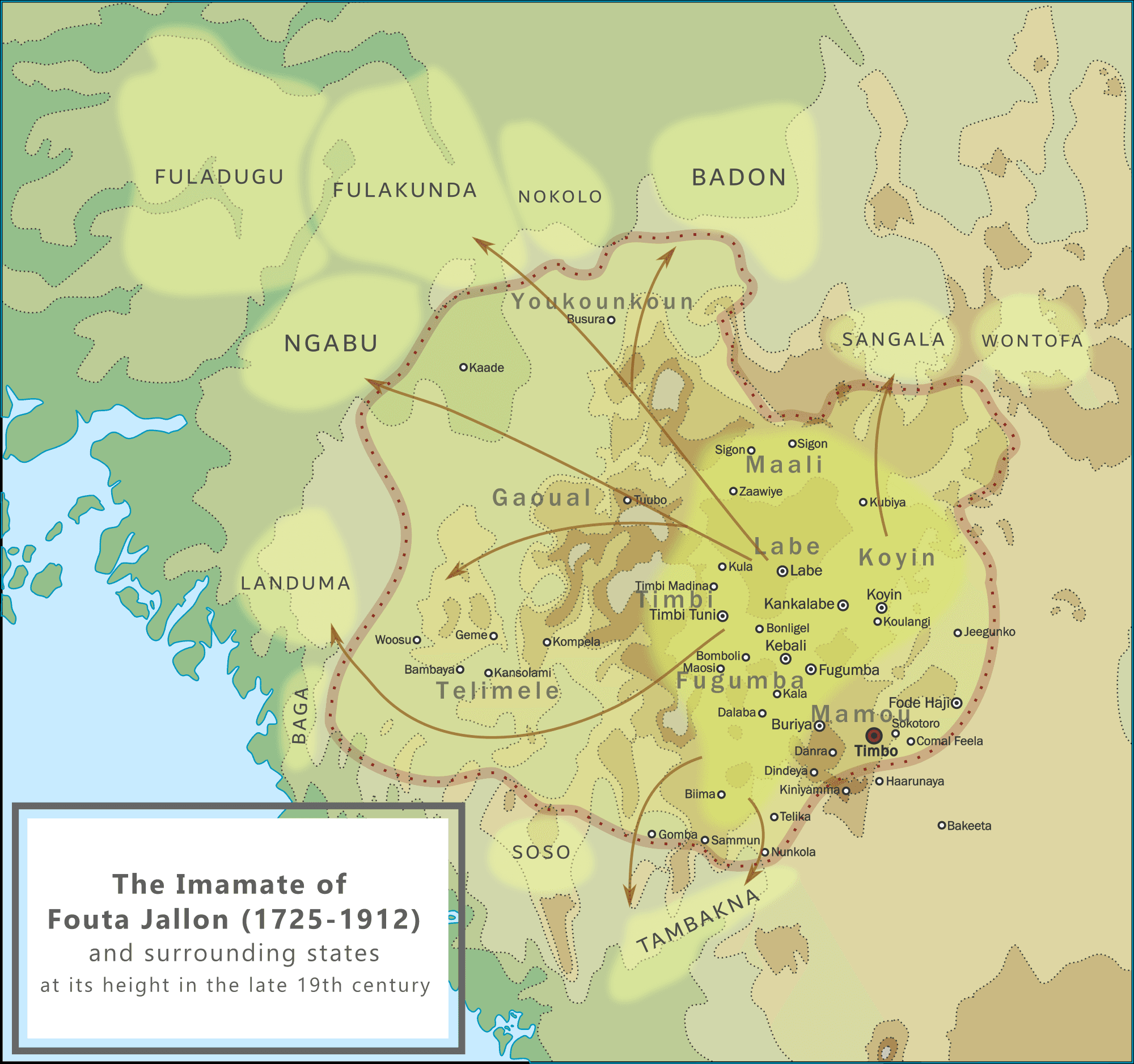
Guinea offers a rich tapestry of vibrant cultures, lush rainforests, and stunning waterfalls, making it an ideal destination for adventurous travelers seeking an authentic West African experience. Explore its diverse landscapes from the Fouta Djallon highlands to its Atlantic coastline.
CATEGORY
West Africa
LANGUAGES
French
SPECIAL RULES
A visa is required for most international tourists and should be obtained in advance; e-visa options may be available. Traffic drives on the right-hand side of the road. Respect local customs and traditions, especially regarding dress and photography.
>
Average Flight Times from cambodia to guinea
Phnom Penh (PNH)
Phnom Penh International Airport
Conakry (CKY)
Ahmed Sékou Touré International Airport
Duration
25 hr 30 min
Flight Type
2 Stops
Airlines
Qatar Airways,
Royal Air Maroc
Siem Reap (SAI)
Siem Reap Angkor International Airport
Conakry (CKY)
Ahmed Sékou Touré International Airport
Duration
28 hr 0 min
Flight Type
2 Stops
Airlines
Singapore Airlines,
Turkish Airlines
Phnom Penh (PNH)
Phnom Penh International Airport
Conakry (CKY)
Ahmed Sékou Touré International Airport
Duration
27 hr 45 min
Flight Type
2 Stops
Airlines
Thai Airways,
Ethiopian Airlines
Siem Reap (SAI)
Siem Reap Angkor International Airport
Conakry (CKY)
Ahmed Sékou Touré International Airport
Duration
30 hr 15 min
Flight Type
2 Stops
Airlines
Malaysia Airlines,
Emirates
Events Calendar
Fête de l'Indépendance (Independence Day)
Guinea's Independence Day is a profoundly significant national holiday, commemorating the country's declaration of independence from France on October 2, 1958. Across the nation, celebrations are marked by impressive military parades, vibrant cultural performances, traditional music and dance, and speeches delivered by government officials. In Conakry, the capital, the festivities are particularly energetic, featuring extensive public gatherings, lively street parties, and patriotic displays that unite communities in a powerful expression of national pride and remembrance of their journey to self-determination. It is a day of reflection, celebration, and cultural reaffirmation for all Guineans.
Source: Guinean Ministry of Communication
Confidence: 0.98
Update Cycle: 12 months
Festival International des Rythmes du Monde (FIRM)
The Festival International des Rythmes du Monde (FIRM) is a dynamic annual event held in Conakry, dedicated to showcasing the rich musical heritage of Guinea and other West African nations, alongside diverse international acts. This vibrant festival brings together an array of talented artists, musicians, and dancers, providing a vital platform for cultural exchange and spirited celebration. Attendees can immerse themselves in live performances featuring traditional Guinean instruments like the kora and djembe, experience contemporary African music, and explore various global genres, fostering artistic collaboration and promoting Guinea's energetic cultural scene on an international stage.
Source: Guinean Ministry of Culture, Sports and Historical Heritage
Confidence: 0.95
Update Cycle: 12 months

Festival National des Arts et de la Culture (FENAC)
The Festival National des Arts et de la Culture (FENAC) is a pivotal national cultural gathering in Guinea, conceived to promote and preserve the country's incredibly diverse artistic traditions. Held periodically, this significant event convenes artists, performers, and cultural groups from all regions of Guinea to proudly showcase their traditional music, intricate dances, compelling theater, diverse visual arts, and rich oral literature. FENAC serves as an essential platform for fostering inter-ethnic dialogue, strengthening national unity, and celebrating Guinea's abundant cultural tapestry, offering both locals and international visitors an immersive and unforgettable experience of the nation's profound heritage.
Source: Guinean Ministry of Culture, Sports and Historical Heritage
Confidence: 0.94
Update Cycle: 30 months
Why Customers Love Prune?
Instant internet on landing
Get connected the moment your plane touches down. No waiting, no hassle.
Save 80% vs roaming
Keep your travel budget intact with rates that crush traditional roaming fees.
Keep WhatsApp & OTP access
Stay reachable for messages, verifications, and two-factor codes wherever you are.
Works across regions
One eSIM covers multiple countries so you travel without swapping cards.
Setup in 2 minutes
Scan, activate, and go. It's that simple — no store visits needed.
24/7 support
Real humans ready to help you anytime, anywhere in the world.