Traveling Abroad?
Traveling from germany? Find the Best eSIM for Your Next Destination
Choose from 200+ countries and save up to 90% on roaming

GERMANY eSIM

O2 5G
+1 others
If you're running low, you can always Top up
The package starts when you connect to a supported network

Data
Choose your package
7 Days
1 GB
$2.19 USD
15 Days
2 GB
$3.29 USD
30 Days
3 GB
$4.38 USD
5 GB
$6.58 USD
10 GB
$9.88 USD
20 GB
$16.47 USD
Essential Facts for Visiting germany
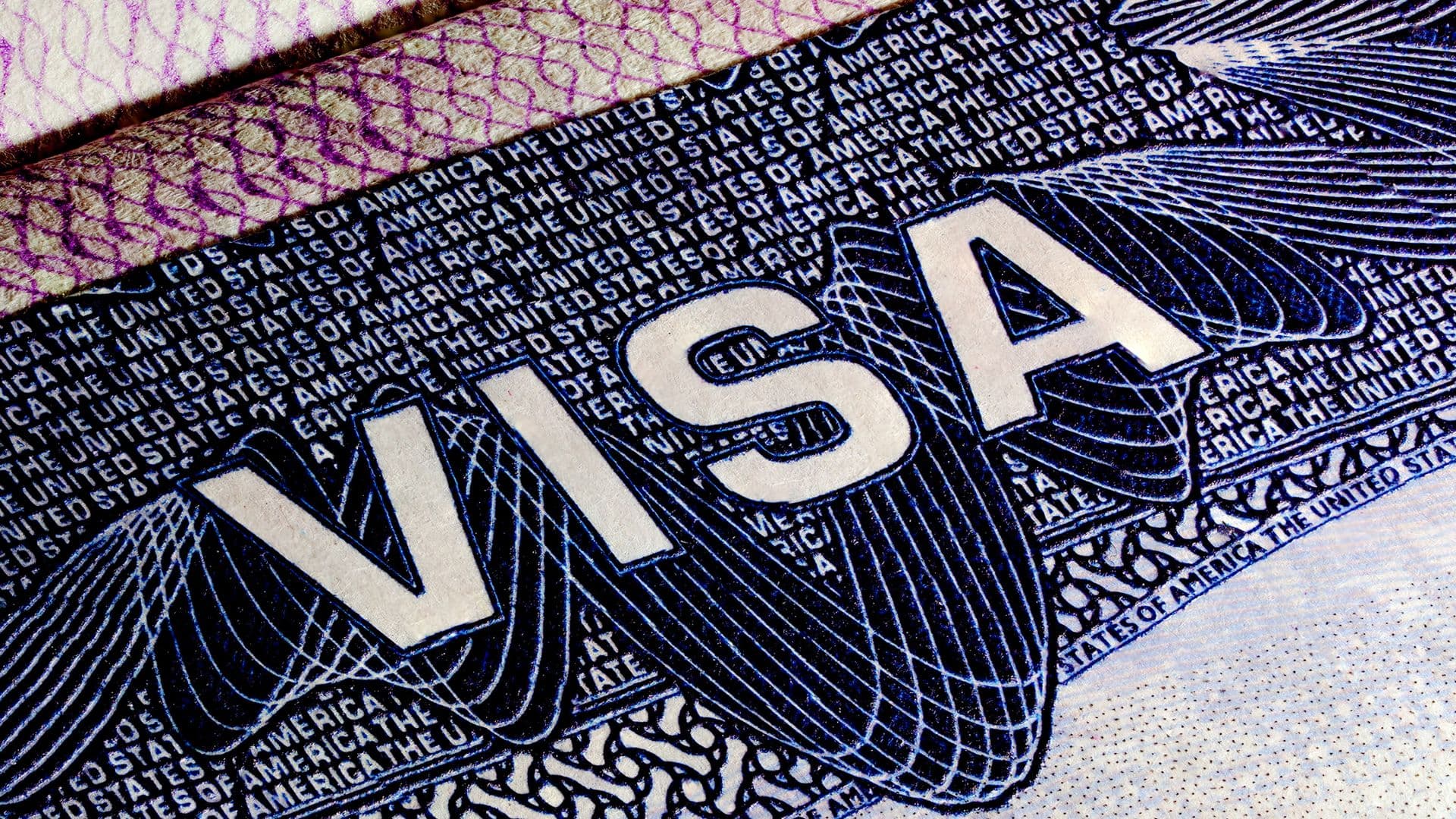
Alright, listen up, bai! If you're a Guyanese citizen planning a trip to Germany, you'll need a Schengen visa. This ain't no 'walk in and walk out' situation; you gotta get your papers in order before you even think about booking that flight. The Schengen visa is essential for short stays, usually up to 90 days within any 180-day period, whether you're going for tourism, business, or just to visit family and friends.
The application process typically involves submitting your documents to the German Embassy in Port of Spain, Trinidad and Tobago, as there's no direct embassy in Guyana. Sometimes, VFS Global might handle applications, so it's good to check their website fuh true. Make sure you have all your supporting documents, like proof of accommodation, flight reservations, travel insurance, and sufficient funds, because they don't play around with these things. Getting this sorted proper will save you a lot of headache down the road.
Source: fly2globe
Confidence: 0.95
Update Cycle: As needed, typically annual review
Your Guyanese passport needs to be in good-good condition and meet specific requirements for entry into Germany and the wider Schengen area. The main thing is that it must be valid for at least three months beyond your planned departure date from the Schengen zone. So, if you're planning to leave on December 1st, your passport should be valid until at least March 1st of the following year. Don't let this catch you off guard, or you'll be stuck!
Another crucial point is that your passport must have been issued within the last 10 years. If your passport is older than that, even if it has validity remaining, it might not be accepted. Always check the issue date and expiry date carefully before you apply for your visa or travel. It's better to renew it early than to face problems at immigration, fuh true.
Source: amazon
Confidence: 1
Update Cycle: Stable, reviewed periodically

If you're just passing through Germany on your way to another non-Schengen country, you might need an Airport Transit Visa (ATV), especially if you're not leaving the international transit area of the airport. This is for those small-small stopovers where you don't intend to enter Germany proper. However, if you already hold a valid Schengen visa, or a visa from certain countries like the USA, Canada, or Japan, you might be exempt from needing an ATV.
Now, if your transit involves changing terminals, or if you need to collect and re-check luggage, or if your layover is long enough that you might step out of the international zone, then you'll likely need a full-blown Schengen visa, not just an ATV. It's always best to check with the German Embassy or airline beforehand to make sure you have the proper visa for your specific transit situation, so you don't get caught up.
Source: tpt
Confidence: 0.9
Update Cycle: As needed
You might hear talk about ETIAS, the European Travel Information and Authorisation System, but for Guyanese citizens, this nah apply to you, fuh true. ETIAS is being introduced for travelers from countries that are currently visa-exempt for the Schengen area. Since Guyanese citizens already need a Schengen visa to enter Germany, the ETIAS system won't be a requirement for you.
So, don't worry about applying for ETIAS. Your focus should remain squarely on obtaining the necessary Schengen visa through the proper channels. The implementation of ETIAS, whenever it fully rolls out, will not change the visa requirement for Guyanese passport holders. You'll still need that visa to get into Germany, plain and simple.
Source: istock
Confidence: 1
Update Cycle: Stable, until visa policy changes

Right now, Germany and the wider Schengen area do not offer an electronic visa (eVisa) system for short-stay visas for Guyanese citizens. This means you can't just hop online, fill out a form, and get your visa digitally. The application process is still a traditional one, requiring you to submit physical documents and sometimes attend an interview.
Therefore, there's no specific eVisa link to provide, as the system simply nah got one for this type of travel. You'll need to follow the established procedure through the German Embassy in Port of Spain or a designated VFS Global center. Always check their official websites for the most up-to-date application forms and requirements to ensure your proper application.
Source: trading-view
Confidence: 1
Update Cycle: As needed, if policy changes
Health & Safety Tips for germany
In Germany, the primary emergency numbers are 110 for the Police (Polizei) and 112 for Fire (Feuerwehr) and Ambulance/Emergency Medical Services (Rettungsdienst). These are standard across the European Union and connect you directly to emergency services, ensuring prompt assistance in critical situations.
These emergency numbers are free to call from any phone, including mobile phones, even if you do not have a SIM card or active credit. Operators are generally available to assist in English, especially in major cities and tourist regions, though it's always helpful to speak clearly and slowly to ensure accurate communication.
When calling, be prepared to clearly state your exact location (street name, house number, city, and any prominent landmarks), describe the nature of the emergency, and provide your contact information. Stay calm, speak clearly, and follow the instructions given by the emergency operator until help arrives.
Source: European Emergency Number Association (EENA), German Federal Foreign Office
Confidence: 1
Update Cycle: Stable

Germany boasts a modern and highly efficient healthcare system, ensuring excellent medical care is readily available throughout the country. Tap water is safe to drink nationwide, meeting stringent quality standards, so there is no health-related need to purchase bottled water for consumption.
Travelers should be aware of seasonal health considerations. During warmer months, especially from spring to autumn and particularly in rural or forested areas, there is a risk of tick-borne diseases like Lyme disease and Tick-borne encephalitis (TBE). It's advisable to wear protective clothing when hiking and check for ticks after outdoor activities. Sun protection is also recommended during summer months to prevent sunburn.
While no major public health crises are typically present, it's always wise to have comprehensive travel insurance that covers medical emergencies and potential repatriation. Keep an eye on the latest general travel health advisories from your home country's government or the World Health Organization for any specific, evolving situations that might impact your trip.
Source: World Health Organization (WHO), Robert Koch Institute (RKI), Centers for Disease Control and Prevention (CDC)
Confidence: 0.95
Update Cycle: Quarterly/Annually for general, more frequently for specific outbreaks

For most international tourists, there are no mandatory vaccinations required for entry into Germany. However, it is highly recommended that all travelers ensure their routine vaccinations, such as those for Measles, Mumps, Rubella (MMR), Diphtheria, Tetanus, and Polio, are up-to-date according to their national immunization schedules.
Depending on your travel itinerary and planned activities, specific additional vaccinations might be advisable. For instance, travelers spending significant time outdoors in rural or forested regions, particularly in southern Germany, may consider vaccination against Tick-borne encephalitis (TBE). Vaccinations for Hepatitis A and B are also commonly recommended for general travel protection.
It is crucial to consult with a healthcare professional or a travel clinic at least 4-6 weeks before your trip to Germany. They can provide personalized advice based on your medical history, vaccination status, and specific travel plans, ensuring you are adequately protected against any potential health risks during your visit.
Source: Centers for Disease Control and Prevention (CDC), World Health Organization (WHO), German Federal Ministry of Health
Confidence: 0.95
Update Cycle: Annually/Bi-annually for recommendations, immediately for new outbreaks/requirements
Connectivity & Mobility in Germany
Extensive Network Coverage Across Germany
Germany offers robust mobile network coverage for tourists, whether utilizing physical SIM cards or modern eSIM technology. The three primary network operators—Deutsche Telekom, Vodafone, and O2 Telefónica—provide comprehensive 4G/LTE services across the country, with Telekom often recognized for its superior coverage and speed, particularly in rural areas. 5G networks are rapidly expanding, especially in urban centers and along major transportation routes, ensuring fast and reliable internet access. Visitors can easily obtain local SIM cards or activate eSIM profiles to connect to these reliable networks, with prune offering competitive eSIM solutions for seamless connectivity.
Source: https://www.bundesnetzagentur.de/DE/Vportal/TK/Mobilfunk/start.html
Confidence: 0.93
Update Cycle: 3-6 months

Affordable Prepaid SIM Options
For tourists visiting Germany, prepaid SIM cards are widely available and offer good value, with average prices for a tourist-oriented plan typically ranging from €15 to €30 for a package including several gigabytes of data, along with calls and texts, valid for 30 days. Major carriers like Telekom (MagentaMobil Prepaid), Vodafone (CallYa), and O2 (O2 Prepaid) provide various options, alongside competitive offerings from MVNOs such as Aldi Talk and Lidl Connect. These plans are generally easy to activate, though ID verification is required by German law. For those preferring digital solutions, https://prune.co.in/ often has competitive pricing for eSIM plans, providing a convenient alternative without needing a physical SIM.
Source: https://www.telekom.de/unterwegs/prepaid
Confidence: 0.88
Update Cycle: 3-6 months

Excellent Urban & Transit Connectivity
Germany's major metropolitan areas, including bustling cities like Berlin and Munich, boast exceptional 5G and 4G/LTE mobile network coverage. Visitors can expect fast and reliable internet access not only above ground but also within most public transit systems, such as the U-Bahn (subway) and S-Bahn (suburban rail). All three main network operators have invested heavily in expanding their infrastructure to ensure seamless connectivity in urban centers and along key transport routes. This commitment means tourists can typically enjoy uninterrupted service for navigation, communication, and entertainment even while traveling underground or between city districts.
Source: https://www.bundesnetzagentur.de/DE/Vportal/TK/Mobilfunk/start.html
Confidence: 0.95
Update Cycle: 3-6 months

Money & Daily Life in germany
Currency
Germany's official currency is the Euro (€), which is divided into 100 cents. Available denominations include coins for 1, 2, 5, 10, 20, 50 cents, and 1 and 2 Euros, alongside banknotes for 5, 10, 20, 50, and 100 Euros. While higher denominations like €200 and €500 notes exist, they are rarely accepted in everyday transactions and are being phased out, so it's best to carry smaller denominations for convenience.
Source: European Central Bank (ECB), Deutsche Bundesbank
Confidence: 1
Update Cycle: Stable

Tipping culture
Tipping, known as 'Trinkgeld,' is customary in Germany for good service but is not mandatory and generally involves lower percentages than in some other countries. In restaurants and cafes, it's common to round up the bill or add about 5-10% for satisfactory service; for example, if a bill is €27.50, you might pay €30. When paying, you typically tell the server the total amount you wish to pay, including the tip, rather than leaving cash on the table. For taxi drivers, rounding up to the nearest Euro or adding a small amount is appreciated, while hotel staff like porters might receive €1-2 per bag and housekeeping a few Euros per night for extended stays.
Source: German National Tourist Board (indirectly through cultural guides), various reputable travel blogs and expat resources
Confidence: 0.9
Update Cycle: Stable

Credit cards
While major credit cards like Visa and Mastercard are increasingly accepted in larger German cities, prominent retail chains, hotels, and major tourist attractions, Germany remains a country where cash payments are very common, particularly in smaller towns and independent businesses. Many local establishments, including bakeries, cafes, and smaller restaurants, may only accept cash or German EC-Karte (Girocard) debit cards. It is highly advisable for tourists to always carry a sufficient amount of Euro cash for smaller purchases, public transport tickets, and situations where card payment options are limited or unavailable.
Source: Deutsche Bundesbank (indirectly through payment statistics), various reputable travel guides and expat resources
Confidence: 0.9
Update Cycle: Annually (acceptance increasing slowly)

Plug/Voltage
Germany uses Type F (Schuko) and Type C electrical outlets. Type F is the most common, featuring two round pins and two earth clips, while Type C has two round pins. The standard voltage is 230 V, and the frequency is 50 Hz. Tourists from countries operating on a different voltage, such as North America (120 V), will need a voltage converter for any appliances that are not dual voltage (e.g., many hair dryers or styling tools). Most modern electronic devices like laptops, phone chargers, and cameras are typically dual voltage (100-240 V) and will only require a simple plug adapter to fit the German outlets.
Source: International Electrotechnical Commission (IEC), World Standards
Confidence: 1
Update Cycle: Stable

Local language(s)
The official and predominant language of Germany is German (Deutsch). While English is widely understood and spoken in major tourist destinations, larger cities, international hotels, and among younger generations, particularly in business and service sectors, its prevalence decreases significantly outside these urban and tourist-centric areas. In smaller towns, rural regions, or local businesses, you may encounter limited English proficiency. Learning a few basic German phrases like 'Guten Tag' (Good day), 'Bitte' (Please), 'Danke' (Thank you), 'Entschuldigung' (Excuse me), and 'Sprechen Sie Englisch?' (Do you speak English?) will be greatly appreciated by locals and can significantly enhance your travel experience.
Source: German Federal Foreign Office, Goethe-Institut
Confidence: 1
Update Cycle: Stable

Weather and Seasonal Guide for germany

Best time to visit
May to September
This period offers the warmest and most pleasant weather for exploring Germany. Late spring (May-June) provides blooming landscapes and moderate temperatures, ideal for outdoor activities before peak summer crowds. Early autumn (September) brings crisp air, vibrant foliage, and comfortable conditions, perfect for hiking and city sightseeing, coinciding with Oktoberfest.
Avg temp(march)
5°C
Winter slowly recedes with temperatures rising, though it can still be chilly with occasional late snow. Spring flowers begin to emerge, making it good for city breaks with fewer crowds.
Source: German National Tourist Board (DZT)
Confidence: 0.95
Update Cycle: Every 12 months
Pilot Summary
germany
Germany offers a captivating blend of historical grandeur, from medieval castles and poignant memorials to vibrant modern cities, alongside stunning natural beauty like the Bavarian Alps and the Black Forest. It's renowned for its rich cultural heritage, world-class engineering, and beloved traditions like Oktoberfest.
Destination
germany
Category
Schengen Europe
Languages
German
Special Rules
Schengen rules apply, ETIAS may be required from mid-2025 for visa-exempt travelers. Right-hand traffic, strict recycling laws (Trennungsprinzip), and respect for quiet hours (Ruhezeit) are important.
Average Flight Times from guyana to germany
Georgetown (GEO)
Cheddi Jagan International Airport
Frankfurt (FRA)
Frankfurt Airport
Duration
15 hr 30 min
Flight Type
1 Stop
Airlines
Caribbean Airlines
Condor
Georgetown (GEO)
Cheddi Jagan International Airport
Munich (MUC)
Munich Airport
Duration
16 hr 30 min
Flight Type
1 Stop
Airlines
KLM
Lufthansa
Georgetown (GEO)
Cheddi Jagan International Airport
Berlin (BER)
Berlin Brandenburg Airport
Duration
17 hr 30 min
Flight Type
1 Stop
Airlines
British Airways
Lufthansa
Georgetown (GEO)
Cheddi Jagan International Airport
Düsseldorf (DUS)
Düsseldorf Airport
Duration
16 hr 0 min
Flight Type
1 Stop
Airlines
KLM
Eurowings