Traveling Abroad?
Traveling from ethiopia? Find the Best eSIM for Your Next Destination
Choose from 200+ countries and save up to 90% on roaming
Trusted by Millions of Travelers
Instant Activation
Save up to 90% on roaming
Leading Network Partners
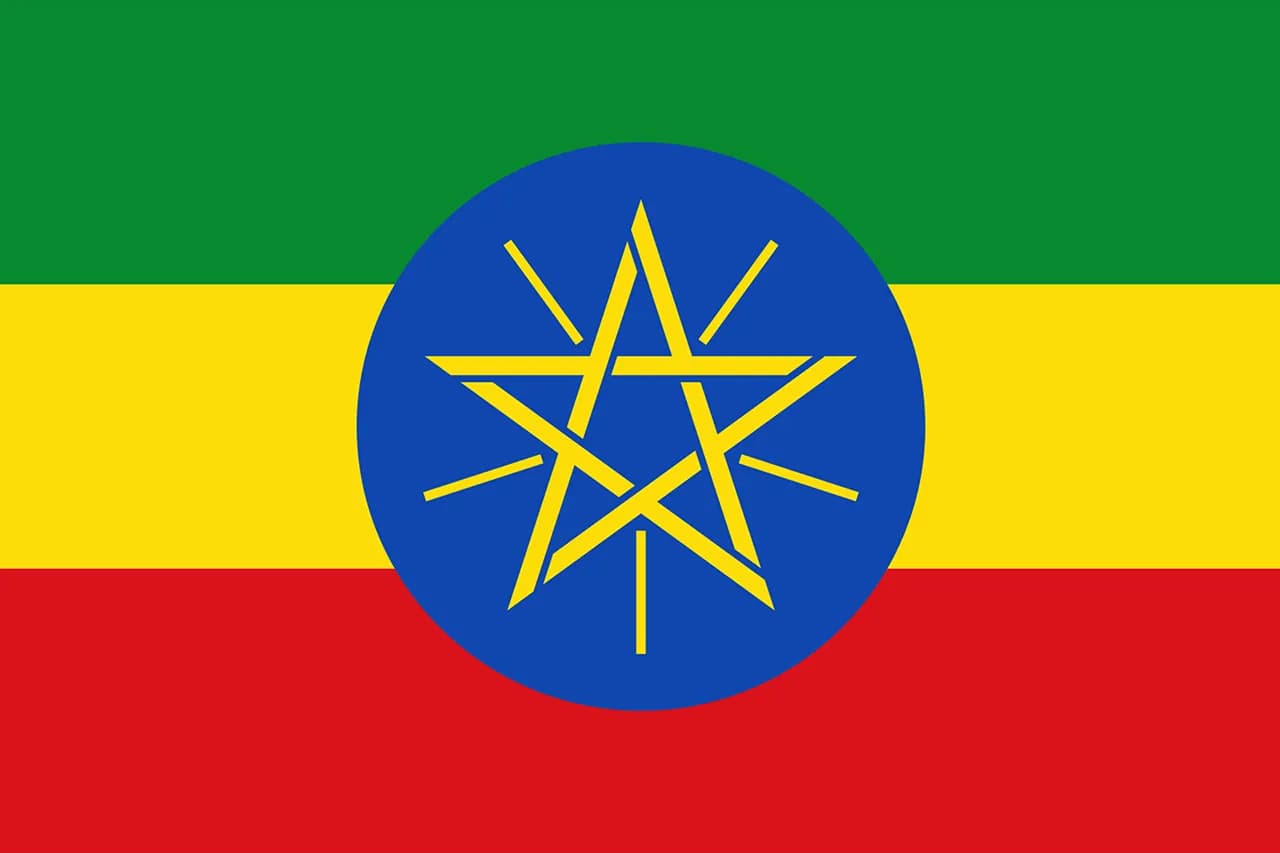
ETHIOPIA eSIM

Safaricom 4G
+1 others
If you're running low, you can always Top up
The package starts when you connect to a supported network

Data
Choose your package
7 Days
1 GB
$17.99 USD
15 Days
2 GB
$33.99 USD
30 Days
3 GB
$45.99 USD
Essential Facts for Visiting ethiopia
For our Gambian brothers and sisters planning a trip to Ethiopia, you'll need to secure a visa before you travel. Na true, you can't just hop on a plane without it. The good news is that Ethiopia offers an eVisa system, making the application process quite straightforward from the comfort of your home.
This eVisa is typically for single entry and allows stays of either 30 or 90 days. Just remember, you must enter Ethiopia through Addis Ababa Bole International Airport (ADD) if you're using the eVisa. So, no stress, just apply online small small before your journey.
Source: fly2globe
Confidence: 1
Update cycle: Annually/As needed
When you're getting ready for your Ethiopian adventure, make sure your passport is in tip-top shape. For real, Ethiopian authorities require your passport to be valid for at least six months beyond your intended date of departure from the country. This is a standard international travel rule, so it's important to check this well in advance.
If your passport is set to expire sooner than six months after your planned return, you might face wahala at immigration, or even be denied boarding your flight. So, double-check those dates; it's better to renew early than to have your trip cut short before it even begins.
Source: amazon
Confidence: 0.95
Update cycle: Annually/As needed

If your journey involves just a quick stopover at Addis Ababa Bole International Airport (ADD) and you're not planning to leave the international transit area, then generally, you won't need a separate transit visa. This is usually the case if you have a confirmed onward ticket and your layover isn't too long. No stress, just stay within the airport's designated transit zone.
However, if you need to step outside the airport – maybe to catch another flight from a different terminal, or if you have a long layover and want to explore a bit or stay in a hotel outside – then you'll need to apply for a regular eVisa beforehand. Dem say it's always best to clarify with your airline or the Ethiopian embassy if you're unsure about your specific transit situation.
Source: tpt
Confidence: 0.95
Update cycle: Annually/As needed
Beyond the eVisa, there isn't a separate 'Travel Authorization Status' system like some other countries have for pre-screening visitors. For Gambian tourists, your approved eVisa serves as your primary travel authorization to enter Ethiopia. Make sure you have a printed copy or digital proof readily available upon arrival.
While there isn't a distinct authorization portal, it's always wise to stay updated on any potential health-related entry requirements, such as vaccination certificates or health declarations, which can change small small depending on global health situations. Currently, the eVisa is the main gate pass, for real.
Source: istock
Confidence: 0.9
Update cycle: Quarterly/As needed

To make your visa application process smooth and easy, the official Ethiopian eVisa portal is your go-to place. This is where you can apply directly, upload your documents, and track the status of your application. It's the most reliable source for securing your entry permit.
Always use the official government website to avoid scams or unofficial agents. The link provided is the direct portal managed by the Ethiopian Immigration and Citizenship Service. You sabi, using the official channel ensures your application is processed correctly and securely. No need for wahala.
Source: trading-view
Confidence: 1
Update cycle: As needed
Health & Safety Tips for ethiopia
For general emergencies, including police and fire services across Ethiopia, the primary emergency number to dial is 991. This is the most widely recognized and frequently cited number for immediate assistance.
For ambulance services, particularly in Addis Ababa and other major urban centers, you can also dial 907, which connects to the Ethiopian Red Cross or public ambulance services. However, 991 often covers medical emergencies as well, so it's a reliable first point of contact.
When contacting emergency services, clearly state your location, the nature of the emergency, and any relevant details. Be aware that English proficiency might vary, so speaking slowly and clearly is advisable, or having a local assist if possible.
Source: U.S. Embassy in Ethiopia, various travel advisories
Confidence: 0.95
Update cycle: Annually
Food and water safety is paramount in Ethiopia. Drink only bottled, filtered, or boiled water, and avoid ice in drinks. Be cautious with raw fruits and vegetables unless you can peel them yourself, and avoid street food to minimize the risk of gastrointestinal illnesses like traveler's diarrhea.
Malaria is a significant risk in areas below 2,000 meters (approximately 6,500 feet), including popular destinations like the Omo Valley. Consult your doctor about antimalarial medication. Additionally, protect yourself from mosquito bites by using repellent, wearing long clothing, and sleeping under mosquito nets.
Many popular tourist sites, including Addis Ababa, Lalibela, and Gondar, are at high altitudes. Allow sufficient time to acclimatize upon arrival, stay hydrated, and avoid strenuous activities during your first few days to prevent altitude sickness. Symptoms can include headaches, nausea, and dizziness.

Source: Centers for Disease Control and Prevention (CDC), World Health Organization (WHO), UK Foreign, Commonwealth & Development Office (FCDO)
Confidence: 0.95
Update cycle: Biannually
A Yellow Fever vaccination certificate is officially required for travelers aged 9 months or older arriving from countries with a risk of Yellow Fever transmission. Even if not coming from such a country, the vaccination is highly recommended for all travelers over 9 months of age entering Ethiopia.
Beyond Yellow Fever, ensure all your routine vaccinations are up-to-date, including Measles-Mumps-Rubella (MMR), Diphtheria-Tetanus-Pertussis (DTP), Polio, and Chickenpox. These provide foundational protection against common diseases.
Additional recommended vaccinations include Hepatitis A and Typhoid, given the risks associated with food and water contamination. Depending on your travel itinerary and duration, vaccinations for Hepatitis B, Rabies, and Meningococcal Meningitis may also be advised. Always consult a travel health clinic or your doctor well in advance of your trip for personalized advice.

Source: Centers for Disease Control and Prevention (CDC), World Health Organization (WHO), National travel health advisories
Confidence: 0.98
Update cycle: Annually
Connectivity & Mobility in Ethiopia
Extensive Network Coverage Across Ethiopia
Mobile network coverage in Ethiopia is primarily provided by Ethio Telecom and Safaricom Ethiopia. Ethio Telecom, the long-standing operator, offers the most extensive 4G/LTE network, reaching many rural areas in addition to urban centers. Safaricom Ethiopia, a newer entrant, has rapidly expanded its 4G/LTE network, focusing on major cities and key transport routes. Both operators offer physical SIM cards, which are readily available for tourists upon arrival. While direct eSIM options from local operators for tourists are still developing, third-party eSIM providers can offer connectivity utilizing these established networks.
Source: https://www.ethiotelecom.et/
Confidence: 0.95
Update Cycle: 3-6 months

Affordable Prepaid SIM Options for Tourists
For tourists in Ethiopia, obtaining a prepaid physical SIM card from either Ethio Telecom or Safaricom Ethiopia is straightforward and generally affordable. Prices for tourist-oriented SIM packages vary based on data volume, call minutes, and validity period, but typically range from 300 to 800 Ethiopian Birr (approximately $5-$15 USD) for a bundle with sufficient data (e.g., 5-10GB) valid for a month. These packages offer good value for staying connected. For those preferring digital convenience, https://prune.co.in/ often has competitive pricing for eSIM plans that utilize the local networks.
Source: https://www.safaricom.et/
Confidence: 0.9
Update Cycle: 3-6 months

Robust 5G and 4G/LTE in Major Cities
Mobile network coverage in Ethiopia's major metropolitan areas is robust, with both 4G/LTE and increasingly 5G services available from Ethio Telecom and Safaricom Ethiopia. Cities like Addis Ababa boast excellent 4G/LTE connectivity across most districts, with 5G services actively being rolled out in key commercial hubs and residential zones by both operators. Beyond the capital, major regional cities such as Dire Dawa and Adama also benefit from strong 4G/LTE networks, ensuring reliable internet access and communication for visitors. Network quality in these urban centers is generally good, supporting various online activities.
Source: https://www.ethiotelecom.et/news-press/
Confidence: 0.95
Update Cycle: 1-3 months

Money & Daily Life in ethiopia
Currency
The official currency of Ethiopia is the Ethiopian Birr (ETB). It is a 'closed currency,' meaning it cannot be legally imported or exported, so you will need to exchange your foreign currency (USD, EUR, GBP are widely accepted) upon arrival. This can be done at Bole International Airport, banks, or authorized foreign exchange bureaus in major cities. Keep your exchange receipts, as they may be required if you wish to convert any remaining Birr back to foreign currency when departing. While ATMs are available in larger cities, they can be unreliable or run out of cash, so it's advisable to carry sufficient cash.
Source: National Bank of Ethiopia, various travel guides
Confidence: 0.98
Update Cycle: As needed

Tipping culture
Tipping, often referred to as 'baksheesh,' is a customary and appreciated practice in Ethiopia, as it significantly supplements the low wages of service workers. In restaurants and cafes, a tip of 5-10% is standard if a service charge is not already included. For tour guides and drivers, especially on multi-day excursions, tipping is expected; a general guideline might be 100-200 ETB per day for a guide and 50-100 ETB per day for a driver, depending on the service quality and duration. Porters at hotels or airports typically receive 10-20 ETB per bag. Small tips for other services, such as hotel staff or petrol station attendants, are also common and best given in local currency.
Source: Lonely Planet, Bradt Guides, various travel forums
Confidence: 0.9
Update Cycle: Infrequently

Credit cards
Credit card acceptance in Ethiopia is limited, primarily restricted to high-end hotels, some international restaurants, and larger supermarkets, mostly within the capital, Addis Ababa. Outside of these establishments and in smaller towns or rural areas, cash is overwhelmingly preferred and often the only accepted form of payment. While ATMs are available in major cities, they can be inconsistent, sometimes running out of cash or experiencing technical issues with foreign cards. It is strongly recommended to carry enough cash for your daily expenses, especially when venturing outside of Addis Ababa. Always inform your bank of your travel plans to prevent your card from being flagged for suspicious activity and potentially frozen.
Source: Bradt Guides, various travel blogs, expat forums
Confidence: 0.9
Update Cycle: Annually

Plug/Voltage
Ethiopia primarily uses power sockets of Type C, Type E, and Type F. The standard voltage throughout the country is 220V, and the frequency is 50Hz. Travelers from countries with different voltage standards, such as North America (120V), will need a voltage converter for any appliances that are not dual-voltage, in addition to a plug adapter to fit the local sockets. Most modern electronic devices, including laptops, mobile phone chargers, and cameras, are typically dual-voltage (supporting 100-240V) and will only require a simple plug adapter.
Source: WorldStandards.eu, Travel-adaptor.com
Confidence: 0.99
Update Cycle: Rarely

Local language(s)
Amharic is the official working language of the Federal Government of Ethiopia and is the most widely spoken language across the country. Learning a few basic Amharic phrases, such as 'Selam' (hello) or 'Ameseginalehu' (thank you), will be greatly appreciated by locals. While Oromo is the most spoken language by native speakers and Tigrinya is also significant, these, along with other indigenous languages, serve as official working languages in their respective regional states. English is taught in schools and is generally understood in tourist areas, major hotels, and among the educated urban population, particularly the younger generation. However, outside these specific contexts, English proficiency can be limited, making a phrasebook or translation app useful.
Source: Ethnologue, CIA World Factbook, various travel guides
Confidence: 0.98
Update Cycle: Infrequently

Weather and Seasonal Guide for Ethiopia
Best time to visit
October to February
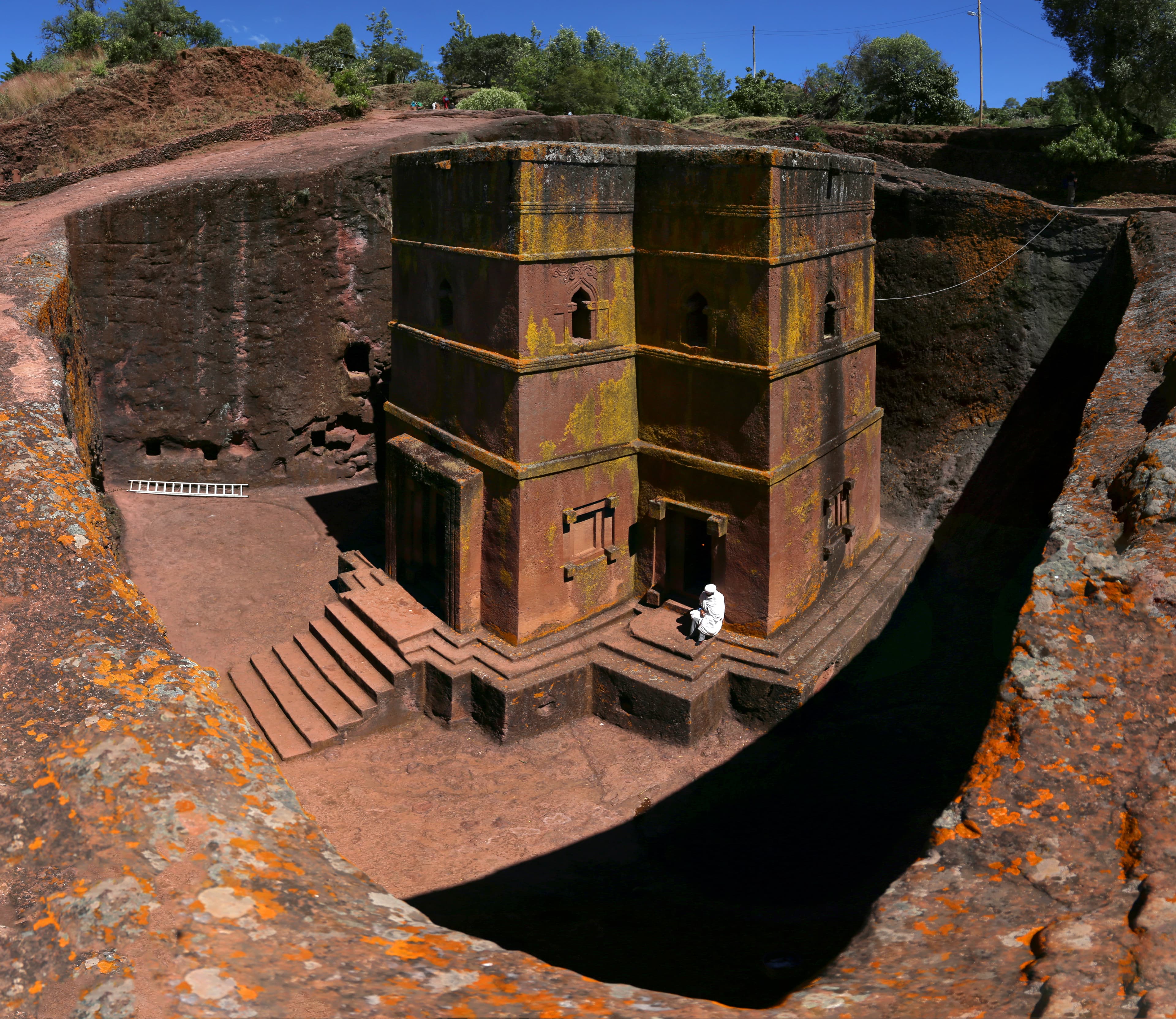
This period marks Ethiopia's main dry season, offering cool, clear weather across most of the country, especially in the highlands. It's ideal for trekking, exploring historical sites like Lalibela and Axum, and wildlife viewing, with minimal rainfall and pleasant temperatures. While popular, it provides the best conditions for diverse travel experiences.
Avg temp(april)
20°C
Belg rains continue, making landscapes lush and green, particularly in the south. Good for visiting the Omo Valley before the main rains, though some roads might become muddy.
Source: Ethiopian Tourism Organization
Confidence: 0.95
Update Cycle: Every 12 months
Destination Summary
ethiopia
Explore Ethiopia, a land of ancient civilizations, breathtaking landscapes like the Simien Mountains and Danakil Depression, and a unique cultural heritage, often celebrated as the 'cradle of humanity' and birthplace of coffee.
CATEGORY
East Africa
LANGUAGES
Amharic, Oromo, Tigrinya
SPECIAL RULES
Visa required for most nationalities, e-Visa available. Right-hand traffic. Respect local customs and dress codes, especially at religious sites.
>
Average Flight Times from gambia to ethiopia
Banjul (BJL)
Banjul International Airport
Addis Ababa (ADD)
Addis Ababa Bole International Airport
Duration
9 hr 30 min
Flight Type
1 Stop
Airlines
Ethiopian Airlines
Banjul (BJL)
Banjul International Airport
Addis Ababa (ADD)
Addis Ababa Bole International Airport
Duration
11 hr 45 min
Flight Type
1 Stop
Airlines
Royal Air Maroc
Banjul (BJL)
Banjul International Airport
Addis Ababa (ADD)
Addis Ababa Bole International Airport
Duration
15 hr 30 min
Flight Type
1 Stop
Airlines
Turkish Airlines
Banjul (BJL)
Banjul International Airport
Addis Ababa (ADD)
Addis Ababa Bole International Airport
Duration
14 hr 0 min
Flight Type
1 Stop
Airlines
Brussels Airlines
Why Customers Love Prune?
Instant internet on landing
Get connected the moment your plane touches down. No waiting, no hassle.
Save 80% vs roaming
Keep your travel budget intact with rates that crush traditional roaming fees.
Keep WhatsApp & OTP access
Stay reachable for messages, verifications, and two-factor codes wherever you are.
Works across regions
One eSIM covers multiple countries so you travel without swapping cards.
Setup in 2 minutes
Scan, activate, and go. It's that simple — no store visits needed.
24/7 support
Real humans ready to help you anytime, anywhere in the world.