Traveling Abroad?
Traveling from angola? Find the Best eSIM for Your Next Destination
Choose from 200+ countries and save up to 90% on roaming
Trusted by Millions of Travelers
Instant Activation
Save up to 90% on roaming
Leading Network Partners

Angola eSIM
-
If you're running low, you can always Top up
The package starts when you connect to a supported network
Data
Choose your package
Essential Facts for Visiting angola
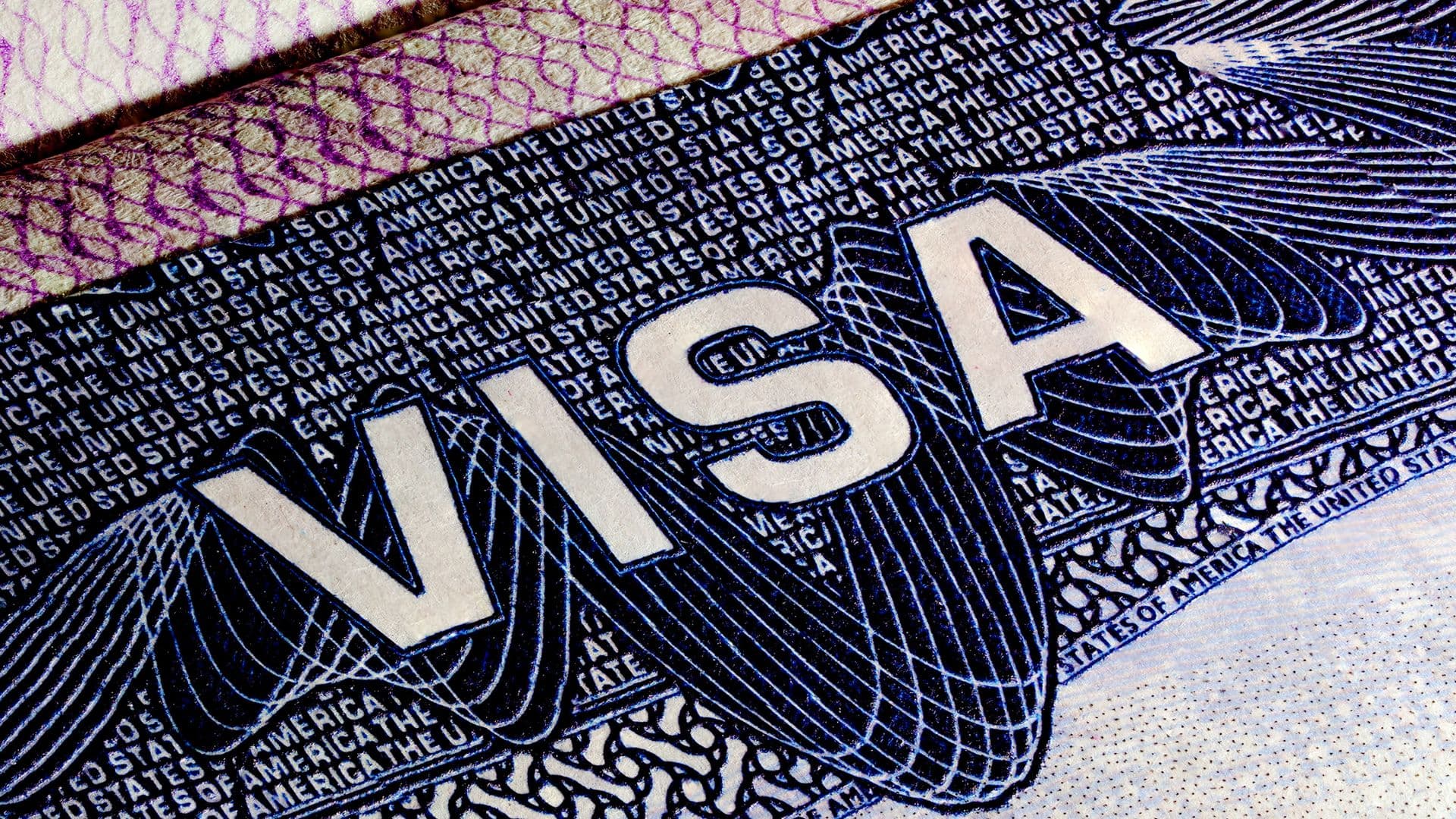
Chale, if you're a Ghanaian citizen planning a trip to Angola, you'll definitely need a visa to enter the country. The good news is that Angola operates an eVisa (Pre-Visa) system, which makes the application process a bit more straightforward. This eVisa is essentially your pre-arrival authorization, and it's highly recommended, if not required, to obtain it online before you even think of boarding your flight.
Once approved, this eVisa typically allows for a stay of up to 30 days, and for those who want to chill a bit longer, it can usually be extended for another 30 days while you're in Angola. Beyond the visa, make sure your Yellow Fever vaccination certificate is proper and up-to-date, as it's a mandatory requirement for travelers from Ghana. Also, be prepared to show proof of a return or onward ticket and sufficient funds to cover your stay – no long thing, just standard travel stuff.
Source: fly2globe
Confidence: 0.98
Update cycle: Regularly updated by Angolan authorities, check before travel.
For your passport, chale, the Angolan authorities are quite clear: it must be valid for at least six months beyond your intended period of stay in the country. So, if you're planning a 30-day trip, your passport should still have at least seven months of validity left from your entry date. This is a proper international travel standard, so it's always wise to check your passport's expiry date well in advance.
Don't let an expiring passport spoil your adventure! If your passport is cutting it close, it's best to renew it sharp sharp before you apply for your eVisa or book your flights. A passport with insufficient validity might lead to denied boarding or entry, and trust me, you don't want that kind of wahala.
Source: amazon
Confidence: 0.99
Update cycle: Standard international travel requirement, generally stable.

If you're just passing through Angola, say, connecting flights at Quatro de Fevereiro International Airport (Luanda), and you don't plan to leave the international transit area, then generally, no transit visa is required. This is usually the case if you have a confirmed onward ticket for a flight to a third country within 24 hours. So, if you're just doing a quick stopover, e dey be, no need to stress too much.
However, if your transit involves leaving the airport, perhaps for a longer layover, or if you need to change airports, then you will likely need to obtain a transit visa beforehand. It's always best to confirm with your airline or the Angolan embassy in Ghana if your itinerary involves any movement outside the airside area, just to make sure everything is proper and you don't face any issues.
Source: tpt
Confidence: 0.95
Update cycle: Regularly updated, check with airline/embassy.
For Ghanaian tourists heading to Angola, the primary form of pre-arrival travel authorization is the eVisa (or Pre-Visa) itself. There isn't a separate, distinct 'Travel Authorization' system like an ESTA for the US or an ETA for Canada that you need to apply for in addition to your visa. The eVisa application process covers the necessary pre-screening and approval for your entry.
Beyond the eVisa, the most crucial 'authorization' you'll need to have ready is your valid Yellow Fever vaccination certificate. This is a non-negotiable health requirement for travelers coming from Ghana. So, while there's no extra authorization form to fill out, make sure your eVisa is approved and your health documents are all proper before you embark on your journey.
Source: istock
Confidence: 0.97
Update cycle: Subject to government policy changes, verify before travel.

To get your eVisa for Angola, the official portal you go fit use is managed by the Serviço de Migração e Estrangeiros (SME), which is Angola's Migration and Foreigners Service. The official website for eVisa applications is https://www.sme.gov.ao/. This is where you'll initiate your application, upload your documents, and track its status.
Always use the official government website for your eVisa application to avoid scams and ensure your information is handled securely. Be careful of third-party sites that might charge extra fees or provide incorrect information. Go straight to the source, chale, and get your eVisa sorted sharp sharp!
Source: trading-view
Confidence: 1
Update cycle: Subject to change by government, verify before application.
Health & Safety Tips for angola
For immediate assistance in Angola, the main emergency numbers are 113 for Police, 112 for Ambulance/Medical emergencies, and 110 for Fire services. It is advisable to have these numbers readily accessible, perhaps saved in your phone, as response times can vary depending on the location and specific circumstances.
While these numbers are officially designated, visitors should be aware that the emergency services infrastructure, especially outside of the capital city Luanda, may not be as robust or responsive as in more developed countries. Communication barriers might also exist if you do not speak Portuguese.
In critical situations, it's often prudent to first contact your embassy or consulate for assistance, as they may have local contacts or resources to help coordinate emergency responses. Additionally, if staying at a hotel, the staff can often provide immediate local assistance or direct you to the appropriate services.
Source: U.S. Embassy in Angola, UK FCDO Travel Advice
Confidence: 0.95
Update cycle: As needed
Angola presents several health risks for international travelers, with malaria being a significant concern throughout the country, including urban areas. It is highly recommended to consult with a travel health professional well in advance of your trip to discuss malaria prophylaxis and other preventative measures, such as using insect repellent containing DEET, wearing long sleeves and pants, and sleeping under mosquito nets.
Beyond malaria, travelers should be vigilant about food and water safety to prevent gastrointestinal illnesses like cholera and typhoid. Drink only bottled or boiled water, avoid ice cubes, and ensure all food is thoroughly cooked. Other prevalent diseases include Hepatitis A and B, Rabies (for those in close contact with animals), and Tuberculosis. HIV/AIDS is also widespread, so exercise extreme caution.
Medical facilities in Angola, particularly outside Luanda, are often limited and may lack adequate equipment, supplies, and trained personnel. For serious medical conditions, medical evacuation to South Africa or Europe may be necessary. Comprehensive travel insurance that covers medical emergencies and evacuation is therefore essential before visiting Angola.

Source: Centers for Disease Control and Prevention (CDC), World Health Organization (WHO), UK Foreign, Commonwealth & Development Office (FCDO)
Confidence: 0.9
Update cycle: Annually
A Yellow Fever vaccination certificate is mandatory for all travelers aged 9 months or older entering Angola. You must carry your International Certificate of Vaccination or Prophylaxis (ICVP) with you, as proof of vaccination will be required upon arrival. The vaccine should be administered at least 10 days before your travel date to ensure full efficacy.
In addition to the mandatory Yellow Fever vaccine, several other vaccinations are strongly recommended for travelers to Angola. These include routine vaccinations such as Measles, Mumps, Rubella (MMR), Diphtheria, Tetanus, and Pertussis (DTP). It is also highly advised to be vaccinated against Hepatitis A and Typhoid, given the risks associated with food and waterborne diseases.
Depending on your travel itinerary and activities, your doctor might also recommend vaccinations for Hepatitis B, Rabies (especially if you plan to spend time outdoors, with animals, or in remote areas), and Polio. Always consult with a travel health specialist to determine the most appropriate vaccination schedule for your individual trip to Angola.

Source: World Health Organization (WHO), CDC Yellow Book, Angolan Ministry of Health
Confidence: 0.95
Update cycle: Annually
Connectivity & Mobility in angola
Seamless Connectivity Across Angola
Angola's mobile network landscape is dominated by Unitel, Movicel, and the newer entrant Africell. Unitel boasts the most extensive 4G/LTE coverage across the country, particularly strong in urban centers and along major transportation routes. Movicel offers a competitive network, while Africell is rapidly expanding its footprint. For tourists, both physical SIM cards from these local providers and eSIM options are available, with Unitel specifically supporting eSIM services. This allows visitors to choose between purchasing a local SIM upon arrival or opting for the convenience of an international eSIM provider like Prune, which leverages these robust local networks for seamless connectivity.
Source: https://www.unitel.ao/rede/cobertura, https://www.unitel.ao/eSIM
Confidence: 0.9
Update Cycle: 3-6 months

Affordable Prepaid SIM Options
For tourists visiting Angola, acquiring a prepaid physical SIM card is straightforward, with major operators like Unitel and Movicel offering various starter packs. The initial cost for a SIM card itself is typically low, often ranging from 500 to 1000 Angolan Kwanza (AOA). However, the primary expense comes from purchasing data and voice bundles, which vary based on usage needs. A basic tourist-oriented package, including a modest data allowance, might cost approximately 2,000 to 5,000 AOA (around $2-$6 USD) for a short stay. For those seeking convenience and competitive pricing for eSIM plans, https://prune.co.in/ often has attractive options.
Source: https://www.unitel.ao/pre-pago/
Confidence: 0.8
Update Cycle: 3-6 months

Strong Urban 5G & 4G Connectivity
Mobile network coverage in Angola's major metropolitan areas is robust, particularly for 4G/LTE services. Luanda, the capital, boasts excellent connectivity, including the availability of 5G services launched by Unitel in 2022, providing high-speed internet for residents and tourists alike. Beyond Luanda, other significant cities such as Benguela and Lobito also benefit from strong 4G/LTE networks provided by the main operators, Unitel, Movicel, and Africell. This ensures reliable internet access and communication for visitors exploring Angola's urban centers.
Source: https://www.unitel.ao/5g, https://www.unitel.ao/rede/cobertura
Confidence: 0.95
Update Cycle: 3-6 months

Money & Daily Life in angola
Currency
The official currency of Angola is the Angolan Kwanza (AOA). While the Kwanza is the legal tender, US Dollars are often accepted for larger transactions, particularly in major hotels, some upscale restaurants, and for services like car rentals in Luanda. However, for daily expenses such as local transport, market purchases, and smaller meals, it is essential to have Kwanzas. Exchange rates can fluctuate, and it's advisable to exchange currency at official banks or licensed exchange bureaus rather than unofficial street vendors to avoid counterfeit notes and unfair rates. Carrying a mix of small denomination Kwanzas and a limited amount of US Dollars for emergencies or larger purchases can be a practical approach.
Source: Banco Nacional de Angola, reputable travel guides
Confidence: 0.95
Update Cycle: As needed

Tipping culture
Tipping in Angola is not as deeply ingrained or universally expected as in many Western countries, but it is certainly appreciated for good service, especially given the economic conditions. In restaurants, a small tip of around 5-10% of the bill, or simply rounding up, is a thoughtful gesture for attentive service. For hotel staff, such as porters or housekeepers, a small amount of Kwanza is appropriate. Taxi drivers generally do not expect tips, but rounding up the fare is common if you're satisfied with the ride. It’s always best to tip in local currency. While there are no strict rules, showing appreciation for good service will always be well-received.
Source: Expat forums, travel blogs, cultural guides
Confidence: 0.85
Update Cycle: Annually

Credit cards
The use of credit and debit cards in Angola is limited, predominantly to major hotels, large supermarkets, and a select few upscale restaurants in the capital, Luanda. Outside of Luanda, card acceptance is rare, and cash remains the prevalent method of payment. ATMs are available in larger cities and towns, but they can be unreliable, frequently out of service, or run out of cash, especially on weekends or public holidays. It is highly recommended to carry sufficient cash (in Kwanzas) for most of your daily expenses, particularly when traveling outside the capital. Always inform your bank of your travel plans to Angola to prevent your card from being blocked due to suspicious activity.
Source: US State Department Travel Advisories, UK FCDO, International banks operating in Angola
Confidence: 0.9
Update Cycle: Annually

Plug/Voltage
In Angola, the standard voltage is 220V, and the frequency is 50Hz. The electrical outlets primarily use plug types C and F. Type C is the standard European 2-pin non-earthed plug, while Type F (also known as 'Schuko') is a 2-pin plug with two earth clips on the side, commonly used in Germany and other parts of Europe. Travelers from countries with different voltage standards (e.g., 110-120V in North America) will require a voltage converter for their electronic devices. Additionally, an appropriate travel adapter will be necessary to ensure your plugs fit into the local outlets. It's always a good idea to bring a universal travel adapter to cover various possibilities.
Source: WorldStandards.eu, International Electrotechnical Commission (IEC)
Confidence: 1
Update Cycle: Stable

Local language(s)
The official language of Angola is Portuguese, a legacy of its colonial past. It is widely spoken in urban areas, in government, education, and business, and is essential for communication with authorities and in formal settings. However, Angola is a linguistically diverse country, with numerous indigenous Bantu languages spoken across different regions. Prominent national languages include Umbundu (the most widely spoken indigenous language), Kimbundu, and Kikongo. While some people in tourist-facing roles in Luanda might have a basic understanding of English, it is not widely spoken, especially outside the capital. Learning a few basic Portuguese phrases will greatly enhance your travel experience and facilitate interactions with locals.
Source: CIA World Factbook, UNESCO, Ethnologue
Confidence: 1
Update Cycle: Stable

Weather and Seasonal Guide for angola

Best time to visit
May to October
The dry season, from May to October, offers the most pleasant weather with lower humidity and minimal rainfall. This period is ideal for wildlife safaris, exploring national parks, and enjoying outdoor activities without the disruption of heavy rains.
Avg temp(april)
27°C to 29°C
April marks the tapering off of the wet season, with rainfall beginning to decrease towards the end of the month. It remains warm and humid, offering a transition period before the dry season fully sets in.
Source: Ministério da Cultura e Turismo de Angola
Confidence: 0.9
Update Cycle: Every 12 months
Destination Summary
angola
Angola offers a compelling mix of stunning Atlantic coastlines, diverse wildlife, and a rich cultural heritage, with opportunities for adventure in its national parks and burgeoning urban centers.
CATEGORY
Southern Africa
LANGUAGES
Portuguese
SPECIAL RULES
Most international tourists require a visa, often obtainable in advance or via an e-visa system; always check specific requirements based on nationality. Proof of yellow fever vaccination is mandatory for entry. Traffic drives on the right.
>
Average Flight Times from ghana to angola
Accra (ACC)
Kotoka International Airport
Luanda (LAD)
Quatro de Fevereiro Airport
Duration
4 hr 30 min
Flight Type
Direct
Airlines
TAAG Angola Airlines
Accra (ACC)
Kotoka International Airport
Luanda (LAD)
Quatro de Fevereiro Airport
Duration
8 hr 30 min
Flight Type
1 Stop
Airlines
Ethiopian Airlines
Accra (ACC)
Kotoka International Airport
Luanda (LAD)
Quatro de Fevereiro Airport
Duration
10 hr 0 min
Flight Type
1 Stop
Airlines
Kenya Airways
Accra (ACC)
Kotoka International Airport
Luanda (LAD)
Quatro de Fevereiro Airport
Duration
11 hr 30 min
Flight Type
1 Stop
Airlines
South African Airways
Why Customers Love Prune?
Instant internet on landing
Get connected the moment your plane touches down. No waiting, no hassle.
Save 80% vs roaming
Keep your travel budget intact with rates that crush traditional roaming fees.
Keep WhatsApp & OTP access
Stay reachable for messages, verifications, and two-factor codes wherever you are.
Works across regions
One eSIM covers multiple countries so you travel without swapping cards.
Setup in 2 minutes
Scan, activate, and go. It's that simple — no store visits needed.
24/7 support
Real humans ready to help you anytime, anywhere in the world.