Traveling Abroad?
Traveling from turkey? Find the Best eSIM for Your Next Destination
Choose from 200+ countries and save up to 90% on roaming
TURKEY eSIM

Turk Telekom (Avea) 5G
+1 others
If you're running low, you can always Top up
The package starts when you connect to a supported network

Data
Choose your package
7 Days
1 GB
$2.19 USD
15 Days
2 GB
$3.29 USD
30 Days
3 GB
$4.38 USD
5 GB
$8.78 USD
10 GB
$9.88 USD
20 GB
$10.98 USD
Essential Facts for Visiting Turkey
Tere tulemast Türki! Good news for our Estonian friends – for short tourist visits to Turkey, you typically won't need a visa. Estonian citizens are permitted to enter Turkey without a visa for stays up to 90 days within a 180-day period. This makes planning your 'puhkus' (holiday) quite a bit simpler, 'pole vaja' (no need) for extra paperwork!
This visa-free arrangement is specifically for general tourism. If your travel purpose involves work, study, or stays exceeding 90 days, you will need to apply for an appropriate visa through a Turkish embassy or consulate beforehand. Always double-check the latest regulations before you pack your bags, just to be sure.
Source: fly2globe
Confidence: 0.98
Update Cycle: Annually/As needed
Before you head off for your adventure, make sure your passport is in tip-top shape. For Estonian citizens visiting Turkey, your passport must be valid for at least 150 days (approximately five months) from your date of entry. This means it needs to be valid for 60 days beyond your permitted 90-day visa-free stay. It's 'päris pikk aeg' (quite a long time), so check those dates!
While the official rule states 150 days, many airlines and travel agencies often recommend a passport validity of at least six months from your planned date of entry to avoid any potential issues at the border or during check-in. It's always best to err on the side of caution to ensure your 'reis' (trip) goes smoothly without any unexpected hiccups.
Source: amazon
Confidence: 0.97
Update Cycle: Bi-annually/As needed

If you're just passing through Turkey on your way to another destination, 'läbi minek' (passing through) is usually straightforward for Estonians. Generally, if you are transiting through a Turkish airport and do not intend to leave the international transit area, you do not need a visa. This applies as long as your layover doesn't involve clearing immigration to collect luggage or change terminals outside the transit zone.
However, if your transit requires you to exit the international transit zone – for example, to transfer between different airports, retrieve checked baggage, or if your layover is extended and you wish to explore the city – then the standard visa requirements for entry into Turkey would apply. Since Estonians are visa-exempt for short stays, this wouldn't typically be an issue for short exits, but it's good to be aware.
Source: tpt
Confidence: 0.96
Update Cycle: Annually/As needed
For Estonian citizens planning a trip to Turkey, there is no separate electronic travel authorization (like an ETA or ETIAS) required beyond your visa-exempt status for short tourist stays. Your valid Estonian passport is your primary 'asjaajamine' (paperwork) for entry. This simplifies the pre-travel formalities significantly, allowing you to focus more on your itinerary.
While a specific travel authorization isn't needed, always be mindful of any current health-related entry requirements, which can change. These might include vaccination certificates or passenger locator forms, though these are distinct from a general travel authorization. Always check the latest health advisories from official Turkish government sources or the Estonian Ministry of Foreign Affairs before your journey.
Source: istock
Confidence: 0.95
Update Cycle: As needed (policy changes)

Although Estonian citizens are generally visa-exempt for tourist visits, if your specific circumstances require an eVisa (e.g., for certain non-tourist purposes or if rules change), it's crucial to use the official government portal. The 'päris koht' (the real place) for applying for a Turkish eVisa is the official website managed by the Republic of Turkey Ministry of Foreign Affairs.
Be very careful of third-party websites that mimic the official site and charge excessive fees or provide incorrect information. Always ensure you are on the correct, secure government domain when applying for any official travel document. The official website is readily identifiable and provides all necessary instructions and current fees.
Source: trading-view
Confidence: 1
Update Cycle: Annually (link stability)
Health & Safety Tips for turkey
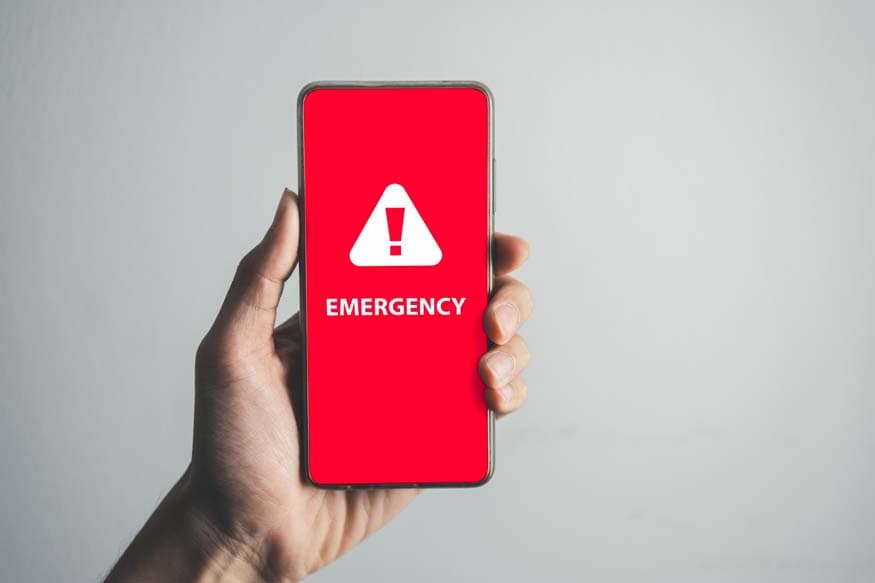
In Turkey, the unified emergency number for all services – including police, ambulance, and fire – is 112. This single number streamlines emergency response and is the primary contact for any urgent situation you may encounter.
While 112 is the primary number, older, specific numbers like 155 for police or 110 for fire might still be recognized but are less efficient than dialing 112. For any immediate danger or medical emergency, always dial 112 first.
It is advisable to save 112 in your phone contacts upon arrival. In case of a language barrier, try to clearly state your location and the nature of the emergency, and if possible, ask a local to assist you with the call.
Source: Turkish Ministry of Interior, General Directorate of Security
Confidence: 0.98
Update Cycle: Infrequently

Tourists should exercise caution with food and water. It is generally recommended to drink bottled water, avoid tap water, and be wary of unpeeled fruits or uncooked vegetables from street vendors to prevent gastrointestinal issues. Ensure all food, especially meat, is thoroughly cooked.
Sun protection is crucial, particularly during the summer months when UV index can be very high. Use high-SPF sunscreen, wear hats and sunglasses, and seek shade during peak sun hours. Staying hydrated by drinking plenty of water is also vital to prevent heatstroke.
Road safety can be a concern, especially in bustling urban centers where traffic can be dense and driving habits aggressive. Pedestrians should exercise extreme caution when crossing streets, and if driving, be aware of local traffic laws and driving styles. Instances of rabies from stray animals exist, so avoid contact with them.
Source: Centers for Disease Control and Prevention (CDC), World Health Organization (WHO), UK Foreign, Commonwealth & Development Office (FCDO)
Confidence: 0.95
Update Cycle: Annually/As needed

For most travelers to Turkey, there are no mandatory vaccination requirements for entry, except for a Yellow Fever certificate if arriving from a country with a risk of Yellow Fever transmission. However, it is always recommended to ensure your routine vaccinations (MMR, DTaP, Polio, Flu) are up-to-date.
Several vaccinations are strongly recommended for most travelers, including Hepatitis A and Typhoid, due to potential exposure through contaminated food or water. These provide crucial protection against common travel-related illnesses.
Depending on your travel plans, duration of stay, and activities, additional vaccinations like Hepatitis B (for longer stays or potential medical exposure), Rabies (for those working with animals or engaging in outdoor activities), and Tetanus (especially if exploring rural areas) might be advised. Consult your doctor or a travel clinic well in advance of your trip.
Source: Centers for Disease Control and Prevention (CDC) Yellow Book, WHO International Travel and Health
Confidence: 0.96
Update Cycle: Annually/As needed
Connectivity & Mobility in turkey
Seamless Coverage with Top Carriers
Mobile connectivity for tourists in Turkey is robust, primarily relying on widespread 4G/LTE (often marketed as 4.5G) networks provided by major carriers such as Turkcell, Vodafone Turkey, and Turk Telekom. These networks offer extensive coverage across urban areas, major tourist destinations, and main transportation routes, ensuring reliable internet access and communication. While physical SIM cards are readily available, eSIM technology is also widely supported by modern devices, offering a convenient alternative for travelers to activate local plans or international roaming solutions without needing to swap physical cards. Prune, for instance, provides eSIM options that leverage these strong local networks.
Source: https://www.btk.gov.tr/elektronik-haberlesme-sektoru-pazar-verileri
Confidence: 0.95
Update Cycle: 3 months

Prepaid SIM Avg Price
For tourists visiting Turkey, the average price for a prepaid SIM card tailored with data, calls, and SMS typically ranges from ₺600 to ₺1000 for packages valid for about 28 days. These packages are offered by major providers like Turkcell, Vodafone Turkey, and Turk Telekom, often including substantial data allowances (e.g., 20GB-50GB) suitable for most travelers' needs. While prices can vary based on the specific bundle and current promotions, this range provides a good estimate for budgeting. For those preferring eSIMs, https://prune.co.in/ often has competitive pricing for eSIM plans that provide instant connectivity upon arrival.
Source: https://www.turkcell.com.tr/en/packages/for-tourists/tourist-welcome-pack
Confidence: 0.9
Update Cycle: 3-6 months

Metro & Transit Coverage
Mobile network coverage in Turkey's major metropolitan areas is exceptionally strong, offering high-quality 4G/LTE (4.5G) connectivity that meets the demands of modern travelers. While 5G technology is being progressively introduced, particularly in key urban centers and for specific applications, 4G/LTE remains the prevalent high-speed standard. Cities such as Istanbul and Ankara benefit from extensive and reliable mobile networks, ensuring seamless communication and internet access within their bustling downtowns, historical sites, and public transportation systems. Similarly, other large urban areas like Izmir and Antalya also feature robust connectivity, providing tourists with excellent network performance throughout their stay.
Source: https://www.btk.gov.tr/elektronik-haberlesme-sektoru-pazar-verileri
Confidence: 0.9
Update Cycle: 3 months

Money & Daily Life in turkey
Currency
The official currency of Turkey is the Turkish Lira (TRY). Banknotes are available in denominations of 5, 10, 20, 50, 100, and 200 Lira. Coins, known as Kuruş, come in 1, 5, 10, 25, and 50 Kuruş, along with a 1 Lira coin. While some tourist-oriented businesses might accept Euros or US Dollars, transactions are typically conducted in Lira, and it's always best to have local currency for daily expenses, especially outside major tourist hubs.
Source: Central Bank of the Republic of Turkey
Confidence: 0.99
Update Cycle: Infrequently

Tipping culture
Tipping is appreciated in Turkey, though not always mandatory. In restaurants, a tip of 5-10% for good service is customary, or you can simply round up the bill. Check your bill first, as some establishments might include a service charge. For taxi drivers, rounding up to the nearest convenient amount is common rather than a percentage tip. Hotel porters typically receive 5-10 TRY per bag, and housekeeping staff might receive 10-20 TRY per night at the end of your stay. Tour guides are often tipped 10-20% of the tour cost or a set amount (e.g., 50-100 TRY per day) depending on the service and duration.
Source: Various travel guides and cultural etiquette resources
Confidence: 0.93
Update Cycle: Annually

Credit cards
Credit cards, primarily Visa and Mastercard, are widely accepted in major cities, tourist areas, large hotels, restaurants, and supermarkets across Turkey. American Express is less commonly accepted. However, for smaller purchases, local markets, street vendors, and establishments in more rural areas, cash is often preferred or the only accepted payment method. It's always wise to carry some Turkish Lira for these situations and as a backup. Inform your bank of your travel plans to prevent any potential card freezes due to unusual international activity.
Source: Major credit card networks (Visa, Mastercard), travel finance advisories
Confidence: 0.94
Update Cycle: Annually

Plug/Voltage
In Turkey, the standard electrical voltage is 230 V, and the frequency is 50 Hz. The power sockets are of Type F, which features two round pins and is also compatible with Type C and Type E plugs. Travelers from countries with different voltage standards (e.g., 110-120V in North America) will need a voltage converter for appliances that are not dual-voltage. Most modern electronic devices such as laptops, phones, and camera chargers are typically dual-voltage and will only require a simple plug adapter to fit into the Turkish outlets.
Source: International Electrotechnical Commission (IEC), WorldStandards.eu
Confidence: 0.99
Update Cycle: Infrequently

Local language(s)
The official language of Turkey is Turkish (Türkçe). While English is commonly spoken in major tourist areas, larger hotels, restaurants, and by younger generations in urban centers, it is less prevalent in more rural regions. Learning a few basic Turkish phrases like 'Merhaba' (Hello), 'Teşekkür ederim' (Thank you), 'Lütfen' (Please), 'Evet' (Yes), and 'Hayır' (No) will be greatly appreciated by locals and can enhance your travel experience. Many signs and menus in tourist zones may also include English translations.
Source: Turkish Ministry of Culture and Tourism, Ethnologue
Confidence: 0.97
Update Cycle: Infrequently

Weather and Seasonal Guide for Turkey

Best time to visit
April to May and September to October
Spring and autumn offer the most pleasant weather for exploring Turkey, with mild temperatures, blooming landscapes in spring, and warm seas in early autumn. Crowds are generally thinner than the peak summer months, making it ideal for sightseeing, hiking, and enjoying outdoor activities without extreme heat.
Avg temp(march)
10°C
March sees temperatures begin to rise, signaling the start of spring. While still cool, especially in the mornings and evenings, the weather becomes more pleasant for exploring cities and historical sites before the crowds arrive.
Source: Go Turkey (goturkey.com)
Confidence: 0.95
Update Cycle: Every 12 months
Pilot Summary
turkey
Turkey offers a captivating blend of East and West, boasting millennia of history, stunning natural beauty from Mediterranean beaches to Cappadocian landscapes, and a vibrant cultural tapestry. It's a land where ancient ruins meet bustling bazaars and delicious cuisine.
Destination
turkey
Category
Eurasia
Languages
Turkish
Special Rules
Visa requirements vary by nationality; many travelers need an e-Visa obtained online prior to arrival. Traffic drives on the right, and modest dress is advised when visiting religious sites.
Average Flight Times from estonia to turkey
Tallinn (TLL)
Lennart Meri Tallinn Airport
Istanbul (IST)
Istanbul Airport
Duration
3 hr 15 min
Flight Type
Direct
Airlines
Turkish Airlines
Tallinn (TLL)
Lennart Meri Tallinn Airport
Antalya (AYT)
Antalya Airport
Duration
3 hr 45 min
Flight Type
Direct
Airlines
SunExpress
Pegasus Airlines
Tallinn (TLL)
Lennart Meri Tallinn Airport
Istanbul (SAW)
Sabiha Gökçen International Airport
Duration
3 hr 15 min
Flight Type
Direct
Airlines
Pegasus Airlines
Tallinn (TLL)
Lennart Meri Tallinn Airport
Ankara (ESB)
Esenboğa International Airport
Duration
5 hr 30 min
Flight Type
1 Stop
Airlines
Turkish Airlines