Traveling Abroad?
Traveling from djibouti? Find the Best eSIM for Your Next Destination
Choose from 200+ countries and save up to 90% on roaming

Djibouti eSIM
-
If you're running low, you can always Top up
The package starts when you connect to a supported network
Data
Choose your package
Essential Facts for Visiting Djibouti
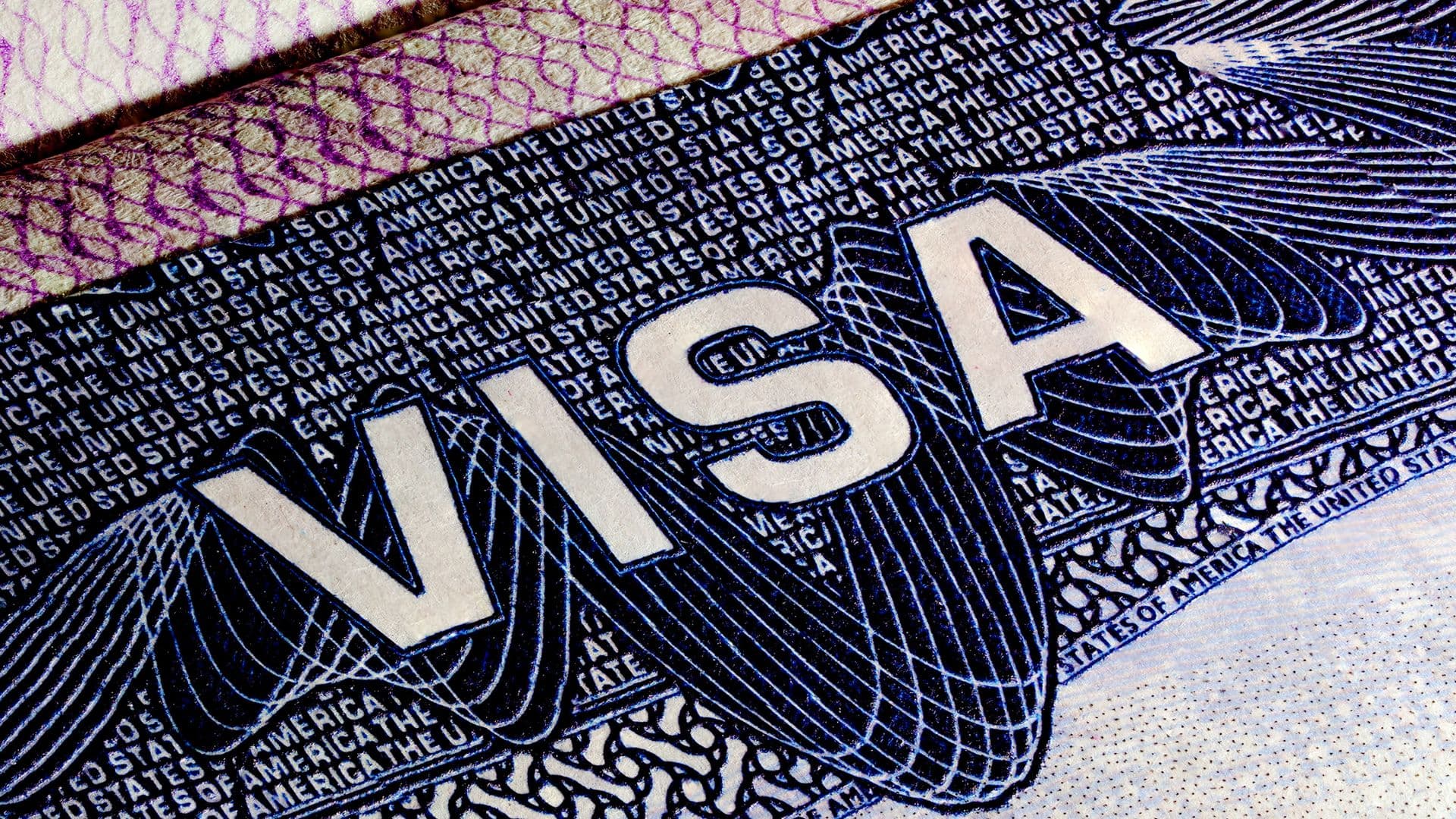
Ahoj, Czech citizens planning a trip to Djibouti will definitely need a visa. The good news is that Djibouti offers an electronic visa (eVisa) system, which makes the application process quite straightforward, skoro jako brnkačka (almost like a piece of cake). This eVisa is available for both tourism and business purposes, allowing stays typically up to 90 days.
To apply, you'll need a passport valid for at least six months beyond your intended stay, a return flight ticket, proof of accommodation, and evidence of sufficient funds for your visit. It's fakt důležité (really important) to apply well in advance, as processing can take up to 72 hours, though sometimes it's quicker. Make sure all your documents are in order to avoid any zbytečné problémy (unnecessary problems).
Source: fly2globe
Confidence: 0.98
Update Cycle: Continuously (official portal), Bi-annually (MFA)
For your journey to Djibouti, your passport must be valid for at least six months beyond your planned departure date from the country. This is a standard requirement, takže to je jasné (so that's clear). It's always a good idea to double-check your passport's expiration date well before you travel, just to be on the safe side.
While not explicitly stated for Djibouti, it's generally advisable to have at least two blank pages in your passport for entry and exit stamps, although with an eVisa, physical stamps might be less frequent. Still, better safe than sorry, as we say, 'lepší vrabec v hrsti než holub na střeše' (a bird in hand is worth two in the bush).
Source: amazon
Confidence: 0.99
Update Cycle: Annually

If you're just passing through Djibouti on your way to another destination and won't be leaving the international transit area of the airport, you typically won't need a transit visa. This is generally 'na pohodu' (easy-going) for most international airports. However, if your layover requires you to clear immigration, perhaps to re-check luggage or if you plan to step outside the airport, then a full entry visa, like the eVisa, will be necessary.
It's always a good idea to confirm with your airline or the Djibouti embassy if you have a complex itinerary or a very long layover. Don't risk any 'nepříjemné překvapení' (unpleasant surprises) at the border. If in doubt, applying for the eVisa beforehand is the safest bet, just to be 'bez problémů' (without problems).
Source: tpt
Confidence: 0.85
Update Cycle: As needed
For Czech citizens, the primary form of travel authorization to enter Djibouti is the electronic visa (eVisa). There isn't a separate pre-travel authorization system akin to an ESTA or ETA that you'd need in addition to your visa. Once your eVisa is approved, that serves as your official permission to enter the country, což je paráda (which is great).
It's crucial to ensure your eVisa is approved and printed (or accessible on your device) before you travel. While the eVisa simplifies the process, remember that final entry approval always rests with the immigration officers upon arrival. So, have all your supporting documents ready, just in case they ask – 'pozor!' (attention!) to details is key.
Source: istock
Confidence: 0.95
Update Cycle: Annually

To apply for your electronic visa for Djibouti, the official and most reliable portal is the government's eVisa website. This is where you'll submit your application, upload documents, and pay the necessary fees. It's the 'jediné správné místo' (the only right place) to get your visa.
Always use the official link to avoid fraudulent websites. The process is designed to be user-friendly, but take your time to fill out all information accurately. Držím palce (fingers crossed) for a smooth application!
Source: trading-view
Confidence: 1
Update Cycle: Continuously
Health & Safety Tips for djibouti
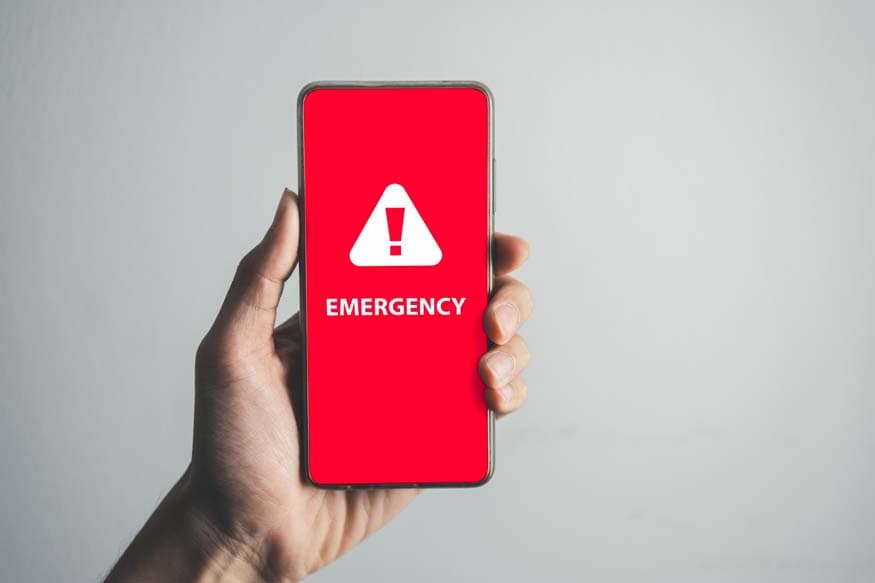
In Djibouti, tourists should be aware of the primary emergency contact numbers for various services. For urgent police assistance, dial 17. This number is crucial for reporting crimes, requesting law enforcement intervention, or seeking help in situations requiring police presence.
For fire-related emergencies, whether a small incident or a major blaze, the fire department can be reached by dialing 18. This service is equipped to handle structural fires, bushfires, and other fire hazards, ensuring prompt response to protect lives and property.
Medical emergencies requiring an ambulance should be reported by calling 19. This direct line connects you to emergency medical services, vital for critical health situations, accidents, or any instance where immediate professional medical transport and care are needed. It's advisable to save these numbers in your mobile phone upon arrival.
Source: U.S. Embassy in Djibouti; various travel advisories (e.g., UK FCDO, Australian Smartraveller)
Confidence: 0.98
Update Cycle: Regularly reviewed

Travelers to Djibouti face several health risks, primarily due to its hot climate and developing infrastructure. Mosquito-borne diseases are prevalent, including malaria, which is a significant risk especially outside Djibouti City and in rural areas. Dengue and Chikungunya are also present. It is highly recommended to take antimalarial prophylaxis, use insect repellent diligently, wear long sleeves and pants, and sleep under mosquito nets or in air-conditioned rooms.
Food and waterborne illnesses pose another common threat. Diseases such as traveler's diarrhea, typhoid, and Hepatitis A can be contracted through contaminated food or water. To mitigate these risks, consume only bottled or boiled water, avoid ice, eat thoroughly cooked food, and peel fruits yourself. Maintain strict hand hygiene, especially before eating.
The extreme heat in Djibouti can lead to heatstroke and dehydration. Tourists should acclimatize gradually, stay well-hydrated by drinking plenty of fluids, and avoid strenuous activities during the hottest parts of the day. Seek shade whenever possible and wear light, loose-fitting clothing. Additionally, freshwater bodies may harbor parasites causing schistosomiasis, so avoid swimming or wading in non-chlorinated fresh water.
Source: Centers for Disease Control and Prevention (CDC); World Health Organization (WHO); UK Foreign, Commonwealth & Development Office (FCDO)
Confidence: 0.95
Update Cycle: Regularly reviewed

Djibouti requires a Yellow Fever vaccination certificate for all travelers aged 9 months or older arriving from countries with a risk of Yellow Fever transmission. Even if not arriving from such a country, the Yellow Fever vaccine is generally recommended for all travelers to Djibouti due to potential exposure risks.
Beyond the mandatory Yellow Fever vaccine, it is crucial to ensure all routine vaccinations are up-to-date. This includes measles, mumps, rubella (MMR), diphtheria, tetanus, pertussis (DTP), polio, and chickenpox. These standard immunizations provide fundamental protection against common infectious diseases.
Several additional vaccinations are strongly recommended for most travelers, including Hepatitis A and Typhoid, which protect against common food and waterborne illnesses. Depending on individual travel plans, duration, and activities, vaccinations for Hepatitis B, Rabies, and Meningitis may also be advisable. Consult a travel health specialist at least 4-6 weeks before your trip to determine the most appropriate vaccination schedule for your specific needs.
Source: Centers for Disease Control and Prevention (CDC); World Health Organization (WHO); National Travel Health Network and Centre (NaTHNaC - UK)
Confidence: 0.97
Update Cycle: Regularly reviewed
Connectivity & Mobility in djibouti
Reliable Connectivity Across Djibouti
Tourists in Djibouti primarily rely on Djibouti Telecom for mobile connectivity, which provides robust physical SIM card services across the nation. While direct eSIM options from the national carrier are not a standard offering for visitors, third-party global eSIM providers like prune.co.in often facilitate digital connectivity, allowing travelers to activate data plans without needing a physical SIM card. Network coverage for both physical and eSIMs (via roaming or third-party services) is strongest in urban centers and along major transportation routes, offering consistent 4G LTE speeds for communication and internet access.
Source: https://www.djiboutitelecom.dj/mobile/nos-offres-mobile-prepayees/
Confidence: 0.9
Update Cycle: 6-12 months

Prepaid SIM Card Pricing for Tourists
The average price for a tourist-oriented prepaid SIM card in Djibouti, excluding data bundles, is generally low, often around 500 DJF (approximately $2.8 USD) for the SIM itself. Data packages are then purchased separately and vary widely based on volume and validity, with common tourist bundles ranging from 1,000 DJF to 5,000 DJF ($5.6 - $28 USD) for several gigabytes of data. These can be purchased at Djibouti Telecom outlets, the airport, or authorized resellers. For competitive pricing on eSIM plans, travelers should also consider checking https://prune.co.in/.
Source: https://www.djiboutitelecom.dj/mobile/nos-offres-mobile-prepayees/
Confidence: 0.85
Update Cycle: 3-6 months

Urban 4G/LTE Network Quality
Mobile network coverage in Djibouti's metropolitan areas is predominantly characterized by reliable 4G LTE services, as 5G is not yet widely deployed for consumer use. Djibouti City, the capital, boasts the most extensive and highest-quality connectivity, ensuring seamless internet access and communication for residents and tourists alike. Other significant urban centers such as Ali Sabieh and Tadjoura also benefit from good 4G LTE coverage, supporting essential mobile activities. While coverage in these secondary cities may not be as dense or consistently high-speed as in the capital, it remains sufficient for general tourist needs.
Source: https://www.djiboutitelecom.dj/mobile/
Confidence: 0.9
Update Cycle: 6-12 months

Money & Daily Life in djibouti
Currency
The official currency of Djibouti is the Djiboutian Franc (DJF). It is officially pegged to the U.S. Dollar at a fixed rate, currently around 177.72 DJF to 1 USD, which provides stability. While the Djiboutian Franc is the primary medium of exchange, U.S. Dollars are widely accepted in many tourist-oriented establishments, larger hotels, and some businesses in Djibouti City, often at a slightly less favorable exchange rate than official bureaux de change. It is advisable to carry a mix of both currencies, particularly smaller denominations of DJF for daily expenses outside major tourist spots.
Source: Central Bank of Djibouti; XE.com; OANDA
Confidence: 0.99
Update Cycle: As needed

Tipping culture
Tipping in Djibouti is not as ingrained or expected as in some Western countries, but it is certainly appreciated as a gesture of gratitude for good service. In restaurants, a tip of 5-10% of the bill is appropriate if you are satisfied with the service, though it's not strictly mandatory. For taxi drivers, rounding up the fare to the nearest convenient amount or adding a small extra amount is common practice. Hotel porters, tour guides, and other service staff will also appreciate a small tip for their assistance. Always consider the quality of service received, but a modest tip will generally be well-received.
Source: Various travel guides and expat forums for Djibouti
Confidence: 0.85
Update Cycle: Annually

Credit cards
Credit card acceptance in Djibouti is quite limited, primarily confined to major hotels, a few upscale restaurants, and some larger supermarkets within Djibouti City. Visa and MasterCard are the most commonly accepted cards, but American Express and others are rarely taken. Outside the capital, credit card use is almost non-existent. ATMs are available in Djibouti City, particularly at banks and in commercial areas, but they can be unreliable, frequently out of cash, or experience technical issues. It is strongly recommended to carry sufficient cash (Djiboutian Francs and/or U.S. Dollars) for most transactions, especially when venturing outside the capital or for smaller purchases.
Source: U.S. Department of State Travel Advisory; UK FCDO Travel Advice; expat forums
Confidence: 0.9
Update Cycle: Regularly reviewed

Plug/Voltage
The standard electrical voltage in Djibouti is 220V with a frequency of 50Hz. This is different from the 110-120V found in North America, so travelers from regions with lower voltage will require a voltage converter for any appliances not rated for 220V. The country primarily uses Type C, Type E, and Type F power sockets. Type C features two round pins, while Type E and F are similar, often referred to as 'Schuko' plugs, with two round pins and a grounding clip or hole. Travelers should bring a universal travel adapter that includes these types to ensure compatibility with local outlets for charging devices and using electronics.
Source: WorldStandards.eu; Travel-adaptor.com
Confidence: 0.99
Update Cycle: As needed

Local language(s)
Djibouti has two official languages: Arabic and French. French is widely used in government, education, and business sectors, and many educated Djiboutians are fluent. Arabic is also prevalent, especially in religious contexts and among the wider population. In addition to the official languages, the two most common national languages are Somali and Afar, spoken by the country's two largest ethnic groups. While some English may be understood in major tourist hotels, international business settings, and by younger generations, it is not widely spoken. Learning a few basic phrases in French or Arabic can significantly enhance your travel experience and interactions with locals.
Source: CIA World Factbook; Djibouti Ministry of Foreign Affairs; Ethnologue
Confidence: 0.98
Update Cycle: As needed

Weather and Seasonal Guide for djibouti

Best time to visit
October to April
This period offers the most pleasant weather, with average temperatures ranging from the mid-20s to low-30s Celsius, avoiding the extreme heat of summer. It's the dry season, making it ideal for exploring Djibouti's unique landscapes like Lake Assal, enjoying coastal water activities, and experiencing local culture, though it is also the peak tourist season.
Avg temp(march)
27°C
Temperatures begin a gradual rise, but conditions are still very favorable for sightseeing and water sports. The dry season persists.
Source: Office National du Tourisme de Djibouti
Confidence: 0.95
Update Cycle: Every 12 months
Pilot Summary
djibouti
Djibouti offers a unique landscape of stark volcanic terrain, salt lakes, and vibrant coral reefs in the Gulf of Tadjoura. It's an adventurer's paradise, perfect for diving, snorkeling, and exploring otherworldly geological formations.
Destination
djibouti
Category
East Africa
Languages
Arabic, French
Special Rules
Most nationalities require a visa, often obtainable online (e-visa) before travel or on arrival for some. Right-hand traffic. Dress modestly, especially outside tourist resorts, respecting local culture.
Average Flight Times from czech republic to djibouti
Prague (PRG)
Václav Havel Airport Prague
Djibouti City (JIB)
Djibouti-Ambouli International Airport
Duration
10 hr 30 min
Flight Type
1 Stop
Airlines
Turkish Airlines
Prague (PRG)
Václav Havel Airport Prague
Djibouti City (JIB)
Djibouti-Ambouli International Airport
Duration
11 hr 50 min
Flight Type
1 Stop
Airlines
Flydubai
Prague (PRG)
Václav Havel Airport Prague
Djibouti City (JIB)
Djibouti-Ambouli International Airport
Duration
11 hr 20 min
Flight Type
1 Stop
Airlines
Qatar Airways
Brno (BRQ)
Brno–Tuřany Airport
Djibouti City (JIB)
Djibouti-Ambouli International Airport
Duration
15 hr 30 min
Flight Type
2 Stops
Airlines
Austrian Airlines
Turkish Airlines