Traveling Abroad?
Traveling from croatia? Find the Best eSIM for Your Next Destination
Choose from 200+ countries and save up to 90% on roaming
Trusted by Millions of Travelers
Instant Activation
Save up to 90% on roaming
Leading Network Partners
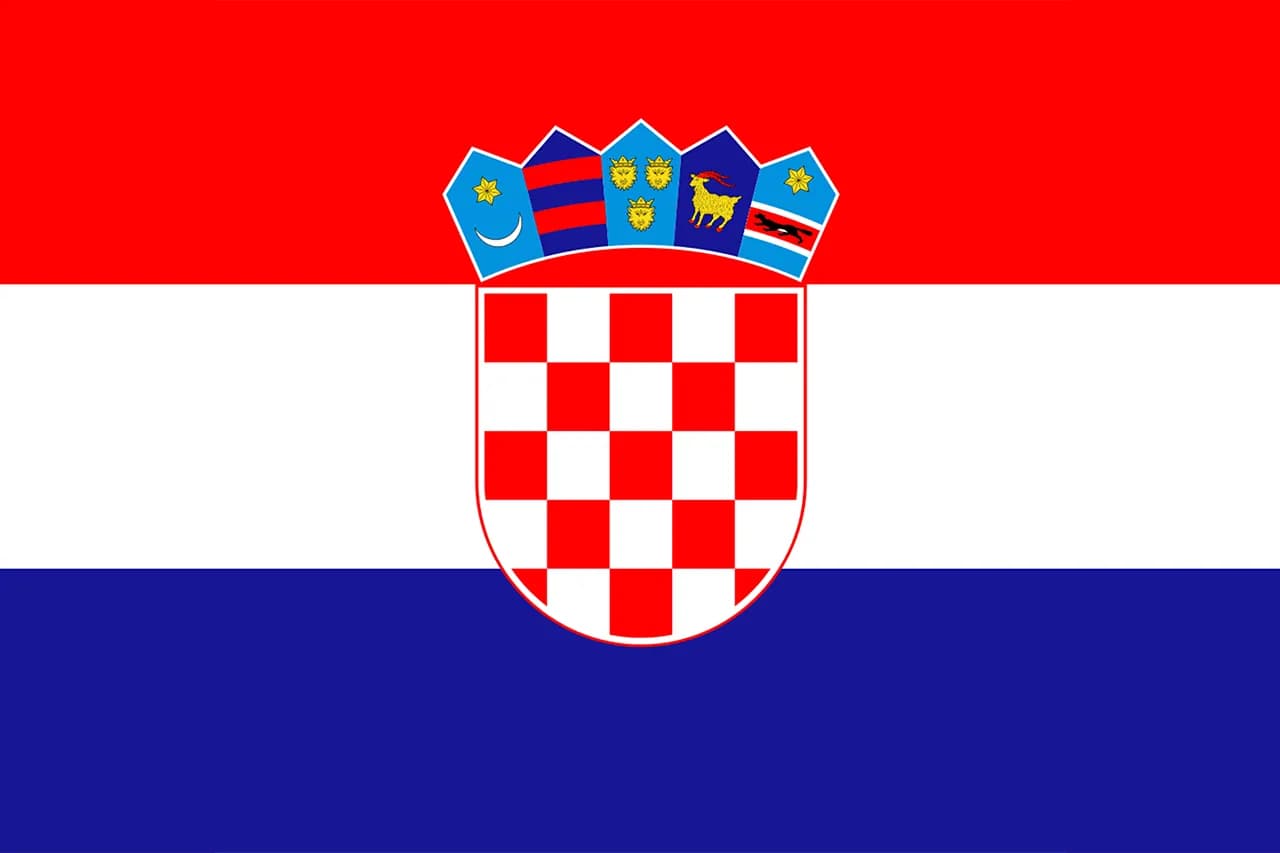
CROATIA eSIM

Telemach/TM LTE
+1 others
If you're running low, you can always Top up
The package starts when you connect to a supported network

Data
Choose your package
7 Days
1 GB
$2.19 USD
15 Days
2 GB
$2.99 USD
30 Days
3 GB
$2.99 USD
5 GB
$6.58 USD
10 GB
$7.68 USD
20 GB
$9.88 USD
Essential Facts for Visiting Croatia

Good news, re file mou! As a citizen of Cyprus, an EU member state, you do not need a visa to enter Croatia for tourism or short stays. Croatia is also a full member of the Schengen Area, meaning travel between Cyprus and Croatia is considered internal EU movement, making things easy peasy for your trip.
You can stay in Croatia for up to 90 days within any 180-day period without needing any special permits or visas. Just make sure you have your valid travel document ready, and you're all set for your Croatian adventure.
Source: fly2globe
Confidence: 1
Update cycle: As needed (EU/Schengen policy changes)
For Cypriot citizens traveling to Croatia, a valid national identity card or passport is sufficient. While the general Schengen rule for non-EU citizens requires a passport valid for at least three months beyond the intended departure date, this specific requirement does not apply to EU citizens.
However, it's always a good idea to ensure your passport or ID card is properly sorted and valid for at least the entire duration of your planned stay, just to be on the safe side. This avoids any unexpected hiccups during your travels.
Source: amazon
Confidence: 0.95
Update cycle: Annually

Since both Cyprus and Croatia are EU member states, and Croatia is part of the Schengen Area, transit rules are pretty straightforward – no fuss at all. If your journey involves a layover in another Schengen country, once you've entered the Schengen zone at your first point of entry, subsequent flights to Croatia are treated as domestic flights.
This means you won't need any separate transit visas, and the process will be like a breeze. Just ensure your travel documents are valid, and you can move freely within the Schengen Area on your way to Croatia.
Source: tpt
Confidence: 1
Update cycle: As needed (Schengen policy changes)
You might have heard about ETIAS (European Travel Information and Authorization System), but there's no need to fret about it, re koumbare. ETIAS is a pre-travel authorization system for visa-exempt non-EU nationals traveling to the Schengen Area. As a Cypriot citizen, you are an EU national.
Therefore, ETIAS does not apply to you. You are exempt from this requirement and can continue to travel to Croatia and other Schengen countries using just your valid passport or national ID card, just like before. Not for us, mate!
Source: istock
Confidence: 1
Update cycle: Annually

Given that Cypriot citizens do not require a visa to enter Croatia, there is no such thing as an eVisa system or a specific link for you to apply for one. The visa-free travel arrangement means you simply arrive with your valid travel document.
So, don't even bother looking for an eVisa link; it simply doesn't exist for EU citizens traveling to Croatia. Your valid Cypriot passport or national ID card is all the 'authorization' you need for your visit.
Source: trading-view
Confidence: 1
Update cycle: As needed
Health & Safety Tips for croatia
In Croatia, the general European emergency number is 112, which connects you to police, fire, and ambulance services. This is the most crucial number for any urgent situation and operators can often assist in English.
For direct services, you can also dial 192 for the Police, 193 for Fire, and 194 for Ambulance. For roadside assistance or mechanical breakdowns, the Croatian Auto Club (HAK) can be reached at 1987, providing invaluable help for travelers exploring by car.
It's advisable to save these numbers in your phone upon arrival. While Croatia is generally safe, knowing these contacts ensures you're prepared for any unforeseen circumstances, from minor incidents to serious emergencies.
Source: Croatian Ministry of Interior, European Emergency Services
Confidence: 1
Update cycle: As needed
Croatia boasts a good standard of medical care, especially in major cities and popular tourist destinations along the coast. Pharmacies are well-stocked and readily available, with many pharmacists able to communicate in English. For minor ailments, they can often provide advice and over-the-counter remedies.
Tap water is generally safe to drink in most parts of Croatia, though bottled water is widely available and recommended for those with sensitive stomachs, particularly in more remote areas or during very hot weather. Be mindful of strong summer sun; use high-SPF sunscreen, wear hats, and stay hydrated to prevent heatstroke and sunburn. Water shoes are highly recommended for rocky beaches to protect against sea urchins.
Mosquitoes are prevalent, especially near coastal areas and freshwater sources during warmer months, so carry insect repellent. Ticks can be found in wooded areas, particularly in rural regions; if exploring nature, check yourself thoroughly after outdoor activities. Always ensure you have adequate travel insurance that covers medical emergencies and potential evacuation.

Source: CDC, WHO, UK FCDO, US State Department
Confidence: 0.95
Update cycle: Annually/As needed
For entry into Croatia, there are typically no mandatory vaccination requirements for international tourists from most countries. However, it is always crucial to ensure your routine vaccinations, such as Measles-Mumps-Rubella (MMR), Diphtheria-Tetanus-Pertussis (DTaP), varicella (chickenpox), polio, and your annual flu shot, are up-to-date according to your national health guidelines.
The Centers for Disease Control and Prevention (CDC) and the World Health Organization (WHO) recommend certain additional vaccinations for travelers, depending on their activities and duration of stay. These often include Hepatitis A and Hepatitis B, especially if you plan to eat outside of major tourist resorts or engage in long-term travel.
For those planning extensive outdoor activities in rural or forested areas, particularly during warmer months, vaccinations against Tick-borne encephalitis might be considered. Rabies vaccination could also be recommended for adventurers engaging in activities that might bring them into contact with animals, such as spelunking. Always consult with your doctor or a travel clinic at least 4-6 weeks before your trip to discuss personalized recommendations based on your itinerary and medical history.

Source: CDC, WHO, Croatian Institute of Public Health
Confidence: 0.95
Update cycle: Annually/As needed
Connectivity & Mobility in croatia
Extensive Network Coverage Across Croatia
Croatia boasts excellent mobile network coverage, particularly in urban centers, along the Adriatic coast, and on major islands, ensuring tourists stay connected. Leading operators like Hrvatski Telekom, A1 Croatia, and Telemach Croatia provide robust 4G/LTE services that are widely available, with 5G expanding rapidly. Whether using a physical SIM or an eSIM (such as those offered by Prune), tourists can expect reliable connectivity for navigation, communication, and internet access throughout their travels, though very remote or mountainous inland areas might have limited signal.
Source: https://www.hakom.hr/hr/karta-pokrivenosti-mobilnih-mreza/2357
Confidence: 0.95
Update Cycle: 12 months

Affordable Prepaid SIM Options
For tourists visiting Croatia, prepaid physical SIM cards are readily available at competitive prices, typically ranging from €10 to €20. These packages often include generous data allowances (e.g., 10GB to 30GB or more) valid for 7 to 30 days, along with local calls and SMS, catering to various travel needs. Major operators like Hrvatski Telekom, A1 Croatia, and Telemach Croatia offer specific tourist-friendly plans that can be purchased at airports, kiosks, and operator stores. For those preferring digital convenience, https://prune.co.in/ often has competitive pricing for eSIM plans.
Source: https://www.hrvatskitelekom.hr/visiting-croatia
Confidence: 0.9
Update Cycle: 6 months

Superior 5G & 4G/LTE in Major Cities
Mobile network coverage in Croatia's major metropolitan areas is exceptionally strong, offering high-speed 4G/LTE and rapidly expanding 5G connectivity. Cities like Zagreb and Split boast comprehensive coverage, ensuring seamless internet access for residents and tourists alike, whether navigating public transport, exploring historical sites, or working remotely. Dubrovnik, Rijeka, and other significant urban centers also benefit from robust 4G/LTE networks, with increasing 5G availability, providing fast and reliable service for all communication and data needs.
Source: https://www.hrvatskitelekom.hr/5g
Confidence: 0.9
Update Cycle: 3 months

Money & Daily Life in croatia
Currency
Since January 1, 2023, the official currency of Croatia is the Euro (€). This replaced the Croatian Kuna (HRK). ATMs are widely available throughout the country, particularly in urban areas and tourist destinations, allowing for easy cash withdrawals. Major banks and exchange offices also provide currency exchange services, but using ATMs often offers better exchange rates. It's always a good idea to inform your bank of your travel plans to avoid any issues with card usage abroad.
Source: European Central Bank, Croatian National Bank
Confidence: 1
Update Cycle: As needed

Tipping culture
Tipping in Croatia is customary and appreciated, though not strictly obligatory, especially for good service. In restaurants and cafes, it's common to round up the bill or leave 5-10% of the total amount. If paying by credit card, it's best to leave a cash tip directly for the server to ensure they receive it. For taxi drivers, rounding up to the nearest Euro is sufficient. For hotel staff like bellhops or housekeepers, a small tip of a few Euros for good service is appropriate. Tour guides might expect a tip of 10-20% of the tour cost, particularly for exceptional service.
Source: Lonely Planet, Rick Steves' Croatia Guide
Confidence: 0.9
Update Cycle: Annually

Credit cards
Credit cards are widely accepted in Croatia, especially in hotels, larger restaurants, supermarkets, and major shops in tourist areas and cities. Visa and Mastercard are the most commonly accepted cards, while American Express and Diners Club may be accepted in fewer establishments. However, smaller cafes, local markets, private accommodations, and some establishments in more rural areas might still prefer or only accept cash. It's always wise to carry some Euros for smaller purchases or when venturing off the beaten path. ATMs are readily available for cash withdrawals.
Source: Major credit card companies, travel forums
Confidence: 0.95
Update Cycle: Annually

Plug/Voltage
In Croatia, the standard voltage is 230V, and the frequency is 50Hz. This is consistent with most of mainland Europe. The power outlets primarily use Type F (Schuko) and Type C plugs, which are characterized by two round pins. Travelers from countries with different voltage standards (e.g., North America, which uses 120V) will require a voltage converter for their appliances. All international visitors will need a travel adapter to fit their device plugs into Croatian outlets, even if their devices are dual voltage compatible.
Source: WorldStandards.eu, International Electrotechnical Commission
Confidence: 1
Update Cycle: Rarely changes

Local language(s)
The official language of Croatia is Croatian (Hrvatski), a South Slavic language. While Croatian is spoken throughout the country, English is widely understood and spoken, especially by younger generations and those working in the tourism sector (hotels, restaurants, tour guides, and shops) in popular tourist destinations such as Dubrovnik, Split, Zagreb, and along the Adriatic coast. In regions like Istria, due to historical ties and proximity, Italian is also commonly understood, and German is often spoken in areas popular with German-speaking tourists. Learning a few basic Croatian phrases like 'Dobar dan' (Good day), 'Hvala' (Thank you), and 'Molim' (Please/You're welcome) will always be appreciated by locals.
Source: Croatian National Tourist Board, linguistic resources
Confidence: 0.95
Update Cycle: As needed

Weather and Seasonal Guide for Croatia

Best time to visit
May to June and September to October
These periods offer ideal weather with pleasant temperatures and fewer crowds compared to peak summer. Spring brings blooming landscapes and comfortable conditions for sightseeing and hiking, while early autumn provides warm sea temperatures perfect for swimming and island hopping, alongside cultural events like grape harvests.
Avg temp(april)
12°C to 17°C
Pleasant spring weather with fewer crowds. Ideal for sightseeing, cycling, and visiting national parks like Plitvice Lakes before the main tourist season. Sea is generally too cold for swimming.
Source: Croatian National Tourist Board
Confidence: 0.95
Update Cycle: Every 12 months
Top Landmarks and Sites in croatia


Dubrovnik Old Town
TYPE
Historical City Center
LOCATION
Dubrovnik
TAGS
History, Culture, Architecture, UNESCO, Coastal
DESCRIPTION
Dubrovnik's Old Town, a UNESCO World Heritage site, is a magnificent walled city on the Adriatic Sea. Its well-preserved medieval fortifications encircle a labyrinth of charming limestone streets, Baroque buildings, and stunning Renaissance architecture. Visitors can walk along the iconic city walls, offering breathtaking panoramic views of the terracotta rooftops and the sparkling azure sea. Inside, attractions like the Stradun, Onofrio's Fountain, Rector's Palace, and the Franciscan Monastery with its ancient pharmacy provide a deep dive into the city's rich history and culture. The city's unique charm and historical significance make it a must-visit destination, offering a journey back in time amidst stunning natural beauty.
Source: https://www.visitdubrovnik.hr/
Confidence: 0.98
Update Cycle: 1 month
Destination Summary
croatia
Croatia captivates visitors with its breathtaking Adriatic coastline, ancient walled cities, and thousands of islands, offering a rich blend of history, natural beauty, and vibrant culture.
CATEGORY
Schengen Europe
LANGUAGES
Croatian
SPECIAL RULES
Schengen rules apply for entry, ETIAS will be required for visa-exempt travelers from 2025. Traffic drives on the right-hand side, and it's important to respect local customs.
>
Average Flight Times from Cyprus to Croatia
Larnaca (LCA)
Larnaca International Airport
Zagreb (ZAG)
Franjo Tuđman Airport Zagreb
Duration
5 hr 45 min
Flight Type
1 Stop
Airlines
Aegean Airlines
Larnaca (LCA)
Larnaca International Airport
Split (SPU)
Split Airport
Duration
6 hr 00 min
Flight Type
1 Stop
Airlines
Aegean Airlines
Paphos (PFO)
Paphos International Airport
Dubrovnik (DBV)
Dubrovnik Airport
Duration
6 hr 45 min
Flight Type
1 Stop
Airlines
Aegean Airlines
Paphos (PFO)
Paphos International Airport
Pula (PUY)
Pula Airport
Duration
7 hr 15 min
Flight Type
1 Stop
Airlines
Austrian Airlines
Events Calendar
Dubrovnik Summer Festival
The Dubrovnik Summer Festival is Croatia's most renowned and oldest cultural event, celebrating drama, music, dance, and opera. For over 70 years, it has transformed the entire city into a vibrant stage, with performances taking place in stunning historical settings like Rector's Palace, Sponza Palace, and Fort Lovrijenac. The festival attracts world-class artists and offers a rich program of classical concerts, contemporary theatre, and traditional folk dances, making it a highlight of the European cultural calendar. It provides a unique opportunity to experience art in an unparalleled historical ambiance under the stars.
Source: https://www.dubrovnik-festival.hr/en/
Confidence: 0.99
Update Cycle: 12 months


Ultra Europe
Ultra Europe is one of the world's premier electronic dance music (EDM) festivals, bringing hundreds of thousands of fans and top international DJs to Split. As part of the global Ultra Music Festival brand, it offers multiple stages, spectacular light shows, and pyrotechnics, creating an electrifying atmosphere. The main festival takes place over three days in Split, often followed by 'Destination Ultra' events on nearby islands like Hvar, Brač, and Vis, making it a week-long celebration of music, sun, and sea. It's a massive draw for young travelers and music enthusiasts seeking an unforgettable party experience.
Source: https://ultraeurope.com/
Confidence: 0.98
Update Cycle: 12 months


Zagreb Advent
Zagreb Advent is a multi-award-winning Christmas market and festive celebration that has been voted the 'Best European Christmas Market' multiple times. The entire city center transforms into a magical winter wonderland with beautifully decorated squares, charming wooden stalls selling handicrafts and traditional delicacies, ice skating rinks, live music, and festive events. From Ban Jelačić Square to Zrinjevac Park and the European Square, each location offers a unique atmosphere. It's a beloved tradition for locals and a major tourist attraction, providing a warm and enchanting experience during the holiday season.
Source: https://www.infozagreb.hr/advent-in-zagreb-5a024220b2246
Confidence: 0.97
Update Cycle: 12 months


Pula Film Festival
The Pula Film Festival is the oldest and most prestigious Croatian film festival, dating back to 1953. Its most iconic feature is the main screening venue: the magnificent ancient Roman amphitheater, Pula Arena, where films are shown under the stars to thousands of spectators. The festival showcases a selection of Croatian and international films, including premieres, and hosts various industry events, workshops, and discussions. It's a unique cinematic experience, combining the magic of film with the awe-inspiring historical backdrop of one of the best-preserved Roman amphitheaters in the world.
Source: https://www.pulafilmfestival.hr/en/
Confidence: 0.98
Update Cycle: 12 months


Why Customers Love Prune?
Instant internet on landing
Get connected the moment your plane touches down. No waiting, no hassle.
Save 80% vs roaming
Keep your travel budget intact with rates that crush traditional roaming fees.
Keep WhatsApp & OTP access
Stay reachable for messages, verifications, and two-factor codes wherever you are.
Works across regions
One eSIM covers multiple countries so you travel without swapping cards.
Setup in 2 minutes
Scan, activate, and go. It's that simple — no store visits needed.
24/7 support
Real humans ready to help you anytime, anywhere in the world.