Traveling Abroad?
Traveling from austria? Find the Best eSIM for Your Next Destination
Choose from 200+ countries and save up to 90% on roaming
Trusted by Millions of Travelers
Instant Activation
Save up to 90% on roaming
Leading Network Partners
Austria eSIM

Drei 5G
+1 others
If you're running low, you can always Top up
The package starts when you connect to a supported network

Data
Choose your package
7 Days
1 GB
$2.19 USD
15 Days
2 GB
$3.29 USD
30 Days
3 GB
$4.38 USD
5 GB
$6.58 USD
10 GB
$7.68 USD
20 GB
$8.78 USD
Essential Facts for Visiting austria
¡Asere, para que no te coja la noche! Como ciudadano cubano, necesitarás una visa Schengen para entrar a Austria, ya que es parte del espacio Schengen. Esto no es un trámite que se resuelva 'por la libre'; es una gestión obligatoria para estancias cortas, ya sea por turismo, visitas familiares o negocios, que no excedan los 90 días en un período de 180 días.
La solicitud de visa se realiza en la embajada o consulado de Austria (o del país Schengen donde vayas a pasar la mayor parte de tu tiempo) en Cuba. Prepárate para presentar documentos como prueba de alojamiento, itinerario de viaje, seguro médico de viaje, y solvencia económica. Es una tremenda gestión, así que empieza con tiempo.
Source: fly2globe
Confidence: 0.98
Update cycle: Regularly reviewed, typically annually or as policy changes
Tu 'libreta' (pasaporte) debe estar en regla, ¡sin chanchullo! Para viajar a Austria y el espacio Schengen, tu pasaporte cubano debe ser válido por al menos tres meses más allá de la fecha prevista de salida del área Schengen. Además, debe haber sido emitido en los últimos 10 años.
Asegúrate de que tu pasaporte tenga al menos dos páginas en blanco para los sellos de entrada y salida. No querrás que te den un 'palo' en el aeropuerto por un detalle así. Es crucial que esté 'al día' y en buen estado para evitar cualquier contratiempo.
Source: amazon
Confidence: 0.99
Update cycle: Stable, reviewed periodically with EU border policy updates

Si tu viaje a Austria es solo una 'escala' para otro destino fuera del espacio Schengen, la cosa se pone un poco diferente. Generalmente, si no sales de la zona de tránsito internacional del aeropuerto, no necesitarías una visa de tránsito. Sin embargo, algunos aeropuertos o itinerarios pueden requerir que pases por inmigración.
Para evitar cualquier 'relajo' o malentendido, es vital verificar con la aerolínea y la embajada austriaca si necesitas una Visa de Tránsito Aeroportuario (ATV) o incluso una visa de corta duración si tu conexión implica cambiar de terminal y salir de la zona de tránsito. ¡Más vale prevenir que lamentar, mi gente!
Source: tpt
Confidence: 0.95
Update cycle: As per EU visa policy changes, typically stable
¡Ojo con esto, que no es para ti! El Sistema Europeo de Información y Autorización de Viajes (ETIAS) es una autorización de viaje que se implementará para ciudadanos de países exentos de visa para el espacio Schengen. Como ciudadano cubano necesitas una visa Schengen, ETIAS 'no va' contigo.
En otras palabras, no tienes que preocuparte por ETIAS porque tu requisito es una visa tradicional. No intentes aplicar para ETIAS, ya que no es el camino correcto para tu situación. Tu 'vuelta' es la solicitud de visa en la embajada, como siempre ha sido.
Source: istock
Confidence: 1
Update cycle: ETIAS implementation is ongoing, but the status for visa-required nationalities is stable
Para los ciudadanos cubanos que necesitan una visa Schengen para Austria, no existe un sistema de 'eVisa' o visa electrónica que puedas solicitar completamente en línea. La solicitud es un proceso más tradicional que requiere la presentación física de documentos.
La 'cosa' es que debes programar una cita en la embajada o consulado de Austria en La Habana, o en el centro de solicitud de visas designado, para entregar tus documentos y, en algunos casos, para una entrevista. No hay un enlace directo para una eVisa para tu caso, así que no te dejes llevar por información errónea.
Source: trading-view
Confidence: 0.98
Update cycle: Stable, as Schengen visa application processes are generally standardized
Health & Safety Tips for austria
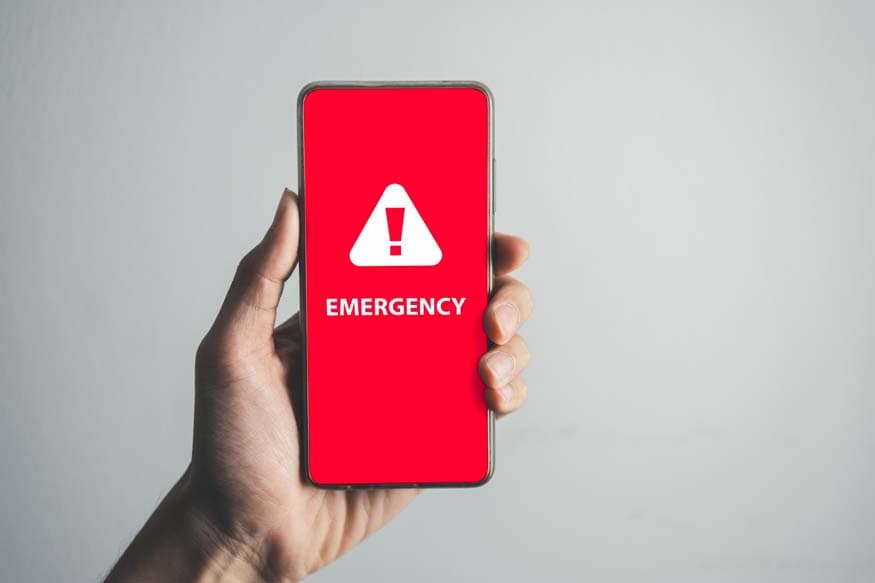
Austria, like all EU member states, utilizes the universal emergency number 112 for police, fire, and ambulance services. This number is accessible from any phone, including mobile phones, free of charge, and operates 24/7. It serves as the primary contact for any critical situation requiring immediate assistance from emergency services.
In addition to the EU-wide 112, Austria also maintains specific direct emergency numbers: 133 for police, 122 for fire, and 144 for ambulance services. Tourists should be aware of these direct lines, especially if they are more comfortable using them or if a specific service is needed. For mountain-related emergencies, the dedicated mountain rescue number is 140.
For non-life-threatening medical issues that require a doctor outside of regular office hours, tourists can call 141 for the general practitioner on-call service (Ärztefunkdienst), which can provide medical advice or arrange a home visit. It's advisable to have comprehensive travel insurance that covers medical emergencies, hospital stays, and potential medical repatriation.
Source: Austrian National Tourist Office, European Union Emergency Services
Confidence: 0.98
Update cycle: Rarely (decades)
Austria boasts a modern and high-quality healthcare system, making it a very safe destination from a health perspective for most international tourists. Tap water is potable throughout the country, and food hygiene standards are excellent in all public establishments. Visitors should feel confident in the general safety of public facilities and food services.
A primary health consideration for tourists, especially those planning outdoor activities in rural or forested areas, is the risk of tick-borne diseases. Tick-borne encephalitis (TBE) is present, particularly from spring to autumn, and a vaccine is highly recommended for those spending significant time outdoors. Lyme disease is also a risk, for which no vaccine exists, so preventive measures like checking for ticks and wearing appropriate clothing are crucial.
Travel insurance is strongly advised for all visitors to Austria, as medical treatment can be expensive without it. While EU citizens benefit from reciprocal healthcare agreements (e.g., EHIC card), non-EU citizens will need comprehensive travel insurance to cover potential medical emergencies, hospital stays, and medical repatriation. Always carry a copy of your insurance details and emergency contact information.

Source: Centers for Disease Control and Prevention (CDC), World Health Organization (WHO), Austrian Ministry of Health
Confidence: 0.95
Update cycle: Annually/As needed
For most international tourists, there are no mandatory vaccination requirements for entry into Austria. However, it is always recommended to ensure that your routine vaccinations, such as Measles-Mumps-Rubella (MMR), Diphtheria-Tetanus-Pertussis (DTaP), polio, and seasonal influenza, are up-to-date according to your national health guidelines.
Travelers planning outdoor activities or extended stays in rural and forested regions, particularly during the warmer months (spring to autumn), should strongly consider vaccination against Tick-borne Encephalitis (TBE). This disease is endemic in parts of Austria, and the vaccine provides effective protection against this viral infection transmitted by ticks.
While not mandatory, vaccinations for Hepatitis A and B are generally recommended for travelers to many destinations, including Austria, especially if there's a possibility of consuming contaminated food or water, or engaging in certain activities. Always consult with your doctor or a travel health clinic at least 4-6 weeks before your trip to discuss personal vaccination needs based on your itinerary and medical history.

Source: Centers for Disease Control and Prevention (CDC), World Health Organization (WHO), Austrian Ministry of Health
Confidence: 0.95
Update cycle: Annually/As needed
Connectivity & Mobility in austria
Extensive Mobile Network Coverage
Austria boasts excellent mobile network coverage across its inhabited areas, primarily provided by the three major carriers: A1, Magenta (T-Mobile Austria), and Drei (Hutchison 3G Austria). These operators offer robust 4G/LTE services almost nationwide, with expanding 5G networks in urban centers and along major transport routes. Tourists can easily acquire physical SIM cards upon arrival, or opt for eSIMs, which provide immediate connectivity without needing a physical swap. eSIMs, including those offered by prune, leverage these established networks, ensuring reliable internet access and call services throughout their stay, from bustling cities to scenic rural regions.
Source: https://www.breitbandatlas.at/mobilfunk/
Confidence: 0.95
Update Cycle: 3-6 months

Affordable Prepaid SIM Options
For tourists visiting Austria, prepaid SIM cards are widely available and generally affordable. Prices for a basic tourist-oriented SIM, which typically includes a few gigabytes of data and some call/SMS credit, range from approximately €10 to €20. These can be purchased at airports, mobile operator stores, supermarkets, and post offices. The initial purchase usually covers a validity period of 30 days, with options to top-up as needed. These plans offer a cost-effective way to stay connected. https://prune.co.in/ often has competitive pricing for eSIM plans.
Source: https://www.a1.net/handys-tarife/b-free-wertkarte
Confidence: 0.9
Update Cycle: 6-12 months

Excellent Urban 5G & 4G/LTE Connectivity
Austria's major metropolitan areas boast excellent 5G and 4G/LTE mobile network coverage, ensuring seamless connectivity for tourists. Cities like Vienna and Salzburg are particularly well-served, with extensive 5G networks available in city centers, public transport hubs, and popular tourist attractions. The 4G/LTE network provides near-ubiquitous coverage within these urban environments, extending to surrounding suburbs and major transit routes, including subways and commuter trains. Even underground sections of the U-Bahn in Vienna typically have good mobile reception, allowing for uninterrupted browsing and communication. This robust infrastructure ensures visitors can easily navigate, share experiences, and stay in touch.
Source: https://www.breitbandatlas.at/mobilfunk/
Confidence: 0.95
Update Cycle: 3-6 months

Money & Daily Life in austria
Currency
Austria uses the Euro (€) as its official currency, consistent with most other member states of the European Union. The Euro is divided into 100 cents, with coins available in denominations from 1 cent to 2 Euros, and banknotes ranging from 5 to 500 Euros. While all Euro denominations are legal tender, 500 Euro notes are rarely accepted in daily transactions, and even 200 Euro notes might be difficult to use for smaller purchases. It's advisable to carry smaller denominations for convenience, especially when shopping at local markets or smaller establishments.
Source: European Central Bank, Austrian National Bank
Confidence: 0.99
Update Cycle: N/A

Tipping culture
Tipping in Austria is customary and a polite way to show appreciation for good service, though it is not mandatory. In restaurants and cafes, it's common to tip between 5-10% of the bill, or simply round up the total to the nearest convenient Euro amount, especially for smaller bills. For exceptional service, a tip closer to 10% is appropriate. When paying with a card, you can often tell the server the total amount you wish to pay, including the tip, before they process the payment. For taxi drivers, rounding up the fare to the nearest Euro is common practice, and for hotel staff such as porters or housekeepers, 1-2 Euros per service or per night is a standard gesture.
Source: Various travel guides and cultural etiquette resources
Confidence: 0.9
Update Cycle: Slowly (decades)

Credit cards
Credit and debit cards, particularly Visa and Mastercard, are widely accepted throughout Austria, especially in larger cities, major hotels, restaurants, department stores, and supermarkets. However, it's important to note that smaller shops, guesthouses, local cafes, and establishments in more rural areas might still operate on a cash-only basis or have minimum spending limits for card payments. American Express and Diners Club are less commonly accepted. All card transactions typically require a PIN, so ensure you know yours. It is always advisable for tourists to carry a modest amount of Euro cash for smaller purchases, public transport, or in situations where card payments might not be an option.
Source: Major credit card companies' travel information, travel forums
Confidence: 0.9
Update Cycle: Periodically (years)

Plug/Voltage
In Austria, the standard voltage is 230 V, and the frequency is 50 Hz. International travelers will need to ensure their electronic devices are compatible with this voltage, or use a voltage converter if their devices operate on a different voltage (e.g., 110-120V in North America). The power outlets predominantly use Type F (Schuko) and Type C plugs. Type F plugs feature two round pins and two earth clips, while Type C plugs have two round pins. Type C plugs can be used in Type F sockets. Therefore, visitors from countries with different plug types will require a travel adapter to charge their devices.
Source: WorldStandards.eu, International Electrotechnical Commission (IEC)
Confidence: 0.99
Update Cycle: Never (fixed standard)

Local language(s)
The official language of Austria is German, specifically Austrian German, which shares many similarities with Standard German but has distinct vocabulary and pronunciations. While it's beneficial to learn a few basic German phrases, English is widely spoken and understood in major tourist areas, hotels, larger cities, and by younger generations across the country. However, in more rural regions or when interacting with older Austrians, English proficiency may be less common. Learning polite German greetings and common phrases will significantly enhance your travel experience and is always appreciated by locals.
Source: Austrian Government, European Commission
Confidence: 0.95
Update Cycle: Never (fixed standard)

Weather and Seasonal Guide for Austria

Best time to visit
May to June and September to October
During these periods, Austria experiences mild and pleasant temperatures, making it ideal for sightseeing, hiking in the Alps, and exploring cities without the intense summer heat or winter cold. Crowds are generally moderate, allowing for a more relaxed travel experience and the enjoyment of blooming landscapes in spring or vibrant autumn foliage.
Avg temp(april)
11°C
Spring fully arrives with blooming flowers and trees. Weather is mild but can be unpredictable with occasional rain. Good for city exploration, hiking in lower regions, and enjoying the awakening landscapes.
Source: Austria.info
Confidence: 0.95
Update Cycle: Every 12 months
Destination Summary
austria
Austria captivates with its majestic Alpine scenery, rich imperial history, and vibrant cultural cities like Vienna, renowned for classical music. It offers a perfect blend of outdoor adventure and profound cultural experiences.
CATEGORY
Schengen Europe
LANGUAGES
German
SPECIAL RULES
Schengen rules apply; ETIAS will be required for visa-exempt visitors from mid-2025. Right-hand traffic is observed, and smoking is prohibited in most public indoor spaces.
>
Average Flight Times from cuba to austria
Havana (HAV)
José Martí International Airport
Vienna (VIE)
Vienna International Airport
Duration
13 hr 45 min
Flight Type
1 Stop
Airlines
Iberia,
Austrian Airlines
Varadero (VRA)
Juan Gualberto Gómez Airport
Vienna (VIE)
Vienna International Airport
Duration
15 hr 20 min
Flight Type
1 Stop
Airlines
Condor,
Lufthansa
Havana (HAV)
José Martí International Airport
Salzburg (SZG)
Salzburg Airport
Duration
15 hr 45 min
Flight Type
1 Stop
Airlines
Lufthansa
Varadero (VRA)
Juan Gualberto Gómez Airport
Innsbruck (INN)
Innsbruck Airport
Duration
19 hr 10 min
Flight Type
2 Stops
Airlines
Condor,
Lufthansa,
Austrian Airlines
Why Customers Love Prune?
Instant internet on landing
Get connected the moment your plane touches down. No waiting, no hassle.
Save 80% vs roaming
Keep your travel budget intact with rates that crush traditional roaming fees.
Keep WhatsApp & OTP access
Stay reachable for messages, verifications, and two-factor codes wherever you are.
Works across regions
One eSIM covers multiple countries so you travel without swapping cards.
Setup in 2 minutes
Scan, activate, and go. It's that simple — no store visits needed.
24/7 support
Real humans ready to help you anytime, anywhere in the world.