Traveling Abroad?
Traveling from japan? Find the Best eSIM for Your Next Destination
Choose from 200+ countries and save up to 90% on roaming
JAPAN eSIM

SoftBank 4G
+2 others
If you're running low, you can always Top up
The package starts when you connect to a supported network

Data
Choose your package
7 Days
1 GB
$4.38 USD
15 Days
2 GB
$5.99 USD
30 Days
3 GB
$7.68 USD
5 GB
$9.99 USD
10 GB
$15.99 USD
20 GB
$22.99 USD
Essential Facts for Visiting japan
想要来一场说走就走的日本之旅?对咱们中国公民来说,去日本旅游可不是像去一些免签国家那样简单,通常是需要提前搞定旅游签证的。这可是个硬核要求,不容小觑。常见的有单次入境和多次入境两种,具体根据你的出行计划和个人资质来申请。
申请流程通常需要通过日本驻华大使馆、领事馆或其指定的旅行社办理。你需要准备一系列材料,比如有效护照、签证申请表、照片、详细的旅行行程、财力证明以及在职证明等。提前规划,备齐材料,才能确保签证顺利到手,避免不必要的麻烦。
Source: fly2globe
Confidence: 1
Update Cycle: Annually or as policy changes occur
你的护照有效期可是出行的关键,马虎不得。日本官方通常要求护照在您计划停留日本期间保持有效。虽然有些国家会要求护照有6个月以上的有效期,但对于日本来说,只要你的护照在整个旅程中都有效,就没问题。不过,为了万无一失,还是建议检查一下,别让护照过期成了你旅途中的‘拦路虎’。
建议在出发前至少半年检查护照有效期,如果发现有效期不足,最好提前更新。毕竟,‘小心驶得万年船’,确保护照万无一失,才能安心享受异国风情。同时,确保护照上有足够的空白页,以备签证和出入境盖章之需。
Source: amazon
Confidence: 0.98
Update Cycle: Stable, but verify before travel

如果你只是打算在东京或大阪的机场转个机,不离开国际转机区域,通常情况下是不需要额外办理日本过境签证的。这对于‘空中飞人’来说,确实省了不少事。但如果你的转机时间很长,或者需要更换机场(比如从成田机场到羽田机场),那就得注意了,你很可能需要办理过境签证才能入境。
所以,在预订机票时,一定要看清楚转机详情。如果行程涉及离开机场国际区域,或者需要在日本境内过夜,那办理一个过境签是必须的,别想着‘蒙混过关’,否则到时候可能会‘卡壳’。提前咨询航空公司或日本领事馆,把这些细节搞定,才能让你的旅程顺顺利利,没有意外。
Source: tpt
Confidence: 0.95
Update Cycle: Stable
和一些国家(比如美国或加拿大)的ESTA或eTA不同,目前日本对咱们中国公民还没有推出类似的电子旅行授权系统。也就是说,你不能指望通过网上简单注册就能入境。想要去日本玩,传统的签证申请程序依然是王道,一步都不能少。
所以,在准备日本行程时,重点还是放在如何顺利申请到日本旅游签证上。别去搜索什么日本的‘电子签’,那容易搞混。老老实实地准备好所有签证材料,通过官方渠道申请,这才是最稳妥的办法,也是保证你‘小确幸’旅程的第一步。
Source: istock
Confidence: 1
Update Cycle: As needed (new systems announced well in advance)

虽然日本正在逐步推行eVisa系统,但对于咱们身处中国大陆的公民来说,目前还不能直接通过个人在线平台申请日本的旅游eVisa。通常情况下,你需要通过日本驻华使领馆指定的旅行社来递交签证申请,这些旅行社可能会以电子方式处理部分申请流程,但这并非咱们理解的‘一站式’个人在线申请。
因此,不要盲目寻找所谓的‘日本eVisa官网’直接申请链接,那可能会让你白费力气。最靠谱的做法是访问日本驻华大使馆或各领事馆的官方网站,查找其认可的签证代理机构名单。通过这些正规渠道办理,才能确保你的签证申请顺利进行,避免上当受骗,让你的日本之行万无一失。
Source: trading-view
Confidence: 0.9
Update Cycle: Evolving, check regularly
Health & Safety Tips for japan
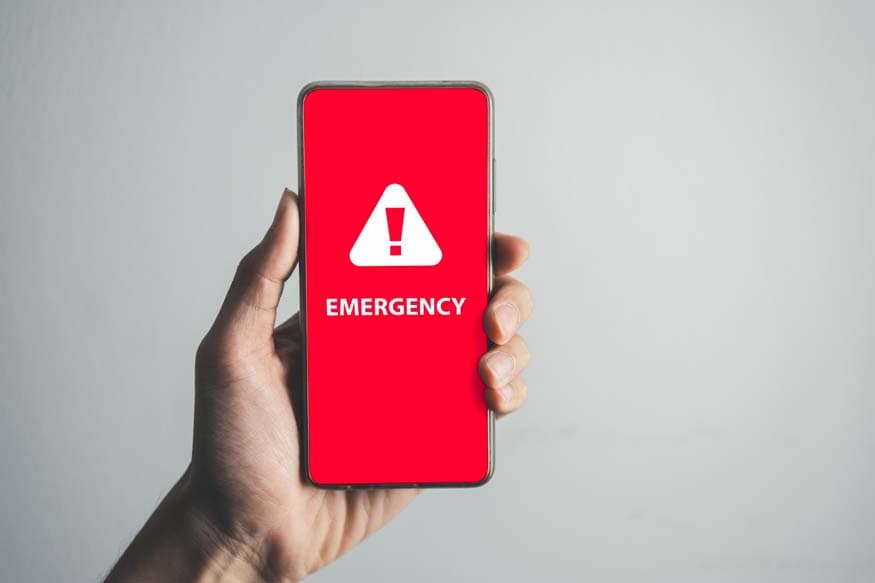
In Japan, the primary emergency numbers are 110 for Police and 119 for Fire or Ambulance services. These numbers can be dialed from any phone, including mobile phones, without requiring an area code. It's crucial to remember these two distinct numbers for the respective emergencies.
When calling, state your emergency clearly and your current location. While some operators, especially in major cities, may speak English, language can be a barrier. If possible, ask a Japanese-speaking local or hotel staff to assist you with the call. For general tourist information and non-emergency assistance, the Japan National Tourism Organization (JNTO) offers a hotline available in multiple languages.
For natural disasters such as earthquakes or tsunamis, which Japan is prone to, local authorities will issue warnings. It is advisable to download the 'Safety tips' app provided by JNTO, which offers emergency alerts and information in multiple languages, including English, to help you stay informed and safe during your visit.
Source: Japan National Tourism Organization (JNTO), US Embassy in Japan
Confidence: 0.98
Update Cycle: Annually

Japan boasts a high standard of public hygiene and excellent medical facilities, particularly in urban centers. Tap water is safe to drink nationwide. However, medical care can be expensive, and many doctors outside of international clinics may not speak English. Comprehensive travel insurance that includes medical coverage and emergency evacuation is highly recommended for all visitors.
Common health concerns for tourists are generally minimal. Be aware of seasonal allergies, especially during spring (pollen season), and the risk of heatstroke during the hot and humid summer months (June-September). Take precautions like staying hydrated, seeking shade, and wearing light clothing. Food safety standards are very high, so foodborne illnesses are rare.
Japan is situated in an active seismic zone and is prone to earthquakes, tsunamis, and typhoons (especially from late summer to autumn). Familiarize yourself with emergency procedures and evacuation routes at your accommodation. The 'Safety tips' app (JNTO) provides real-time alerts for natural disasters, making it an invaluable tool for staying informed and safe.
Source: Centers for Disease Control and Prevention (CDC), World Health Organization (WHO), UK Foreign, Commonwealth & Development Office (FCDO)
Confidence: 0.95
Update Cycle: Annually

For most international travelers, there are no specific vaccinations legally required for entry into Japan. However, it is strongly recommended to ensure your routine vaccinations are up-to-date, including measles, mumps, rubella (MMR), diphtheria-tetanus-pertussis, varicella (chickenpox), polio, and your annual flu shot, as advised by your healthcare provider.
Beyond routine vaccinations, health authorities such as the CDC suggest additional vaccinations based on individual travel plans. These might include Hepatitis A and B, due to potential exposure through contaminated food or water, or certain medical procedures. For travelers spending extended periods in rural areas, especially during specific seasons, Japanese Encephalitis might be considered.
Rabies vaccination is generally recommended only for high-risk travelers, such as those working with animals or engaging in extensive outdoor activities in remote areas. It is always best to consult with your doctor or a travel clinic at least 4-6 weeks before your trip to Japan to discuss personalized vaccination advice based on your itinerary, medical history, and current health advisories.
Source: Centers for Disease Control and Prevention (CDC), World Health Organization (WHO), Ministry of Health, Labour and Welfare of Japan (MHLW)
Confidence: 0.95
Update Cycle: Bi-annually
Connectivity & Mobility in japan
Extensive Network Coverage Across Japan
Japan boasts exceptionally robust 4G LTE coverage, reaching nearly every corner of the country, complemented by a rapidly expanding 5G network primarily concentrated in urban centers and major transportation hubs. Tourists can leverage this advanced infrastructure through both physical SIM cards and convenient eSIMs. Top-tier carriers like NTT Docomo, au, and SoftBank provide the backbone for these services, ensuring reliable connectivity for travelers. Prune offers eSIM solutions that utilize these highly dependable networks, allowing visitors to stay connected effortlessly.
Source: https://www.docomo.ne.jp/english/area/
Confidence: 0.95
Update Cycle: 3-6 months

Prepaid SIM Card & eSIM Pricing
The average price for tourist-oriented SIM cards in Japan varies significantly based on data allowance and validity period, typically ranging from JPY 2,000 to JPY 5,000 (approximately USD 13-33) for plans offering 7 to 30 days of service with substantial data. These options are available from major carriers and at airports, catering to different travel needs. eSIMs are also a popular choice, providing similar or often more competitive pricing and the added convenience of online activation before arrival. https://prune.co.in/ often has competitive pricing for eSIM plans.
Source: https://www.docomo.ne.jp/english/service/welcome_sim/
Confidence: 0.9
Update Cycle: 6-12 months

Excellent Urban & Transit Connectivity
Japan's major metropolitan areas, including Tokyo, Osaka, and Nagoya, offer outstanding 5G and 4G/LTE mobile network coverage. This high-quality connectivity extends seamlessly into complex urban environments, encompassing most underground subway lines, major JR train routes, and the Shinkansen (bullet train) network. Travelers can expect reliable service even while commuting or exploring dense city centers, with continuous efforts by carriers to further enhance coverage in tunnels and station platforms, ensuring an uninterrupted mobile experience.
Source: https://www.docomo.ne.jp/english/area/
Confidence: 0.95
Update Cycle: 1-3 months

Money & Daily Life in japan
Currency
The official currency of Japan is the Japanese Yen (JPY, symbol ¥). It comes in banknotes of ¥1,000, ¥2,000 (rare), ¥5,000, and ¥10,000, and coins of ¥1, ¥5, ¥10, ¥50, ¥100, and ¥500. While credit card acceptance is increasing, Japan remains a predominantly cash-based society, especially for smaller purchases, local restaurants, and some smaller ryokans or shops outside major urban centers. It's advisable to carry a sufficient amount of cash for daily expenses. Currency exchange services are available at international airports, major banks, and some large hotels. For cash withdrawals, ATMs at 7-Eleven, Lawson, FamilyMart convenience stores, and Japan Post Bank are the most reliable for international cards.
Source: Japan National Tourism Organization (JNTO), major financial news outlets
Confidence: 0.98
Update Cycle: As needed

Tipping culture
Tipping is generally not customary in Japan and can often be considered unnecessary or even rude. The Japanese culture emphasizes that excellent service is a standard expectation and not something to be incentivized with extra payment. If you attempt to leave a tip, staff may politely refuse it or even chase after you to return the money, believing you've forgotten it. Instead of tipping, a sincere 'Arigato gozaimasu' (thank you very much) is the most appropriate and appreciated gesture for good service. In high-end establishments, a service charge may already be included in your bill, so there's no need for additional gratuity. For truly exceptional service, a small, thoughtful gift (omiyage) from your home country might be considered in very specific, personal contexts, but never cash.
Source: Various cultural etiquette guides, reputable travel blogs
Confidence: 0.95
Update Cycle: Stable

Credit cards
Credit card acceptance in Japan has significantly improved, especially in major cities, large department stores, hotels, and chain restaurants. Visa and Mastercard are the most widely accepted, followed by American Express and JCB. However, many smaller businesses, traditional inns (ryokans), local eateries, and some tourist attractions, particularly outside metropolitan areas, may still operate on a cash-only basis. It is crucial to always carry some cash for these situations. ATMs that accept international credit and debit cards are readily available at 7-Eleven, Lawson, and FamilyMart convenience stores, as well as at Japan Post Bank locations. Bank ATMs often do not accept foreign cards. Consider using a prepaid IC card like Suica or Pasmo for convenient travel on public transport and small purchases at compatible vendors.
Source: Japan National Tourism Organization (JNTO), travel finance advice sites
Confidence: 0.95
Update Cycle: Bi-annually

Plug/Voltage
Japan uses Type A (two flat parallel pins) and Type B (two flat parallel pins with a round grounding pin) electrical outlets, with Type A being the most common. The standard voltage is 100V, which is lower than most other countries. The frequency is 50 Hz in Eastern Japan (including Tokyo, Hokkaido, Tohoku) and 60 Hz in Western Japan (including Osaka, Kyoto, Nagoya, Hiroshima). Most modern electronics (laptops, phone chargers, cameras) are designed to be dual voltage (typically 100-240V) and will only require a Type A or B plug adapter to function safely. Always check your device's charger for 'INPUT: 100-240V, 50/60Hz'. If your device is not dual voltage and only operates at a higher voltage (e.g., 220-240V), you will need a step-down voltage converter in addition to a plug adapter to avoid damaging your appliance.
Source: International Electrotechnical Commission (IEC), travel adapter guides
Confidence: 0.98
Update Cycle: Stable

Local language(s)
The official and primary language of Japan is Japanese (日本語 - Nihongo). While English proficiency is increasing, particularly among younger generations and in major tourist hubs like Tokyo, Kyoto, and Osaka, it is not universally spoken. You will find English-speaking staff in international airports, larger hotels, and some major tourist attractions. However, outside these areas, in local shops, traditional restaurants, or rural regions, English speakers are less common. Learning a few basic Japanese phrases like 'Arigato gozaimasu' (Thank you), 'Sumimasen' (Excuse me/Sorry), 'Konnichiwa' (Hello), and 'Eigo ga hanasemasu ka?' (Do you speak English?) will be greatly appreciated and can significantly enhance your interactions. Smartphone translation apps with offline capabilities and camera translation features (e.g., Google Translate, DeepL) are highly recommended tools for navigating daily life and communicating effectively.
Source: Japan National Tourism Organization (JNTO), various language learning resources
Confidence: 0.95
Update Cycle: Stable

Weather and Seasonal Guide for Japan

Best time to visit
March to May and September to November
Spring (March to May) offers mild temperatures, vibrant cherry blossoms, and numerous festivals, though popular spots can be crowded. Autumn (September to November) provides crisp, clear weather with stunning fall foliage, making it ideal for sightseeing and outdoor activities with generally fewer crowds than spring.
Avg temp(march)
9°C
Transition to spring, with rising temperatures. Cherry blossoms (sakura) start blooming in late March in warmer regions. Ideal for sightseeing before peak crowds.
Source: Japan National Tourism Organization (JNTO)
Confidence: 0.95
Update Cycle: Every 12 months
Pilot Summary
japan
Japan is a captivating island nation where ancient traditions harmoniously blend with cutting-edge modernity. Tourists can explore vibrant cities, serene temples, stunning natural landscapes, and unique cultural experiences.
Destination
japan
Category
East Asia
Languages
Japanese
Special Rules
Visa-free entry for many nationalities for short stays (check specific requirements); no electronic travel authorization currently required. Tipping is not customary; right-hand traffic.
Average Flight Times from China to Japan
Beijing (PEK)
Beijing Capital International Airport
Tokyo (NRT)
Narita International Airport
Duration
3 hr 30 min - 4 hr
Flight Type
Direct
Airlines
Air China
ANA
Japan Airlines
Shanghai (PVG)
Shanghai Pudong International Airport
Osaka (KIX)
Kansai International Airport
Duration
2 hr 30 min - 3 hr
Flight Type
Direct
Airlines
China Eastern Airlines
ANA
Japan Airlines
Spring Airlines
Guangzhou (CAN)
Guangzhou Baiyun International Airport
Tokyo (NRT)
Narita International Airport
Duration
4 hr - 4 hr 30 min
Flight Type
Direct
Airlines
China Southern Airlines
Japan Airlines
ANA
Shenzhen (SZX)
Shenzhen Bao'an International Airport
Tokyo (NRT)
Narita International Airport
Duration
4 hr - 4 hr 30 min
Flight Type
Direct
Airlines
Shenzhen Airlines
ANA
Air China