Traveling Abroad?
Traveling from belarus? Find the Best eSIM for Your Next Destination
Choose from 200+ countries and save up to 90% on roaming
Trusted by Millions of Travelers
Instant Activation
Save up to 90% on roaming
Leading Network Partners
Belarus eSIM

Velcom LTE
+1 others
If you're running low, you can always Top up
The package starts when you connect to a supported network

Data
Choose your package
7 Days
1 GB
$12.99 USD
15 Days
2 GB
$24.99 USD
30 Days
3 GB
$37.99 USD
Essential Facts for Visiting belarus
Ah, for our friends from Druk Yul, a visa is indeed a must-have, la, before embarking on a journey to Belarus. It's not a place where you can just show up at the border without prior arrangements, so planning ahead is key for a smooth trip.
Bhutanese citizens are required to obtain a visa from a Belarusian embassy or consulate, typically the Embassy of Belarus in India, which handles applications for our region. This involves submitting a completed application form, a valid passport, recent photographs, and supporting documents like an invitation letter, travel insurance, and proof of sufficient funds for your stay.
Source: fly2globe
Confidence: 0.95
Update cycle: Annually or as regulations change
It's important, la, that your Bhutanese passport holds its strength for your travels. For entry into Belarus, your passport must be valid for at least three months beyond your planned departure date from the country.
This ensures you have ample time should any unforeseen circumstances extend your stay. Always double-check the expiry date well in advance of your trip to avoid any last-minute worries, a good practice for any journey from our peaceful kingdom.
Source: amazon
Confidence: 0.95
Update cycle: Annually or as regulations change
If your journey involves merely passing through Belarus to another destination, a transit visa (Type B) is generally required for Bhutanese citizens, la. This visa allows for a stay of up to two days from your entry date, specifically for transit purposes.
Do remember that the 30-day visa-free regime for air travelers at Minsk National Airport does not apply to citizens of Bhutan, so even for a short layover, securing the appropriate transit visa beforehand is a wise move to ensure a smooth passage.
Source: tpt
Confidence: 0.95
Update cycle: Annually or as regulations change
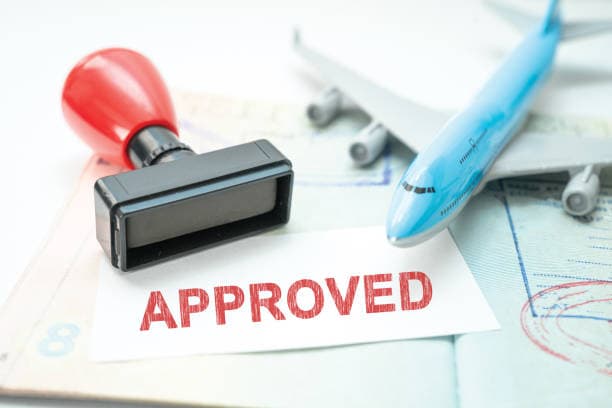
For our Bhutanese travelers, Belarus does not currently operate an Electronic Travel Authorization (ETA) system akin to what some other countries use, la. Entry is primarily governed by the traditional visa application process.
Therefore, instead of looking for an ETA, your focus should be on obtaining the correct type of visa – be it tourist, business, or transit – from a Belarusian diplomatic mission before your departure from Druk Yul.
Source: istock
Confidence: 0.9
Update cycle: Annually or as regulations change
While Belarus does offer an eVisa option for citizens of certain countries, particularly those eligible for the 30-day visa-free regime via Minsk National Airport, this facility is not extended to citizens of Bhutan, la.
Therefore, there isn't a direct eVisa application link for Bhutanese travelers. You will need to apply for a traditional visa through the Embassy of Belarus responsible for your region, such as the one in India, following their specific application procedures.
Source: trading-view
Confidence: 0.9
Update cycle: Annually or as regulations change
Health & Safety Tips for belarus
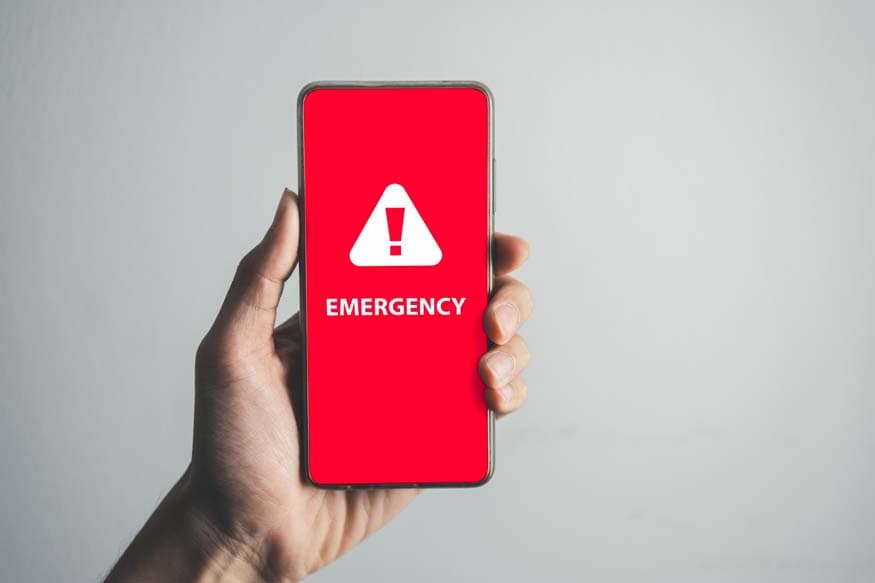
For immediate assistance in Belarus, it is crucial to be aware of the standard emergency numbers. Dial 101 for the Fire Department, 102 for the Police, and 103 for Medical Emergency Services (Ambulance). These numbers connect directly to the respective services and are operational nationwide.
In addition to the primary numbers, 104 can be used for gas emergencies. For mobile phone users, the pan-European emergency number 112 often functions as a general emergency line, redirecting to the appropriate service, though it's always best to know the direct numbers as well.
Tourists should keep these numbers readily accessible and consider having a local SIM card for easier communication. While some operators may have limited English proficiency, clearly stating the nature of the emergency and location will be paramount. It's also advisable to save the contact details of your embassy or consulate.
Source: U.S. Embassy in Belarus, various travel guides
Confidence: 0.98
Update cycle: Annually
Medical facilities in major Belarusian cities are generally adequate for routine care, but may not meet Western European or North American standards, especially outside of Minsk. Private clinics offer better quality services but can be significantly more expensive. Comprehensive travel medical insurance that includes evacuation is strongly recommended for all visitors.
Travelers should be mindful of common health issues such as stomach upsets; it is often advisable to drink bottled water, even though tap water in cities is generally considered safe. For those engaging in outdoor activities, particularly in forested areas from spring to autumn, there is a risk of tick-borne diseases like Lyme disease and Tick-borne Encephalitis. Take precautions such as wearing long sleeves and using insect repellent.
Rabies is present in Belarus, so avoid contact with stray animals. Ensure all routine vaccinations are up to date before travel. If you require specific prescription medications, carry them in their original packaging with a doctor's note or prescription, as availability of certain drugs can be limited or subject to different regulations.

Source: Centers for Disease Control and Prevention (CDC), UK Foreign, Commonwealth & Development Office (FCDO)
Confidence: 0.93
Update cycle: Semi-annually
There are typically no mandatory vaccinations required for entry into Belarus for most international travelers, beyond ensuring your routine immunizations are up-to-date. It is crucial to confirm that standard vaccinations such as Measles-Mumps-Rubella (MMR), Diphtheria-Tetanus-Pertussis (DTP), Polio, and Varicella (chickenpox) are current according to your national health guidelines.
Several vaccinations are highly recommended based on individual travel plans and activities. These include Hepatitis A and B, which can be contracted through contaminated food/water or bodily fluids, respectively. For those planning extensive outdoor activities, especially in rural or forested regions, consider vaccinations for Tick-borne Encephalitis and Rabies due to the presence of these diseases in animal populations.
Always consult with a healthcare professional or a travel clinic at least 4-6 weeks before your trip to Belarus. They can provide personalized advice based on your medical history, specific itinerary, and the most current health situation. Additionally, check official government travel advisories for any updated health or vaccination requirements related to entry, particularly concerning global health events.

Source: World Health Organization (WHO), CDC Travel Health Notices
Confidence: 0.94
Update cycle: Quarterly
Connectivity & Mobility in belarus
Seamless Coverage with Top Carriers
Belarus offers robust mobile network coverage, with leading carriers like A1, MTS, and life:) providing extensive 4G/LTE services across the country, particularly in urban and populated areas. While 5G is still in its nascent stages, primarily confined to specific zones within Minsk, tourists can rely on strong 4G/LTE for seamless internet access and communication. Both physical SIM cards and eSIM options are available, with eSIMs offering a convenient digital alternative for travelers, including those provided by services like Prune, ensuring easy activation and connectivity upon arrival.
Source: https://www.a1.by/ru/private/support/coverage-map
Confidence: 0.9
Update Cycle: 3-6 months

Prepaid SIM Avg Price
For tourists visiting Belarus, prepaid SIM cards are readily available from major operators, offering a cost-effective way to stay connected. A basic tourist-oriented SIM package, typically including a generous amount of data, calls, and SMS, generally ranges from 15 to 30 Belarusian Rubles (BYN), which equates to approximately 5-10 USD, depending on the chosen plan and operator. These plans are usually valid for 15 to 30 days. Tourists can purchase these SIMs at official operator stores, kiosks, and sometimes at the airport. https://prune.co.in/ often has competitive pricing for eSIM plans.
Source: https://www.a1.by/ru/private/tariffs/welcome
Confidence: 0.85
Update Cycle: 6-12 months

Metro & Transit Coverage
Mobile network coverage in Belarus's metropolitan areas is generally excellent, with strong 4G/LTE services readily available across all major cities. Cities like Minsk and Brest boast particularly high-quality connectivity, ensuring fast and reliable internet access for both residents and tourists. While 5G deployment is currently concentrated in specific central districts of Minsk, providing ultra-fast speeds in those zones, the pervasive 4G/LTE network in urban centers such as Grodno and Vitebsk ensures that visitors can easily navigate, communicate, and access online services without interruption.
Source: https://www.a1.by/ru/private/support/coverage-map
Confidence: 0.9
Update Cycle: 3-6 months
Money & Daily Life in belarus
Currency
The official currency of Belarus is the Belarusian Ruble (BYN). It is typically abbreviated as 'Br'. While some larger tourist-oriented establishments in Minsk might unofficially accept euros or US dollars, all legal transactions must be conducted in BYN. It is advisable to exchange foreign currency at official banks or licensed exchange offices, which are widely available in urban areas. Avoid unauthorized street exchanges.
Source: National Bank of the Republic of Belarus, International Monetary Fund (IMF)
Confidence: 0.99
Update Cycle: Annually

Tipping culture
Tipping in Belarus is not as deeply ingrained as in some Western countries, but it is appreciated for good service. In restaurants, a tip of 5-10% of the total bill is customary if a service charge has not already been included; always check your bill carefully. For taxi drivers, it's common to round up the fare to the nearest convenient amount rather than calculating a percentage. Small gratuities for hotel staff, such as porters or housekeepers, are also a kind gesture and appreciated for their services.
Source: Various travel forums and expat guides for Belarus
Confidence: 0.91
Update Cycle: Bi-annually

Credit cards
Major credit and debit cards, such as Visa and MasterCard, are widely accepted in larger cities across Belarus, especially in hotels, supermarkets, and upscale restaurants. However, their acceptance can be limited in smaller towns, rural areas, and at local markets, where cash remains the predominant form of payment. ATMs are readily available in urban centers for withdrawing Belarusian Rubles. It is crucial to inform your bank of your travel plans to prevent card suspension due to unusual activity. Be aware that international sanctions against Belarus may impact the functionality of certain financial services, so always carry sufficient cash as a backup.
Source: U.S. Department of State, financial institution travel advisories
Confidence: 0.9
Update Cycle: Quarterly

Plug/Voltage
In Belarus, the standard voltage is 220 V, and the frequency is 50 Hz. Travelers will primarily encounter power sockets of Type C and Type F. Type C plugs have two round pins, while Type F plugs (also known as 'Schuko') have two round pins with two earth clips on the side. If your devices operate on a different voltage (e.g., 100V-120V in North America or Japan), you will need a voltage converter in addition to a plug adapter to avoid damaging your electronics.
Source: WorldStandards.eu, International Electrotechnical Commission (IEC)
Confidence: 0.97
Update Cycle: Annually

Local language(s)
The two official languages of Belarus are Belarusian and Russian. While Belarusian is the national language, Russian is far more widely spoken and understood, especially in urban areas and for most official communications. Many Belarusians use Russian as their primary language in daily life. English proficiency is generally limited outside of major tourist hubs, international hotels, and among younger generations in larger cities. Learning a few basic phrases in Russian or Belarusian, or utilizing a translation app, will significantly enhance your travel experience and interactions with locals.
Source: Government of Belarus official websites, UNESCO
Confidence: 0.96
Update Cycle: Bi-annually

Weather and Seasonal Guide for Belarus
Best time to visit
May to September
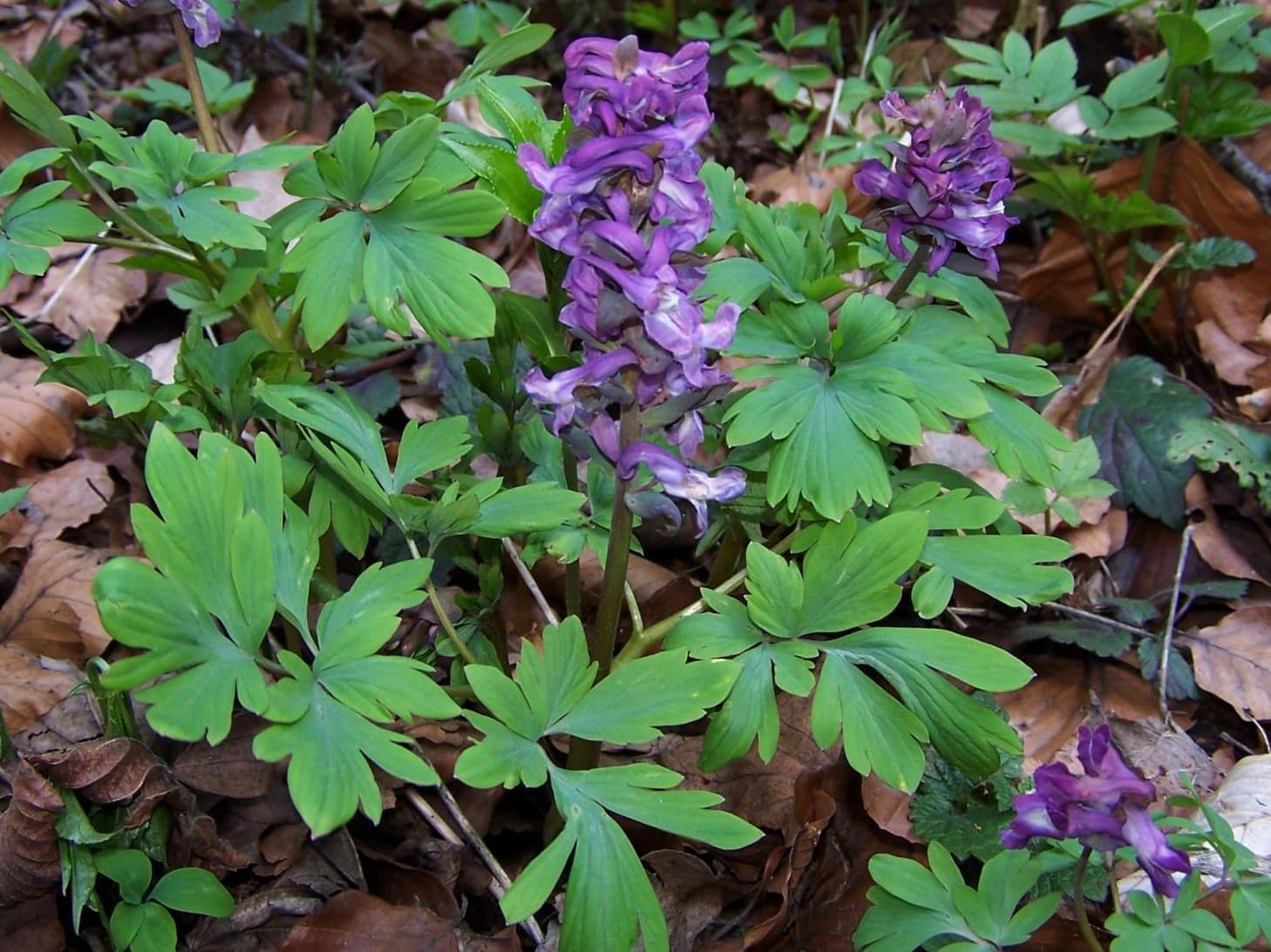
This period offers the warmest and most pleasant weather for exploring Belarus. Late spring (May-June) brings blooming landscapes and comfortable temperatures, while early autumn (September) showcases beautiful fall foliage. Summer (July-August) is ideal for outdoor activities, though it can be warmer. Crowds are generally moderate across these months.
Avg temp(april)
9°C
Spring truly arrives in April with trees budding and flowers beginning to bloom. The weather is pleasant for sightseeing, but layers are recommended as evenings can still be cool. Easter often falls in this month.
Source: Ministry of Sports and Tourism of the Republic of Belarus
Confidence: 0.9
Update Cycle: Every 12 months
Destination Summary
belarus
Belarus, a landlocked Eastern European country, offers a unique blend of historical sites, vast forests, and Soviet-era architecture. It's known for its rich cultural heritage, serene nature reserves, and vibrant capital, Minsk.
CATEGORY
Eastern Europe
LANGUAGES
Belarusian, Russian
SPECIAL RULES
Visa-free entry for up to 30 days via Minsk National Airport (MSQ) for many nationalities (including EU, USA, Canada, UK) when arriving/departing by air and not flying to/from Russia; otherwise, a visa is generally required. Mandatory health insurance is required for foreign visitors. Registration with local authorities is compulsory for stays exceeding 5 working days. Right-hand traffic is observed.
>
Average Flight Times from bhutan to belarus
Paro (PBH)
Paro International Airport
Minsk (MSQ)
Minsk National Airport
Duration
20 hr 30 min
Flight Type
2 Stops
Airlines
Drukair,
Turkish Airlines
Paro (PBH)
Paro International Airport
Minsk (MSQ)
Minsk National Airport
Duration
24 hr 50 min
Flight Type
2 Stops
Airlines
Drukair,
Emirates,
Flydubai
Paro (PBH)
Paro International Airport
Minsk (MSQ)
Minsk National Airport
Duration
21 hr 15 min
Flight Type
2 Stops
Airlines
Drukair,
Qatar Airways
Paro (PBH)
Paro International Airport
Minsk (MSQ)
Minsk National Airport
Duration
22 hr 40 min
Flight Type
2 Stops
Airlines
Drukair,
Etihad Airways,
Belavia
Why Customers Love Prune?
Instant internet on landing
Get connected the moment your plane touches down. No waiting, no hassle.
Save 80% vs roaming
Keep your travel budget intact with rates that crush traditional roaming fees.
Keep WhatsApp & OTP access
Stay reachable for messages, verifications, and two-factor codes wherever you are.
Works across regions
One eSIM covers multiple countries so you travel without swapping cards.
Setup in 2 minutes
Scan, activate, and go. It's that simple — no store visits needed.
24/7 support
Real humans ready to help you anytime, anywhere in the world.