Traveling Abroad?
Traveling from cuba? Find the Best eSIM for Your Next Destination
Choose from 200+ countries and save up to 90% on roaming

Cuba eSIM
-
If you're running low, you can always Top up
The package starts when you connect to a supported network
Data
Choose your package
Essential Facts for Visiting cuba
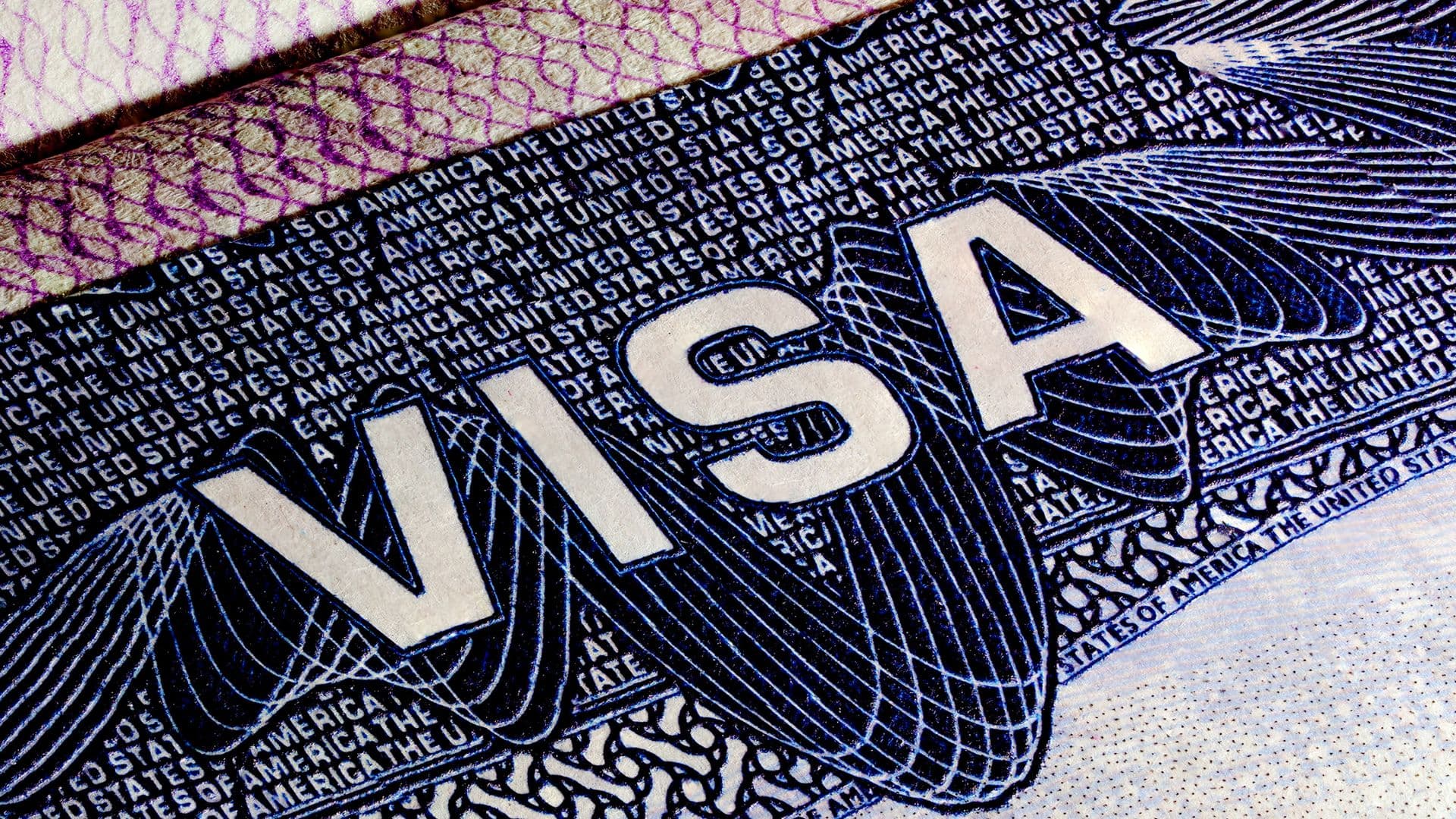
For Bangladeshi citizens, a Tourist Card (Tarjeta del Turista) is generally required to enter Cuba for tourism purposes. This isn't a traditional visa stamp in your passport but a separate physical document. You can typically obtain it from the Cuban Embassy in India (which often covers Bangladesh) or through authorized travel agencies.
The Tourist Card is usually valid for a stay of up to 30 days and can often be extended once you are in Cuba. While it might seem 'ektu jhamela' (a bit of a hassle) to get, ensuring you have this document sorted before you travel is key. Tension nai, just follow the steps!
Source: fly2globe
Confidence: 0.95
Update Cycle: Annually
Your Bangladeshi passport must be in tip-top shape, 'thik moto' (properly) valid, for your Cuban adventure. The general rule of thumb is that your passport should be valid for at least six months beyond your intended period of stay in Cuba.
It's always a good idea to double-check this requirement well in advance of your travel dates. Don't let an expiring passport ruin your plans; 'dekhe shune' (carefully) ensure it meets the validity criteria before booking anything.
Source: amazon
Confidence: 0.9
Update Cycle: Annually
If you're just passing through Cuba, perhaps on a connecting flight, and plan to remain within the international transit area of the airport without officially entering the country, a specific transit visa might not be required. This often depends on your airline and the duration of your layover.
However, if you intend to leave the airport, even for a short 'ektu ghurte' (to roam a bit) or if your layover is extended, you will need a Tourist Card. It's always best to confirm with your airline and the Cuban Embassy regarding specific transit regulations for Bangladeshi citizens, especially if it's 'shudhu jaoa asha' (just coming and going).
Source: tpt
Confidence: 0.85
Update Cycle: As needed
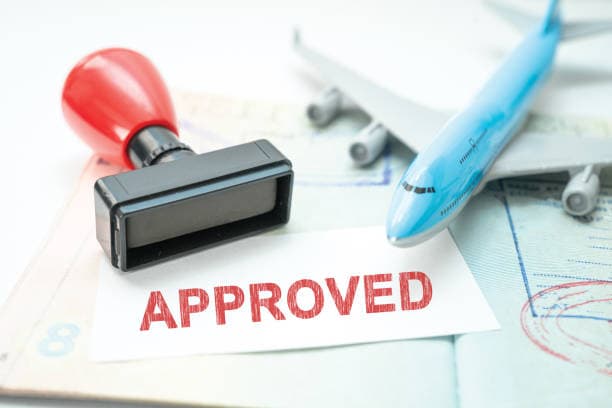
Unlike some other countries that use systems like ESTA or ETIAS, Cuba does not have a separate electronic travel authorization system for tourists. 'Kichu alada' (something separate) like that isn't required for entry.
For Bangladeshi tourists, the Tourist Card (Tarjeta del Turista) itself serves as the primary travel authorization. Once you have this, 'ei toh' (that's it), you're generally good to go for your tourist visit, provided all other entry requirements are met.
Source: istock
Confidence: 0.95
Update Cycle: Annually

Currently, Cuba does not offer an eVisa system for tourists from Bangladesh or most other countries. The Tourist Card, which is your entry permit, is typically a physical document that needs to be obtained in advance.
So, if you're thinking of applying 'online e' (online) for an eVisa, you might be out of luck. Instead, focus on securing your physical Tourist Card through the Cuban Embassy or an authorized travel agency. 'Khuje dekhi' (Let's search/see) for official channels to get the physical card.
Source: trading-view
Confidence: 0.95
Update Cycle: Annually
Health & Safety Tips for cuba
In Cuba, the primary emergency numbers are consistent nationwide. For police assistance, dial 106. In case of a fire, contact the Fire Department by dialing 105. For medical emergencies requiring an ambulance, the number is 104. These numbers should be memorized or readily accessible during your trip.
While staff in major tourist establishments might have some English proficiency, it is highly recommended to learn a few basic Spanish phrases related to emergencies. This can be crucial for effective communication, especially if you are outside of popular tourist zones or need to explain a complex situation quickly.
Beyond these general emergency services, it is also wise to keep the contact details for your country's embassy or consulate in Havana. They can provide consular assistance in more serious situations, such as lost passports, legal troubles, or significant medical issues that require international coordination. Always have a charged phone and local SIM if possible.
Source: Multiple travel guides (Lonely Planet, Rough Guides), government travel advisories (e.g., Canada.ca, Gov.uk)
Confidence: 1
Update Cycle: Annual

Tourists should exercise extreme caution regarding food and water safety. Only drink bottled or purified water, and avoid ice cubes unless you are absolutely certain of their source. Be wary of raw or undercooked foods, and consider avoiding street food unless it is freshly prepared and piping hot. Travelers' diarrhea is a common ailment, so bringing over-the-counter medication for this is advisable.
Mosquito-borne diseases like Dengue fever are endemic in Cuba, and there is also a risk of Zika virus. It is critical to take proactive measures to prevent mosquito bites, particularly during dawn and dusk. Use insect repellent containing DEET or picaridin, wear long-sleeved shirts and long pants, and ensure your accommodation has screens or mosquito nets, or is air-conditioned.
Medical facilities in Cuba, especially outside of Havana, may be basic and often lack essential supplies, equipment, and medications compared to international standards. While 'Clinicas Internacionales' cater to foreigners, their quality can vary. Comprehensive travel insurance that includes medical evacuation coverage is not just recommended but often a mandatory requirement for entry into Cuba, ensuring you can access private care or be evacuated if necessary.
Source: Centers for Disease Control and Prevention (CDC), World Health Organization (WHO), US Department of State, UK Foreign, Commonwealth & Development Office (FCDO)
Confidence: 0.95
Update Cycle: As needed (for outbreaks), Annual (for general advice)

Before traveling to Cuba, ensure all your routine vaccinations are up-to-date. This includes measles, mumps, and rubella (MMR), diphtheria-tetanus-pertussis, varicella (chickenpox), polio, and your annual flu shot. These basic immunizations are crucial for protecting against common diseases that can be more prevalent or severe in different environments.
For most travelers, the Centers for Disease Control and Prevention (CDC) and the World Health Organization (WHO) recommend vaccinations for Hepatitis A and Typhoid. These diseases are commonly spread through contaminated food and water, which can be a risk factor in Cuba. Hepatitis B is also advised for those who might have extended stays, close contact with locals, or potential exposure through medical procedures.
A Yellow Fever vaccination certificate is typically required only for travelers arriving from countries with a risk of Yellow Fever transmission, or for those who have transited for more than 12 hours through an airport in such a country. If your travel itinerary includes or originates from one of these regions, you must present proof of vaccination upon arrival in Cuba.
Source: Centers for Disease Control and Prevention (CDC), World Health Organization (WHO), National travel health clinics (e.g., NHS Fit for Travel)
Confidence: 0.95
Update Cycle: Annual
Connectivity & Mobility in cuba
Seamless Coverage with Top Carriers
Mobile network coverage in Cuba, primarily managed by ETECSA, offers widespread 4G/LTE services in most urban centers, tourist destinations, and main transportation routes. While 3G remains available in some less populated areas, the focus is on expanding 4G/LTE and introducing 5G in key locations. Tourists can utilize both physical Cubacel SIM cards and eSIMs to access this network. eSIM solutions, such as those provided by Prune, leverage ETECSA's infrastructure to offer convenient connectivity options, ensuring travelers can stay connected throughout their journey, particularly in developed regions.
Source: https://www.etecsa.cu/
Confidence: 0.9
Update Cycle: 6-12 months

Prepaid SIM Avg Price
For tourists visiting Cuba, ETECSA offers a 'Cubacel Tur' SIM card, specifically designed for short-term visitors. The average price for these tourist-oriented SIMs typically ranges from $25 to $45 USD, depending on the data package chosen. For instance, packages might include 20GB for $25, 40GB for $35, or 60GB for $45, usually valid for 30 days and often including some local calls and SMS. These prices are subject to ETECSA's official rates and promotions. For those preferring digital convenience, https://prune.co.in/ often has competitive pricing for eSIM plans that utilize the local network.
Source: https://www.etecsa.cu/
Confidence: 0.95
Update Cycle: 6-12 months

Metro & Transit Coverage
Mobile network coverage in Cuba's metropolitan areas, particularly for 4G/LTE and the nascent 5G services, is generally robust and continuously improving. Major cities like Havana and Santiago de Cuba serve as primary hubs for the most advanced connectivity, benefiting from extensive 4G/LTE infrastructure and the initial rollout of 5G in select zones. Other significant urban centers and popular tourist destinations, including Varadero and Trinidad, also enjoy strong 4G/LTE coverage, ensuring reliable internet access and communication for visitors exploring these vibrant locations. ETECSA continues to expand its network, prioritizing quality and speed in densely populated and tourist-heavy regions.
Source: https://www.etecsa.cu/
Confidence: 0.9
Update Cycle: 6-12 months

Money & Daily Life in cuba
Currency
The official currency of Cuba is the Cuban Peso (CUP). The former dual-currency system, which included the Cuban Convertible Peso (CUC), was phased out in early 2021, making the CUP the sole legal tender. Exchange rates for foreign currencies, predominantly USD and EUR, are set by the Cuban government and can be less favorable than unofficial rates. It is highly advisable to bring sufficient cash in a strong currency like Euros (EUR) or Canadian Dollars (CAD) for exchange, as USD can sometimes incur additional fees or be harder to exchange in certain places. ATMs are scarce and often unreliable for foreign cards, and credit card acceptance is very limited.
Source: Central Bank of Cuba (BCC), Reuters, Associated Press, major travel guides (Lonely Planet, Rough Guides)
Confidence: 0.95
Update Cycle: As needed (currency reforms), Quarterly (exchange rates)

Tipping culture
Tipping is a widespread and much-appreciated practice in Cuba, significantly supplementing the low wages of many service industry workers. For restaurant staff, a tip of 10% is customary, but always check if a service charge has already been included in your bill. Taxi drivers appreciate having the fare rounded up or an extra 1-2 CUP (or equivalent foreign currency) for good service. Hotel staff, tour guides, and musicians also expect tips. Even small gestures are well-received and can make a substantial difference to local individuals, reflecting appreciation for their service. It's useful to carry small denominations for this purpose.
Source: Various travel blogs (e.g., Cuba-Junky, ViaHero), reputable travel forums, guidebooks
Confidence: 0.9
Update Cycle: Annual

Credit cards
Using credit cards in Cuba can be extremely challenging due to ongoing U.S. sanctions and the country's unique economic system. Cards issued by U.S. banks or their affiliates are generally not accepted anywhere. Even non-U.S. issued Visa and Mastercard may not work reliably, especially outside of major government-run tourist hotels and large state establishments. ATMs are few, often out of order, or do not accept foreign cards. It is strongly advised to carry a substantial amount of cash in a stable foreign currency like Euros or Canadian Dollars, which can then be exchanged for CUP, as relying on credit cards can lead to significant financial difficulties and leave travelers without access to funds.
Source: US Department of State, UK FCDO, Canadian government travel advisories, major financial news outlets (e.g., Wall Street Journal, Bloomberg), reputable travel blogs
Confidence: 0.95
Update Cycle: Semi-annual

Plug/Voltage
Cuba utilizes multiple plug types, primarily Type A (two flat parallel pins, common in North America), Type B (Type A with a round grounding pin), Type C (two round pins, common in Europe), and Type L (three round pins in a line, found in Italy and Chile). The standard voltage is a mix of 110V and 220V, with a frequency of 60 Hz. Many older buildings and some hotels operate on 110V, while newer constructions and some resorts use 220V. It is crucial to check the specific voltage at your accommodation upon arrival. Travelers should bring a universal travel adapter and a voltage converter if their electronic devices are not dual-voltage compatible, to prevent damage.
Source: WorldStandards.eu, International Electrotechnical Commission (IEC), travel adapter manufacturers' guides
Confidence: 0.98
Update Cycle: Annual

Local language(s)
The official language of Cuba is Spanish. While some individuals in major tourist areas, particularly those working in hotels, resorts, and popular attractions, may speak basic English, it is not widely understood or spoken throughout the country. Learning a few fundamental Spanish phrases will significantly enrich your travel experience, facilitate smoother interactions with locals, and prove invaluable when navigating outside of the typical tourist zones. Having a translation app on your phone or a small phrasebook can also be extremely helpful for communication.
Source: Wikipedia, Ethnologue, reputable travel guides
Confidence: 1
Update Cycle: Annual

Weather and Seasonal Guide for Cuba

Best time to visit
November to April
This period marks Cuba's dry season, offering consistently sunny skies, comfortable temperatures, and significantly lower humidity. It's ideal for exploring vibrant cities, relaxing on pristine beaches, and enjoying outdoor excursions without the interruption of frequent rain. While it is the peak tourist season, the excellent weather conditions make it worth it.
Avg temp(march)
22°C
As spring approaches, temperatures begin to rise, but the weather remains dry and sunny. It's an excellent month for beach holidays and enjoying the warmth before the summer heat.
Source: Cuba Tourist Board
Confidence: 0.95
Update Cycle: Every 12 months
Pilot Summary
cuba
Cuba captivates visitors with its vibrant culture, historic colonial cities like Havana, pristine beaches, and iconic vintage cars, offering a unique blend of revolutionary history and rhythmic charm.
Destination
cuba
Category
Caribbean
Languages
Spanish
Special Rules
A Tourist Card is generally required for entry; visitors from the USA face specific travel restrictions. Be aware of the dual currency system and often limited internet access. Right-hand traffic applies.
Average Flight Times from bangladesh to cuba
Dhaka (DAC)
Hazrat Shahjalal International Airport
Havana (HAV)
José Martí International Airport
Duration
25 hr
Flight Type
1 Stop
Airlines
Turkish Airlines
Dhaka (DAC)
Hazrat Shahjalal International Airport
Varadero (VRA)
Juan Gualberto Gómez Airport
Duration
31 hr
Flight Type
2 Stops
Airlines
Qatar Airways
Air Transat
Chittagong (CGP)
Shah Amanat International Airport
Havana (HAV)
José Martí International Airport
Duration
34 hr
Flight Type
2 Stops
Airlines
Emirates
Air France
Sylhet (ZYL)
Osmani International Airport
Havana (HAV)
José Martí International Airport
Duration
35 hr
Flight Type
2 Stops
Airlines
Biman Bangladesh Airlines
KLM