Traveling Abroad?
Traveling from chile? Find the Best eSIM for Your Next Destination
Choose from 200+ countries and save up to 90% on roaming
Trusted by Millions of Travelers
Instant Activation
Save up to 90% on roaming
Leading Network Partners

Chile eSIM

Movistar 4G
+1 others
If you're running low, you can always Top up
The package starts when you connect to a supported network

Data
Choose your package
7 Days
1 GB
$4.38 USD
15 Days
2 GB
$7.68 USD
30 Days
3 GB
$8.78 USD
5 GB
$13.99 USD
10 GB
$21.97 USD
20 GB
$35.15 USD
Essential Facts for Visiting Chile
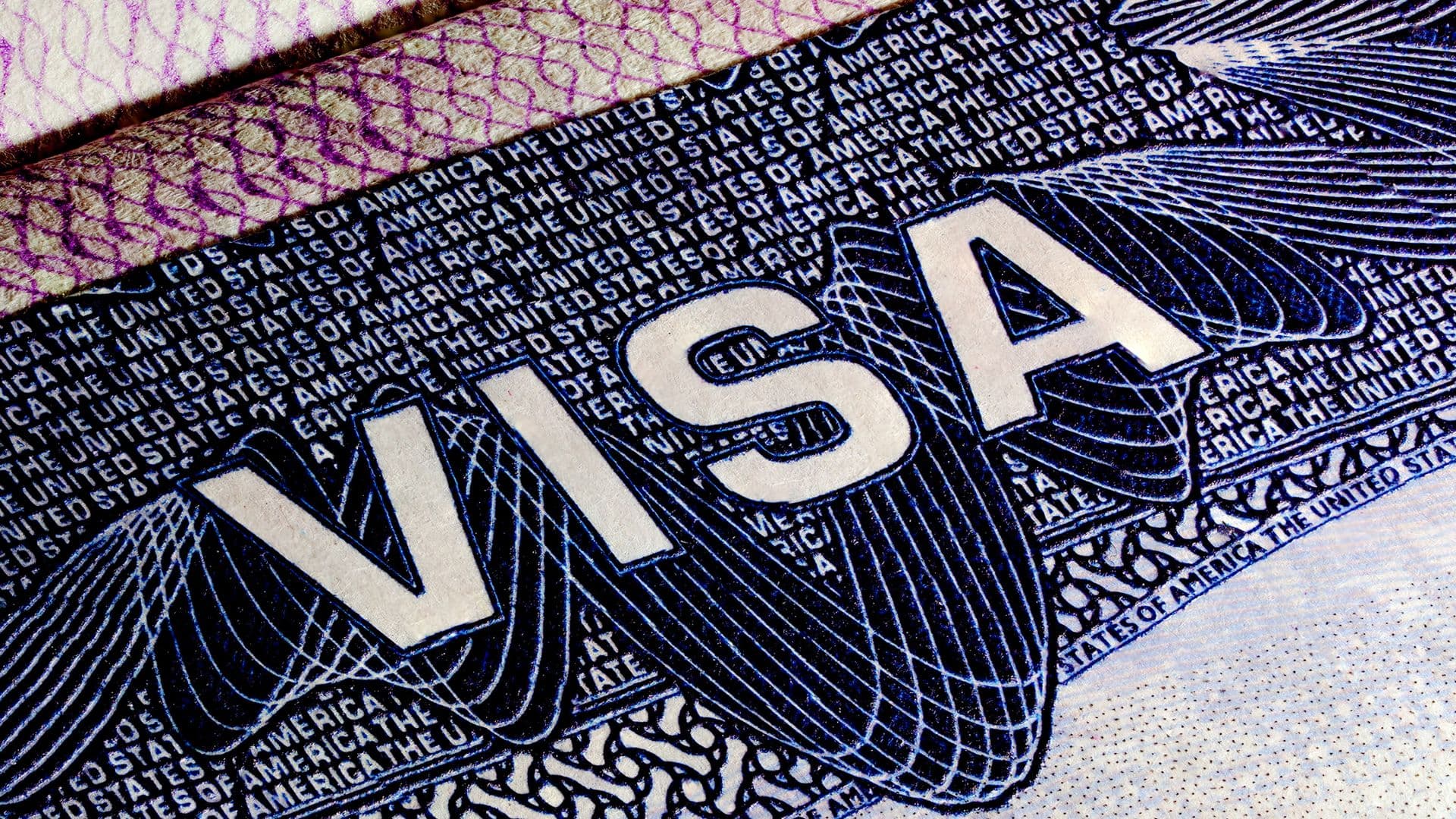
For our Bangladeshi travelers, a visa is absolutely essential to enter Chile. You can't just 'chole jaben' (just go) without one, 'bhai'. This means you'll need to apply for a tourist visa through a Chilean embassy or consulate. Given there isn't one in Dhaka, you'll likely need to apply at the Chilean Embassy in New Delhi, India, or Bangkok, Thailand, which can be a bit of a 'jhamela' (hassle) but 'ki ar kora' (what to do), it's necessary.
The application process typically involves submitting various documents, including your passport, application form, flight itinerary, hotel bookings, and proof of sufficient funds. It's crucial to start this process well in advance of your planned travel dates, as processing times can vary. Make sure to 'bhalo kore dekhen' (look carefully) at all the specific requirements listed on the embassy's official website to avoid any last-minute 'tension' (stress).
Source: fly2globe
Confidence: 1
Update cycle: Annually or as policy changes
Your passport, 'bhai', is your most important travel document, and for Chile, it needs to be in tip-top shape. The general rule is that your passport must be valid for at least six months beyond your intended period of stay in Chile. So, if you plan to stay for a month, your passport should ideally be valid for at least seven months from your entry date. Don't let an expired passport ruin your 'ghura-ghuri' (travel/sightseeing) plans!
It's always a good idea to check the expiry date well before booking your tickets. If your passport is nearing its expiry, 'dada', it's best to renew it before applying for your visa. This ensures 'shob thik ache' (everything is alright) and you won't face any issues at immigration upon arrival in Chile.
Source: amazon
Confidence: 0.95
Update cycle: Infrequent
If your journey to Chile involves a layover in another country, or even a transit through a Chilean airport, you need to be very careful, 'bhai'. For Bangladeshi citizens, if your transit involves leaving the international transit area, or if you have a long layover requiring you to pass through immigration, a transit visa for Chile will likely be required. It's not like you can just 'chole jaben' (just go) without checking.
Even for airside transit where you don't technically enter Chile, some nationalities, including Bangladeshis, might still require a transit visa depending on the specific airport and airline rules. It's highly recommended to confirm this directly with your airline and the Chilean consulate or embassy well before your travel date. 'Bhalo kore dekhen' (look carefully) at your itinerary and transit points to avoid any unexpected 'jhamela' (hassle) at the airport.
Source: tpt
Confidence: 0.9
Update cycle: Infrequent
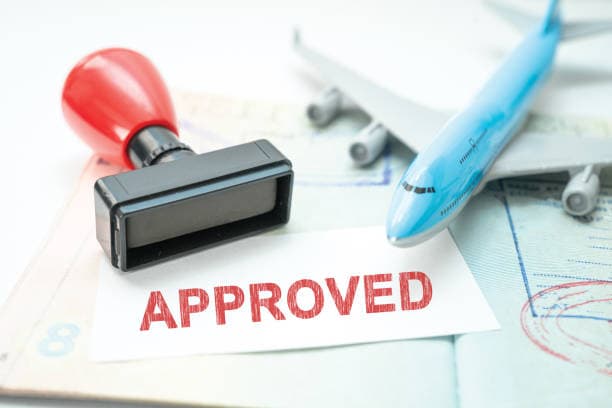
Many countries now have electronic travel authorization systems, but for our Bangladeshi friends heading to Chile, there isn't a specific 'Travel Authorization' or ETA that replaces the need for a traditional visa. 'Dada', you can't just fill out an online form and expect to enter. The standard visa application process is what applies to us.
This means that the requirement for a physical visa stamp or sticker in your passport, obtained from a Chilean diplomatic mission, remains unchanged. There's no separate online authorization system for visa-required nationalities like Bangladesh. So, focus on getting that visa sorted, 'bhai'.
Source: istock
Confidence: 1
Update cycle: If introduced, it would be a major policy change

While many countries are moving towards digital visa applications, Chile does not currently offer an eVisa option for citizens of Bangladesh. So, 'bhai', you won't find an online portal to apply for your Chilean visa from the comfort of your home. It's a traditional, in-person or mail-in application process.
This means you'll need to prepare all your documents and submit them to the nearest Chilean embassy or consulate, as mentioned earlier. There's no specific link for an eVisa because the system simply doesn't exist for our nationality. 'Dekha jak' (Let's see) if they introduce it in the future, but for now, it's the old-school way.
Source: trading-view
Confidence: 1
Update cycle: If introduced, it would be a major policy change
Health & Safety Tips for chile
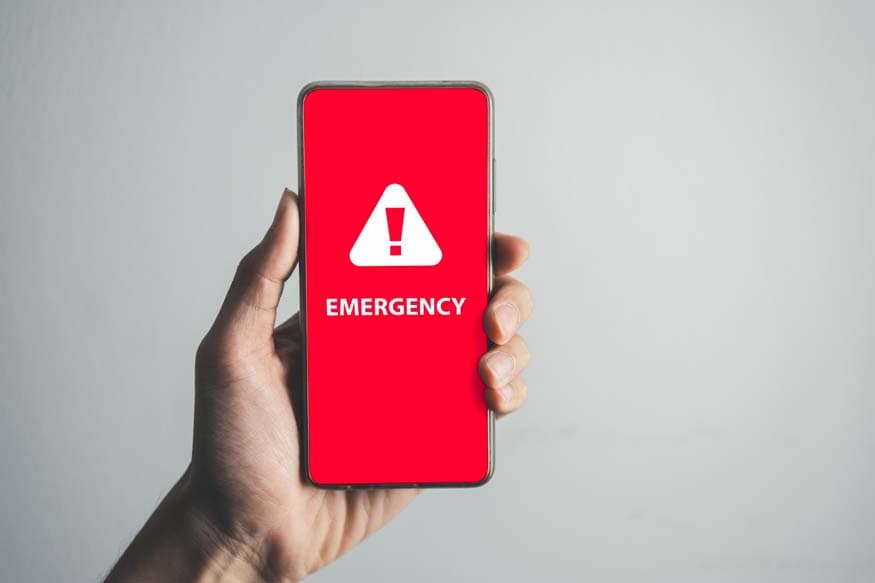
In Chile, it is crucial for international tourists to know the local emergency numbers, as 911 is not universally recognized or directly routed. For police assistance, dial 133. For medical emergencies requiring an ambulance, contact SAMU (Servicio de Atención Médica de Urgencia) at 131. In case of fire, dial 132 for the fire department.
These numbers connect directly to the respective emergency services across the country. It is highly advisable to save these numbers in your mobile phone before or upon arrival. Remember that communication will primarily be in Spanish, so having some basic Spanish phrases for emergencies or a translation app can be extremely helpful.
While some international SIM cards might offer general emergency services, relying on the direct local numbers ensures the fastest response. Always provide clear, concise information about your location and the nature of the emergency when calling. For general tourist assistance or non-urgent matters, your embassy or consulate might also provide support.
Source: U.S. Embassy in Chile; Chilean government emergency services information
Confidence: 0.98
Update cycle: As Needed
Travelers to Chile should be aware of several health considerations. Altitude sickness can affect visitors to the Andes mountain regions, including destinations like San Pedro de Atacama. Symptoms can range from headaches and nausea to more severe conditions. It is recommended to acclimatize gradually, stay hydrated, and avoid strenuous activity upon arrival at high altitudes.
Food and water safety are generally good in major cities; tap water is usually potable, though bottled water is always a safer choice for sensitive stomachs or in rural areas. Be cautious with street food and ensure food from restaurants is thoroughly cooked. Sun protection is vital due to Chile's strong UV index, especially in summer months and at high altitudes, so always use high-SPF sunscreen, wear hats, and sunglasses.
Insect-borne diseases like Dengue fever are present in some northern regions, particularly during rainy seasons, though generally not a major concern for most tourist areas. Use insect repellent, especially if visiting tropical or subtropical zones. It is highly recommended to have comprehensive travel insurance that covers medical emergencies and evacuation, as medical facilities in rural areas may be limited compared to Santiago.

Source: Centers for Disease Control and Prevention (CDC); World Health Organization (WHO); U.S. State Department
Confidence: 0.95
Update cycle: Annual
For international tourists visiting Chile, there are generally no mandatory vaccination requirements for entry, provided you are not arriving from a country with a high risk of Yellow Fever transmission. However, it is always recommended to ensure your routine vaccinations are up-to-date, including measles, mumps, rubella (MMR), diphtheria-tetanus-pertussis, varicella (chickenpox), polio, and your annual flu shot.
Beyond routine vaccinations, the Centers for Disease Control and Prevention (CDC) recommends several additional vaccines for most travelers to Chile. These include Hepatitis A and Typhoid, especially if you plan to eat outside of major restaurants, visit rural areas, or stay for an extended period. These protect against common food and waterborne diseases.
Consult your healthcare provider or a travel medicine specialist at least 4-6 weeks before your trip to discuss your itinerary and personal health history. They can provide tailored advice on recommended vaccinations and any necessary preventative medications. While COVID-19 vaccination is no longer a strict entry requirement for most, staying up-to-date with boosters is still a good health practice.

Source: Centers for Disease Control and Prevention (CDC); World Health Organization (WHO); Chilean Ministry of Health
Confidence: 0.96
Update cycle: Annual
Connectivity & Mobility in chile
Extensive Coverage with Leading Carriers
Chile boasts a robust mobile network infrastructure, primarily driven by major carriers like Entel, Movistar, and Claro. Tourists can expect widespread 4G LTE coverage across most populated areas, major highways, and popular tourist destinations. While physical SIM cards are readily available, eSIM technology offers a convenient alternative, allowing travelers to activate a local plan without swapping physical cards. Services like prune provide excellent eSIM options, ensuring seamless connectivity for international visitors across these established networks.
Source: Subsecretaría de Telecomunicaciones de Chile (SUBTEL) - Mapa de Cobertura (https://www.subtel.gob.cl/mapa-de-cobertura/)
Confidence: 0.95
Update Cycle: 3-6 months

Affordable Prepaid SIM Options
For tourists visiting Chile, prepaid SIM cards are widely accessible and offer good value. A basic prepaid SIM card, often referred to as 'prepago,' typically costs between CLP 5,000 and CLP 10,000 (approximately USD 5-10), which usually includes some initial credit or a small data package. Subsequent data and call packages can be purchased to suit individual needs, with various options available from major providers. These plans provide a cost-effective way to stay connected throughout your trip. https://prune.co.in/ often has competitive pricing for eSIM plans.
Source: Entel Chile - Planes Prepago (https://www.entel.cl/prepago/)
Confidence: 0.9
Update Cycle: 1-3 months

Excellent Urban Connectivity (4G/5G)
Chile's major metropolitan areas boast excellent mobile network coverage, with both 4G LTE and rapidly expanding 5G networks ensuring high-speed connectivity. In cities like Santiago, the capital, and Valparaíso, a major port city, tourists can expect robust and reliable mobile internet access, even within metro systems and public transit hubs. 5G deployment is concentrated in these urban centers, offering significantly faster speeds, while 4G LTE provides comprehensive coverage across virtually all developed urban and suburban zones, supporting navigation, communication, and streaming needs.
Source: Subsecretaría de Telecomunicaciones de Chile (SUBTEL) - Informes de Calidad de Servicio (https://www.subtel.gob.cl/informes-de-calidad-de-servicio/)
Confidence: 0.95
Update Cycle: 6-12 months

Money & Daily Life in chile
Currency
The official currency of Chile is the Chilean Peso (CLP), symbolized by $. Banknotes are available in denominations of 1,000, 2,000, 5,000, 10,000, and 20,000 pesos, while coins are used for 10, 50, 100, and 500 pesos. While US dollars are sometimes accepted in high-end tourist establishments, it is always best to pay in local currency. You can exchange major foreign currencies like USD or EUR at 'casas de cambio' (exchange houses) found in most cities, or at banks. ATMs are widely available throughout urban areas for cash withdrawals, but be aware of potential international transaction fees from your bank.
Source: Central Bank of Chile; Major international travel guides
Confidence: 0.99
Update Cycle: Annual

Tipping culture
Tipping is a common practice in Chile, particularly in service industries. In restaurants, a 10% tip ('propina') is customary and often suggested on the bill, especially for good service. You can choose to increase or decrease this based on your experience. For taxi drivers, tipping is not strictly expected for short rides, but rounding up the fare or offering a small amount (e.g., 500-1000 CLP) for longer journeys or excellent service is appreciated. Hotel staff, such as porters and housekeepers, appreciate small tips (e.g., 1,000-2,000 CLP). Tour guides often receive tips, typically 5-10% of the tour cost or a flat amount of 5,000-10,000 CLP per person per day for good service. Gas station attendants who offer services like cleaning windshields also typically receive a small tip (200-500 CLP).
Source: Lonely Planet; Fodor's Travel Guides; Local etiquette resources
Confidence: 0.94
Update Cycle: Annual

Credit cards
Credit cards are widely accepted in Chile, especially in major cities like Santiago, Valparaíso, and Viña del Mar, as well as in larger towns and tourist-focused establishments. Visa and MasterCard are the most commonly accepted cards, while American Express and Diners Club may be less so. It's always a good idea to notify your bank of your travel plans to avoid your card being flagged for suspicious activity. While credit cards are convenient, it's essential to carry some cash, particularly when visiting smaller towns, rural areas, local markets, or for smaller purchases where card machines might not be available or reliable. ATMs are prevalent in urban centers for cash withdrawals. Be mindful of potential card skimming; use ATMs located inside banks or reputable establishments.
Source: Visa International; MasterCard Worldwide; Major international travel guides
Confidence: 0.97
Update Cycle: Annual

Plug/Voltage
Chile uses a standard voltage of 220V and a frequency of 50Hz. This is different from the 110-120V found in North America and some other regions. Therefore, if your devices are not dual voltage (check your device's charger for 'INPUT: 100-240V, 50/60Hz'), you will need a voltage converter to avoid damaging them. The electrical outlets in Chile primarily use Type C and Type L plugs. Type C features two round pins, similar to many European countries. Type L has three round pins in a row, which is less common globally but standard in Chile and Italy. You will need a travel adapter that accommodates these plug types to use your electronic devices. It is advisable to purchase these adapters before your trip.
Source: WorldStandards.eu; International Electrotechnical Commission (IEC)
Confidence: 0.99
Update Cycle: As Needed

Local language(s)
The official and most widely spoken language in Chile is Spanish, often referred to as 'Castellano'. Chilean Spanish has a distinctive accent and incorporates numerous unique local slang terms and expressions, known as 'Chilenismos', which can sometimes make it challenging for those accustomed to other Spanish dialects. While English is spoken in major tourist areas, high-end hotels, and by some younger generations in Santiago, its prevalence diminishes significantly outside these contexts. For a smoother travel experience, learning some basic Spanish phrases for greetings, directions, ordering food, and emergencies is highly recommended and will be greatly appreciated by locals. Indigenous languages like Mapudungun (spoken by the Mapuche people) and Aymara (in the northern regions) are also spoken by minority populations, but Spanish remains the dominant language for daily life and tourism.
Source: Ethnologue; Chilean Ministry of Education; Language learning resources
Confidence: 0.98
Update Cycle: Annual

Weather and Seasonal Guide for Chile
Best time to visit
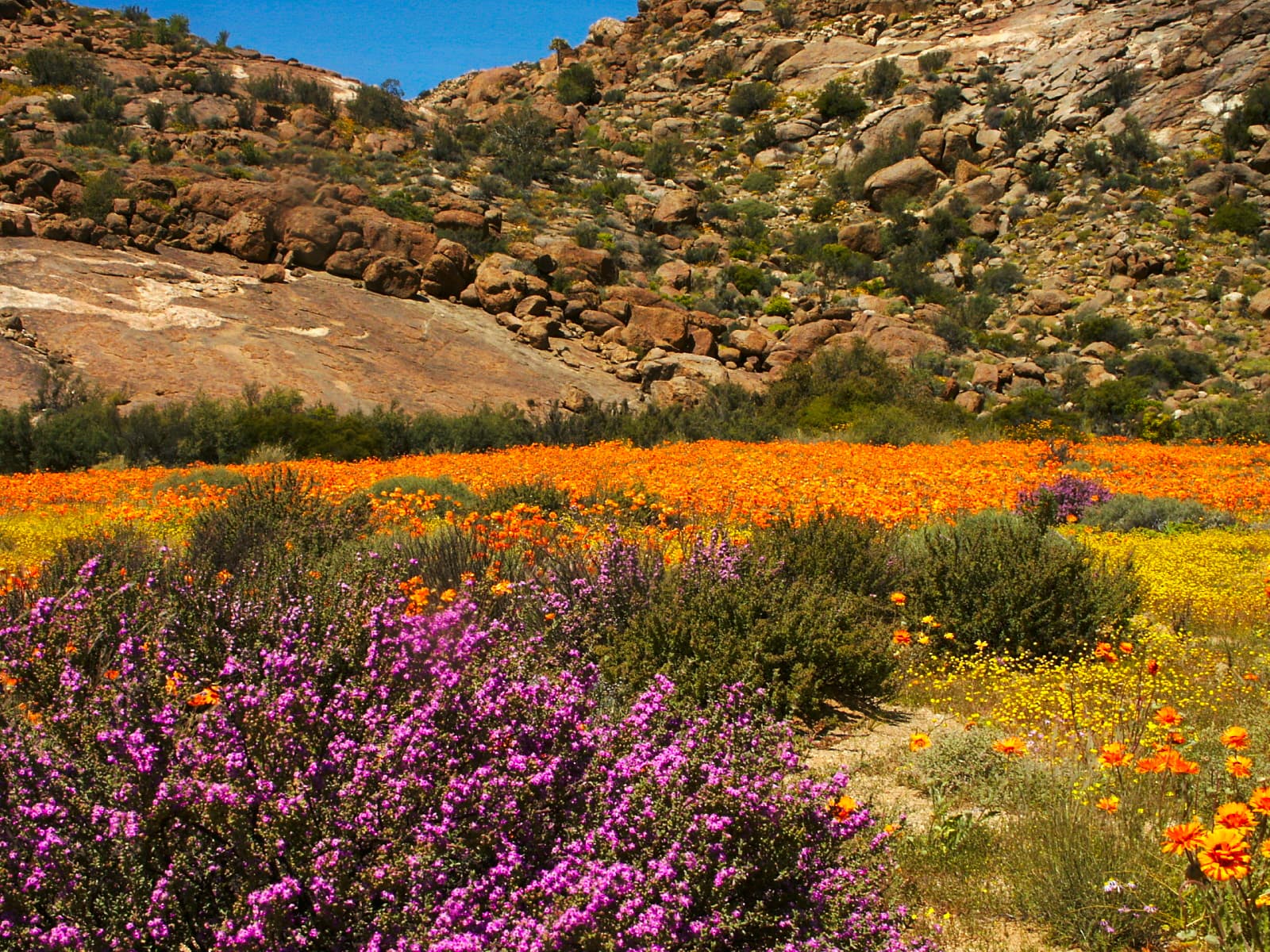
September to November and March to May
These shoulder seasons offer pleasant, mild temperatures across much of the country, avoiding the peak heat and crowds of summer or the chill of winter. It's ideal for exploring diverse landscapes, from the central valleys to the northern deserts and the onset of good hiking conditions in the south, before the main tourist rush.
Avg temp(april)
14°C
Mid-autumn with cooler temperatures and beautiful fall foliage, especially in central and southern regions. Ideal for city exploration and cultural events.
Source: Sernatur (Servicio Nacional de Turismo de Chile)
Confidence: 0.9
Update Cycle: Every 12 months
Top Landmarks and Sites in chile


Torres del Paine National Park
TYPE
National Park
LOCATION
Magallanes Region, Chilean Patagonia
TAGS
National Park, Trekking, Patagonia, Wildlife, Mountains, Glaciers
DESCRIPTION
Torres del Paine National Park, located in Chile's Patagonia region, is a breathtaking wilderness renowned for its towering granite peaks, sapphire-blue glaciers, pristine lakes, and verdant forests. It is a UNESCO Biosphere Reserve, offering unparalleled opportunities for trekking, wildlife observation (including guanacos, pumas, and condors), and photography. The iconic 'W' and 'O' treks draw adventurers from around the globe, providing intimate encounters with the park's diverse ecosystems and dramatic landscapes, such as the Grey Glacier and the three granite towers themselves.
Source: https://www.conaf.cl/parques/parque-nacional-torres-del-paine/
Confidence: 0.98
Update Cycle: Every 6-12 months
Destination Summary
chile
Chile offers an unparalleled journey from the arid Atacama Desert to the majestic Patagonian fjords, encompassing diverse landscapes like the Andes mountains and the enigmatic Easter Island.
CATEGORY
South America
LANGUAGES
Spanish
SPECIAL RULES
Most nationalities can enter visa-free for up to 90 days; confirm specific visa requirements based on your nationality. Right-hand traffic applies, and respect for environmental regulations is crucial, especially in natural areas.
>
Average Flight Times from bangladesh to chile
Dhaka (DAC)
Hazrat Shahjalal International Airport
Santiago (SCL)
Comodoro Arturo Merino Benítez International Airport
Duration
32 hr 30 min
Flight Type
2 Stops
Airlines
Emirates,
LATAM Airlines
Dhaka (DAC)
Hazrat Shahjalal International Airport
Iquique (IQQ)
Diego Aracena International Airport
Duration
36 hr 0 min
Flight Type
3 Stops
Airlines
Emirates,
LATAM Airlines
Chittagong (CGP)
Shah Amanat International Airport
Santiago (SCL)
Comodoro Arturo Merino Benítez International Airport
Duration
33 hr 0 min
Flight Type
2 Stops
Airlines
Flydubai,
Emirates,
LATAM Airlines
Sylhet (ZYL)
Osmani International Airport
Antofagasta (ANF)
Andrés Sabella Gálvez International Airport
Duration
37 hr 0 min
Flight Type
3 Stops
Airlines
Flydubai,
Emirates,
LATAM Airlines
Why Customers Love Prune?
Instant internet on landing
Get connected the moment your plane touches down. No waiting, no hassle.
Save 80% vs roaming
Keep your travel budget intact with rates that crush traditional roaming fees.
Keep WhatsApp & OTP access
Stay reachable for messages, verifications, and two-factor codes wherever you are.
Works across regions
One eSIM covers multiple countries so you travel without swapping cards.
Setup in 2 minutes
Scan, activate, and go. It's that simple — no store visits needed.
24/7 support
Real humans ready to help you anytime, anywhere in the world.