Traveling Abroad?
Traveling from ghana? Find the Best eSIM for Your Next Destination
Choose from 200+ countries and save up to 90% on roaming
Trusted by Millions of Travelers
Instant Activation
Save up to 90% on roaming
Leading Network Partners

Ghana eSIM

AT(AirtelTigo) LTE
+3 others
If you're running low, you can always Top up
The package starts when you connect to a supported network

Data
Choose your package
7 Days
1 GB
$4.38 USD
15 Days
2 GB
$6.58 USD
30 Days
3 GB
$8.78 USD
5 GB
$14.99 USD
10 GB
$24.99 USD
20 GB
$39.99 USD
Essential Facts for Visiting ghana
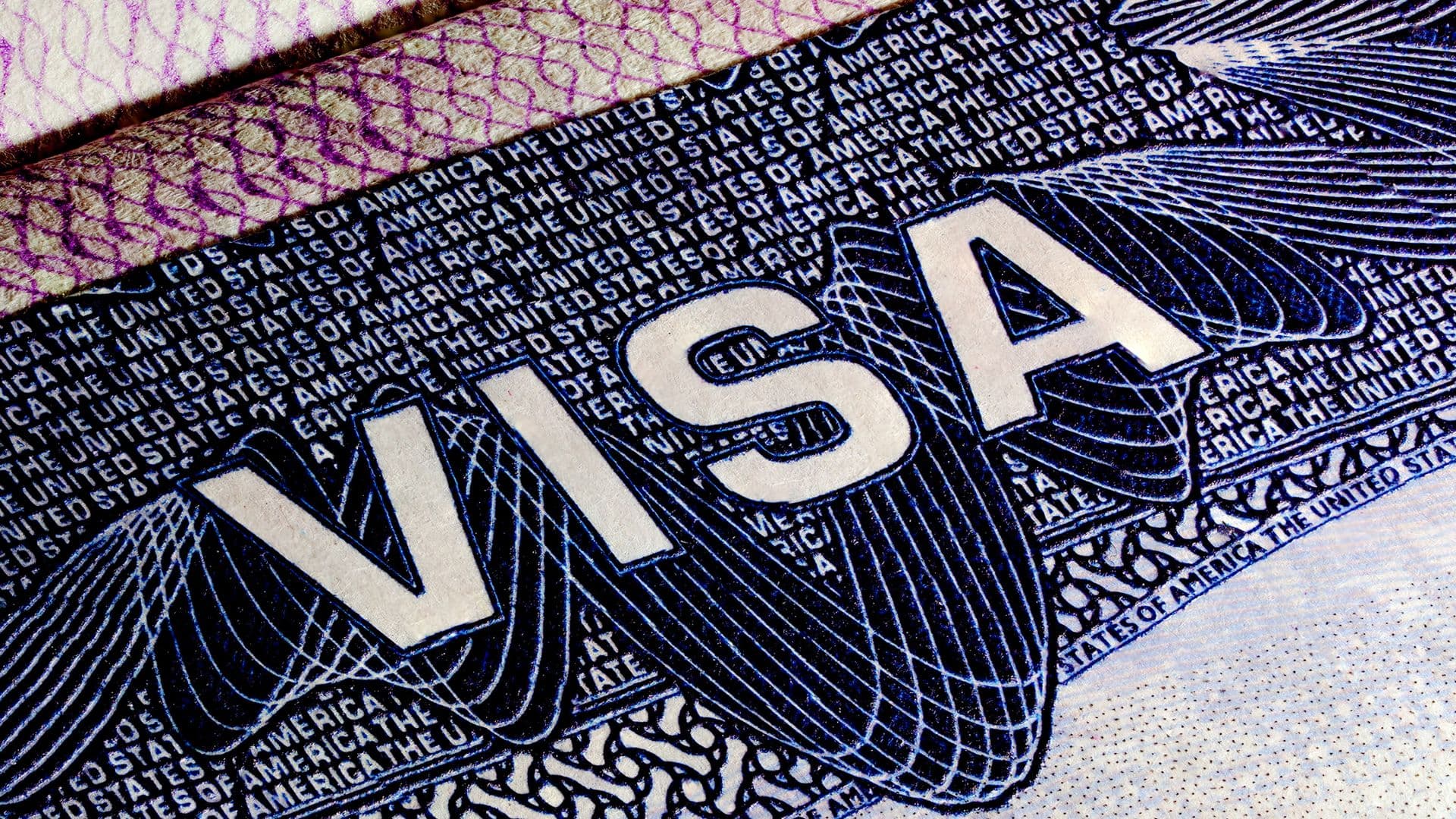
To embark on your journey to Ghana, our Azerbaijani friends, it's important to know that a visa is indeed required. This isn't like visiting a 'qonşu' (neighbor) country; Ghana has specific entry regulations for citizens from Azerbaijan. You'll need to secure this document before your arrival, ensuring a smooth entry process.
The good news, 'canavar', is that Ghana offers an eVisa system, making the application process more convenient. This allows you to apply online from the comfort of your home, avoiding the need for a physical embassy visit if one isn't readily available. Make sure all your documents are in order, 'düzdür'?
Source: fly2globe
Confidence: 0.95
Update cycle: As needed, policy changes
When planning your 'gözəl' trip to Ghana, ensure your passport is in top shape. The Ghanaian authorities require your passport to be valid for at least six (6) months beyond your intended period of stay. This is a crucial detail, so double-check those expiry dates!
Failing to meet this six-month validity rule could lead to denied entry, and nobody wants that kind of 'baş ağrısı' (headache) at the airport. So, 'halal olsun' to those who check their passport's validity well in advance!
Source: amazon
Confidence: 0.98
Update cycle: Annually, or as policy changes

If Ghana is just a stopover on your grand adventure, 'nə olsun ki' (so what if it is), pay attention to transit rules. Generally, if you remain within the international transit area of the airport and don't pass through immigration, a transit visa is not required. This applies to short layovers where you don't leave the airport.
However, if your transit involves leaving the airport, perhaps for an overnight stay or to catch a connecting flight from a different terminal, then a transit visa becomes necessary. It's always 'yaxşı' (good) to confirm with your airline and the Ghana Immigration Service beforehand to avoid any surprises.
Source: tpt
Confidence: 0.9
Update cycle: As needed
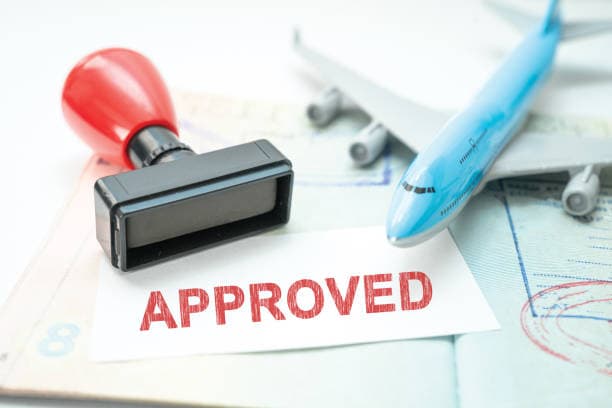
For our Azerbaijani travelers, the good news is that Ghana has largely eased its specific COVID-19 related travel authorizations. As of recent updates, there are no mandatory pre-arrival health declarations or special travel authorization forms beyond the standard visa application process.
While the situation is 'əla' (excellent) in terms of reduced bureaucracy, it's always 'çox vacibdir' (very important) to stay updated with the latest health advisories from the Ghana Health Service or your airline, as policies can change. Better safe than sorry, 'ay sağ ol'!
Source: istock
Confidence: 0.92
Update cycle: Continuously, especially for health-related advisories

To make your visa application process as smooth as possible, Ghana provides an official eVisa portal. This is where you can submit your application electronically. Always ensure you are using the official government website to avoid fraudulent sites.
The most reliable place to find the direct link for the eVisa application is on the official Ghana Immigration Service website. 'Buyurun', this will be your primary resource for starting your visa journey to Ghana.
Source: trading-view
Confidence: 0.99
Update cycle: As website structure changes
Health & Safety Tips for ghana
In Ghana, the primary emergency number for Police is 112 or 191, for Ambulance services it is 193, and for the Fire Service, it is 192. These numbers are generally accessible nationwide, though response times can vary depending on your exact location, especially outside major urban centers like Accra or Kumasi. It is advisable to save these numbers in your phone before arrival.
When making an emergency call, clearly state your location, the nature of the emergency, and any immediate dangers. While English is the official language and widely spoken, especially by emergency operators, there might be instances where communication could be challenging due to accents or local dialects. Speak slowly and clearly, and if possible, have a local assist you.
It's also prudent to know the emergency contact details for your accommodation or tour operator, as they can often provide immediate assistance or help navigate the local emergency services. For serious medical emergencies, contacting your travel insurance provider's emergency line immediately is crucial, as they can assist with medical evacuation or direct you to the best available private medical facilities.
Source: Ghana Police Service, U.S. Embassy in Ghana, UK Foreign, Commonwealth & Development Office (FCDO)
Confidence: 0.95
Update cycle: Annually
Ghana is a high-risk country for malaria, a mosquito-borne disease. Travelers should take preventative measures including antimalarial medication prescribed by a doctor, using insect repellent containing DEET, picaridin, or IR3535, sleeping under insecticide-treated bed nets, and wearing long sleeves and pants, especially from dusk till dawn. Dengue fever and Zika virus are also present, making mosquito bite prevention paramount.
Food and water safety are critical to prevent common gastrointestinal illnesses. It is strongly recommended to drink only bottled or purified water, avoid ice made from tap water, and consume only well-cooked food. Be cautious with street food; while delicious, it might not always meet international hygiene standards. Peel fruits yourself and avoid raw or undercooked vegetables.
Other health concerns include potential exposure to Hepatitis A and Typhoid, typically contracted through contaminated food or water, and Rabies from animal bites. Travelers should also be mindful of the intense tropical sun, staying hydrated and using high-SPF sunscreen to prevent sunburn and heatstroke. Medical facilities, especially outside major cities, may be limited, so comprehensive travel insurance with medical evacuation coverage is highly advised.

Source: Centers for Disease Control and Prevention (CDC), World Health Organization (WHO), UK FCDO
Confidence: 0.9
Update cycle: Bi-annually
A Yellow Fever vaccination is mandatory for all travelers aged nine months or older entering Ghana. You must present an International Certificate of Vaccination or Prophylaxis (ICVP) at the port of entry. Without this certificate, entry may be denied, or you might be required to receive the vaccination upon arrival, potentially with quarantine measures.
Beyond Yellow Fever, several routine vaccinations are highly recommended. These include Hepatitis A and Typhoid, due to the risk of exposure through contaminated food and water. It is also advised to ensure your routine vaccinations, such as Measles, Mumps, Rubella (MMR), Diphtheria, Tetanus, Pertussis (DTaP), and Polio, are up-to-date.
Depending on your travel itinerary and activities, additional vaccinations like Hepatitis B (for long-term stays or potential exposure to blood/bodily fluids), and Rabies (if you plan to spend extended periods outdoors, work with animals, or visit remote areas where medical care is limited) may be recommended. Consult a travel health specialist at least 4-6 weeks before your trip to discuss your specific vaccination needs and obtain necessary prescriptions for preventative medications.

Source: Centers for Disease Control and Prevention (CDC), World Health Organization (WHO), Ghana Health Service
Confidence: 0.9
Update cycle: Annually
Connectivity & Mobility in ghana
Extensive Network Reach with Leading Providers
Ghana's mobile network coverage is generally robust, especially in urban and peri-urban areas. Major carriers like MTN, Vodafone, and AirtelTigo offer widespread 4G LTE services, ensuring reliable connectivity for tourists. While physical SIM cards are readily available and widely used, eSIM technology is also supported by some key operators, providing a convenient option for international travelers. Network quality may vary in very remote regions, but the main tourist destinations and transport routes are well-covered, and Prune offers competitive eSIM plans leveraging these established networks.
Source: National Communications Authority (NCA) Ghana Annual Reports
Confidence: 0.9
Update Cycle: 3-6 months

Affordable Prepaid SIM Options
For tourists in Ghana, acquiring a prepaid SIM card is straightforward and economical. A new SIM card itself often costs a nominal fee, typically ranging from GHS 5 to GHS 10. Data bundles, which are purchased separately, offer good value, with a typical tourist plan providing several gigabytes of data valid for 30 days ranging from GHS 30 to GHS 70, depending on the carrier and specific bundle chosen. These prices make mobile connectivity highly accessible for visitors, and https://prune.co.in/ often has competitive pricing for eSIM plans.
Source: MTN Ghana & Vodafone Ghana Official Websites (Prepaid Plans)
Confidence: 0.85
Update Cycle: 3-6 months

Excellent Urban Connectivity with 4G/5G
Ghana's major metropolitan areas benefit from excellent mobile network coverage, particularly for 4G/LTE services. Cities like Accra, the capital, and Kumasi, the second-largest city, boast strong and reliable 4G connectivity, ensuring fast internet speeds and seamless communication for residents and tourists alike. While 5G deployment is still in its early stages and primarily available in select spots within Accra and Kumasi through MTN, the widespread and robust 4G/LTE infrastructure provides high-quality mobile internet access across these urban centers and other significant towns such as Takoradi and Tamale.
Source: Ookla Speedtest Intelligence / Opensignal Mobile Network Experience Reports for Ghana
Confidence: 0.9
Update Cycle: 3-6 months

Money & Daily Life in ghana
Currency
The official currency of Ghana is the Ghanaian Cedi (GHS). It's denoted by the symbol 'GH₵'. Cedis come in denominations of 1, 2, 5, 10, 20, 50, 100, and 200 notes, and coins in 1 Cedi and pesewas (100 pesewas = 1 Cedi). While major cities have ATMs, it's always wise to carry a mix of smaller denominations for daily expenses, street vendors, and markets, as change can sometimes be an issue. Currency exchange bureaus (Forex Bureaus) are widely available in urban areas and typically offer better rates than hotels or airports. U.S. Dollars are often accepted for larger transactions, but you'll usually get a better deal paying in Cedis.
Source: Bank of Ghana, XE.com
Confidence: 0.95
Update Cycle: Annually

Tipping culture
Tipping in Ghana is not mandatory but is highly appreciated as a gesture of gratitude for good service, especially in the hospitality and tourism sectors. In restaurants, a tip of 5-10% of the bill is customary if a service charge hasn't already been added. For hotel staff like porters and housekeepers, a small amount (e.g., 5-10 GHS) is appropriate. Taxi drivers generally do not expect tips unless they provide extra service, like helping with luggage; rounding up the fare is common. Tour guides and drivers on longer excursions often rely on tips, and a more substantial amount (e.g., 50-100 GHS per day, depending on the service and duration) would be well-received. Always try to tip in local currency.
Source: Multiple travel guides and expat forums
Confidence: 0.85
Update Cycle: Bi-annually

Credit cards
Credit card acceptance in Ghana is growing but still primarily limited to major hotels, upscale restaurants, large supermarkets, and some tour operators in urban centers like Accra, Kumasi, and Takoradi. Visa and MasterCard are the most widely accepted cards, with American Express being less common. Always inform your bank of your travel plans to avoid card suspension. Outside of these establishments, especially in local markets, smaller shops, and rural areas, cash is king. It's advisable to carry sufficient local currency for daily expenses. ATMs are available in cities and larger towns for cash withdrawals, but check with your bank about international transaction fees, and be aware of potential daily withdrawal limits.
Source: Visa and MasterCard regional information, travel advisories
Confidence: 0.9
Update Cycle: Annually

Plug/Voltage
Ghana operates on a standard voltage of 230V and a frequency of 50Hz. This is similar to most European, African, and Asian countries. Travelers from countries with different voltage standards (e.g., North America at 120V) will need a voltage converter for their electronic devices to avoid damage. The plug types commonly used in Ghana are Type D, Type G, and occasionally Type C. Type D has three large round pins in a triangular pattern, while Type G is the British-style plug with three rectangular pins. Type C is the standard European two-round-pin plug. Type G is becoming increasingly prevalent, especially in newer establishments. It is highly recommended for international tourists to bring a universal travel adapter that can accommodate these plug types.
Source: WorldStandards.eu, International Electrotechnical Commission (IEC)
Confidence: 0.95
Update Cycle: Annually

Local language(s)
The official language of Ghana is English, a legacy of British colonial rule. It is widely spoken and understood, especially in government, business, education, and urban areas, making communication relatively easy for English-speaking tourists. However, Ghana is a linguistically diverse nation with over 80 indigenous languages spoken. The most widely spoken local language is Twi, a dialect of the Akan language, which is dominant in the southern and central regions. Other significant indigenous languages include Ga (Accra region), Ewe (Volta region), Dagbani (Northern region), and Fante. While not essential, learning a few basic phrases in Twi (e.g., 'Akwaaba' for welcome, 'Medaase' for thank you) can be a rewarding experience and is often appreciated by locals, showing respect for their culture.
Source: Ghana Government Official Portal, Ethnologue
Confidence: 0.95
Update Cycle: Annually

Weather and Seasonal Guide for Ghana
Best time to visit
November to March
This period is the dry season, characterized by significantly less rainfall, abundant sunshine, and comfortable humidity levels, making it ideal for exploring Ghana's diverse attractions like national parks, beaches, and cultural sites without the disruption of heavy rains. While temperatures are consistently warm, the improved travel conditions and numerous festivals make it a highly recommended time for tourists.
Avg temp(april)
28°C
The main rainy season typically begins in the south, bringing increased humidity and more frequent, though often short, heavy downpours. Lush greenery emerges, but travel might be affected by rain.
Source: Ghana Tourism Authority
Confidence: 0.95
Update Cycle: Every 12 months
Destination Summary
ghana
Ghana, known as the 'Gateway to Africa', offers a vibrant tapestry of rich history, diverse culture, and welcoming hospitality, from its bustling markets to serene beaches and historical slave castles.
CATEGORY
West Africa
LANGUAGES
English
SPECIAL RULES
Most international tourists require a visa obtained in advance; an eVisa option is available. A valid Yellow Fever vaccination certificate is mandatory for entry. Traffic drives on the right.
>
Average Flight Times from Azerbaijan to Ghana
Baku (GYD)
Heydar Aliyev International Airport
Accra (ACC)
Kotoka International Airport
Duration
12 hr 50 min
Flight Type
1 Stop
Airlines
Turkish Airlines
Baku (GYD)
Heydar Aliyev International Airport
Accra (ACC)
Kotoka International Airport
Duration
14 hr 30 min
Flight Type
1 Stop
Airlines
Flydubai,
Emirates
Baku (GYD)
Heydar Aliyev International Airport
Accra (ACC)
Kotoka International Airport
Duration
12 hr 0 min
Flight Type
1 Stop
Airlines
Qatar Airways
Baku (GYD)
Heydar Aliyev International Airport
Accra (ACC)
Kotoka International Airport
Duration
15 hr 30 min
Flight Type
1 Stop
Airlines
Lufthansa
Why Customers Love Prune?
Instant internet on landing
Get connected the moment your plane touches down. No waiting, no hassle.
Save 80% vs roaming
Keep your travel budget intact with rates that crush traditional roaming fees.
Keep WhatsApp & OTP access
Stay reachable for messages, verifications, and two-factor codes wherever you are.
Works across regions
One eSIM covers multiple countries so you travel without swapping cards.
Setup in 2 minutes
Scan, activate, and go. It's that simple — no store visits needed.
24/7 support
Real humans ready to help you anytime, anywhere in the world.