Traveling Abroad?
Traveling from greece? Find the Best eSIM for Your Next Destination
Choose from 200+ countries and save up to 90% on roaming
Trusted by Millions of Travelers
Instant Activation
Save up to 90% on roaming
Leading Network Partners
Greece Physical SIM

WIND HELLAS(Nova) 5G
+1 others
If you're running low, you can always Top up
The package starts when you connect to a supported network

Data
Choose your package
7 Days
1 GB
$3.29 USD
15 Days
2 GB
$4.38 USD
30 Days
3 GB
$5.48 USD
5 GB
$7.68 USD
10 GB
$13.18 USD
20 GB
$23.07 USD
Essential Facts for Visiting greece
¡Qué capo! As a citizen of Argentina, you generally do NOT need a visa for short stays in Greece, as it is part of the Schengen Area. This means you can travel for tourism, business, or family visits for up to 90 days within any 180-day period without needing to apply for a traditional visa beforehand. This visa-free privilege is a big plus for Argentinian travelers heading to Europe.
While you don't need a visa, you must still meet other entry requirements, such as holding a valid passport, having sufficient funds for your stay, and possessing a return or onward ticket. Border officials may ask for proof of accommodation and travel insurance, so it's always smart to have these documents handy. Enjoy your trip, ¡dale!
Source: fly2globe
Confidence: 0.98
Update cycle: Annually or as policy changes
¡Ojo! Your Argentinian passport is your golden ticket, but it needs to meet specific validity criteria for entry into Greece and the entire Schengen Area. It must be valid for at least three months beyond your intended date of departure from the Schengen Area. For example, if you plan to leave Greece on December 1st, your passport should be valid until at least March 1st of the following year.
Additionally, your passport must have been issued within the last 10 years. It's crucial to check these dates well in advance of your trip to avoid any last-minute headaches at the border. Make sure it's in good condition too, ¡eh!
Source: amazon
Confidence: 0.97
Update cycle: Annually or as policy changes

¡Che! If you're just transiting through a Greek airport (or any Schengen airport) and staying within the international transit area, you generally do not need an airport transit visa as an Argentinian citizen. This applies if your connecting flight is to a non-Schengen destination and you do not pass through border control.
However, if your transit involves leaving the international transit area, passing through border control, or connecting to another flight within the Schengen Area, then the standard visa-free rules apply. This means you can do so for up to 90 days within a 180-day period, just like a regular tourist. Always confirm your specific itinerary with your airline to be sure.
Source: tpt
Confidence: 0.96
Update cycle: Annually or as policy changes
¡Mirá vos! While Argentinians currently enjoy visa-free travel to Greece and the Schengen Area, a new system is on the horizon. The European Travel Information and Authorisation System (ETIAS) will become mandatory for visa-exempt non-EU nationals, including Argentinian citizens, before they travel to the Schengen Area. ETIAS is not a visa but rather a travel authorization, similar to the ESTA in the United States.
ETIAS is expected to be fully operational in mid-2025. Once implemented, you will need to apply for ETIAS online prior to your departure. The authorization will be valid for three years or until your passport expires, whichever comes first, and will allow multiple short stays. Keep an eye on official EU websites for the exact launch date and application procedures.
Source: istock
Confidence: 0.9
Update cycle: As needed (implementation date changes)

¡Ni a palos! For short tourist stays, there is no specific 'eVisa' for Greece or the Schengen Area that Argentinian citizens need to apply for. Since you are visa-exempt, you simply enter with your valid passport, adhering to the 90/180-day rule.
Once ETIAS becomes active (expected mid-2025), the application will be entirely online, serving as a pre-travel authorization rather than a traditional eVisa. There won't be a separate Greek eVisa portal for Argentinians. Always refer to the official ETIAS website for future applications.
Source: trading-view
Confidence: 0.95
Update cycle: As needed (if new systems are introduced)
Health & Safety Tips for greece
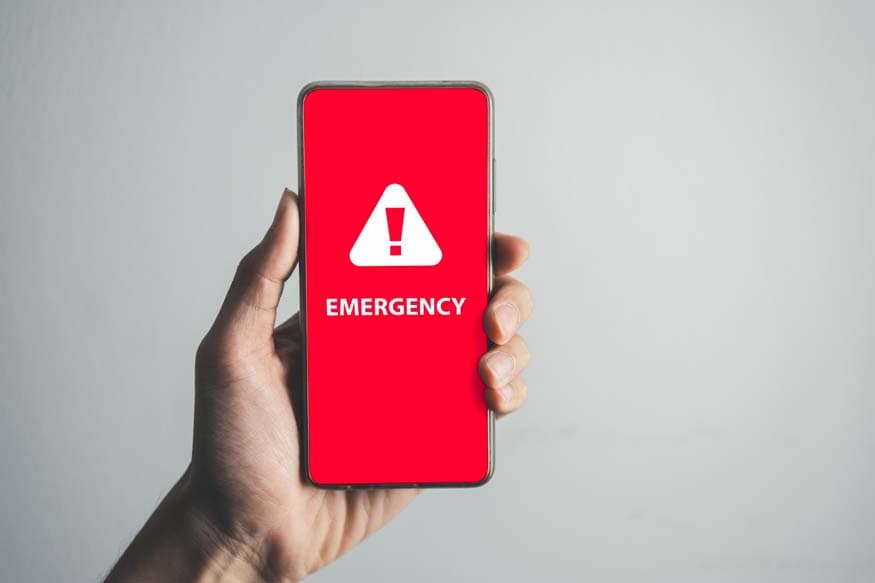
The primary emergency number in Greece, like in all EU countries, is 112. This number connects you to all emergency services (Police, Ambulance, Fire Brigade) and is free to call from any landline or mobile phone, even without a SIM card. Operators are typically available in English and other major European languages, making it the most reliable first point of contact for international visitors.
In addition to 112, specific emergency numbers are available for direct contact. For immediate police assistance, dial 100. For medical emergencies requiring an ambulance, dial 166. In case of fire, dial 199. These direct lines can be useful if you know exactly which service you need and prefer to bypass the general 112 system, though 112 is generally recommended for its multilingual support and comprehensive coverage.
Tourists can also contact the Tourist Police by dialing 171. This specialized unit is equipped to handle issues specific to visitors, such as lost passports, theft, or disputes with local businesses. For emergencies at sea or along the coast, the Coast Guard can be reached at 108. It's advisable to save these numbers in your phone before your trip.
Source: European Commission (112.eu), U.S. Embassy in Greece
Confidence: 0.98
Update cycle: Annually/As needed
Greece offers a mix of public and private healthcare. While major cities like Athens and Thessaloniki, along with popular tourist islands, have decent medical facilities, smaller, more remote islands and rural areas may have limited services. It is highly recommended to have comprehensive travel insurance that covers medical emergencies, including evacuation, as private hospitals often require upfront payment.
Common health concerns for tourists often relate to the Mediterranean climate. Intense summer heat can lead to heatstroke, dehydration, and severe sunburn. Visitors should prioritize staying hydrated, seeking shade during the hottest parts of the day (typically 11 AM to 4 PM), and consistently applying high-SPF sunscreen. Mosquitoes are prevalent, particularly in marshy areas or during dusk, so using insect repellent and considering appropriate clothing is advisable to prevent bites.
Regarding food and water, tap water is generally considered safe to drink in most urban areas and mainland Greece. However, many tourists opt for bottled water, especially on the islands or in older accommodations, to avoid any potential stomach upsets. It's always wise to exercise caution with street food and ensure all food is properly cooked and served to minimize the risk of foodborne illnesses. Staying updated on any specific health advisories, such as those related to COVID-19, from reputable sources like the CDC or WHO before and during your trip is crucial.

Source: Centers for Disease Control and Prevention (CDC), World Health Organization (WHO), U.S. State Department
Confidence: 0.97
Update cycle: Continuously/As needed
For most international tourists visiting Greece, there are typically no mandatory vaccinations required for entry, beyond ensuring routine immunizations are current. It is highly recommended that all travelers are up-to-date on standard vaccinations such as Measles, Mumps, Rubella (MMR), Diphtheria, Tetanus, Pertussis (DTaP), Varicella (chickenpox), and Polio. An annual flu shot is also advisable, especially for travel during the colder months.
Beyond routine shots, health authorities generally recommend Hepatitis A for most travelers to Greece, due to potential exposure through contaminated food or water, though the risk is low in tourist areas. Tetanus is also often recommended, as it protects against infections from cuts or wounds. These are standard recommendations for travel to many parts of the world and offer a good baseline of protection.
Depending on the nature and duration of your trip, additional vaccinations might be considered in consultation with your doctor. For instance, Hepatitis B might be recommended for those engaging in certain medical procedures or prolonged stays. Rabies and Tick-borne encephalitis are typically only considered for very specific, high-risk activities in rural areas and are not generally required for the average tourist. Always consult with a healthcare professional at least 4-6 weeks before your trip to discuss your individual needs and the latest recommendations.

Source: Centers for Disease Control and Prevention (CDC), World Health Organization (WHO)
Confidence: 0.96
Update cycle: Annually/As needed
Connectivity & Mobility in greece
Seamless Coverage with Top Carriers
Greece offers excellent mobile network coverage for tourists, primarily through its three major carriers: Cosmote, Vodafone, and Nova (formerly Wind). Cosmote is widely recognized for having the most extensive 4G/LTE and 5G network, reaching over 99% of the population for 4G and rapidly expanding 5G coverage to over 80% of the population. Vodafone and Nova also provide strong 4G/LTE and growing 5G networks, ensuring reliable connectivity across mainland Greece and most islands. Tourists can utilize both physical SIM cards and eSIMs for these networks, with eSIM options offering convenient digital activation. Prune offers competitive eSIM plans for Greece, allowing travelers to stay connected without the need for a physical SIM.
Source: COSMOTE S.A. Official Website - Investor Relations & Network Information
Confidence: 0.95
Update Cycle: 3-6 months

Prepaid SIM Avg Price for Tourists
For tourists visiting Greece, the average price for a prepaid physical SIM card from major carriers like Cosmote, Vodafone, or Nova typically ranges from €15 to €25. These packages usually include a bundle of data (e.g., 5-15 GB), some local call minutes, and SMS, valid for a specific period, often 15 to 30 days. Prices can vary based on the carrier, the specific plan selected, and any ongoing promotions. These SIMs are readily available at airports, carrier stores, and kiosks. Travelers looking for flexible and often more competitive pricing for eSIM plans should check out https://prune.co.in/.
Source: COSMOTE Greece Official Website - Prepaid Services Section
Confidence: 0.9
Update Cycle: 3-6 months

Excellent Metro & Transit Coverage
Mobile network coverage in Greece's major metropolitan areas and transit hubs is exceptionally strong, particularly for 4G/LTE and increasingly for 5G. Cities like Athens and Thessaloniki boast excellent 5G connectivity, with major carriers having significantly expanded their next-generation networks. Users can expect seamless high-speed internet access within city centers, public transportation (including metro lines in Athens), and major tourist attractions. 4G/LTE coverage is virtually ubiquitous in urban settings, ensuring reliable service even in older parts of cities or underground metro sections. This robust infrastructure supports everything from navigation to streaming and communication for visitors.
Source: Hellenic Telecommunications and Post Commission (EETT) - Market Data Reports
Confidence: 0.9
Update Cycle: 6-12 months

Money & Daily Life in greece
Currency
The official currency of Greece is the Euro (€). As a member of the European Union and the Eurozone, Greece uses the same currency as many other European countries. This simplifies transactions for visitors from other Eurozone nations and provides stability for international travelers. It's advisable to carry some smaller denominations for minor purchases, tips, or in areas where card payments might not be readily accepted.
Source: European Central Bank
Confidence: 1
Update Cycle: Stable

Tipping culture
Tipping in Greece is generally appreciated but not as deeply ingrained or expected as in some other countries, particularly the United States. In restaurants and cafes, it's common to round up the bill or leave a small amount, typically 5-10% for good service, especially if a service charge hasn't already been added (which is rare, but check the bill). For quick coffee or drinks, simply rounding up to the nearest euro is sufficient. Taxi drivers appreciate it if you round up the fare to the nearest euro. For hotel staff, like porters, 1-2 euros per bag is customary, and for housekeeping, 5-10 euros at the end of your stay is a nice gesture. Tour guides are often tipped 5-10 euros per person for a half-day tour, more for full-day excursions or exceptional service.
Source: Multiple travel forums and cultural guides (e.g., Rick Steves, Lonely Planet)
Confidence: 0.9
Update Cycle: Annually

Credit cards
Credit and debit cards, primarily Visa and Mastercard, are widely accepted throughout Greece, especially in major cities, popular tourist destinations, hotels, larger restaurants, and most retail stores. However, it's important to be aware that smaller establishments, local tavernas in remote areas, guesthouses, and market vendors may still operate on a cash-only basis. While card usage has significantly increased, it's always advisable to carry a sufficient amount of cash for smaller purchases, taxis, tips, or in situations where card machines might be temporarily out of service. Be sure to inform your bank of your travel plans to avoid any issues with transactions.
Source: Major credit card networks (Visa, Mastercard), various travel guides
Confidence: 0.95
Update Cycle: Annually

Plug/Voltage
Greece uses standard European plug types C and F. Type C plugs have two round pins, while Type F (also known as "Schuko") has two round pins and two earth clips on the side. Travelers from countries using different plug types, such as the UK, US, Canada, or Australia, will need a travel adapter to use their electronic devices. The standard voltage in Greece is 230 V, and the frequency is 50 Hz. Most modern electronic devices (laptops, phone chargers) are dual voltage (100-240V, 50/60Hz) and will only require a plug adapter. However, if your device is single voltage (e.g., 110-120V), you will also need a voltage converter to avoid damage.
Source: International Electrotechnical Commission (IEC), WorldStandards.eu
Confidence: 1
Update Cycle: Stable

Local language(s)
The official and predominant language of Greece is Greek (Modern Greek). While it is beneficial to learn a few basic Greek phrases like "Kalimera" (Good morning), "Efharisto" (Thank you), and "Parakalo" (Please/You're welcome), English is widely spoken, especially in major tourist destinations, hotels, restaurants, and by younger generations across the country. In highly popular tourist areas, you may also find staff who speak other European languages such as German, French, or Italian. However, venturing into more rural or less-traveled regions may require a greater reliance on Greek or the use of translation apps.
Source: Ethnologue, various government tourism sites
Confidence: 0.98
Update Cycle: Stable

Weather and Seasonal Guide for Greece

Best time to visit
April to early June and September to October
These shoulder seasons offer ideal weather with pleasant temperatures, fewer crowds compared to peak summer, and beautiful landscapes. Spring brings blooming wildflowers and comfortable conditions for sightseeing, while autumn provides warm sea temperatures perfect for swimming and outdoor activities without the intense heat.
Avg temp(april)
16°C
Pleasant and sunny, with wildflowers blooming across the country. Ideal for sightseeing, island hopping begins, and Greek Orthodox Easter often falls in this month, offering unique cultural experiences.
Source: Greek National Tourism Organization (GNTO) - Visit Greece
Confidence: 0.95
Update Cycle: Every 12 months
Destination Summary
greece
Greece offers an enchanting blend of ancient history, stunning islands with azure waters, and vibrant culture, making it a perfect destination for history buffs, beach lovers, and foodies alike. Explore iconic archaeological sites and relax on picturesque beaches.
CATEGORY
Schengen Europe
LANGUAGES
Greek
SPECIAL RULES
Schengen rules apply, ETIAS may be required from 2025 for visa-exempt travelers. Drive on the right-hand side of the road.
>
Average Flight Times from argentina to greece
Buenos Aires (EZE)
Ministro Pistarini International Airport
Athens (ATH)
Athens International Airport "Eleftherios Venizelos"
Duration
19 hr 30 min
Flight Type
1 Stop
Airlines
Turkish Airlines,
Lufthansa,
Aegean Airlines
Buenos Aires (EZE)
Ministro Pistarini International Airport
Thessaloniki (SKG)
Thessaloniki Airport "Makedonia"
Duration
21 hr 45 min
Flight Type
1 Stop
Airlines
Turkish Airlines,
Lufthansa,
SWISS
Cordoba (COR)
Ingeniero Aeronáutico Ambrosio L.V. Taravella International Airport
Athens (ATH)
Athens International Airport "Eleftherios Venizelos"
Duration
23 hr 15 min
Flight Type
2 Stops
Airlines
Air Europa,
Iberia,
Aegean Airlines
Mendoza (MDZ)
Governor Francisco Gabrielli International Airport
Heraklion (HER)
Heraklion International Airport "Nikos Kazantzakis"
Duration
28 hr 00 min
Flight Type
2 Stops
Airlines
LATAM,
Iberia,
Aegean Airlines
Why Customers Love Prune?
Instant internet on landing
Get connected the moment your plane touches down. No waiting, no hassle.
Save 80% vs roaming
Keep your travel budget intact with rates that crush traditional roaming fees.
Keep WhatsApp & OTP access
Stay reachable for messages, verifications, and two-factor codes wherever you are.
Works across regions
One eSIM covers multiple countries so you travel without swapping cards.
Setup in 2 minutes
Scan, activate, and go. It's that simple — no store visits needed.
24/7 support
Real humans ready to help you anytime, anywhere in the world.