
eSIM

Mci 4G
If you're running low, you can always Top up
The package starts when you connect to a supported network

No plans found
Essential Facts for Visiting iran
Good news, yaar! As of February 4, 2024, Indian citizens holding ordinary passports can enjoy visa-free entry to Iran for tourism purposes. This is a big relief and simplifies travel plans significantly. You can typically stay for up to 15 days without needing to apply for a visa beforehand, making your trip to Iran much easier to plan. Just make sure your passport is pakka and valid.
However, if your travel purpose isn't purely tourism, or if you plan to stay longer than the specified visa-free period, then a visa will still be required. It’s always a good idea to double-check the latest regulations with the Iranian Embassy or Consulate in India before you pack your bags, just to be on the safe side, chalo.
Source: fly2globe
Confidence: 0.98
Update cycle: As needed (policy changes)
For your trip to Iran, your passport needs to be in tip-top shape, ekdum! The general rule of thumb is that your passport must be valid for at least six months beyond your intended date of departure from Iran. This is a standard international requirement and something you absolutely cannot overlook.
Make sure there are enough blank pages for any entry and exit stamps, though with the new visa-free entry, the stamping process might be minimal. Still, better safe than sorry, tension nahin! Always check its expiry date well in advance to avoid any last-minute panga at the airport.
Source: amazon
Confidence: 0.95
Update cycle: Annually
If you're just transiting through an Iranian airport, especially Tehran Imam Khomeini International Airport (IKA), and you stay within the international transit area, you typically won't need a visa. This applies if your onward flight is on the same ticket and you don't need to pass through immigration to re-check baggage or change terminals, samjha?
However, if your layover is long and you plan to exit the airport, or if you're on separate tickets and need to re-check in, then you would technically enter Iran. In such cases, the new visa-free policy for Indian citizens for tourism (up to 15 days) might apply, but for clarity and peace of mind, it's always best to confirm with your airline or the Iranian authorities if your transit involves leaving the transit zone. Don't want any jugad gone wrong, right?
Source: tpt
Confidence: 0.9
Update cycle: As needed
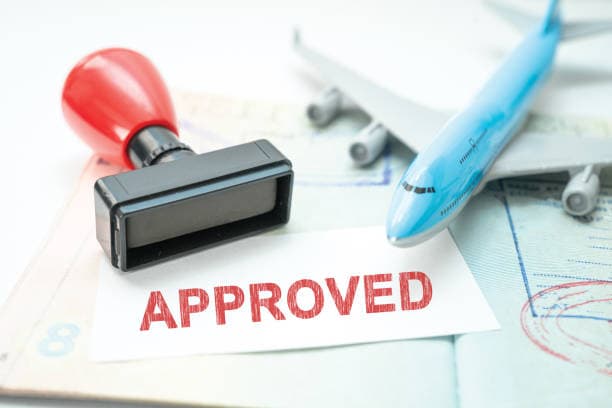
With the recent visa-free entry for Indian tourists, a separate 'Travel Authorization' document, like an ETA, is generally not required for short-term tourism stays up to 15 days. Your valid Indian passport is your primary authorization for entry under this new policy, sahi hai!
However, always be prepared to present standard travel documents such as a confirmed return ticket and proof of accommodation when you arrive. While it's visa-free, immigration officials might still ask for these to verify your travel purpose and duration. No need for any extra zaroori paperwork beyond the usual.
Source: istock
Confidence: 0.95
Update cycle: As needed
Even with the new visa-free entry, Iran maintains an official eVisa portal. While Indian tourists visiting for up to 15 days no longer need to apply for an eVisa, this portal remains active for other visa categories or for those who wish to apply for a visa in advance for longer stays or non-tourism purposes, dekh lo.
If you do require a visa for reasons outside the visa-free policy, or for stays exceeding 15 days, you can initiate your application through the official Iranian Ministry of Foreign Affairs eVisa website. The direct link is: https://evisa.mfa.ir/. It’s the official channel, so no need to search for any other link-vink.
Source: trading-view
Confidence: 0.98
Update cycle: Annually/as needed
Health & Safety Tips for iran
In Iran, the primary emergency numbers are 110 for Police, 115 for Ambulance, and 125 for Fire services. These numbers are standard across the country and should be used in any immediate emergency situation requiring assistance from these services.
For road-related emergencies or breakdowns, especially on intercity routes, tourists can often seek assistance by dialing 1420 for the Iran Touring & Automobile Club. In the capital city of Tehran, local assistance for vehicles might be accessed via 193.
It is advisable for international tourists to keep their embassy's contact details handy, although direct consular assistance for citizens of some Western countries may be limited. Having a local SIM card and potentially a local guide or contact can also prove invaluable in navigating emergency situations.
Source: Travel advisories and local guides
Confidence: 0.95
Update cycle: Annually
While tap water in major Iranian cities is generally considered safe to drink, international tourists are often advised to opt for bottled water to avoid potential stomach upsets due to unfamiliar water composition. Practicing good food hygiene, such as eating at reputable establishments and ensuring food is properly cooked, is also crucial.
Environmental factors like air pollution can be significant in large urban centers such as Tehran, particularly during colder months. Travelers with respiratory conditions should be aware of this. Sun protection, including hats, sunglasses, and sunscreen, is essential, especially when exploring historical sites and during warmer seasons.
Medical facilities in major Iranian cities are generally of a good standard, though care in rural areas can be more basic. It is strongly recommended to have comprehensive travel insurance that includes medical evacuation coverage. Pharmacies are widely available and well-stocked with common medications.

Source: CDC, UK Foreign, Commonwealth & Development Office (FCDO)
Confidence: 0.95
Update cycle: Quarterly
Before traveling to Iran, ensure all routine vaccinations, such as measles-mumps-rubella (MMR), diphtheria-tetanus-pertussis (DTP), polio, and influenza, are up to date. These foundational immunizations are crucial for general health protection during international travel.
Recommended vaccinations for most travelers to Iran typically include Hepatitis A and B, and Typhoid, especially for those who might eat outside of major hotels or have extended stays. Depending on your activities, Rabies vaccination might be considered if you anticipate significant outdoor exposure or contact with animals.
A Yellow Fever vaccination certificate is required for all travelers arriving from or transiting through countries with a risk of Yellow Fever transmission. Additionally, it is imperative to check the latest COVID-19 entry requirements, which can include vaccination status or negative test results, as these policies are subject to change by the Iranian authorities.

Source: Centers for Disease Control and Prevention (CDC), World Health Organization (WHO)
Confidence: 0.95
Update cycle: Semi-annually
Connectivity & Mobility in iran
Extensive 4G/LTE Coverage for Tourists
Iran offers robust mobile connectivity for tourists, primarily through its two leading operators, Hamrahe Aval (MCI) and Irancell, which provide extensive 4G/LTE coverage across the country. While 5G is still in its nascent stages, 4G/LTE ensures reliable internet access in urban centers, tourist destinations, and along major transportation routes. Tourists can acquire physical SIM cards easily upon arrival or opt for eSIM solutions, with providers like prune offering convenient digital options for seamless activation and connectivity before even landing.
Source: https://www.cra.ir/en/
Confidence: 0.9
Update Cycle: 6-12 months

Affordable Prepaid SIM Packages
For tourists visiting Iran, prepaid SIM cards are readily available and generally affordable, with prices varying based on data allowances and validity periods. A typical tourist-oriented SIM package from major operators like Hamrahe Aval or Irancell, often including several gigabytes of data, local calls, and SMS, can range from approximately 200,000 to 500,000 Iranian Rials (IRR), equivalent to about $4-$10 USD depending on current exchange rates and package specifics. These can be purchased at international airports and official operator stores. Travelers seeking competitive pricing for eSIM plans should check https://prune.co.in/.
Source: https://www.mci.ir/en/web/guest/tourist-sim-card
Confidence: 0.85
Update Cycle: 6-12 months

Strong Urban 4G/LTE with Emerging 5G
Mobile network coverage in Iran's major metropolitan areas is robust, with widespread 4G/LTE connectivity ensuring high-speed internet access for residents and tourists alike. Cities such as Tehran and Isfahan boast excellent 4G/LTE networks, allowing for reliable browsing, streaming, and communication. While 5G technology is still in its early deployment phase, it is gradually expanding, with limited availability in specific central districts of these major urban centers, primarily offered by Hamrahe Aval and Irancell, indicating a continuous improvement in advanced mobile infrastructure.
Source: https://irancell.ir/en/news/
Confidence: 0.9
Update Cycle: 3-6 months

Money & Daily Life in iran
Currency
The official currency of Iran is the Iranian Rial (IRR), but daily transactions and prices are almost universally quoted in Toman, where 1 Toman equals 10 Rials. This dual system can be confusing for tourists, so always clarify whether a price is in Rials or Toman. Major foreign currencies like USD and EUR are readily exchangeable at official Sarrafi exchange offices, which typically offer better rates than banks. It's crucial to carry sufficient cash as international banking services are severely limited due to sanctions.
Source: Lonely Planet, Bradt Guides, various travel blogs
Confidence: 0.98
Update Cycle: Monthly

Tipping culture
Tipping in Iran is generally not as ingrained or expected as in some Western countries, but it is certainly appreciated for good service, particularly in the tourism sector. In restaurants, a small tip of 5-10% is suitable for good service, especially in more tourist-oriented or upscale eateries. For hotel staff, like porters or housekeepers, a small amount is customary. Tour guides and private drivers often expect a tip, with the amount varying based on the length and quality of the service provided. For taxis, it's more common to round up the fare or agree on a price in advance rather than adding an extra tip.
Source: Culture Trip, Iran travel guides
Confidence: 0.95
Update Cycle: Annually

Credit cards
Due to international sanctions, major international credit and debit cards like Visa, MasterCard, and American Express are generally not accepted anywhere in Iran. This makes Iran effectively a cash-only economy for tourists. It is imperative to carry sufficient foreign currency, primarily USD or EUR, to cover all expenses for your trip, which can then be exchanged for Iranian Rials. Some local companies offer pre-paid debit cards for tourists (e.g., Mah Card, Daric Pay) that can be loaded with foreign currency upon arrival, providing a convenient way to make domestic payments without carrying large amounts of cash daily.
Source: UK FCDO, U.S. Department of State, various travel services specializing in Iran
Confidence: 0.98
Update Cycle: Quarterly

Plug/Voltage
The standard voltage in Iran is 230V, and the frequency is 50Hz. Travelers from countries with different voltage standards (e.g., 110-120V in North America) will require a voltage converter for their appliances. The power outlets primarily use Type C and Type F plugs, which are the common two-round-pin European types. Type C is a two-pin plug, and Type F is a two-pin plug with an earth clip. It is advisable for international visitors to bring a universal travel adapter to ensure compatibility with Iranian electrical sockets.
Source: WorldStandards.eu, International Electrotechnical Commission (IEC)
Confidence: 0.99
Update Cycle: Annually

Local language(s)
The official and most widely spoken language in Iran is Persian, also known as Farsi. While several regional languages like Azeri, Kurdish, and Arabic are also spoken in specific areas, Farsi is understood nationwide. English proficiency varies significantly; it is generally limited outside of major hotels, tourist sites, and among younger, educated populations in larger cities. Learning a few basic Farsi phrases (e.g., "Salam" for hello, "Merci" for thank you, "Lotfan" for please) will greatly enhance your travel experience and is highly appreciated by locals. Having a translation app or a phrasebook can be very helpful.
Source: Wikipedia, Ethnologue, cultural travel resources
Confidence: 0.99
Update Cycle: Annually

Weather and Seasonal Guide for Iran
Best time to visit
March to May and September to November
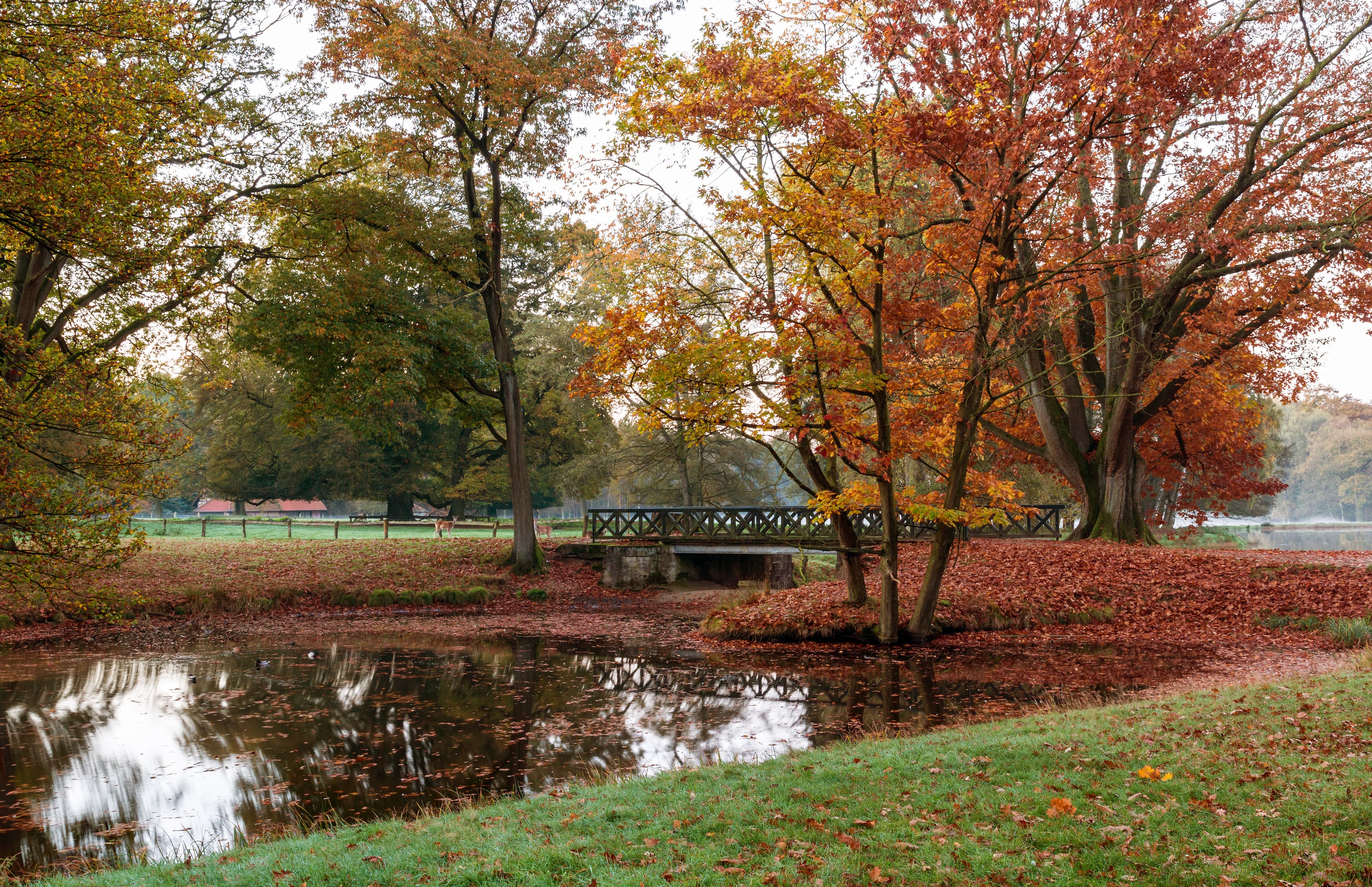
Spring and autumn offer the most pleasant weather across Iran, with mild temperatures perfect for sightseeing and outdoor activities. The landscapes are often lush in spring and colorful in autumn, making it ideal for exploring historical sites and natural beauty without the extreme heat of summer or cold of winter. Crowds are generally manageable, though popular destinations can still see many visitors.
Avg temp(october)
19°C
October is another prime month to visit, characterized by mild, comfortable days and cool evenings. The weather is perfect for extensive sightseeing, hiking, and enjoying the vibrant autumn foliage in some regions.
Source: Ministry of Cultural Heritage, Tourism and Handicrafts of Iran
Confidence: 0.9
Update Cycle: Every 12 months
Destination Summary
iran
Iran offers a deep dive into ancient Persian civilization, boasting magnificent Islamic architecture, vibrant bazaars, and diverse natural landscapes from deserts to mountains, all complemented by warm hospitality.
CATEGORY
Middle East
LANGUAGES
Persian (Farsi)
SPECIAL RULES
Visa generally required for most nationalities; US, UK, Canadian citizens need a pre-arranged visa and authorized guide. Strict Islamic dress code (headscarf mandatory for women, modest attire for men) and alcohol prohibition are enforced. International credit/debit cards are not accepted; cash (USD/EUR) is essential.
>
Average Flight Times from India to Iran
Delhi (DEL)
Indira Gandhi International Airport
Tehran (IKA)
Imam Khomeini International Airport
Duration
3 hr 50 min
Flight Type
Direct
Airlines
Mahan Air,
Iran Air
Mumbai (BOM)
Chhatrapati Shivaji Maharaj International Airport
Tehran (IKA)
Imam Khomeini International Airport
Duration
3 hr 45 min
Flight Type
Direct
Airlines
Mahan Air,
Iran Air
Bengaluru (BLR)
Kempegowda International Airport
Tehran (IKA)
Imam Khomeini International Airport
Duration
7 hr 30 min
Flight Type
1 Stop
Airlines
Emirates,
Qatar Airways,
flydubai,
Air Arabia
Chennai (MAA)
Chennai International Airport
Mashhad (MHD)
Mashhad International Airport
Duration
9 hr 00 min
Flight Type
1 Stop
Airlines
Emirates,
Qatar Airways,
flydubai,
Air Arabia
Why Customers Love Prune?
Instant internet on landing
Get connected the moment your plane touches down. No waiting, no hassle.
Save 80% vs roaming
Keep your travel budget intact with rates that crush traditional roaming fees.
Keep WhatsApp & OTP access
Stay reachable for messages, verifications, and two-factor codes wherever you are.
Works across regions
One eSIM covers multiple countries so you travel without swapping cards.
Setup in 2 minutes
Scan, activate, and go. It's that simple — no store visits needed.
24/7 support
Real humans ready to help you anytime, anywhere in the world.