How to Keep Your Mobile Number Active While Traveling Internationally (2026)

10
JUL
584 බැලීම්
How to Keep Your Mobile Number Active While Traveling Internationally (2026)
International travel has never been easier, but staying connected to your existing mobile number can still be one of the biggest challenges for travelers.
Whether you're traveling for business, studying overseas, working remotely, or taking a holiday, your mobile number is no longer just a way for people to call you.
Today, your number is connected to almost every aspect of your digital life.
It may be linked to:
· Online banking
· Credit cards
· Government services
· Corporate accounts
· Email security
· Social media
· Messaging apps
· Airline loyalty programs
· Healthcare services
· Investment platforms
· Online shopping accounts
Losing access to your primary number while abroad can lead to missed verification messages, delayed account access, and communication challenges at exactly the wrong time.
Fortunately, maintaining your existing number while traveling is much easier than many travelers realize.
With the right combination of roaming, dual SIM functionality, travel eSIMs, and simple preparation before departure, you can continue using your trusted mobile number while enjoying affordable international connectivity.
This guide explains everything you need to know.
Why Keeping Your Existing Number Matters

Many travelers assume they only need internet access overseas.
In reality, your existing mobile number remains your primary digital identity.
Businesses, financial institutions, employers, and government organizations recognize you by that number.
It is commonly used for:
· Banking OTPs
· Credit card alerts
· Fraud notifications
· Account recovery
· Two-factor authentication
· Airline notifications
· Appointment reminders
· Family communication
Changing numbers every time you travel can create unnecessary complications.
Keeping your primary number active helps ensure uninterrupted access to the services you already use.
What Happens If Your Number Becomes Inactive?

If your home SIM is switched off for an extended period or becomes inactive due to your carrier's policies, you may experience several issues.
These can include:
· Missed OTPs
· Missed incoming calls
· Missed SMS notifications
· Difficulty recovering online accounts
· Delayed banking verification
· Inability to access business systems
· Lost communication from friends or family
For long-term travelers, students, and digital nomads, maintaining number continuity is especially important.
Understanding SIM Validity
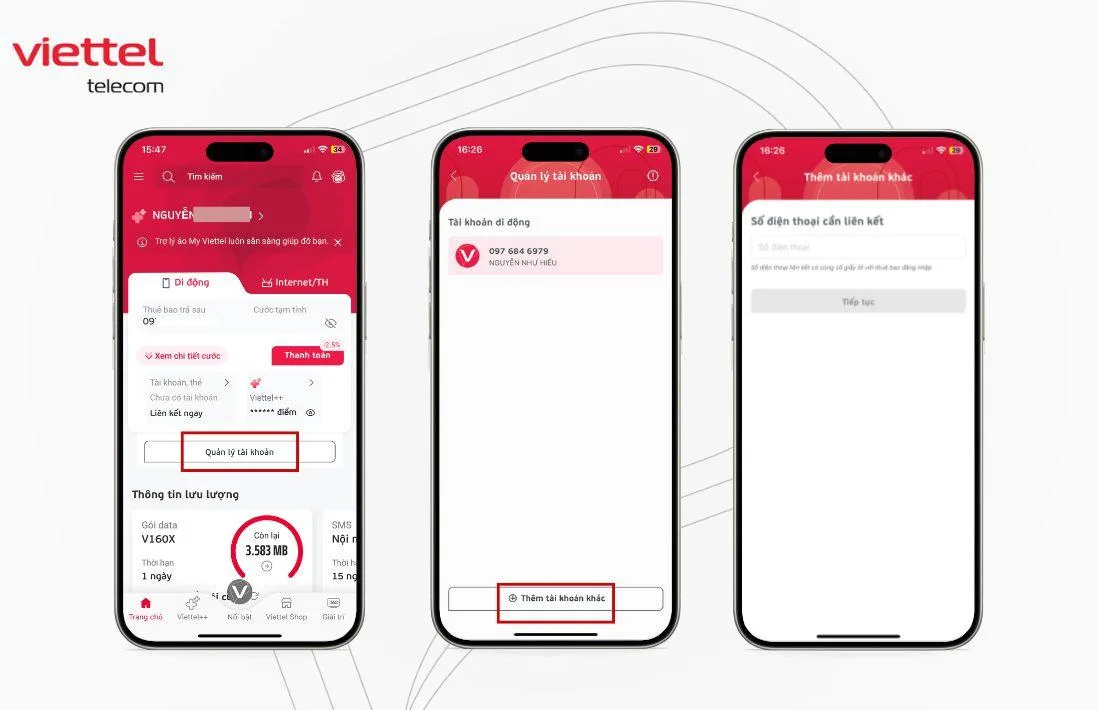
Every mobile operator has its own rules regarding SIM validity.
Some carriers require:
· Periodic recharges
· Minimum account balance
· Occasional network usage
· Valid roaming activation
If these conditions are not met, the SIM may eventually become inactive.
Before traveling, check your operator's policies regarding:
· SIM validity period
· Minimum recharge requirements
· Long-term inactivity rules
· International roaming availability
Understanding these policies can help you avoid losing your number while abroad.
International Roaming Explained

International roaming allows your home SIM to connect to partner mobile networks outside your home country.
When roaming is enabled, your home number can often continue receiving:
· Voice calls
· SMS messages
· Banking OTPs
· Security notifications
Depending on your operator and plan, roaming may also provide mobile data.
Many travelers choose to enable roaming primarily for incoming calls and SMS while relying on a travel eSIM for data.
This approach often provides the best balance between cost and convenience.
Why a Travel eSIM Complements Your Home SIM
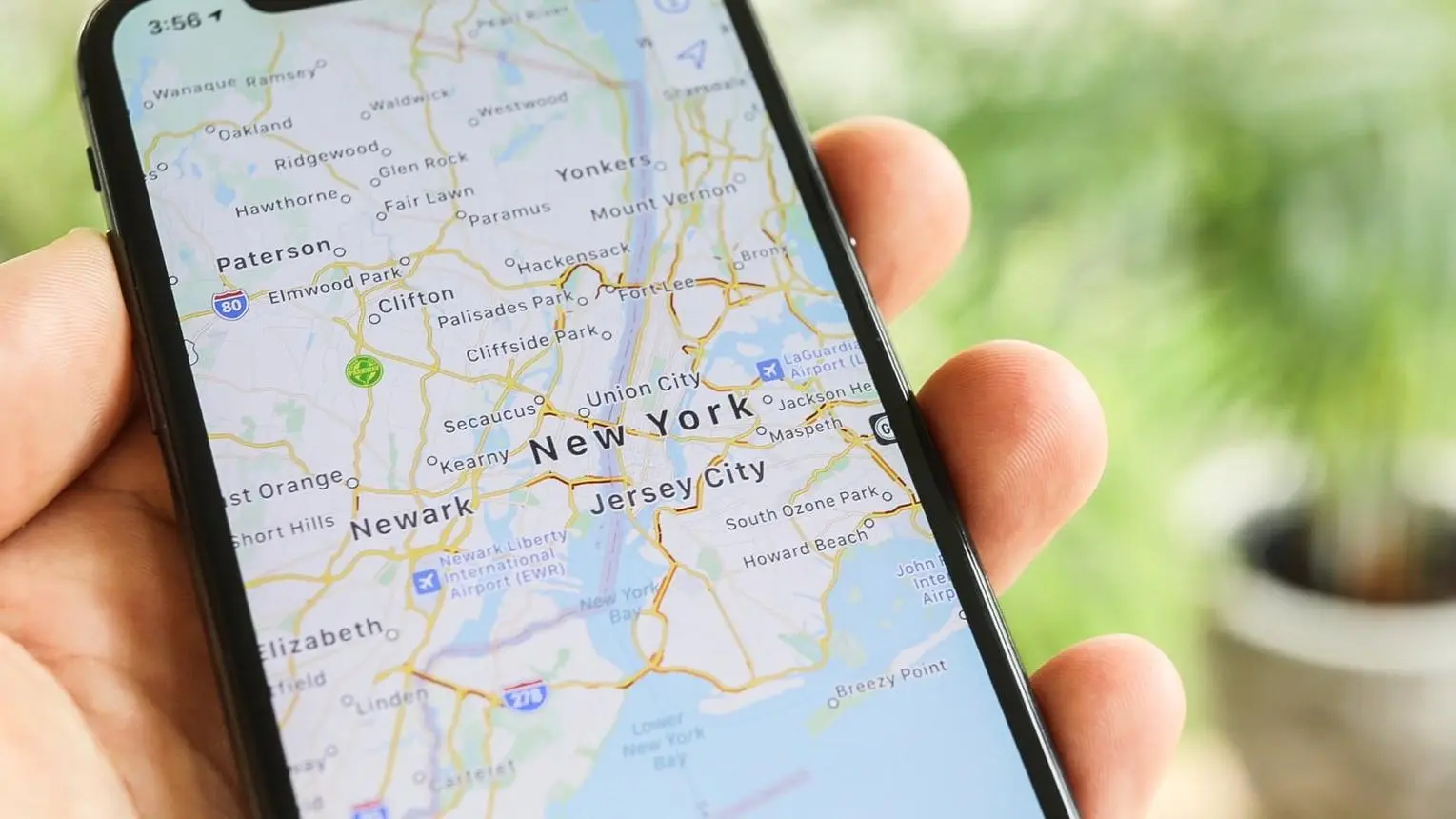
A common misconception is that installing a travel eSIM replaces your existing mobile number.
It doesn't.
Instead, a travel eSIM works alongside your existing SIM on compatible dual SIM smartphones.
Your home SIM can continue receiving:
· Banking OTPs
· Existing SMS
· Incoming calls
· Fraud alerts
· Security notifications
Meanwhile, your travel eSIM can provide:
· High-speed mobile data
· Voice calling (on supported plans)
· SMS on the travel eSIM number (on supported plans)
· Navigation
· Business communication
· Video calls
· Everyday internet access
This dual-SIM strategy is one of the most practical solutions for international travelers.
Dual SIM Makes International Travel Easier

Most modern smartphones support:
· One physical SIM + one eSIM
· Multiple eSIM profiles
· Dual active SIM functionality (on supported devices)
This allows you to separate responsibilities between your home number and your travel connectivity.
Home SIM
Use for:
· Existing mobile number
· Banking OTPs
· Credit card alerts
· Account verification
· Personal contacts
Travel eSIM
Use for:
· Mobile internet
· Voice calls (supported plans)
· SMS (supported plans)
· Maps
· Ride-hailing apps
· Travel bookings
· Work communication
This setup provides convenience without sacrificing continuity.
Receiving Calls While Traveling

Many travelers also want to continue receiving calls on their existing number.
Depending on your carrier, this may be possible through:
· International roaming
· Wi-Fi calling (where supported)
· Carrier-specific international services
Before departure, confirm:
· Whether incoming calls are supported while roaming
· Any associated charges
· Voicemail settings
· Call forwarding options
Understanding these features helps prevent missed communication.
How to Avoid Losing Your Number During Long Trips

For travelers spending several months overseas, additional preparation may be helpful.
Recommendations include:
· Maintain account validity with periodic recharges if required.
· Monitor account balance.
· Review carrier inactivity policies.
· Enable roaming before departure if necessary.
· Keep your SIM installed in a compatible device when practical.
Common Mistakes Travelers Make
Many connectivity problems arise because of avoidable mistakes.
Examples include:
Removing the Home SIM
Replacing your home SIM entirely may prevent you from receiving messages sent to your registered number.
Assuming a Travel eSIM Replaces Your Existing Number
A travel eSIM provides a separate mobile service.
It does not automatically become the number associated with your banking, social media, or business accounts.
Ignoring Carrier Requirements
Some operators require roaming activation or periodic account activity.
Checking these requirements before departure can prevent unexpected service interruptions.
Waiting Until Arrival to Configure Connectivity
Installing and testing your travel eSIM before traveling allows you to resolve any setup issues while you still have access to your home network.
Best Setup for Different Types of Travelers
Traveler Recommended Setup
Tourist Home SIM + Travel eSIM
Business Traveler Home SIM + Voice, SMS & Data eSIM
Student Home SIM + Regional eSIM
Digital Nomad Home SIM + Global eSIM
Frequent Flyer Permanent home SIM + Multi-country eSIM
Travel Preparation Checklist

Before leaving home:
✔ Confirm SIM validity.
✔ Check roaming availability.
✔ Install your travel eSIM.
✔ Verify banking apps.
✔ Test incoming SMS.
✔ Review voicemail settings.
✔ Save emergency contacts.
✔ Carry an additional payment method.
✔ Update important apps.
✔ Enable biometric security.\
Why Prune Travel eSIM Complements Your Existing Number

Prune Travel eSIM is designed to work alongside your existing mobile number, giving travelers reliable connectivity without requiring them to abandon their primary SIM.
Depending on the selected plan, Prune offers:
· High-speed mobile data
· Voice calling
· SMS capability
· Digital activation
· Regional and global coverage
This allows you to continue receiving important calls and messages on your home number while enjoying affordable international connectivity for everyday travel.
Your mobile number is more than a contact number—it is a key part of your digital identity.
Keeping it active while traveling helps ensure uninterrupted access to banking services, business accounts, family communication, and online verification.
For most international travelers, the most effective approach is simple:
· Keep your home SIM active.
· Understand your carrier's roaming and SIM validity policies.
· Use a travel eSIM for data, voice, and SMS where supported.
· Prepare your device before departure.
With the right setup, you can stay connected, receive important messages, and travel with confidence wherever your journey takes you.




නවතම සටහන

18 Jul 2025

09 Jul 2026

08 Jul 2026