Best Travel eSIM for Secure Banking While Traveling Internationally (2026)

8
JUL
539 බැලීම්
Best Travel eSIM for Secure Banking While Traveling Internationally (2026)
International travel has become almost completely digital.
Whether you're travelling for business, leisure, education, or working remotely, your smartphone has become your wallet, bank, boarding pass, navigation device, and communication hub.
Today, travellers regularly use their phones to:
· Access online banking
· Approve card payments
· Receive fraud alerts
· Pay hotel deposits
· Book flights
· Exchange currencies
· Transfer money
· Manage investments
· Authenticate corporate accounts
· Make mobile payments
Most of these activities depend on two essential things:
· A secure internet connection
· Reliable identity verification
Without either one, even simple financial tasks can become difficult.
Imagine arriving in another country and discovering that you cannot approve your credit card payment, log into your banking app, or verify an urgent international transfer.
Situations like these happen more often than many travellers expect.
Fortunately, with proper planning and the right travel connectivity strategy, you can continue accessing your financial services securely from almost anywhere in the world.
This guide explains how travel eSIMs fit into secure international banking, how banking verification actually works, and the best way to stay connected without compromising account security.
Why Secure Banking Matters More Than Ever During International Travel

International travel often involves more financial transactions than daily life at home.
Travellers regularly need to:
· Withdraw cash
· Pay for hotels
· Authorise large credit card purchases
· Book transportation
· Reserve rental cars
· Exchange currencies
· Purchase travel insurance
· Handle emergency expenses
· Pay business vendors
· Approve online transactions
Many of these actions trigger additional security verification from banks and financial institutions.
Banks continuously monitor transactions for unusual activity.
When they detect purchases from another country, they may request additional verification before approving the payment.
This helps protect customers from fraud, but it also means travellers need reliable access to their registered mobile number and secure internet connectivity.
The Biggest Misconception About Travel eSIMs and Banking OTPs
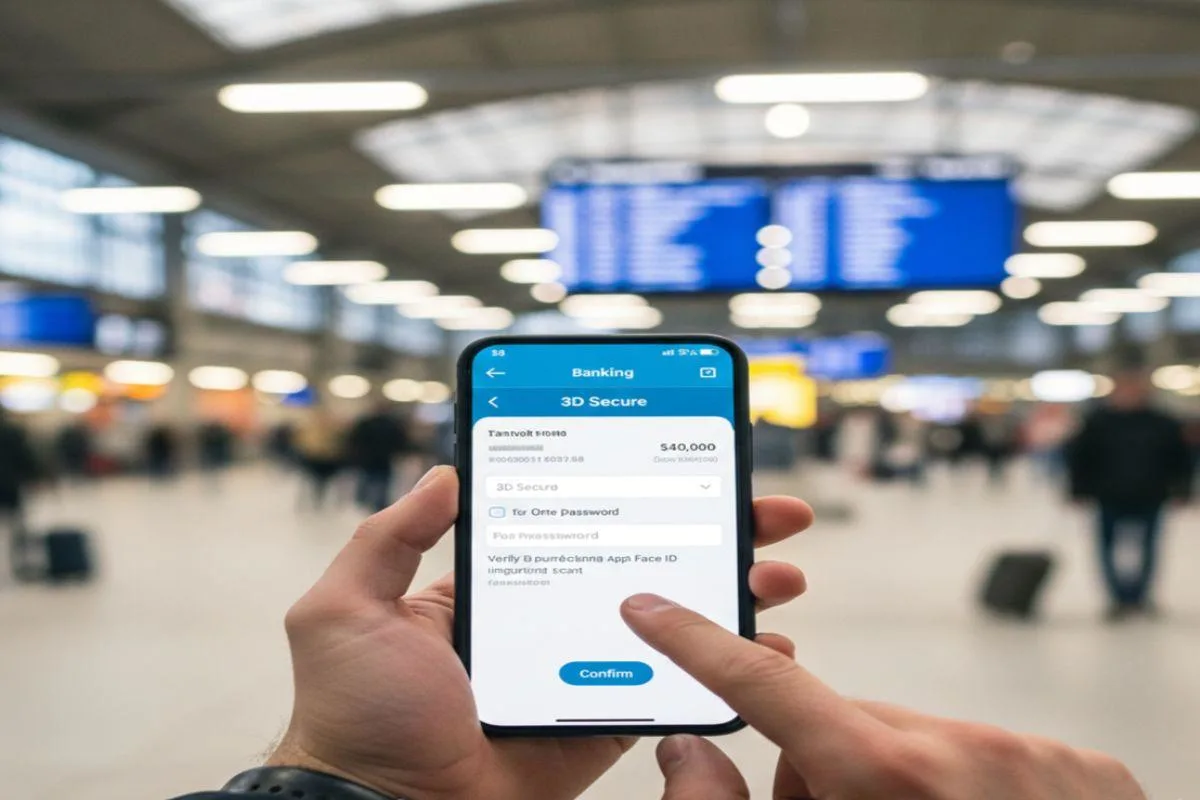
One of the most common myths online is:
"Buy a travel eSIM and all your banking OTPs will automatically work."
Unfortunately, that is not how banking authentication works.
Banks do not send verification codes to whichever SIM card is currently installed in your phone.
Instead, they send OTPs to the mobile number registered on your banking profile.
For example:
· If your bank account is linked to your home mobile number, OTPs will continue to be sent to that number.
· Installing a new travel eSIM does not automatically update your bank's records.
· Unless you formally change your registered number with your bank, verification messages will continue to be delivered to your existing number.
Understanding this distinction is essential when planning your travel connectivity.
It also explains why many travellers experience problems after replacing their home SIM with a local SIM card or data-only travel eSIM.
What Does a Travel eSIM Actually Do?
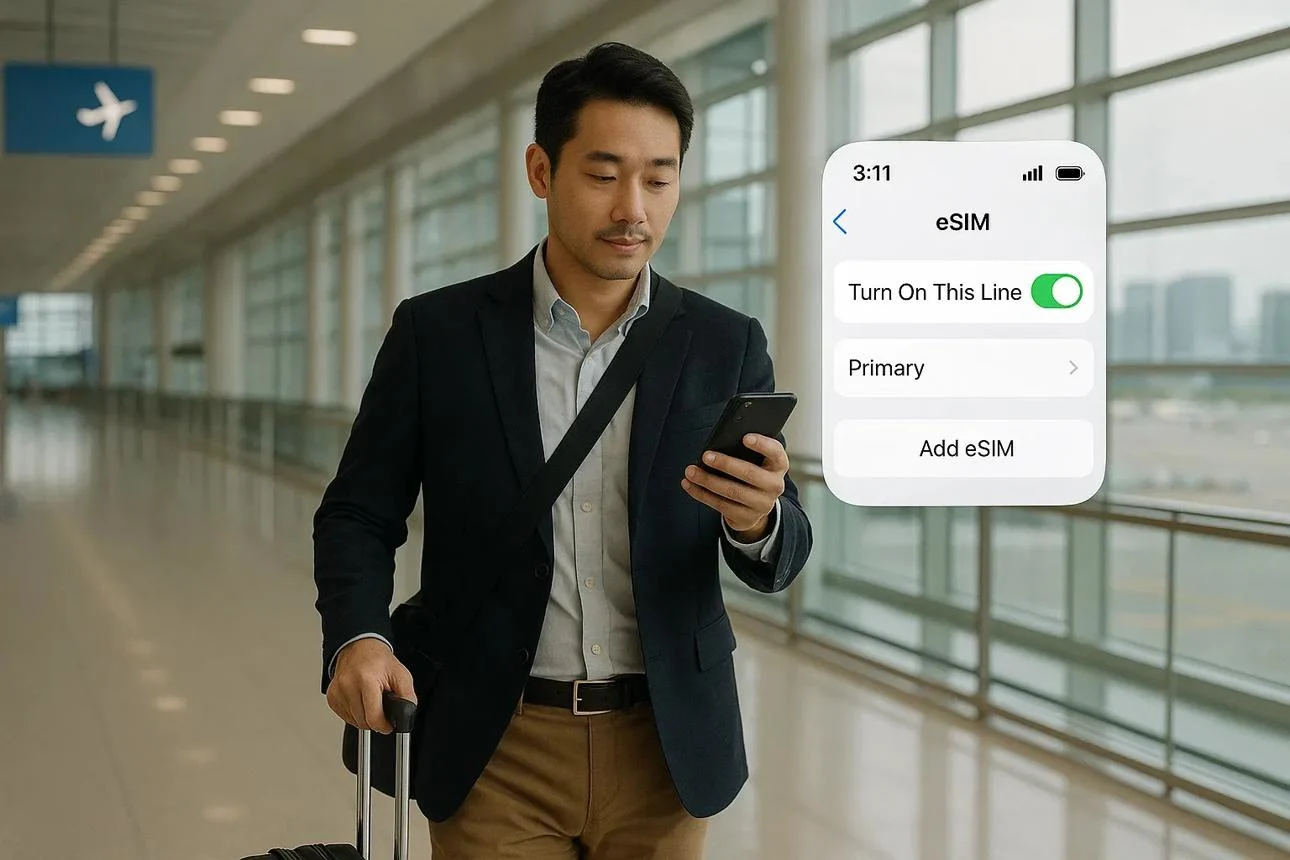
A travel eSIM is designed to provide affordable and convenient mobile connectivity while abroad.
Depending on the plan, it may include:
· High-speed mobile data
· Voice calling
· SMS support
· Regional or global coverage
· Digital activation before travel
Its primary role is to keep you connected to the internet without relying on expensive international roaming or constantly searching for public Wi-Fi.
This makes it ideal for:
· Banking app access
· Mobile payments
· Secure browsing
· Maps and navigation
· Business communication
· Video meetings
· Messaging apps
However, the travel eSIM complements your existing mobile number rather than replacing it for services already tied to that number.
The Best Banking Setup While Travelling
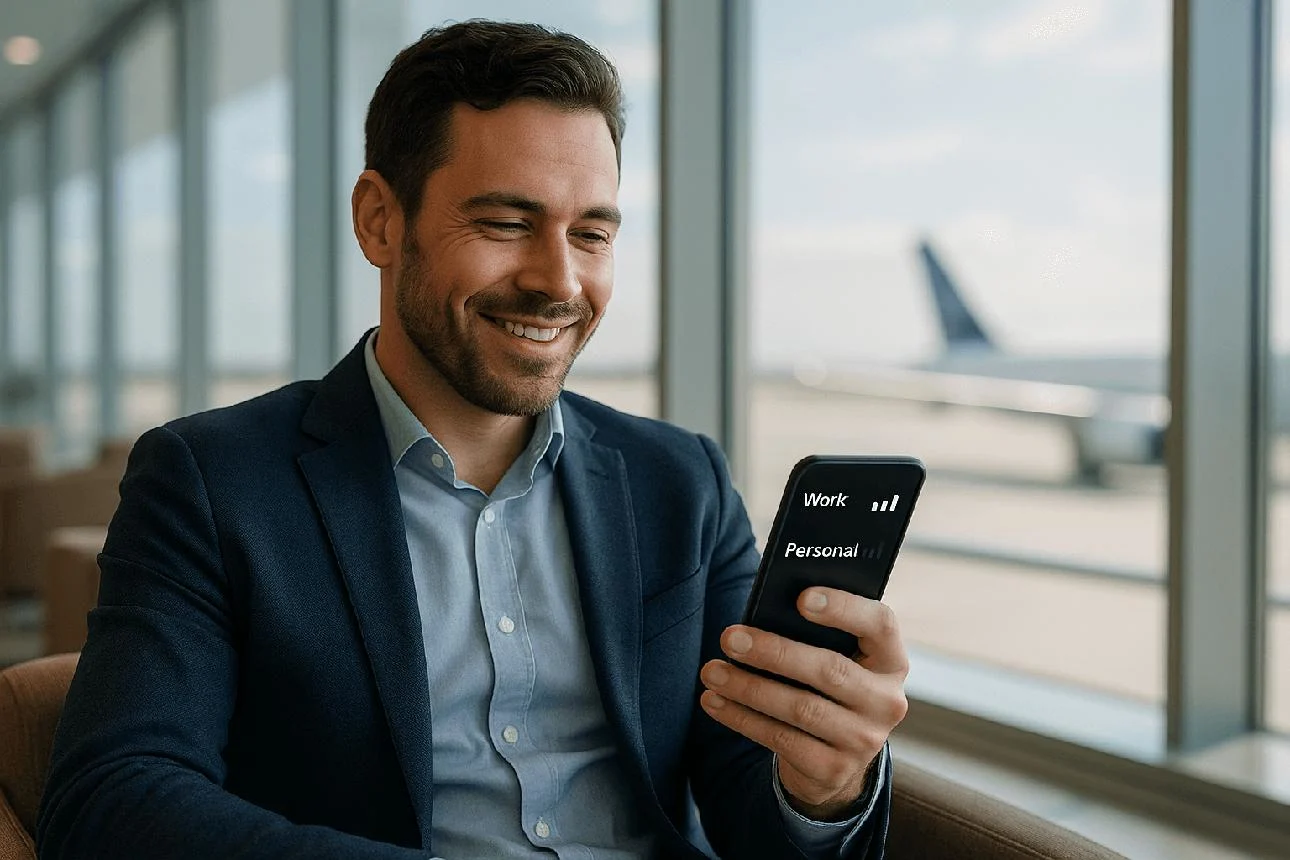
Experienced international travellers typically separate their communication needs between two mobile connections.
Home SIM
Your primary mobile number should remain associated with:
· Banking OTPs
· Credit card alerts
· Fraud notifications
· Existing two-factor authentication
· Government services
· Healthcare portals
· Account recovery
· Long-term financial relationshipsBanking OTPs
This is your digital identity.
Keeping access to it while travelling helps ensure you continue receiving critical security messages.
Travel eSIM
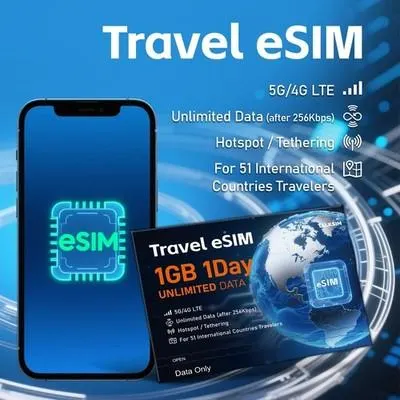
Your travel eSIM becomes your everyday connectivity solution.
It is ideal for:
· Mobile data
· Banking app internet access
· Secure online payments
· Voice calling (where supported)
· Travel bookings
· Ride-hailing apps
· Video conferencing
· Maps and navigation
· Cloud applications
Instead of paying expensive roaming data charges, the travel eSIM handles almost all of your internet usage while your home SIM remains available for important authentication messages.
Why SMS-Only Roaming Can Be Worth Considering
Many mobile operators around the world offer the option to keep receiving SMS while travelling internationally.
Depending on your carrier, this may be included automatically or available as a low-cost roaming add-on.
For many travellers, enabling inbound SMS on the home SIM provides access to:
· Banking OTPs
· Credit card verification
· Fraud alerts
· Security notifications
· Password reset codes
Because SMS typically uses very little network capacity, receiving messages while roaming is often much less expensive than using full roaming data services.
Before travelling, check with your home mobile provider to understand:
· Whether incoming SMS is supported while roaming.
· If roaming needs to be enabled before departure.
· Any charges that may apply.
· The countries where SMS reception is available.
This simple step can help avoid authentication issues during your trip.
Banking Apps Need More Than OTPs
Receiving an OTP is only one part of secure online banking.
Most banking apps also require a stable internet connection for:
· Account login
· Transaction history
· Payment approvals
· Card management
· International transfers
· Investment monitoring
· Mobile wallet integration
This is where a travel eSIM becomes especially valuable.
Rather than relying on slow or unsecured public Wi-Fi, travellers can access banking services over a dedicated mobile data connection, improving both convenience and security.
Real-World Banking Situations Where Connectivity Matters

Many travelers only think about online banking when they need to check their account balance. In reality, banking services are used throughout an international trip, often in situations where immediate access is essential.
Consider a typical overseas journey. Within the first few days, you may need to:
· Pay a hotel security deposit
· Authorize a large credit card transaction
· Withdraw local currency from an ATM
· Book last-minute transportation
· Extend a hotel reservation
· Exchange foreign currency
· Pay for conference registration
· Transfer funds between accounts
· Purchase travel insurance
· Approve an online payment
Each of these activities may require either internet connectivity, SMS verification, or both.
Without reliable connectivity, even routine financial transactions can become frustrating.
Paying Hotels and Security Deposits

Hotels frequently place temporary authorization holds on credit cards when guests check in.
If your bank detects an unusual international transaction, it may request additional verification before approving the payment.
Depending on your bank's security policies, you might receive:
· A push notification in your banking app
· An OTP sent to your registered mobile number
· A fraud alert requesting confirmation
· A phone call from the bank's fraud prevention team
Having access to both your registered mobile number and reliable mobile internet allows you to respond quickly without delaying check-in.
Using ATMs Overseas
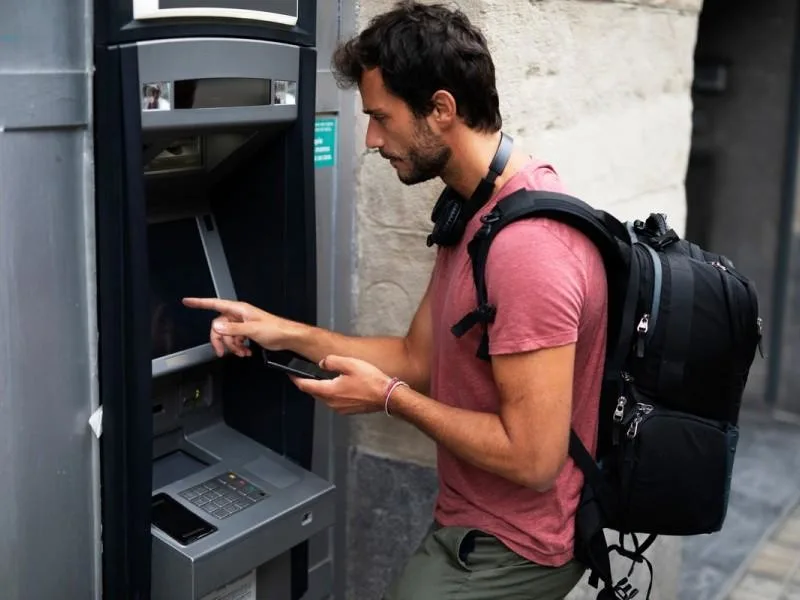
Cash remains important in many destinations, even where digital payments are widely accepted.
When withdrawing money internationally, banks may:
· Request additional authentication
· Send security notifications
· Flag unusual withdrawal patterns
· Temporarily restrict transactions until verified
Before travelling, inform your bank if they offer travel notifications, and ensure your registered mobile number remains accessible throughout your trip.
Credit Card Verification Abroad
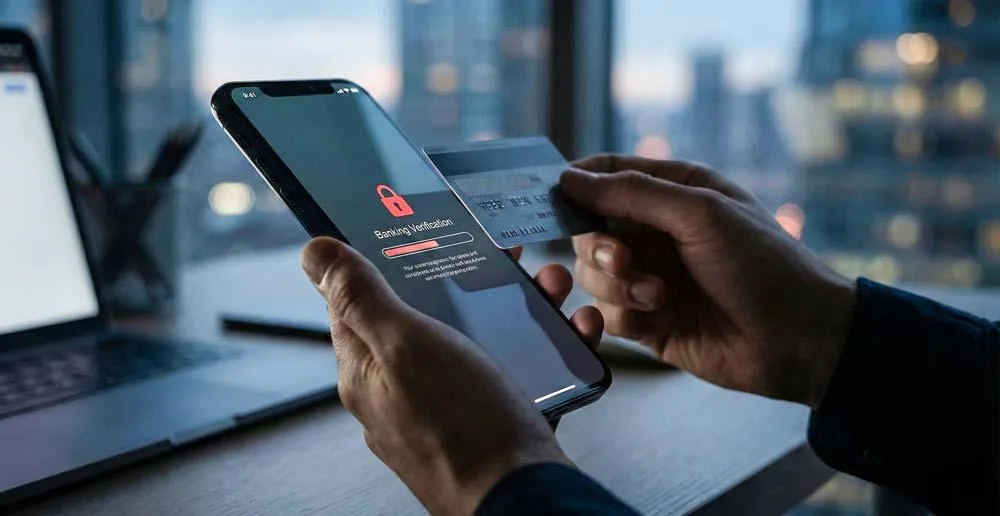
Many banks use intelligent fraud detection systems.
A purchase made thousands of kilometres from your home country may appear suspicious, particularly if it differs from your normal spending habits.
Common examples include:
· Luxury hotel payments
· Electronics purchases
· Airline tickets
· Car rentals
· Large restaurant bills
If verification is required, the bank may send an OTP or ask you to confirm the transaction through your mobile banking app.
Reliable connectivity ensures you can approve legitimate purchases without unnecessary delays.
International Money Transfers
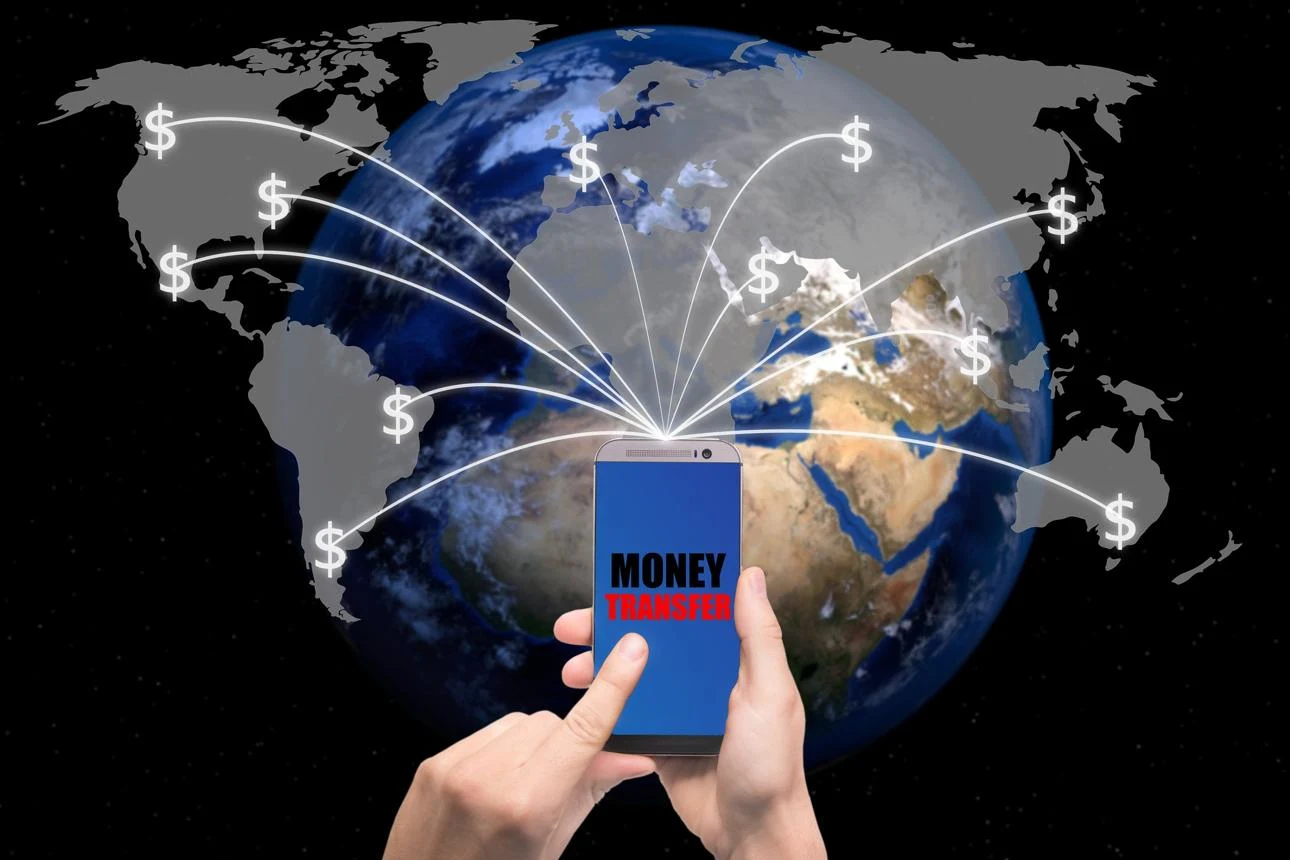
Business travellers, expatriates, students, and remote workers often perform international transfers while overseas.
These transactions frequently require:
· Secure internet access
· Multi-factor authentication
· Banking app approval
· SMS verification
A stable mobile data connection helps ensure transfers can be completed safely without depending on unsecured public Wi-Fi networks.
Emergency Banking Situations

Unexpected situations can arise during any international trip.
Examples include:
· A misplaced debit card
· A blocked credit card
· Suspected fraudulent activity
· Emergency cash transfers
· Lost wallet
· Unauthorized account access
In these situations, quick communication with your financial institution becomes essential.
A travel eSIM with reliable data connectivity allows you to:
· Access your banking app immediately
· Contact customer support
· Locate emergency assistance
· Freeze or unblock cards
· Monitor account activity in real time
Responding quickly can significantly reduce financial risk.
Why Public Wi-Fi Isn't Ideal for Banking
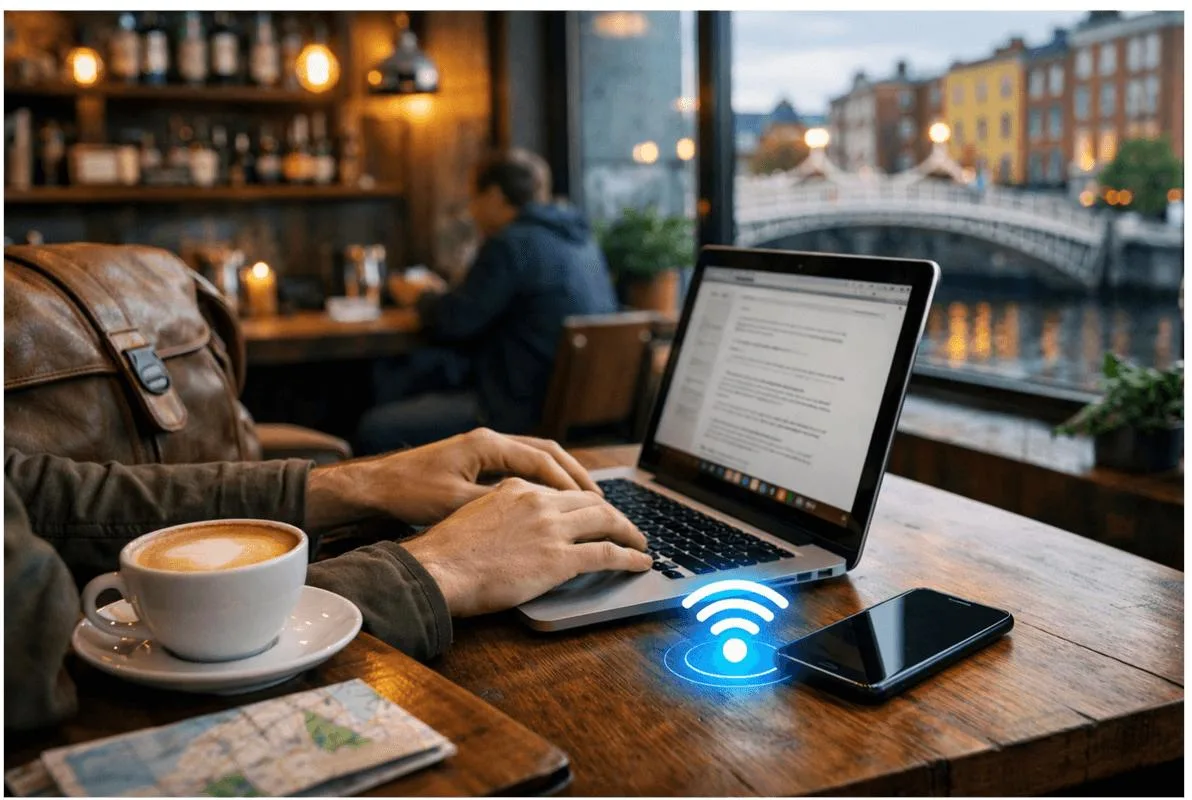
Free Wi-Fi is available in many airports, hotels, cafés, shopping centres, and public spaces.
While convenient for casual browsing, public networks are not always the safest environment for financial activities.
Potential risks include:
· Unsecured networks
· Fake Wi-Fi hotspots
· Data interception
· Session hijacking
· Credential theft
Although many banking applications use strong encryption, cybersecurity experts generally recommend avoiding sensitive financial transactions over unsecured public Wi-Fi whenever possible.
Using a trusted mobile data connection through a travel eSIM provides an additional layer of privacy and reliability.
Mobile Data Provides a More Secure Banking Experience
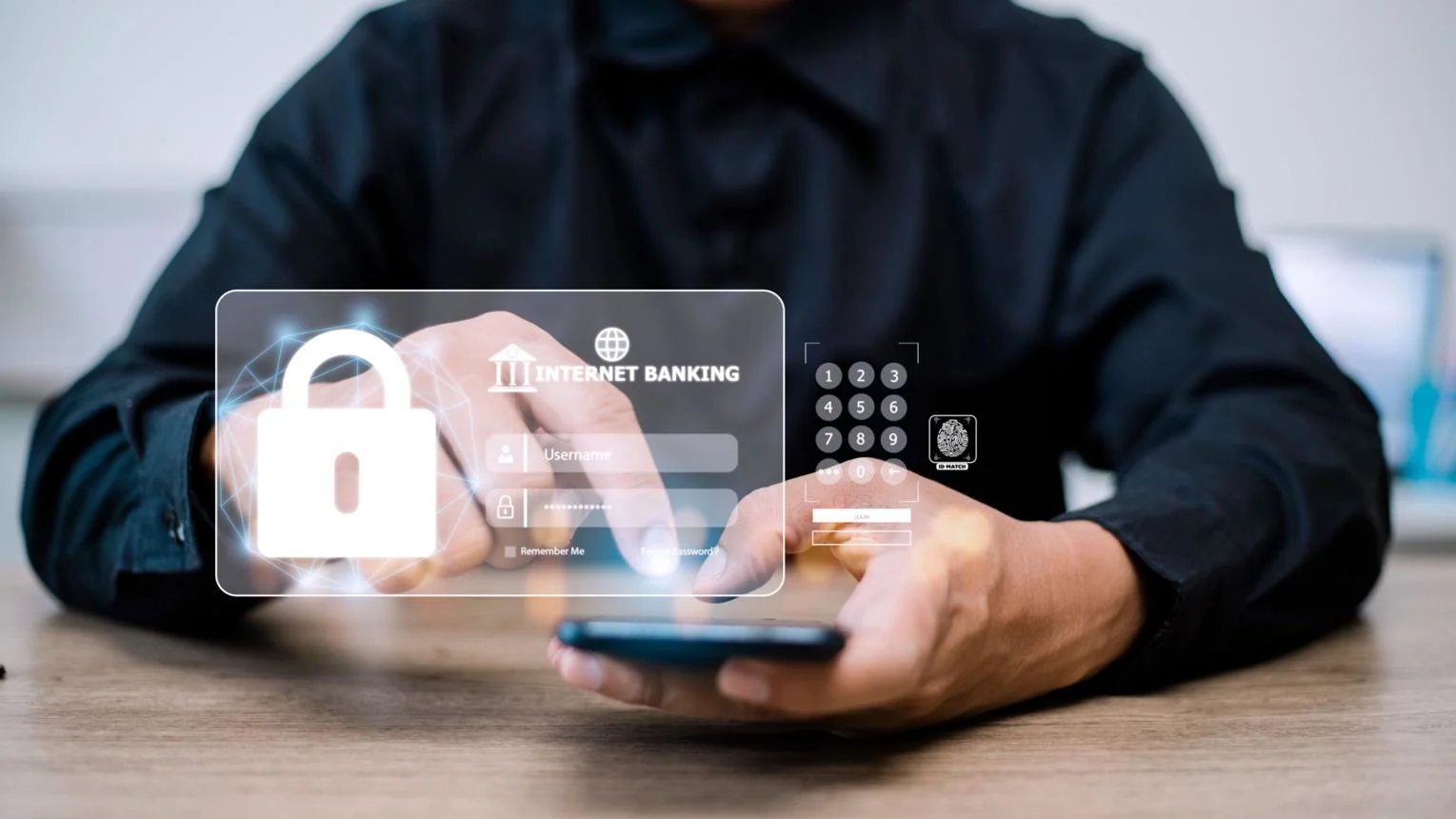
A travel eSIM gives travellers access to dedicated mobile data through local or partner mobile networks.
Compared with public Wi-Fi, mobile data offers several advantages for banking activities:
· More reliable connectivity
· Reduced exposure to public networks
· Better performance for banking applications
· Consistent access while travelling between locations
· Greater convenience without searching for Wi-Fi
Whether checking balances, approving transactions, or managing investments, a stable mobile connection helps create a smoother banking experience.
Why Voice Calling Can Still Be Important

Many travellers assume banking communication happens entirely through apps and SMS.
However, voice communication remains valuable in several situations.
Your bank may call to:
· Verify suspicious activity
· Confirm high-value transactions
· Discuss fraud prevention
· Assist with blocked cards
· Complete identity verification
Likewise, you may need to call your bank to:
· Report a lost card
· Request emergency assistance
· Confirm overseas transactions
· Reset account access
· Speak with customer support
For travellers who expect to make or receive important calls abroad, a travel eSIM with voice capability provides additional flexibility.
Business Travellers and Corporate Banking

Business travellers often manage financial transactions while travelling internationally.
Typical activities include:
· Expense approvals
· Supplier payments
· Corporate credit cards
· International invoices
· Payroll authorisations
· Business banking
Many organisations also use multi-factor authentication for treasury platforms and financial management systems.
Maintaining secure connectivity throughout the trip helps minimise interruptions to business operations.
Digital Nomads and Freelancers
Remote professionals frequently rely on online financial platforms.
These may include:
· International payment services
· Freelance marketplaces
· Digital banking platforms
· Investment applications
· Multi-currency accounts
Since income often depends on uninterrupted access to these services, maintaining reliable connectivity is particularly important for long-term travellers.
Students Studying Abroad

International students also depend on secure banking throughout their studies.
Common financial activities include:
· Tuition payments
· Rent transfers
· Everyday purchases
· International transfers from family
· Scholarship payments
Using a travel eSIM or suitable local connectivity solution helps students securely access their banking services while keeping their registered mobile number available for important authentication.
Travel eSIM vs International Roaming vs Local SIM for Banking
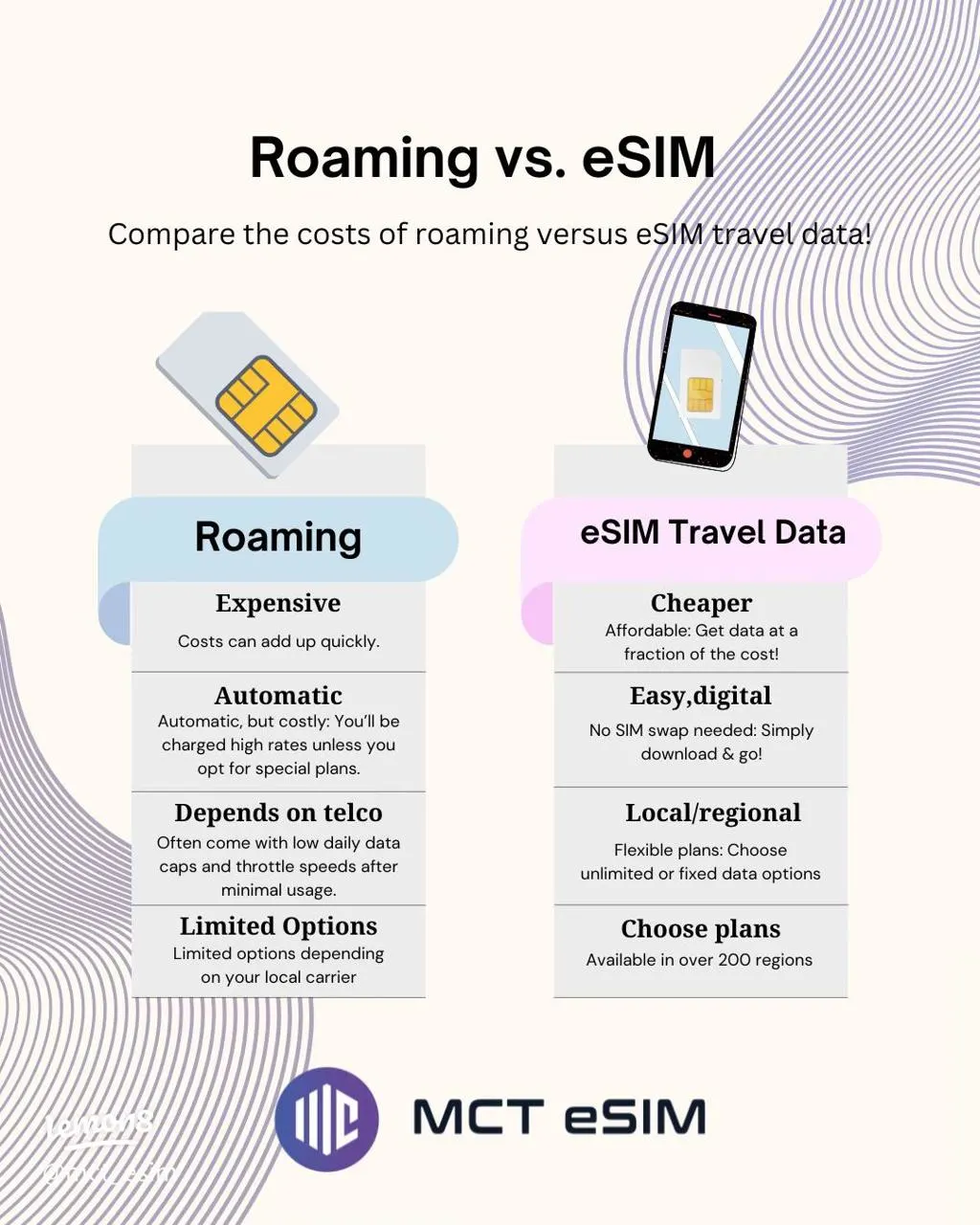
Choosing the right connectivity option can improve both convenience and security.
Feature Travel eSIM International Roaming Local SIM
Secure mobile data ✅ Excellent ✅ Good ✅ Good
Easy activation ✅ Before departure ✅ Automatic ❌ After arrival
Banking app internet ✅ Yes ✅ Yes ✅ Yes
Uses existing bank number ❌ No ✅ Yes ❌ No
Requires SIM replacement ❌ No ❌ No ✅ Usually
Multi-country travel ✅ Excellent Depends on carrier Usually limited
For many travellers, the most practical setup is:
· Keep the home SIM active for banking OTPs and security messages.
· Use a travel eSIM for mobile data, voice calling (where supported), and day-to-day connectivity.
This approach combines affordability with uninterrupted access to existing financial services.
Best Practices Before You Travel
Preparing your banking access before departure can prevent many common issues overseas.
Recommended steps include:
· Inform your bank about extended international travel if required.
· Verify that your registered mobile number is active.
· Check whether your home carrier supports incoming SMS while roaming.
· Install your travel eSIM before departure.
· Test your banking applications.
· Review your account recovery options.
· Enable biometric authentication where available.
· Install an authenticator app for services that support it.
· Save emergency banking contact numbers offline.
· Carry at least two payment methods.
A small amount of preparation can significantly reduce the likelihood of banking disruptions while abroad.
Comparison: Travel eSIM vs International Roaming vs Local SIM

The right connectivity option depends on how you travel, how long you will be away, and how often you need secure access to financial services.
Feature Travel eSIM International Roaming Local SIM Card
Buy Before Departure ✅ Yes Usually Not Required ❌ No
Instant Activation ✅ Yes ✅ Yes ❌ Usually After Arrival
High-Speed Mobile Data ✅ Excellent Depends on Plan ✅ Excellent
Voice Calling Available on supported plans Usually Available Yes
SMS Support Available on supported plans Usually Available Yes
Banking OTP on Existing Number Home SIM Required Yes Home SIM Required
Physical SIM Replacement ❌ No ❌ No ✅ Yes
Multi-Country Coverage Excellent Depends on Operator Usually Country Specific
Easy to Manage Excellent Moderate Moderate
Best for Short Trips ⭐⭐⭐⭐⭐ ⭐⭐⭐ ⭐⭐⭐
Best for Multi-Country Travel ⭐⭐⭐⭐⭐ ⭐⭐ ⭐
For many travellers, the combination of a home SIM and travel eSIM offers the best balance of convenience, flexibility, and security.
Banking Connectivity Decision Matrix
Every traveller has different priorities.
The table below provides a practical recommendation based on travel style.
Traveller Type Home SIM Travel eSIM Why This Setup Works
Leisure Traveller Keep active for banking OTPs Data for navigation and bookings Affordable and convenient
Business Traveller Banking and corporate authentication Voice, SMS (where supported) and data Productivity with secure access
Digital Nomad Identity verification Everyday internet and work Reliable long-term connectivity
Student Banking and university accounts Internet for studies and daily life Simple and flexible
Frequent Flye Permanent number Destination or regional eSIM Consistent setup across trips
Travel Preparation Checklist

Preparing before departure is one of the easiest ways to avoid banking and connectivity issues while abroad.
Before You Leave
✔ Confirm your home SIM is active.
✔ Check whether your mobile operator supports incoming SMS while roaming.
✔ Enable roaming if required for receiving verification messages.
✔ Install your travel eSIM before departure.
✔ Test your mobile data connection.
✔ Log in to your banking apps.
✔ Verify that your registered mobile number is correct.
✔ Review account recovery settings.
✔ Install authentication apps for services that support them.
✔ Save important banking phone numbers offline.
✔ Carry at least two payment methods.
✔ Download offline maps for your destination.
✔ Update your banking applications.
✔ Charge backup power banks before travelling.
A few minutes of preparation can save hours of frustration during your trip.
Banking Security Checklist While Abroad
Good connectivity should always be combined with good security practices.
When accessing financial services internationally:
✔ Use mobile data instead of unsecured public Wi-Fi whenever possible.
✔ Enable Face ID or fingerprint authentication.
✔ Lock your phone with a strong PIN.
✔ Turn on multi-factor authentication.
✔ Monitor banking notifications regularly.
✔ Review card transactions every day while travelling.
✔ Never share OTPs with anyone.
✔ Contact your bank immediately if you notice suspicious activity.
Why Prune Travel eSIM Complements Secure Banking
Prune Travel eSIM is designed to provide reliable international connectivity that supports modern travellers without requiring them to replace their existing mobile identity.
A practical travel setup looks like this:
Your Home SIM
Continue using your existing mobile number for:
· Banking OTPs
· Credit card alerts
· Fraud notifications
· Existing account verification
· Government and healthcare services
· Account recovery
Your Prune Travel eSIM
Use Prune for:
· High-speed mobile data
· Secure access to banking applications
· Online payments
· Maps and navigation
· Travel bookings
· Business communication
· Voice calling on supported plans
· SMS services on supported plans using the travel eSIM number
This approach allows travellers to maintain continuity with existing financial accounts while enjoying affordable and reliable international connectivity.
Why Voice, SMS & Data Create a Better Travel Experience
Many travel eSIMs focus only on mobile data.
However, international travellers increasingly expect more complete communication solutions.
Depending on the selected plan, having access to:
· High-speed data
· Voice calling
· SMS capability
can simplify international travel.
For example:
· Call your hotel if your arrival is delayed.
· Contact your airline after a schedule change.
· Receive SMS for services registered to your travel eSIM number.
· Stay connected with colleagues and family.
· Access banking apps securely over mobile data.
A complete communication solution provides greater flexibility throughout your journey.
The Future of Secure Banking During International Travel
Digital banking continues to evolve.
Banks are increasingly adopting:
· Biometric authentication
· Passkeys
· Authentication apps
· Push notifications
· Behavioural security monitoring
Even so, SMS verification remains widely used across financial institutions worldwide.
For the foreseeable future, travellers should expect to rely on a combination of:
· Registered mobile numbers
· Secure mobile data
· Multi-factor authentication
· Mobile banking applications
Planning your connectivity before departure will continue to be one of the simplest ways to ensure uninterrupted access to financial services while travelling.
International travel should be exciting—not stressful.
Whether you're attending business meetings, studying overseas, working remotely, or enjoying a well-earned holiday, secure access to your financial services is essential.
The most important thing to remember is that banks generally send OTPs to the mobile number already registered with your account.
For most travellers, the smartest approach is to:
· Keep your home SIM available for banking OTPs and important security messages.
· Use a travel eSIM for high-speed mobile data, voice calling (where supported), and everyday connectivity.
· Prepare your phone before departure.
· Follow good cybersecurity practices throughout your trip.
By combining your trusted home number with a reliable travel eSIM, you can enjoy secure banking, dependable connectivity, and greater peace of mind wherever your travels take you.




නවතම සටහන

18 Jul 2025

09 Jul 2026

08 Jul 2026